Quick Navigation
- Why Isn't There a Simple Yes or No Answer?
- How to Actually Find the Rules for Your Specific Park
- Common Swimming Rules and What They Really Mean
- Beyond the USA: A Quick Note on Canada and Other Places
- Where Swimming *Is* Often Allowed and Amazing
- The Non-Negotiable Safety Stuff (Please Read This)
- Answers to Questions You're Probably Thinking
- Wrapping It Up: Your Swimming Cheat Sheet
You're planning a trip to a stunning national park. You've seen the pictures of crystal clear lakes, inviting rivers, and maybe even a waterfall pool that looks like paradise. The question pops into your head, a simple one: are you allowed to swim in national parks?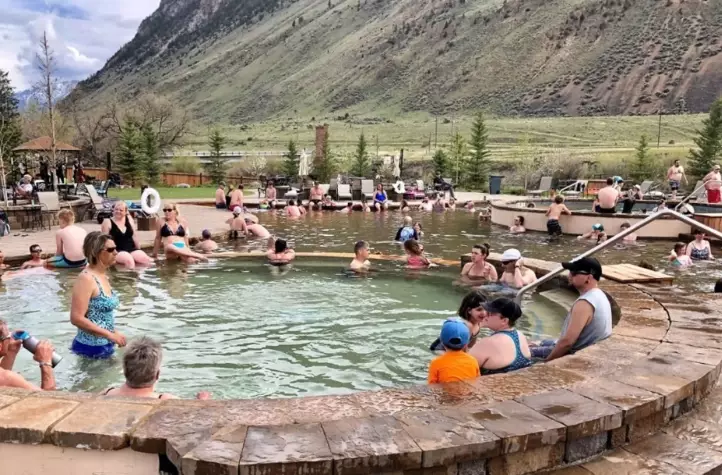
I wish the answer was a simple yes or no. Honestly, it would make everyone's life easier. But the reality of national park swimming rules is as varied as the landscapes themselves. It's a giant "it depends." It depends on which park you're in, which specific body of water you're looking at, the time of year, and a whole bunch of safety factors you might not have even considered.
I learned this the slightly embarrassing way years ago at Yellowstone. I saw a beautiful, steamy stream and for a second, the thought was tempting. Then I saw the signs – the very serious, multi-lingual signs – about boiling water, unstable ground, and, oh yeah, the scalding death that awaited. That was a quick wake-up call. Swimming there wasn't just discouraged; it was a profoundly stupid and illegal idea.
So let's ditch the one-size-fits-all assumption. This guide is here to walk you through the murky waters of national park swimming policies. We'll look at the general rules, the reasons behind them, how to find the info for your specific park, and some spots where a swim is not just allowed but absolutely magical.
Why Isn't There a Simple Yes or No Answer?
Think about it. The National Park Service (NPS) manages over 400 units. You've got everything from the geothermal wonderland of Yellowstone to the coral reefs of Dry Tortugas. The risks and considerations in each are worlds apart.
The core mission of the NPS is to protect these incredible places and keep visitors safe. Sometimes those two goals align with a nice, swimmable beach. Other times, they mean putting up barriers and strict rules. The decision on whether you are allowed to swim in a national park area boils down to a few key things:
- Resource Protection: Is the water source fragile? Swimming can stir up sediment, damage aquatic plants, and introduce pollutants (sunscreens, lotions). In delicate spring-fed pools or sensitive desert oases, swimming is often a hard no.
- Visitor Safety (This is a HUGE one): This is the biggie. Currents, underwater hazards, water temperature, wildlife, and water quality (bacteria) are all major factors. A calm-looking river can have a killer undertow. A lake can be hypothermia-cold even in summer.
- Wildlife Habitat: That inviting pond might be a critical drinking spot for animals or a spawning ground for fish. Disturbing them isn't cool.
- Cultural Significance: Some water bodies are sacred to Indigenous tribes. Out of respect, swimming is prohibited.
So when you ask "are you allowed to swim in national parks," rangers aren't trying to be fun police. They're weighing all this in real-time.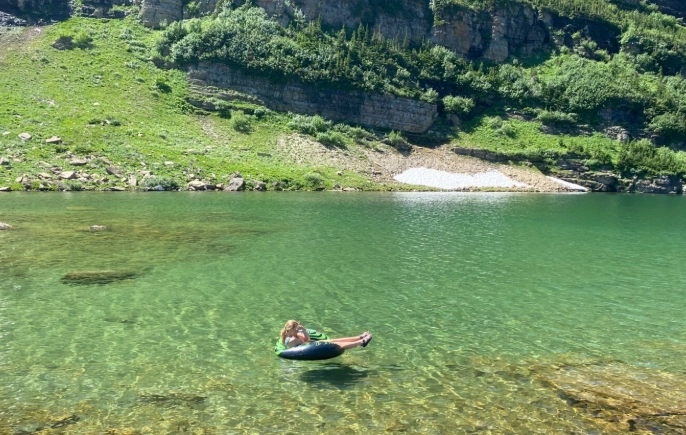
Heads up: Assuming it's okay because you don't see a sign can be a dangerous mistake. In many backcountry areas, the absence of a "no swimming" sign isn't an invitation; it's an assumption that you've done your research and understand the inherent risks. Always check first.
How to Actually Find the Rules for Your Specific Park
This is the most practical advice I can give you. Don't guess. Here’s your action plan for getting a definitive answer on whether you are allowed to swim in that specific national park you're visiting.
Step 1: Hit the Official Park Website
This should be your first stop, always. Go beyond the homepage. Look for sections titled "Things to Do," "Plan Your Visit," or "Safety." Often, there will be a dedicated page for "Swimming" or "Water Activities." The quality of this info varies by park, but it's the most authoritative starting point. For example, the Grand Canyon National Park page on river activities makes the dangers of the Colorado River painfully clear.
Step 2: Scan the Official Park Newspaper/Guide
When you enter the park, you'll get a paper map and guide. Read it. Seriously. The rules about swimming, if they exist, are almost always printed in there, often with specific locations marked. It will say things like "Swimming permitted at X Beach only" or "Swimming not recommended due to unpredictable currents."
Step 3: Ask a Ranger. Just Ask.
This is the gold standard. Stop at a visitor center or find a ranger at a trailhead. Be specific: "I was hoping to swim. Are there any designated, safe areas for that here?" They'll give you the current conditions—like if there's a bacteria advisory (this happens more than you think) or if water levels are dangerously high. Their info is real-time.
I once asked a ranger in Glacier about a lake, and he said, "Technically yes, but the water was 48 degrees Fahrenheit yesterday. Up to you!" That's the kind of context you need.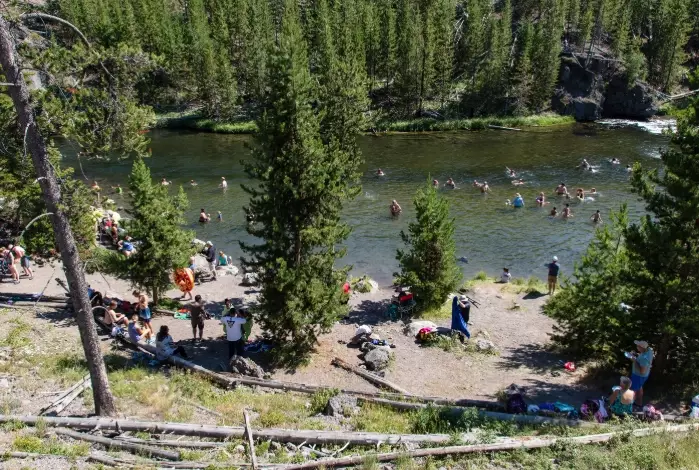
Common Swimming Rules and What They Really Mean
You'll encounter specific phrases. Let's decode them.
| Term You'll See | What It Actually Means | Example Park/Scenario |
|---|---|---|
| Swimming Prohibited | A firm, legal "NO." Violating this can result in a fine. Usually for critical safety or resource protection. | Yellowstone's hydrothermal areas. The NPS site bluntly states the dangers. |
| Swimming Not Recommended | This is the NPS saying, "Look, we can't stop you, but it's a really, really bad idea." It often means hidden hazards like currents, cold shock, or wildlife. | Many rivers in Rocky Mountain or Olympic National Park. The risk is on you. |
| Swim At Your Own Risk | It's allowed, but there are no lifeguards. You are solely responsible for your safety. Assess conditions carefully. | Most lakes in national parks, like those in the Glacier National Park region. |
| Designated Swimming Area | The green light! This is a specific spot the park has deemed the safest option. Still, often "at your own risk." | Sand Beach in Acadia, the river access at Zion's Narrows (walking, not full swim). |
See the pattern? The level of restriction is directly tied to the level of managed risk.
Beyond the USA: A Quick Note on Canada and Other Places
The same principles apply globally, but the managing agency changes. In Canada's incredible national parks, managed by Parks Canada, you must check individual park regulations. For instance, swimming in some alpine lakes in Banff might be allowed but brutally cold, while hot springs are often off-limits for protection.
The core question, "are you allowed to swim in national parks," is universal. Always, always check the local rules.
Where Swimming *Is* Often Allowed and Amazing
Let's talk about the good stuff! Many parks have fantastic, memorable swimming holes. Here are a few famous examples where the answer to "are you allowed to swim in national parks" is a joyful yes (with the usual at-your-own-risk caveats).
- Acadia National Park (Maine): Sand Beach is a classic, though the North Atlantic is bracing. Freshwater options like Echo Lake have warmer, calmer waters.
- Olympic National Park (Washington): The clear, (still cold) waters of Lake Crescent are legendary for a dip after a hike.
- Virgin Islands National Park (St. John): This is the tropical dream. Snorkeling and swimming right off beaches like Trunk Bay are the main attractions.
- Congaree National Park (South Carolina): Cedar Creek offers a unique chance to swim or paddle through a flooded forest landscape.
- Great Smoky Mountains National Park: While many streams are too swift, deeper pools like the "Midnight Hole" are popular (and crowded) summer swim spots.
My two cents: The swim I remember most wasn't at a famous beach. It was in a remote alpine lake in the North Cascades backcountry after a grueling hike. The water was so cold it stole my breath, but the feeling of sheer accomplishment and immersion in that scenery was unmatched. That's the magic you're sometimes after.
The Non-Negotiable Safety Stuff (Please Read This)
If you decide to swim, you have to respect the water. This isn't a pool.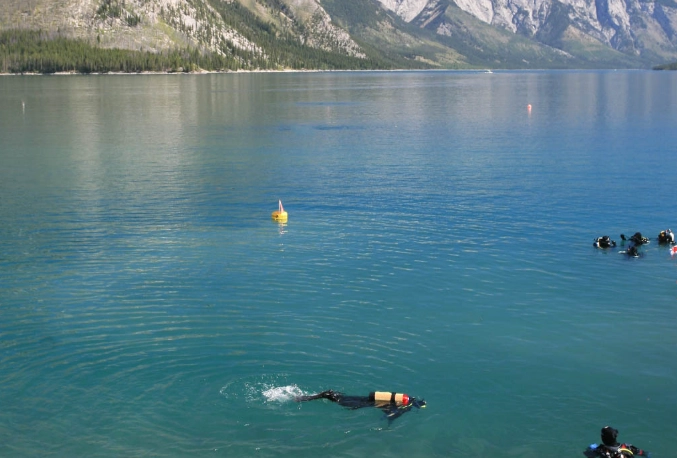
Cold Water Shock: This is a silent killer, even for strong swimmers. Jumping into cold water (<60°F/15°C) can cause an involuntary gasp, leading to water inhalation, and instant paralysis of your muscles. Always wade in slowly to acclimate.
Currents and Undertows: Rivers and ocean shores are deceptive. If you're caught in a current, don't fight it directly. Swim parallel to the shore until you're out of it, then angle back.
Underwater Hazards: Logs, rocks, and uneven bottoms are common. Never dive in headfirst.
Weather Changes: A sunny day can turn into a thunderstorm fast. Get out of the water immediately if you hear thunder. Lightning is no joke.
Wildlife: This isn't just about sharks in ocean parks. In freshwater, be aware of things like snakes or, in very rare cases in certain parks, alligators. Give all wildlife a huge berth.
Water Quality: After heavy rains, runoff can spike bacteria levels (like E. coli). Parks will sometimes post advisories. Avoid swallowing water.
Answers to Questions You're Probably Thinking
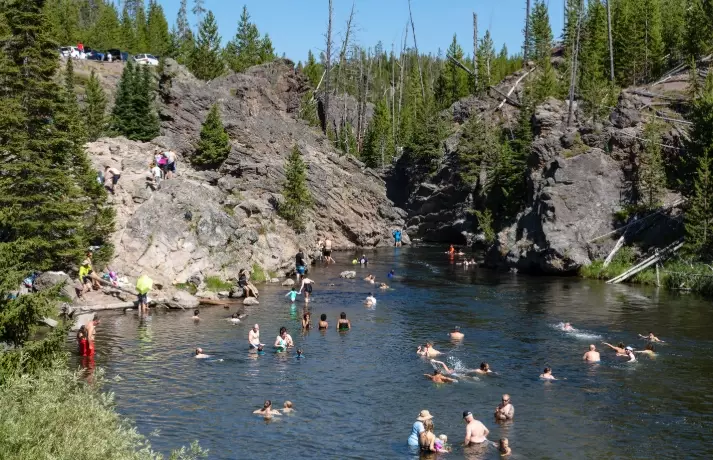
See? The question "are you allowed to swim in national parks" opens a door to a lot of important follow-ups.
Wrapping It Up: Your Swimming Cheat Sheet
So, let's bring it home. Are you allowed to swim in national parks?
The definitive answer is: You must check the rules for the specific park and the specific body of water. There is no universal rule.
Your mindset should shift from "Can I?" to "Should I, here, today, under these conditions?"
Do your homework on the park website. Read the materials they give you. Talk to a ranger. Once you have the green light in a specific area, then focus on safety: cold water, currents, no diving, weather, and maybe a life jacket.
When it all aligns—a safe, designated area on a hot day in a beautiful park—there are few better feelings. A swim in a national park isn't just about cooling off; it's about connecting with the place in a whole new, immersive way. Just make sure you do it the right way, so these places stay pristine and you stay safe to enjoy your next adventure.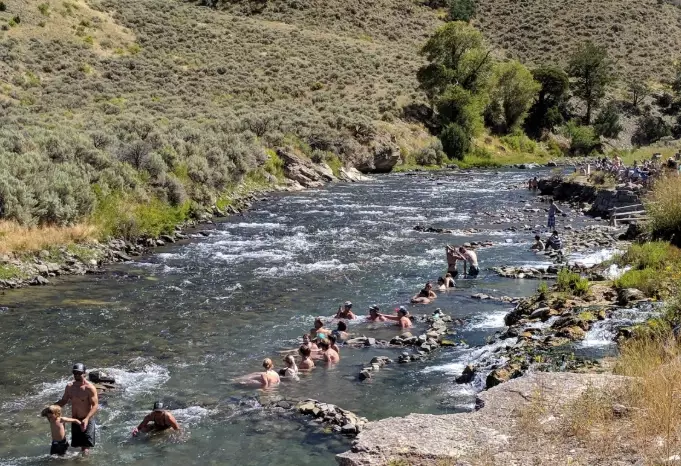
Hope this helps clear the water on the rules. Have a fantastic, and safe, trip.
Reader Comments