Your Snorkeling Roadmap
- Why Indonesia is the Ultimate Playground for First-Time Snorkelers
- Choosing Your First Snorkeling Base: A Beginner's Comparison
- Your Non-Negotiable Beginner's Snorkeling Gear Guide
- Safety First: The Rules Your Guide Might Not Emphasize Enough
- What Will You Actually See? A Beginner's Marine Life Preview
- Putting It All Together: Your Sample 5-Day Beginner Itinerary (Bali & Gili Focus)
- Answering Your Burning Questions (FAQs)
- Final Thoughts: Taking the Plunge
Let's be honest. The idea of snorkeling in Indonesia for beginners can feel equal parts thrilling and terrifying. You've seen the photos – those impossibly blue waters, coral reefs bursting with color, and sea turtles gliding past like underwater royalty. You want that. But then your brain pipes up with a chorus of "what ifs." What if I can't breathe? What if I see a shark? What if I pick the wrong place and it's all deep water and strong currents?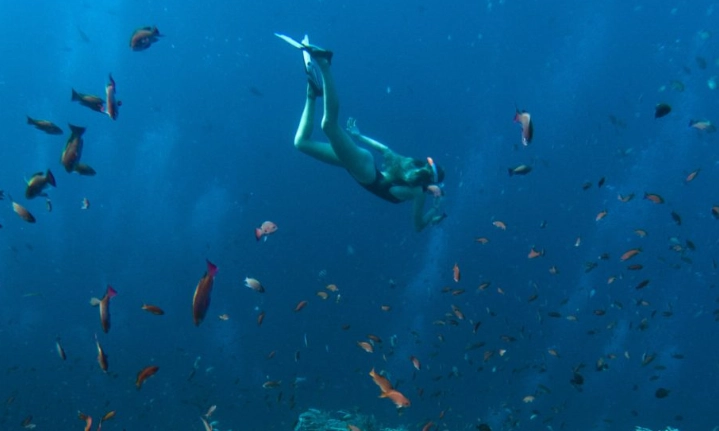
I get it. I was there too. My first attempt at snorkeling was in less-than-calm waters, and I spent more time choking on seawater and fighting my mask than looking at fish. It almost put me off for good. But then I tried it in Indonesia, and it was a complete game-changer. The difference between a stressful experience and a magical one often comes down to knowing a few key things. That's what this guide is for. We're going to strip away the anxiety and build up your confidence, step by step.
This isn't just a list of spots. This is your personal blueprint for planning a successful, safe, and utterly unforgettable first snorkeling trip to Indonesia. We'll cover where to go (and just as importantly, where to avoid as a newbie), what gear you actually need, how to stay safe, and what you're likely to see. Consider this your friendly, no-BS chat before we dive in.
Why Indonesia is the Ultimate Playground for First-Time Snorkelers
You might wonder, with all the tropical destinations out there, why focus on snorkeling in Indonesia for beginners? The answer boils down to accessibility, variety, and sheer abundance. In places like the Caribbean, you often need a boat to reach the good reefs. In many parts of Indonesia, you can often just walk off a sandy beach into a world-class underwater garden. This "step-in" accessibility is a huge mental win for beginners. It means you can go at your own pace, retreat to shore easily if you feel overwhelmed, and practice in waist-deep water before venturing further.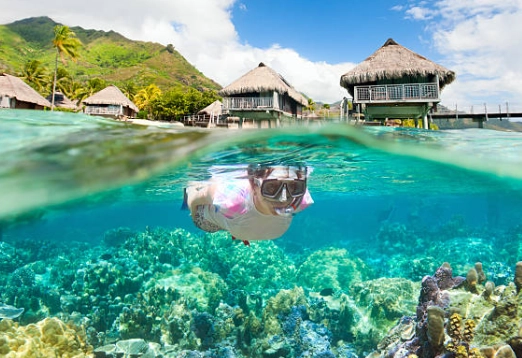
Then there's the marine life. Indonesia sits in the heart of the Coral Triangle, the global epicenter of marine biodiversity. This isn't an exaggeration – the scientific data backs it up. According to research compiled by the Coral Triangle Initiative, this region harbors over 75% of the world's known coral species. For you, the beginner snorkeler, this translates to an almost guaranteed spectacle. You don't have to be an expert or go far out to sea to see stunning corals, dazzling fish, and maybe even a turtle or two.
The water clarity in many sheltered bays and lagoons is exceptional, often exceeding 20 meters of visibility. Clear water means less anxiety – you can see your surroundings, see your buddy, and see what's coming. It removes that unsettling feeling of the unknown.
Choosing Your First Snorkeling Base: A Beginner's Comparison
Picking the right island or area is 80% of the battle for a successful snorkeling in Indonesia for beginners trip. You want calm seas, easy beach access to reefs, and a general vibe that's relaxed and not overly challenging. Based on my own travels and countless conversations with other new snorkelers, here’s a breakdown of the top contenders.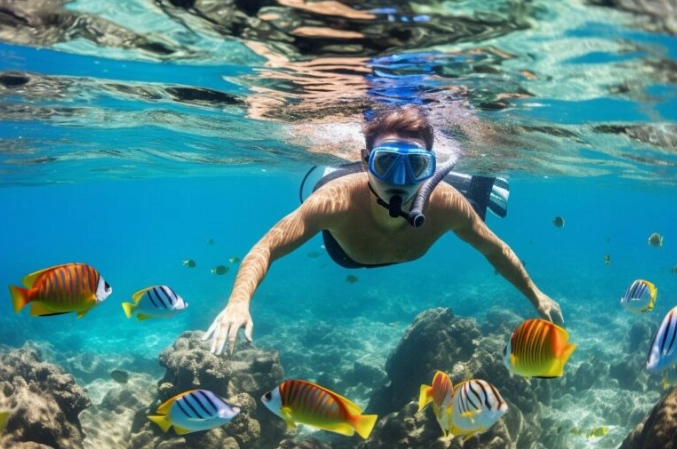
| Destination | Best For Beginners Because... | Potential Drawbacks | My Personal Verdict |
|---|---|---|---|
| Bali (Sanur, Amed, Nusa Lembongan) | Extremely easy to get to, huge range of accommodations and snorkeling tours specifically for beginners. Sanur has a long, protected beach with a reef accessible at high tide. Amed is a sleepy village with a sloping, sandy entry and a famous shipwreck in shallow water. | Can be crowded. Some spots like Nusa Penida have strong currents and are NOT for beginners (despite what some tour operators might say). | The most practical and forgiving first choice. You can build confidence in Sanur before trying a calm boat trip to Lembongan. |
| The Gili Islands (Gili Trawangan, Air, Meno) | No cars, just horses and bikes. The waters around all three islands are generally calm, shallow, and crystal clear. You can snorkel right off the beaches, especially the north sides. The famous "Gili Meno Turtle Point" often has turtles in chest-deep water. | Getting there requires a boat from Bali or Lombok. Gili T can be noisy at night if you're on the main strip. | Pure, easy, relaxed snorkeling paradise. Gili Meno is the quietest and arguably best for absolute beginners wanting peace. |
| Raja Ampat | The ultimate biodiversity. Even in shallow, calm bays like those around Kri Island or Arborek, the fish life is mind-blowing. It feels like swimming in an aquarium. | Expensive and complicated to reach. Most snorkeling is done from liveaboards or resort boats, not directly from shore. Less "practice on your own" time. | A bucket-list trip for after you've caught the snorkeling bug. Not ideal for your very first try due to logistics and cost. |
| Wakatobi | Pristine reefs right off the beach of the resort islands. The water is unbelievably clear and calm, with gentle slopes. It's high-end, guided, and incredibly safe. | Very expensive. Almost exclusively resort-based. | If budget is no object and you want a flawless, guided first experience, this is it. But it's not the typical beginner's path. |
| Komodo (Labuan Bajo area) | Some stunning sites like Kanawa Island or Sebayur have beautiful, easy house reefs. The marine life is diverse. | The Komodo National Park itself has very strong currents and is for advanced snorkelers only. You must be very clear with tour operators that you are a beginner. | Choose carefully. Stick to the specific beginner-friendly islands, and avoid the park's main current-swept channels. |
See a pattern? For your absolute first trip, Bali or the Gilis offer the perfect mix of ease, accessibility, and amazing snorkeling.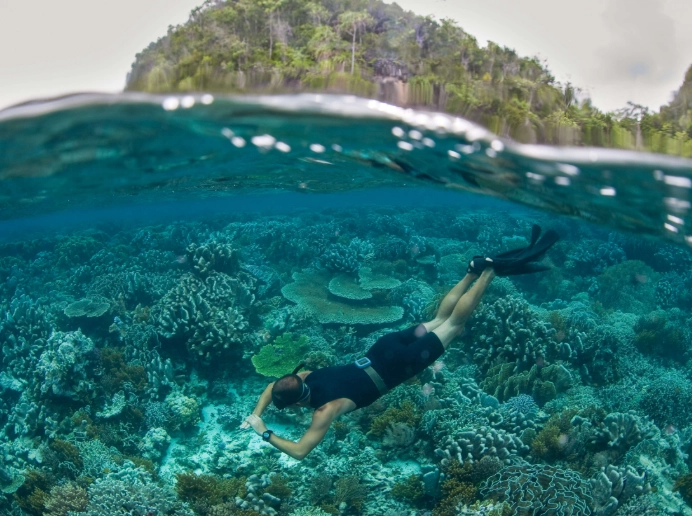
Your Non-Negotiable Beginner's Snorkeling Gear Guide
Bad gear can ruin a good day. Ill-fitting masks flood, cheap snorkels are hard to breathe through, and fins that are too stiff will cramp your feet. Let's talk about what you actually need.
The Big Three: Mask, Snorkel, Fins
Mask: This is the most important piece. Don't just rent any old mask. A good fit is everything. Here’s how to test it: Place the mask on your face without using the strap. Inhale gently through your nose. The mask should suction to your face and stay put for a few seconds without you holding it. No air should leak in. If it falls, it's the wrong shape for your face. Look for a mask with a silicone skirt (it's soft and seals better) and a low volume (less air inside means it's easier to clear water from).
I made the mistake of using a rental mask that was too big on my first trip. I spent half the day letting water in and clearing it. Investing in your own well-fitted mask (even a mid-range one) is the single best thing you can do for your enjoyment.
Snorkel: For beginners, a dry snorkel is highly recommended. It has a mechanism at the top that seals the tube when you go underwater, preventing a mouthful of water. A semi-dry snorkel has a splash guard. A simple J-shaped snorkel (the classic kind) is cheaper but means you have to blow out water forcefully when you surface. As a beginner dealing with nerves, a dry snorkel is one less thing to worry about.
Fins: You don't need long, stiff diving fins. Shorter, more flexible snorkeling fins are easier to use. The key is fit. They should be snug but not painfully tight. Blisters are no fun. Consider open-heel fins with adjustable straps – they're easier to get on and off, especially on a boat.
Pro-Tip: Defog Your Mask
Nothing is more annoying than a foggy mask. Spit in it, rub the saliva around the lens, rinse it briefly in seawater, and that should do the trick. It's not glamorous, but every snorkeler and diver does it. Commercial defog gel works too, but spit is free and always available.
The Often-Forgotten Essentials
- Rash Guard or Wetsuit Top: This isn't just for warmth. It's your primary defense against sunburn. The sun reflects off the water, and you can get severely burned without feeling it. A rash guard also protects against minor scrapes from coral or rocks. A 1mm or 2mm "shorty" wetsuit is perfect for most Indonesian waters.
- Reef-Safe Sunscreen: Please, please use it. Chemicals in regular sunscreen (like oxybenzone and octinoxate) bleach and kill coral. Look for mineral-based sunscreens with zinc oxide or titanium dioxide. Apply it at least 15 minutes before you get in the water. Better yet, cover up with a rash guard to minimize sunscreen use.
- Snorkel Vest or Pool Noodle: Don't see this as a sign of weakness. See it as a tool for relaxation. An inflatable snorkel vest lets you float effortlessly, conserving energy and letting you focus on looking down. Many boat tours provide them. If you're not a strong swimmer, it's a must.
- Waterproof Dry Bag: For your keys, phone, wallet, and towel on the boat or beach.
Safety First: The Rules Your Guide Might Not Emphasize Enough
Safety is the foundation of fun. When you're comfortable, you see more and enjoy more. Here are the critical safety tips for snorkeling in Indonesia for beginners that go beyond just "don't touch the coral."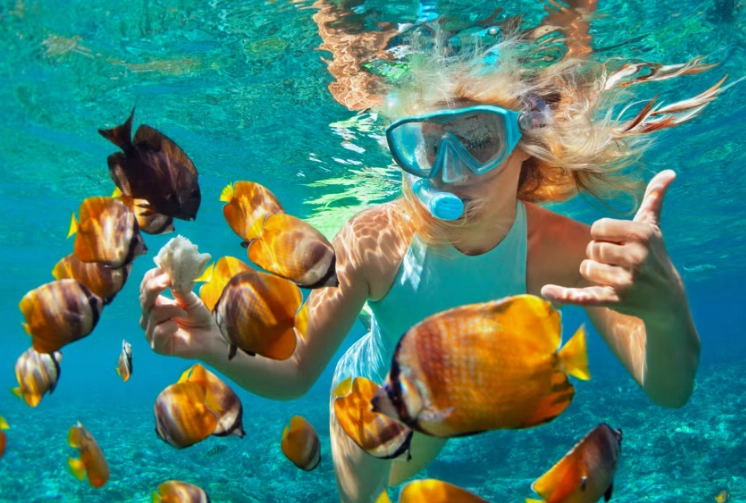
The Golden Rule: Never Snorkel Alone
Always use the buddy system. Stay close enough to touch or get each other's attention with a wave or sound. Point out cool things to each other, and regularly check in. If you're on a tour, don't wander off from the group.
Check Conditions Yourself: Don't just rely on a tour operator who might prioritize a sale. Look at the water. Is it choppy? Are there whitecaps? Is the wind strong? If it looks rough from shore, it will be worse out at the reef. It's okay to cancel or postpone. I once turned back from a trip to a famous spot because the channel looked like a washing machine. The group that went had a miserable, scary time.
Understand Currents: This is a big one. A calm-looking spot can have a surprising current. Before entering the water, ask a local guide about the current direction. Once in, check your position relative to a fixed point on land or the boat. If you're drifting quickly without finning, you're in a current. Don't panic and swim directly against it – you'll tire yourself out. Swim calmly and diagonally across it, towards safety (the shore, boat, or a rock).
Respect Marine Life: This is for your safety and theirs. Maintain a respectful distance. Don't chase turtles or try to touch anything.
- Stonefish & Lionfish: Beautiful but venomous. Don't touch the seafloor where stonefish might camouflage. Admire lionfish from a distance.
- Jellyfish: Most are harmless, but some can sting. A rash guard offers good protection. If stung, rinse with vinegar (not freshwater) if available.
- Sharks: It's incredibly rare to see one while snorkeling in shallow reefs, and if you do, it will likely be a small, harmless reef shark. They are shy and will avoid you. Consider it a lucky sighting, not a threat.
What Will You Actually See? A Beginner's Marine Life Preview
One of the most common questions from beginners is, "Will I see anything good close to shore?" In Indonesia, the answer is a resounding yes. You don't need to go deep. Here’s a sample of what’s waiting for you in just a few meters of water:
- Coral Gardens: Brain coral, staghorn coral, plate coral, and fields of soft corals waving in the current. Look closely – the coral itself is a living, colorful animal.
- The Fish Cast:
- Clownfish (Nemo): Almost guaranteed. They live in anemones, which look like flowing plants.
- Parrotfish: Large, colorful, and you can hear them crunching on coral as they eat.
- Angelfish & Butterflyfish: Flat, disk-shaped, and stunningly patterned.
- Schools of Blue-Green Chromis or Sweepers: Creating shimmering silver walls.
- Triggerfish, Wrasse, and Goatfish: All common and fascinating to watch.
- The Bigger Stars:
- Sea Turtles (Green or Hawksbill): A truly magical encounter. They are often found munching on seagrass or sponges. Float calmly and let them approach.
- Reef Sharks (Blacktip or Whitetip): Small, shy, and usually seen resting on the sandy bottom under a ledge. They are not interested in you.
- Manta Rays: In specific locations like Nusa Penida (from a boat, not for absolute beginners due to currents) or Komodo. A sight you'll never forget.
Remember, go slow. The faster you swim, the less you see. Float, breathe slowly, and just observe. Life is happening in every nook and cranny.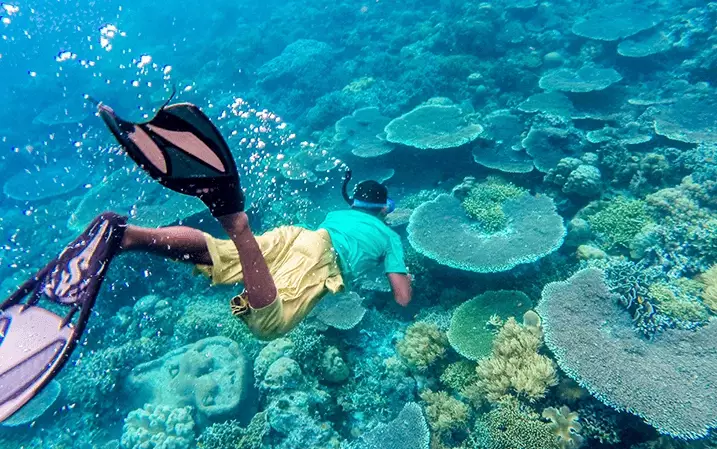
Putting It All Together: Your Sample 5-Day Beginner Itinerary (Bali & Gili Focus)
Let's make this practical. Here’s how a smooth first trip for snorkeling in Indonesia for beginners could flow.
Days 1-2: Bali – Acclimatization & Practice
Stay in Sanur. Recover from your flight. On day 2, walk out into the calm waters of Sanur Beach at high tide. The reef is about 50-100 meters out. Use this to practice breathing through your snorkel, clearing your mask, and getting comfortable floating. The fish life here is decent, and it's zero-pressure. In the afternoon, visit a local dive shop to check your mask fit or buy your own.
Day 3: Your First Boat Trip
Book a beginner-friendly snorkeling trip from Sanur to the nearby Blue Lagoon (Padangbai) or Nusa Lembongan. Choose an operator that uses a stable, spacious boat and promises calm sites. Tell them you're a novice. These sites have gentle slopes, clear water, and great life. This builds confidence in a controlled, guided setting.
Days 4-5: The Gili Islands – Shallow Water Paradise
Take the fast boat from Padangbai to Gili Meno or Gili Air. These islands are quieter than Gili T. Rent gear from your hotel (or use your own). Spend the days exploring the north and west coasts right from the beach. Snorkel out to the "nests" of buoys marking the best spots. At Turtle Point, just float and wait. The turtles will come. This is the ultimate reward for your preparation – effortless, independent snorkeling in paradise.
Answering Your Burning Questions (FAQs)
Absolutely yes. This is the most common concern. Being a comfortable swimmer helps, but you don't need to be an Olympian. The key is using a flotation aid – a snorkel vest or even a life jacket. Choose locations with very shallow, calm water where you can stand up (like many spots in the Gilis or Sanur at low tide). Always go with a buddy and a guide. Your goal is floating and looking down, not swimming laps.
In Indonesia, many of the best beginner spots are accessible from the beach. This is a huge advantage. Boat trips are great for accessing specific, more distant sites, but they are not a necessity for a fantastic first experience. Start with beach snorkeling to build skills and confidence at zero extra cost.
Generally, the dry season (April to October) offers the calmest seas and best visibility. However, this is also peak tourist season. The shoulder months (April, May, September, October) are often ideal. The wet season (November-March) can bring rougher seas, rain, and reduced visibility, especially in areas exposed to the west. Always check local weather forecasts.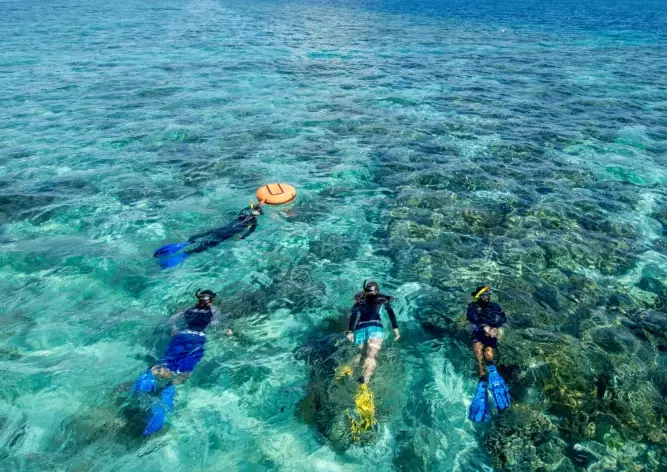
This is crucial. Never stand on or touch coral. It is alive and incredibly fragile. A single touch can kill a colony that took decades to grow. Ensure your fins don't kick it. Maintain buoyancy. If you need to adjust your gear, float to a sandy patch or return to the boat. Use only reef-safe sunscreen. The Indonesian government, through its Ministry of Marine Affairs and Fisheries (KKP), actively promotes coral reef conservation, and as visitors, we must do our part.
For your first time, I'd suggest focusing on the experience, not the photography. Managing a camera adds a layer of complexity. If you really want one, a simple waterproof case for your phone or a basic GoHero-style camera is enough. Remember, your memories are more important than perfect shots. Look with your eyes first.
Final Thoughts: Taking the Plunge
Snorkeling in Indonesia for beginners is about setting yourself up for success. It's about choosing the gentle bay over the wild channel, the fitted mask over the leaky rental, and the relaxed float over the frantic swim.
The underwater world of Indonesia is the most welcoming, vibrant, and accessible on the planet for someone just starting out. By following this guide, you're not just planning a trip; you're giving yourself permission to have an easy, awe-inspiring adventure. You're swapping anxiety for anticipation.
Do your research, pick a beginner-friendly base like Sanur or the Gilis, gear up smartly, and respect the ocean. The turtles, the clownfish, and those breathtaking coral gardens are waiting. They've been there for years. All you have to do is float, breathe, and look down.
Your first glimpse into that silent, weightless world will change you. And honestly? You'll be planning your next snorkeling trip before you've even dried off.
Reader Comments