Let's cut to the chase. Buying a snorkel set for your family vacation shouldn't feel like assembling IKEA furniture without the instructions. You want gear that gets everyone in the water safely, having fun, without blowing your budget or your suitcase weight limit. A good family snorkel set isn't just smaller versions of adult gear. It's about simplicity, safety, and eliminating the friction that turns a dream outing into a stressful ordeal. I've spent over a decade guiding families on snorkel trips, and I've seen the same mistakes repeated. This guide is about skipping those mistakes entirely.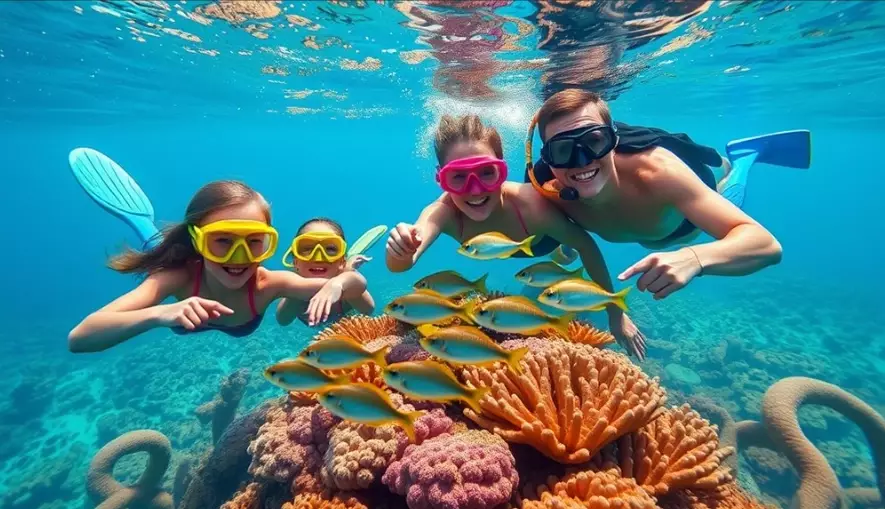
What You'll Find in This Guide
What Makes a Snorkel Set 'Family-Friendly'?
Think of it this way: an adult set is for performance. A family set is for adoption. If a child (or a hesitant adult) struggles with it for more than 30 seconds, they'll give up. The goal is intuitive use.
The magic formula involves three things most generic sets ignore:
1. The Dry Snorkel is Non-Negotiable. A basic J-tube snorkel lets water in when a wave passes or the user dips their head. A dry snorkel has a float valve at the top that seals the tube the moment it submerges. For a kid learning to breathe through their mouth while floating, this is a game-changer. No constant swallowing of seawater.
2. Mask Fit Trumps Everything. Not just "does it seal?" but "does it feel comfortable and offer a wide view?" Children's faces are not just small adult faces. They have flatter nose bridges and different proportions. A poorly fitting mask will leak incessantly, fog up, and cause panic. Silicone skirts should be soft and pliable.
3. Travel-Friendly Design. This is the hidden requirement. Family travel means luggage space is prime real estate. Fins should be compact, maybe even adjustable or open-heeled with a strap. The whole kit should pack down into one manageable bag, not three bulky boxes.
I once watched a family on a catamaran in Hawaii. The dad had bought cheap, ill-fitting sets from a big-box store. Within ten minutes, the mom's mask was flooding, one kid's snorkel was a straw to the ocean, and the other kid refused to put the fins on because they pinched. They spent $150 on gear that ruined a $500 excursion. Don't be that family.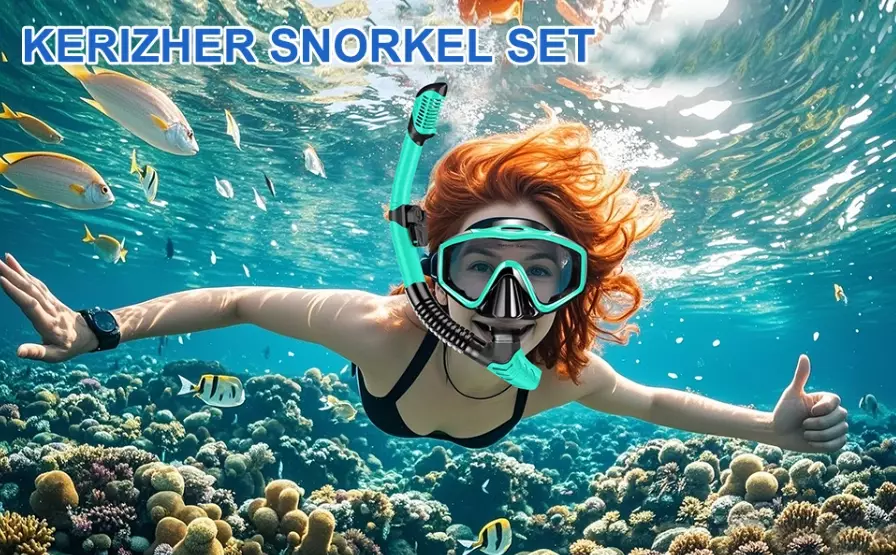
How to Choose the Right Snorkel Set for Your Family Trip
You're not just buying gear; you're buying a successful experience. Walk through this checklist before you click "add to cart."
Age & Skill Level: The Deciding Factor
This dictates everything.
- Ages 5-8 (Beginners): Prioritize ease and confidence. Look for sets with a dry snorkel permanently attached to the mask (a "two-in-one" system). It eliminates the awkward angle of a separate snorkel. Fins should be short, flexible, and easy to kick. Bright colors help you spot them in the water.
- Ages 9-13 (Developing Skills): They're ready for a traditional two-piece set (separate mask and snorkel). The dry snorkel is still essential. Consider a purge valve at the bottom of the snorkel for easy clearing. Fins can be longer for more power. This is a good age to introduce anti-fog spray and proper mask-clearing techniques.
- Teens & Adults: Focus on quality of materials and lens clarity. Tempered glass lenses are mandatory for safety and anti-fogging. Look for silicone skirts and straps. Consider a snorkel with a flexible lower tube for more mouthpiece comfort.
The Full-Face Mask Debate: A Reality Check
They look like the perfect solution—breathe through your nose and mouth! No separate snorkel! I get asked about them constantly. Here's my take after seeing them in action for years.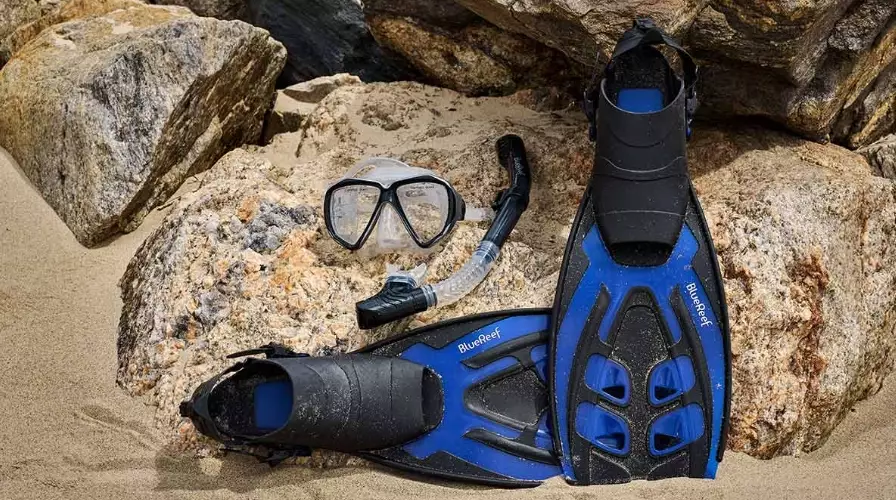
For a family with absolutely zero snorkeling experience, in perfectly calm, shallow, warm water, a reputable brand's full-face mask can lower the initial barrier. The wide field of view is stunning.
But the risks are real, especially for kids. The main issue is the potential for CO2 buildup in the large air volume if breathing is shallow, which can lead to dizziness or worse. They can also fog up internally, which is harder to address. Clearing water from a full-face mask if it floods requires a very specific technique most beginners don't know.
My advice? If you go this route, stick to top-tier brands that invest in advanced CO2 venting technology. Never use them for diving down, even just a few feet. The pressure change can break the seal. And supervise like a hawk.
Top Family Snorkel Set Picks: A Real-World Breakdown
Forget vague "best of" lists. Here’s what I recommend based on specific family scenarios. Prices are approximate.
| Best For... | Recommended Set | Key Features & Why It Works | Approx. Price (per set) |
|---|---|---|---|
| The Young Beginner (5-8 yrs) | Speedo Mini Snorkel Set | Mask and dry-top snorkel are integrated, super simple. Fins are short and flexible. Available in fun colors. It's the "no-thinking-required" starter kit that just works. | $25 - $35 |
| The Best All-Around Family Kit (Ages 8+) | Cressi Palau SAF Set | This is the gold standard for a reason. Dry-top snorkel with splash guard, purge valve, and flexible tube. Silicone mask skirt is comfortable. Fins are adjustable (open-heel with straps), so they fit longer as kids grow. Durable and packs well. | $45 - $60 |
| The Travel-Obsessed Family (Space is key) | U.S. Diver snorkel set with Travel Fins | Look for sets that specifically advertise "travel" or "compact" fins. These fins are shorter and more flexible, often with a closed heel that adjusts. They take up half the space of standard fins. Mask and snorkel are standard dry-top quality. Perfect for airline baggage. | $40 - $55 |
| Upgrade Option for Comfort (Teens/Adults) | Mask: Cressi F1 / Snorkel: Mares Super Snapper Dry | Buy separately for a perfect fit. The F1 mask is a classic for its wide view and comfort. The Super Snapper is a top-rated dry snorkel with a flexible lower section to reduce jaw fatigue. Pair with travel fins of your choice. | $70 - $90 (combined) |
Remember, you don't need to buy the most expensive set. The Cressi Palau consistently hits the sweet spot of quality, safety, and value for most families.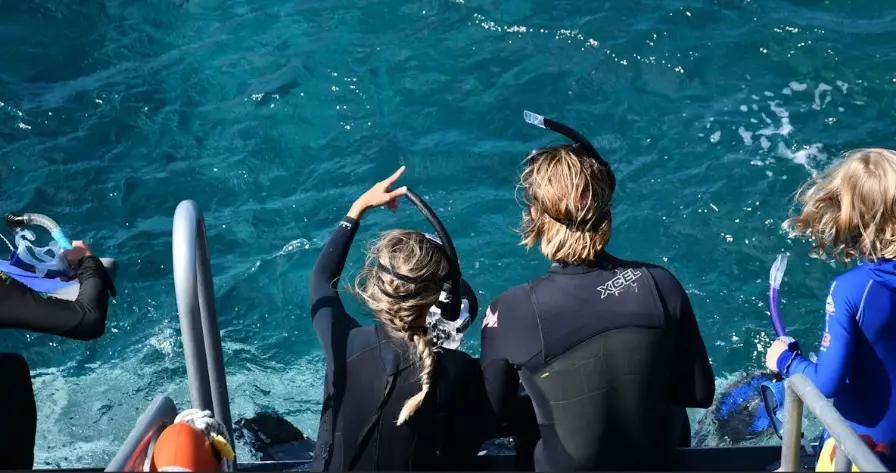
Beyond the Gear: Destinations & Trip Planning for Families
Great gear is useless in a bad spot. You need calm, clear, shallow water with interesting stuff to see, and easy access. Here are three foolproof destinations to consider, based on taking my own family and countless others.
1. The Classic: Hanauma Bay, Oahu, Hawaii
Why it's great for families: It's a protected marine life conservation area. The bay is a curved cove, so waves are minimal. The water is shallow near the shore, with a sandy bottom that slopes gently. You'll see fish within 10 feet of entering the water. Facilities (restrooms, snack bar, rental shop) are top-notch.
Key Info: You must book tickets online in advance (they often sell out). There's an entry fee (around $25 for adults, kids under 12 free) and a mandatory 9-minute conservation video. Parking is limited, so go early or take a shuttle. The bay is closed on Tuesdays.
My tip: Rent a floatation device (they have life vests and float belts) even for kids who can swim. It takes the effort out of floating and lets them focus on looking down.
2. The Caribbean Gem: Cozumel, Mexico (Chankanaab Beach Adventure Park)
Why it's great for families: It's not just a beach; it's a full-day park. The snorkeling is from a sandy beach or steps right into a vibrant, shallow reef. The reef is close to shore, and the fish are abundant because it's a protected park. When the kids are done snorkeling, there are pools, sea lion shows, and a botanical garden.
Key Info: Entrance fee is about $25 per person. It includes access to all park facilities. Snorkel gear rental is extra, but you can bring your own. There are restaurants and lockers available. Cruise ship passengers frequent it, so go early or later in the afternoon to avoid the biggest crowds.
3. The Continental US Option: John Pennekamp Coral Reef State Park, Florida
Why it's great for families: It's the first undersea park in the U.S. You can snorkel right from the beach at Cannon Beach or Far Beach, where there's a small, shallow shipwreck and statue garden. For a bigger adventure, book a snorkel boat tour from the park marina to the outer reef. The boat crew is great with families and provides all instruction.
Key Info: Park entrance fee is around $8 per vehicle. Boat tours are extra (approx. $40-$50 per adult, less for kids) and should be booked in advance, especially in season. The water visibility is highly weather-dependent; calm, sunny days are best.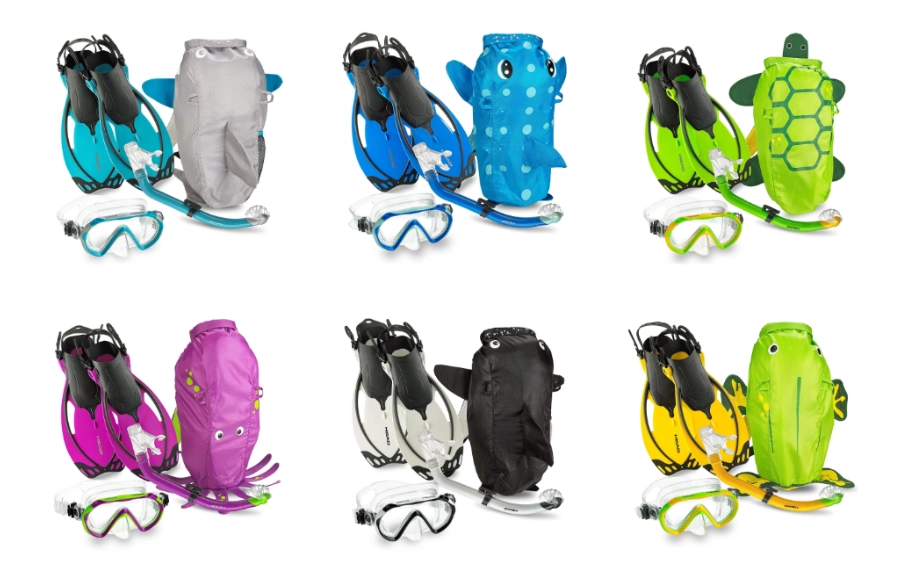
Planning Your Day:
1. Timing is Everything: Go in the morning when the water is calmest and the sun isn't too harsh. Afternoon winds can chop up the water.
2. Practice First: Don't wait until you're on the boat. Have a "pool day" or "calm beach day" before the main event. Let kids get used to the gear, practice breathing, and clearing their snorkel in waist-deep water.
3. Pack a Snorkel Kit: Beyond the set, bring: waterproof sunscreen (reef-safe!), rash guards for sun protection, towels, a big jug of fresh water for rinsing off, and high-energy snacks.
Your Family Snorkeling Questions, Answered
Is a full face snorkel mask safe for my 8-year-old?
What's the one piece of family snorkel gear most people forget to pack?
 Can we use the same snorkel set in cold water vs. tropical water?
How do I prevent my child's snorkel mask from constantly fogging up?
Getting the right snorkel set for your family trip is about removing obstacles. It's about gear that disappears, letting the wonder of floating over a coral garden or a school of tropical fish take center stage. Start with the right set for your kids' ages, pick a suitable destination, and practice in a pool first. That first time your child surfaces, pulls out their snorkel, and shouts, "Mom, I saw a sea turtle!"—that's the moment it's all worth it. Now go make some memories.
Reader Comments