Snorkeling the Great Barrier Reef is one of those travel dreams that lives up to the hype. I’ve done it more times than I can count, leading trips and just going for fun. The colors, the life, the sheer scale of it—it’s breathtaking. But I’ve also seen people get it wrong. They pick the wrong tour, go to the wrong spot for their skill level, or spend the whole trip fighting their gear instead of enjoying the fish. This guide is here to make sure that doesn’t happen to you. We’re going past the postcard stuff and into the nitty-gritty of planning a trip you’ll never forget.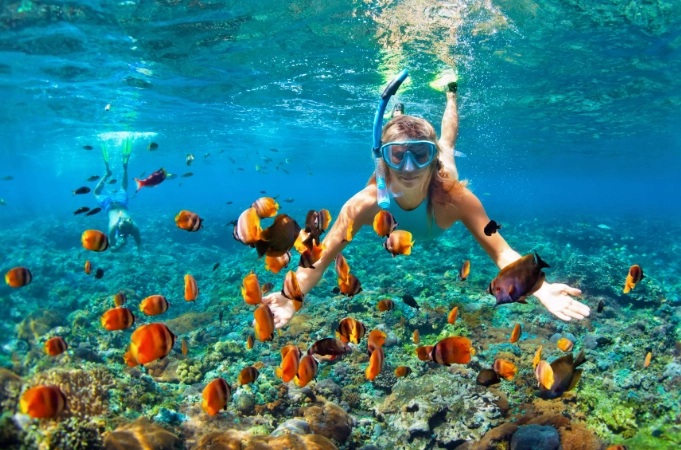
What's in This Guide?
- How to Choose Your Great Barrier Reef Snorkeling Tour
- Top 5 Great Barrier Reef Snorkeling Spots for Every Level
- What to Expect When Snorkeling the Great Barrier Reef
- Essential Great Barrier Reef Snorkeling Gear (and What to Skip)
- Your Great Barrier Reef Snorkeling Day: A Step-by-Step Guide
- Protecting the Reef: Responsible Snorkeling Practices
- Your Great Barrier Reef Snorkeling Questions Answered
How to Choose Your Great Barrier Reef Snorkeling Tour
This is the biggest decision you'll make. Get it right, and you're golden. Get it wrong, and you could be on a crowded boat heading to a bleached-out patch of coral. Most tours depart from Cairns or Port Douglas.
Port Douglas trips tend to reach the outer reef faster (Agincourt Ribbon Reefs are stunning), the boats are often a bit fancier, and it feels less mass-market. You pay for that, though. Cairns is the hub, with dozens of operators. It’s more budget-friendly, but some boats can feel like a floating theme park. Read reviews carefully.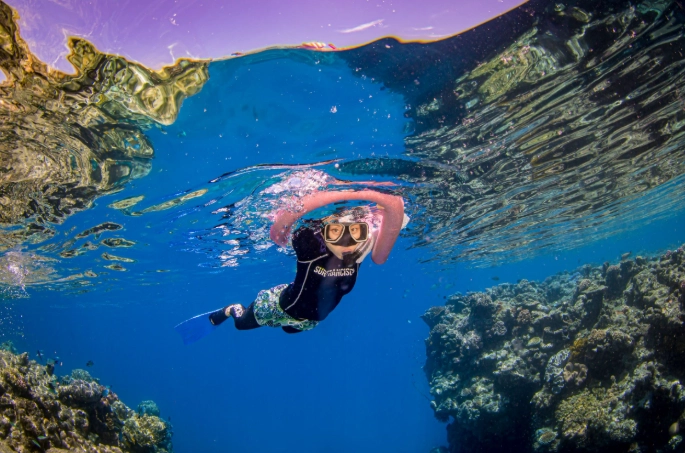
Here’s a quick breakdown of the main tour types:
| Tour Type | Best For | What to Know | Approx. Price (AUD) |
|---|---|---|---|
| Large Pontoon Tours (e.g., from Cairns to Moore Reef) | Families, beginners, non-swimmers, those wanting stability. | You moor at a permanent pontoon with underwater viewing, slides, and often a semi-submersible. Multiple snorkel sites from one platform. Can feel crowded. | $250 - $350 |
| Medium-Sized Catamarans (most common from Port Douglas & Cairns) | Most snorkelers. Good mix of amenities, speed, and site options. | Visits 2-3 different reef sites. More personalized service than mega-pontoons. Often includes guided snorkel tours, which I highly recommend for first-timers. | $280 - $400 |
| Smaller, Agile Boats (e.g., sailboats, speedboats) | Experienced snorkelers, photographers, those who hate crowds. | Access smaller, less-visited reefs. More flexible itinerary. Fewer facilities (maybe just a toilet). The vibe is more adventurous. | $350 - $500+ |
| Island-Based Trips (from Green Island, Fitzroy Island) | Those combining beach time with reef time. Very beginner-friendly. | You take a ferry to the island, then snorkel from the shore or join a short boat trip. Limited to the reef around the island, which can be impacted. Great for a relaxed pace. | $100 - $200 (ferry + activity) |
My tip: Don't just book the cheapest option. Look for operators that limit passenger numbers and have marine biologists on board. Companies like Passions of Paradise (Cairns) or Wavelength (Port Douglas) have great reputations for reef education and sustainable practices. Check their websites for recent snorkeling photos, not just stock footage.
Top 5 Great Barrier Reef Snorkeling Spots for Every Level
Not all reef is created equal. Where your boat goes makes all the difference. Here are five spots I've returned to again and again, each with a different feel.
1. Green Island
For: Absolute beginners, families with young kids, anyone uneasy about deep water.
How to get there: 45-minute high-speed catamaran from Cairns. Great Barrier Reef Cruises and Big Cat run frequent services.
The vibe: This is a coral cay with a sandy beach. You can walk straight in from the shore. The coral right off the beach isn't the most spectacular—it's seen a lot of feet—but it's a zero-pressure environment to practice. For better coral, take the short boat trip to the nearby reef pontoons. It’s perfect for a first taste.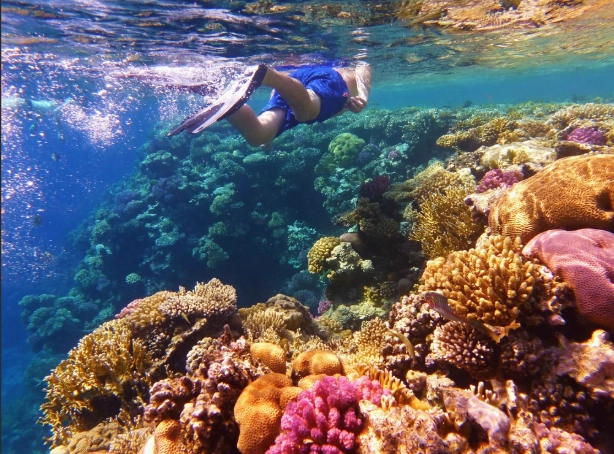
2. The Low Isles
For: Beginners and intermediates who want a picturesque, relaxed day.
How to get there: Mostly from Port Douglas (1.5-hour sail). Sailaway and Quicksilver are the main operators.
The vibe: A beautiful, small island surrounded by a huge, shallow lagoon. The maximum depth is about 4 meters, the water is calm, and the coral gardens are lush and easily accessible. You're almost guaranteed to see turtles here. It feels more intimate than the outer reef.
3. Moore Reef (Cairns)
For: Everyone, especially if you want a "one-stop-shop" reef experience.
How to get there: Large pontoon tours from Cairns (1.5-2 hours). Sunlover Reef Cruises and Great Adventures go here.
The vibe: This is the most popular outer reef site from Cairns for a reason. The pontoon has everything: change rooms, a buffet lunch, underwater observatory. The snorkeling is in designated areas around the pontoon. The coral is good, fish life is abundant thanks to feeding (a controversial practice, but it brings in the big schools). It can feel a bit processed, but it’s incredibly convenient.
4. Agincourt Ribbon Reefs (Port Douglas)
For: Confident snorkelers and underwater photographers.
How to get there: Most premium tours from Port Douglas head here (about 90 minutes).
The vibe: This is where the continental shelf drops off. The water clarity is often phenomenal. You'll snorkel along the edge of the reef wall, looking down into the blue abyss. The coral formations are dramatic, and you have a higher chance of seeing bigger pelagics like reef sharks, maori wrasse, and giant trevally. The currents can be stronger here, so listen to your guide.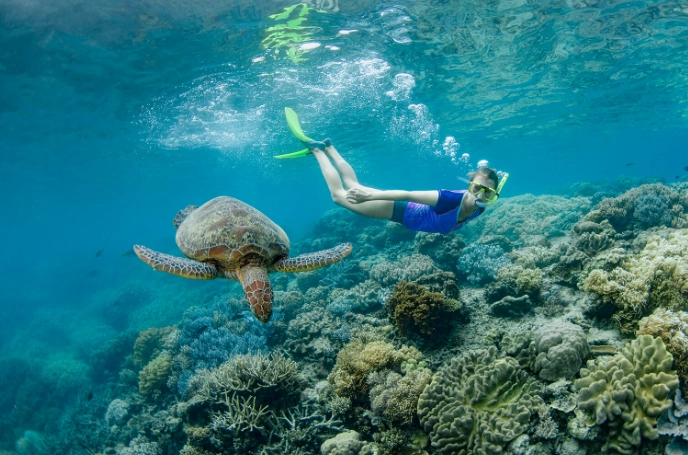
5. Norman Reef
For: Those seeking a balance of great coral and accessibility.
How to get there: Many mid-range catamarans from Cairns visit Norman, often combined with Saxon or Hastings Reef.
The vibe: A personal favorite. It often has less boat traffic than Moore Reef. The coral bommies (large isolated coral formations) are covered in hard and soft corals in bright purples, yellows, and blues. The swim-throughs are fun. I’ve had some of my best turtle encounters here, just casually munching on seagrass.
A common mistake? People fixate on "going to the outer reef" as if it's one place. Agincourt is vastly different from Moore Reef. Match the spot to your comfort in the water, not just the marketing.
What to Expect When Snorkeling the Great Barrier Reef
So you're floating on the surface. What's down there?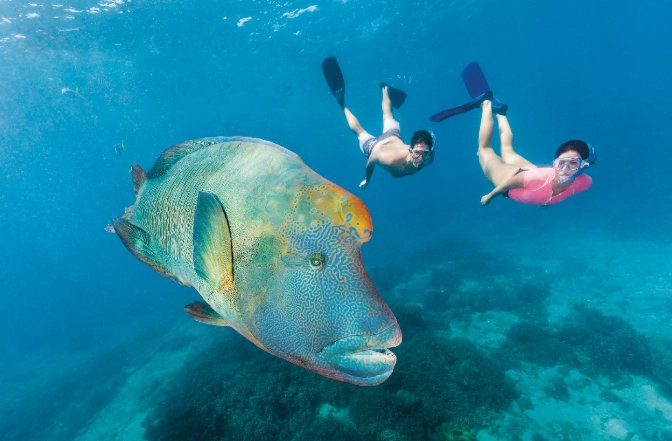
First, the coral. It’s not all bright neon. A lot of it is brownish-green from the zooxanthellae algae living inside it. The pops of color come from the soft corals—vibrant blue, purple, and red fans that wave in the current. Look for the giant clams, their mantles a psychedelic mix of blue and green.
The fish life is a chaotic parade. You’ll definitely see:
- Parrotfish: Loud, colorful, and constantly chewing on coral (you can hear it!).
- Clownfish: Darting in and out of their anemone homes.
- Angelfish: Regal and striped, like underwater royalty.
- Huge schools of sweetlips and fusiliers.
Then the big guys. Green sea turtles are common. They’re calm. Just float and watch them breathe.
Reef sharks. Usually white-tip or black-tip reef sharks, napping on the sand or cruising the edge. They’re about the size of a large dog and want nothing to do with you. My first time, I froze. Now, I get excited. It means the ecosystem is healthy.
Don't touch anything. Not the coral (it kills it), not the turtles (it stresses them), not the cute cone shells (they can be fatal).
Essential Great Barrier Reef Snorkeling Gear (and What to Skip)
All tours provide basic gear: mask, snorkel, fins, and a stinger suit (a thin Lycra suit) in season. But the quality varies wildly.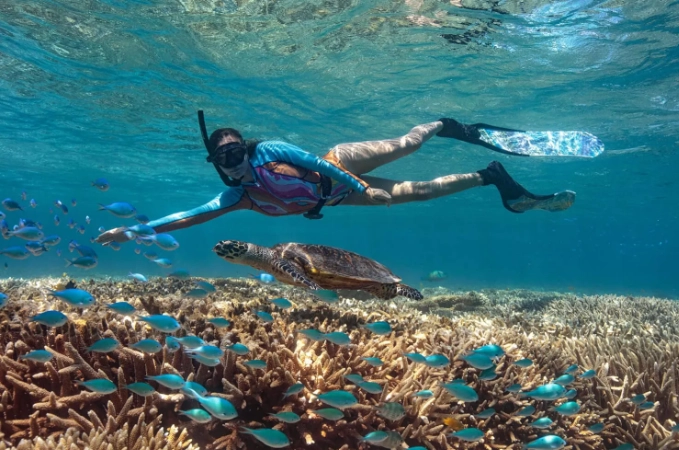
The Must-Haves
Your own mask. This is non-negotiable if you’re serious about enjoying the day. A leaky, foggy rental mask will ruin your trip. Get a silicone-skirted mask that fits your face. Test it by placing it on your face without the strap, inhaling gently through your nose—it should stay suctioned on. Prescription masks are available too.
A rash guard or UV shirt. Wear this under the provided stinger suit or on its own. It prevents chafing from the rental suit and adds extra sun protection. The sun down here is no joke, even through clouds.
The Nice-to-Haves
Snorkel vest. Most boats provide these inflatable vests for free. Use it. It helps you conserve energy and float effortlessly. There’s no shame in it—I use one when I’m just lazily observing.
Anti-fog gel. Spit works, but gel works better and longer. A small bottle lasts ages.
Waterproof phone case or a cheap disposable camera. Don't bring your fancy DSLR unless you have proper housing. The action camera rentals on board are often overpriced.
What to Skip
Buying full gear sets if this is a one-time trip. Invest in a good mask, rent the rest.
Glass-bottom boat tours as a substitute. They’re fine for those who can't swim, but it's like watching a nature documentary through a dirty window. You need to be in the water.
Your Great Barrier Reef Snorkeling Day: A Step-by-Step Guide
Here’s how a typical day on a medium-sized catamaran unfolds:
7:00 AM – Check-in at the marina. Get there early. They’ll check your voucher, maybe assign you a snorkel group. Have your swimwear on under your clothes. Apply reef-safe sunscreen now (let it absorb).
7:30 AM – Boarding and safety briefing. Find a spot to stash your bag. Listen to the briefing. They’ll explain the layout, the schedule, and the all-important “return to boat” signal.
8:00 AM – Departure. The trip out takes 1.5-2 hours. This is when you get fitted for fins and a stinger suit. Take seasickness tablets before you feel sick. The coffee and breakfast (usually a muffin) on board is mediocre—eat a proper breakfast beforehand.
10:00 AM – First snorkel site. The crew will give a site briefing: where to go, what to see, current direction. Enter the water calmly. Spend the first few minutes just getting your breathing rhythm. Breathe deep and slow. Then explore.
12:00 PM – Lunch. A buffet on the boat. It’s usually pasta, salads, cold meats, and fruit. It’s fuel. Don’t expect gourmet.
1:00 PM – Second snorkel site. You’ll be more confident now. Try a guided snorkel tour if offered—the guide will point out things you’d miss.
2:30 PM – Start heading back. Warm showers on board are heavenly. Change into dry clothes. They often serve cheese and crackers on the return.
4:30 PM – Arrive back at the marina. Exhausted and happy.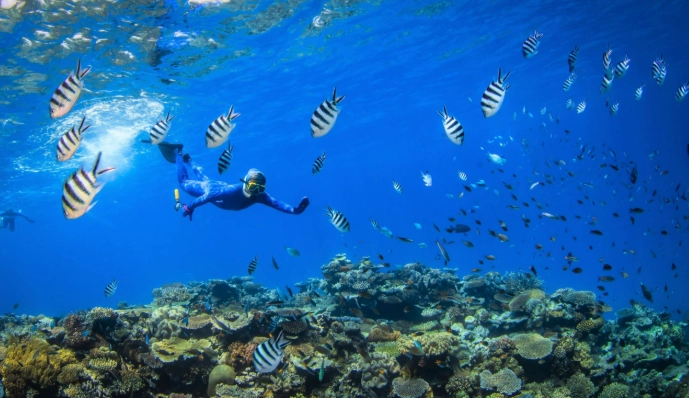
Protecting the Reef: Responsible Snorkeling Practices
The reef is fragile. It’s under stress from climate change. Our actions in the water matter.
- Never stand on or touch coral. Even a brush can kill the polyps. If you need to adjust your mask, float on your back.
- Use reef-safe sunscreen. Chemicals like oxybenzone and octinoxate bleach coral. Brands like Stream2Sea or Badger are good. Mineral-based zinc is best. Apply it 15 minutes before getting wet.
- Don’t chase or harass wildlife. Give turtles and sharks space. Never ride a turtle.
- Choose eco-certified operators. Look for Advanced Ecotourism Certification or membership in Great Barrier Reef Marine Park Authority (GBRMPA) programs. Their fees contribute directly to reef management.
- Take all your rubbish back. Even apple cores.
It’s a privilege to visit. Let’s keep it alive for the next person.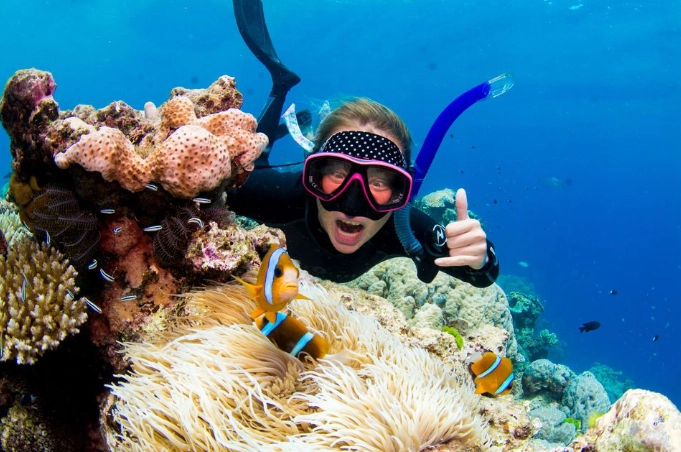
Reader Comments