Explore the Guide
- Understanding Hawaii's Ocean Conditions
- The Case for Morning Snorkeling
- The Case for Afternoon Snorkeling
- Location, Location, Location: It Changes Everything
- Who Should Snorkel in the Morning? Who Should Choose Afternoon?
- Beyond Morning vs Afternoon: Other Critical Timing Factors
- Common Questions (And Straight Answers)
- Putting It All Together: A Simple Decision Framework
So you're planning a trip to Hawaii and you've got your snorkel gear ready. Or maybe you're figuring out where to rent it. Either way, one question keeps popping up: is it better to snorkel in the morning or afternoon in Hawaii?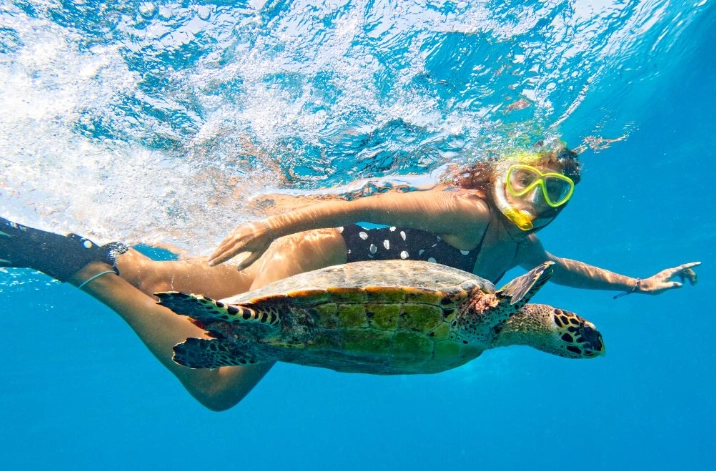
I've asked myself the same thing countless times. I remember my first trip to Maui, staring at the ocean at 7 AM, wondering if I should just jump in or wait. The truth is, there's no single perfect answer that fits everyone. It depends on what you're looking for, where you are, and honestly, what kind of traveler you are.
Some people swear by the early morning calm. Others love the afternoon light. After spending more time in Hawaiian waters than I probably should admit, I've learned it's a balancing act. Let's break it down so you can make the best call for your own adventure.
Understanding Hawaii's Ocean Conditions
You can't really talk about timing without understanding how the ocean here behaves. It's not like a swimming pool. It has moods, rhythms, and a schedule of its own, largely dictated by the wind.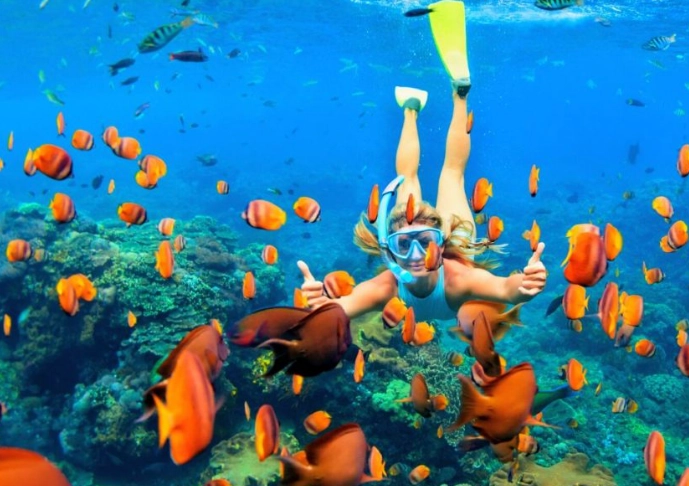
The Trade Wind Effect
Hawaii is famous for its trade winds. These are consistent breezes that blow from the northeast. For snorkelers, this is the single biggest factor in the morning vs afternoon debate. Generally, these winds are lighter in the morning and pick up as the day heats up. More wind means more waves, more surface chop, and stirred-up sand. That means poorer visibility.
I learned this the hard way at Molokini Crater off Maui. We went on an afternoon trip once, and the wind had whipped up the channel so much that the visibility dropped from the legendary 100+ feet to maybe 30. It was still cool, but it wasn't the crystal-clear experience I'd hoped for. The guide just shrugged and said, "Shoulda been here this morning."
That's the classic pattern: calm mornings, windier afternoons. But it's not a hard rule. Sometimes the trades are light all day. Sometimes they're strong from sunrise. Checking a reliable marine forecast is non-negotiable. Don't just look at the weather app on your phone; look for specific wind and wave forecasts for your exact coastline. The National Weather Service's Honolulu marine forecast is my go-to resource for a big-picture view.
Key Factors to Consider
When you're weighing morning versus afternoon, you're really weighing a bunch of smaller factors against each other. Let's lay them out side-by-side.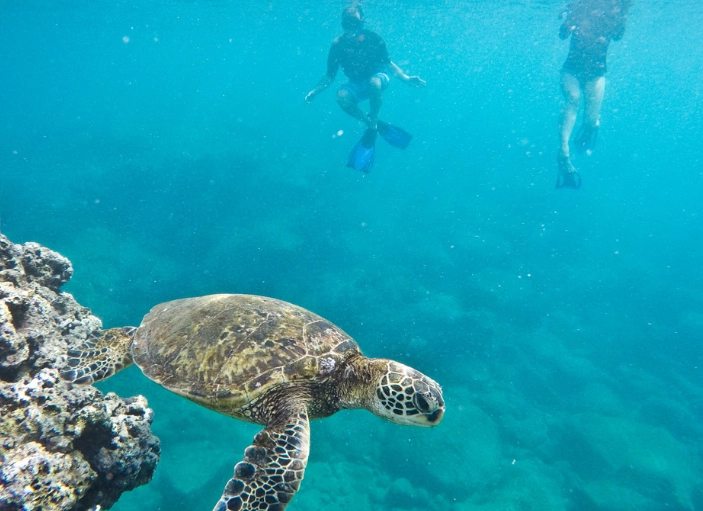
| Factor | Morning Snorkel (Generally) | Afternoon Snorkel (Generally) |
|---|---|---|
| Wind & Waves | Typically calmer. Less wind, smaller waves, smoother surface. | Wind often picks up (trades). Can mean choppier water, more current. |
| Water Visibility | Often at its best. Less wind-stirring, settled overnight. | Can decrease as wind stirs up sand and sediment. |
| Crowds | Fewer people at popular shore spots. Tour boats arrive later. | More crowded. Locals and tourists are out, tours are in full swing. |
| Sunlight & Glare | Sun is lower, less glare on the water surface. Light is softer. | Sun is high, can cause glare. Better light penetration for deeper views. |
| Marine Life Activity | Many fish are actively feeding. Reef is "waking up." | Different species may be active. Turtles often come ashore to bask in sun. |
| Your Energy Level | You're fresh. Good for longer, more energetic sessions. | You might be tired from other activities. Heat can be draining. |
| Logistics | Requires early wake-up. Parking is easier. | More relaxed start. Can follow other plans. Parking can be a nightmare. |
That table gives you the textbook comparison. But Hawaii doesn't always follow the textbook.
The Case for Morning Snorkeling
Let's dive deeper into why mornings get so much love. It's not just hype.
The calm is real. There's a peacefulness to the ocean in the early hours that's hard to beat. The water is often like glass, especially in protected bays. This isn't just about comfort; it's about safety and visibility. Calm water means you're not fighting a current just to stay near your entry point. It also means all that sand and fine silt has had all night to settle, giving you the clearest possible window into the underwater world.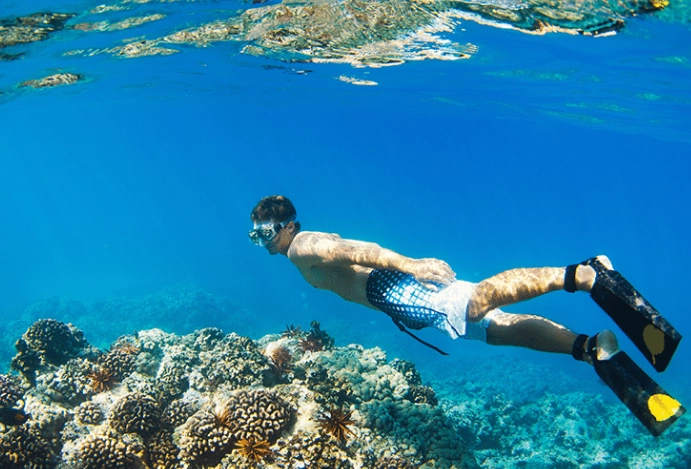
Crowds are a huge factor. If you're snorkeling from shore at a place like Hanauma Bay on Oahu or Kapalua Bay on Maui, getting there at opening time is a completely different experience than showing up at noon. You'll have your pick of spots, the fish won't be spooked by a hundred splashing feet, and you can find a moment of solitude. The difference is staggering.
Then there's the light. The morning sun is at a lower angle. This reduces the glare on the surface of the water, making it easier to see down from above. Some people argue the midday sun is better for lighting up the depths, and they have a point, but for general snorkeling where you're looking at things 5-20 feet down, the morning light is glorious and easy on the eyes.
The Case for Afternoon Snorkeling
Okay, so mornings sound perfect. Why would anyone choose the afternoon? Plenty of good reasons, actually.
First, let's talk about reality. Not everyone is a morning person. Forcing yourself out of bed at 6 AM on vacation can feel like a punishment. If you're grumpy and sleepy, you're not going to enjoy the experience, no matter how clear the water is. An afternoon snorkel after a leisurely breakfast and some coffee might be the right choice for your mood and travel style. Enjoyment matters.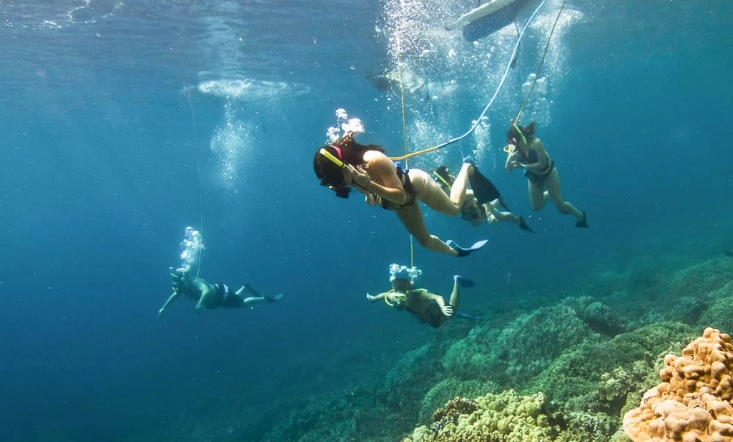
Second, the sun's position. While it can cause glare, the high midday and afternoon sun penetrates deeper into the water column. If you're in a deep, clear area (like over a wall or a deep bay), the afternoon light can illuminate scenes that are shadowy in the morning. The colors can pop differently.
Third, marine life patterns. Sea turtles, especially the Hawaiian Green Sea Turtles (Honu), often haul themselves onto beaches to rest and warm up in the afternoon sun. While you should never approach them on land (it's illegal and stressful for them), you're more likely to see them swimming to or from these basking spots in the later hours. Their behavior isn't on our morning/afternoon schedule.
Fourth, logistics and tours. Many of the best snorkel spots are only accessible by boat. And guess what? Not all boat tours are morning tours. Some of the most popular ones, like sunset snorkels or afternoon rafts to the Na Pali Coast on Kauai, offer a unique vibe. The crowds from the morning charter flotilla have often cleared out by mid-afternoon, too.
I've had fantastic afternoon snorkels at Poipu Beach on Kauai's south shore. The wind pattern there is different, and some days it's actually calmer later. It taught me that the island and even the specific coast you're on changes everything.
Location, Location, Location: It Changes Everything
Asking "is it better to snorkel in the morning or afternoon in Hawaii?" is like asking if it's better to drive a car or a truck. It depends where you're going! Hawaii has microclimates and varied coastlines. Here’s a quick island-by-island, coast-by-coast reality check.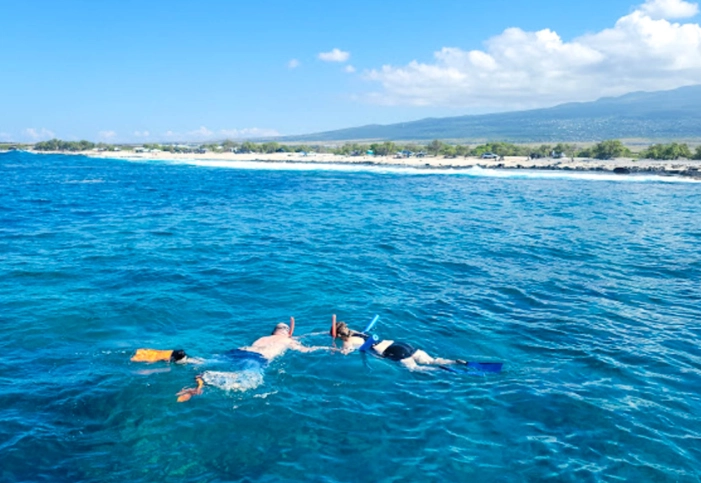
Oahu
South Shore (Waikiki, Hanauma Bay): Summer is the calm season here. Mornings are typically glassy, but afternoons can be fine too. In winter, south shore gets big swells, making many spots unsafe regardless of time. Morning is almost always better for beating the Hanauma Bay crowds.
North Shore (Shark's Cove, Three Tables): A winter snorkeling destination. Massive waves in summer make it dangerous. On a calm winter day, mornings are usually calmer before any afternoon breeze. Parking is a fight anytime.
Windward Coast (Kailua, Lanikai): Directly exposed to trade winds. Morning is almost mandatory for calm conditions. By afternoon, the wind can howl, making snorkeling unpleasant and visibility poor.
Maui
West Maui (Ka'anapali, Kapalua): Protected by the West Maui Mountains. Often calm in mornings, can get a bit breezy in afternoon but usually manageable. Morning wins for serenity.
South Maui (Wailea, Makena): Similar to West Maui. Very reliable morning conditions. Afternoon wind can pick up but is often less intense than north-facing shores.
Molokini Crater: This offshore islet is all about the morning. The channel between Maui and Molokini gets notoriously rough in the afternoon. Most reputable tours only go in the morning for this reason.
Big Island
Kona Coast: The leeward (western) side. Famously calm. You can often snorkel here beautifully any time of day. Morning is still less crowded and sun is less intense. Two-Step (Honaunau Bay) is a classic where timing matters less than tide.
Kohala Coast: Also leeward. Very similar to Kona. Afternoon snorkeling is very viable here.
Kauai
South Shore (Poipu): The year-round snorkeling hub. Can be good morning or afternoon, but mornings are generally calmer. Summer south swells can muddy afternoon visibility.
North Shore (Ke'e, Tunnels): A summer-only snorkel area. Winter waves close it down. On a calm summer day, morning is pristine. Afternoon trade winds can affect it.
See what I mean? The "best" time is tied directly to your pin on the map. A blanket statement just doesn't work.
Who Should Snorkel in the Morning? Who Should Choose Afternoon?
Let's make this personal. Which profile fits you?
You're a Morning Snorkeler if:
- You naturally wake up early, even on vacation.
- You have young kids who are up at dawn anyway.
- You're a first-timer or less confident swimmer (calm water is safer).
- You're a photographer chasing the best visibility.
- You hate crowds and love having a piece of paradise to yourself.
- You're visiting a windward (east/north) coast.
- You're planning to snorkel a famous, crowded spot like Hanauma Bay.
- You have other big plans (like a road to Hana drive) for the afternoon.
You're an Afternoon Snorkeler if:
- You are not a morning person. Period.
- You want a relaxed, slow-paced vacation vibe.
- You're on the leeward (west/south) coast of an island on a calm day.
- You're doing a specific afternoon boat tour.
- You want to combine snorkeling with a beach picnic or sunset views.
- Your morning is booked with something else (a hike, a coffee farm tour).
- You're adaptable and have a sheltered backup plan if the wind kicks up.
For me, I'm a morning person by nature, so I lean that way. But I've planned perfect vacation days around an afternoon snorkel, too. It's about fitting the activity into your overall rhythm.
Beyond Morning vs Afternoon: Other Critical Timing Factors
Focusing only on time of day misses other huge pieces of the puzzle. If you really want to optimize your snorkel, you need to think about these too.
Tides Are a Big Deal
This is one most tourists ignore, but it's crucial. A low tide can expose sharp coral, making entry and exit tricky and dangerous. It can also concentrate fish in deeper pools. A high tide can cover the reef, giving you more room to swim over it without touching. But an incoming or outgoing current can be strong.
For many spots, a mid-to-high, incoming tide is considered ideal. It brings in clearer ocean water, allows easy access over reefs, and the current isn't at its peak. Check a local tide chart. The NOAA Tides & Currents site is accurate and free.
Weather Trumps Everything
A sunny morning forecast doesn't guarantee calm water. A rainy afternoon forecast doesn't mean you can't snorkel (rain often doesn't affect visibility immediately). You need to look at the marine weather: wind speed/direction, wave height, and swell direction. A south swell in summer will ruin south shore snorkeling any time of day. A strong trade wind warning means afternoon snorkeling on the windward side is a bad idea.
Don't guess. Use the resources. The National Weather Service Honolulu page is your best friend.
Seasonality
Hawaii has two main seasons: summer (kau) from May to October, and winter (ho‘oilo) from November to April. This affects which sides of the islands are calm.
- Summer: South and west shores are generally calm. North and east shores get summer south swells which can be big, making snorkeling risky.
- Winter: North and east shores get massive, famous waves. Snorkeling there is often out of the question. South and west shores become the calm, snorkel-friendly zones.
So your choice of island and coast might be dictated by season before you even get to the time-of-day question.
Common Questions (And Straight Answers)
Barely, if at all. The ocean's temperature is massive and doesn't heat up significantly in a few hours of sun. The difference is negligible to a snorkeler. You won't feel it.
Different fish are active at different times. Many reef fish feed actively in the morning. Parrotfish, for example, are often busy munching on coral at dawn. Afternoon might bring out different species. Turtles are less tied to clock time and more to their own routines. You can see amazing things at any time.
This is critical. Regardless of when you go, please use only mineral-based, reef-safe sunscreen (with zinc oxide or titanium dioxide as the active ingredients). Chemical sunscreens (oxybenzone, octinoxate) are banned in Hawaii because they harm coral reefs. This isn't a marketing gimmick; it's law. Apply it generously and often. A rash guard shirt is the best sun protection of all.
Morning. It has the highest probability of good conditions across the most locations. Get an early start, snorkel for a couple of hours, and have the rest of the day free without worrying about wind ruining your plans.
This is a great question. The calm morning water is safer from a conditions standpoint, but the "buddy system" is a cardinal rule of snorkeling for a reason. Always go with someone. If you must go alone, tell someone exactly where you're going and when you'll be back. Stick to very popular, lifeguarded beaches even if you're early. Safety first, always.
Putting It All Together: A Simple Decision Framework
Feeling overwhelmed? Don't be. Here's a simple flow for your planning.
- Pick Your Spot: Based on your island and the season, choose a known, safe snorkeling location.
- Check the Marine Forecast: The night before, look at wind and wave forecasts for the next day. Is it calling for strong afternoon trades? If yes, lean morning.
- Check the Tide: What's the tide doing at your chosen spot? Aim for a mid-to-high, incoming tide if possible.
- Be Honest About Yourself: Are you a morning person? Does your group include small kids? Factor in your own energy and preferences.
- Have a Plan B: If you're set on an afternoon snorkel and the forecast looks iffy, know a more sheltered backup beach you can pivot to.
For the highest chance of calm, clear, uncrowded conditions, the morning has the edge. It's the safer, more reliable bet, especially for first-timers and on windward coasts. But the afternoon is far from a write-off. It can offer a more relaxed pace, unique light, and fantastic experiences, particularly on leeward shores or on specialized tours.
The real secret isn't picking the "perfect" time in a vacuum. It's understanding the factors—wind, location, tide, crowds—and making an informed choice that fits your day, your location, and your style. Sometimes that means a 7 AM dash to beat the crowds. Sometimes it means a lazy 3 PM float after a nap.
Whichever you choose, go in with respect for the ocean, slather on that reef-safe sunscreen, and keep your eyes open. The underwater world of Hawaii is waiting for you, morning and afternoon alike.
Reader Comments