Your Snorkeling Safety Roadmap
- The Non-Negotiables: Core Snorkeling Safety Equipment
- The Safety Layer: Gear That Turns a Trip into a Secure Adventure
- Choosing Your Gear: A Practical Comparison
- The Pre-Snorkel Safety Ritual
- Maintenance: Making Your Snorkeling Safety Equipment Last
- Answering Your Snorkeling Safety Questions
- Putting It All Together: The Mindset of Safe Snorkeling
Let's be honest. When most people think about snorkeling, they picture colorful fish, clear blue water, and that iconic J-shaped tube sticking out of their mouth. Safety? That's often an afterthought. I get it. I was the same way when I first started. I rented a mask and snorkel from a beach shack, slapped on some fins, and thought I was good to go. It wasn't until I found myself drifting further from shore than I intended, with a leaky mask and a cramp starting in my calf, that I realized how wrong I was. That experience, which was more scary than fun, completely changed my perspective.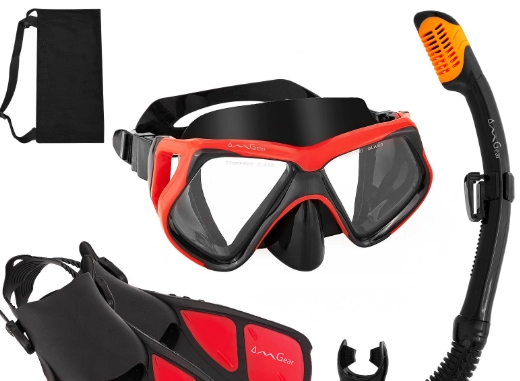
Snorkeling is an incredible way to connect with the ocean, but the ocean doesn't care about your vacation plans. It's a dynamic, powerful environment. The right snorkeling safety equipment isn't about being paranoid; it's about being prepared. It's the difference between a minor inconvenience and a serious situation. It's what lets you relax, focus on the beauty below, and actually enjoy the experience.
This guide isn't a dry list of gear. It's a deep dive into the why and how of every piece of equipment that can keep you safe. We'll look at the absolute essentials, the "nice-to-haves" that can become lifesavers, and the common mistakes people make (I've made most of them myself). Whether you're a first-timer buying your first set or a seasoned snorkeler looking to upgrade your kit, understanding your snorkeling safety equipment is the most important skill you can have before you even get wet.
The Non-Negotiables: Core Snorkeling Safety Equipment
These are the big three. You can't snorkel without them, and getting them wrong is the root cause of most bad experiences. This is where your investment and attention should go first.
The Mask: Your Window to the World
A good mask is everything. If you can't see, you can't enjoy the reef, and more importantly, you can't spot potential hazards. A leaky, foggy mask is distracting and dangerous.
Forget the fancy colors for a second. The fit is king. The skirt (the soft part that seals against your face) should be made of high-quality silicone—it's softer, more durable, and less likely to cause an allergic reaction than cheaper PVC. Press the mask to your face without the strap, inhale gently through your nose, and let go. If it stays suctioned for a few seconds, you've got a good seal. Check for gaps, especially across the bridge of the nose and under the eyes.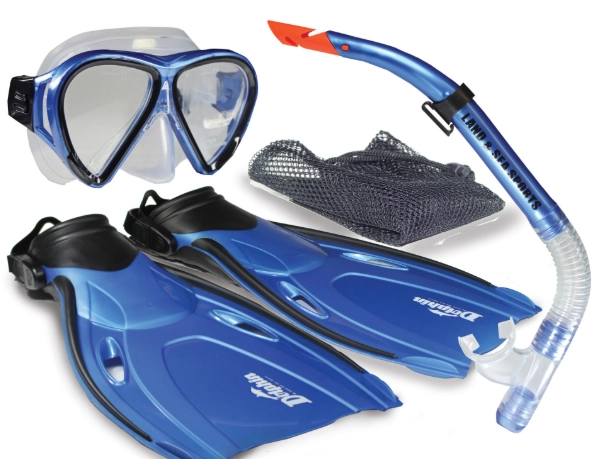
Lens type matters too. A single lens offers a wider, uninterrupted view, which I personally prefer. Twin lenses can sometimes be easier to fit if you have a narrower face. Tinted lenses are great for bright surface glare, but clear lenses are better for dimmer conditions or under overhangs.
The Snorkel: Your Lifeline to Air
That simple tube is your connection to the surface. The debate between simple J-tubes, semi-dry, and dry snorkels is endless. Here's my take, based on years of trial and error.
A basic J-snorkel is reliable and has no moving parts to fail. But if a wave hits you, you're drinking the ocean. A semi-dry snorkel has a splash guard at the top, which deflects most water but won't stop a full submersion. A dry snorkel has a clever float valve mechanism that seals the tube the moment it goes underwater.
I recommend a dry-top snorkel for beginners and anyone snorkeling in choppier water. That automatic seal is a huge confidence booster. However, they can be slightly harder to clear if water does get in, and the mechanism can sometimes stick if sand gets in it. For calm, clear water purists, a simple snorkel is still a valid choice.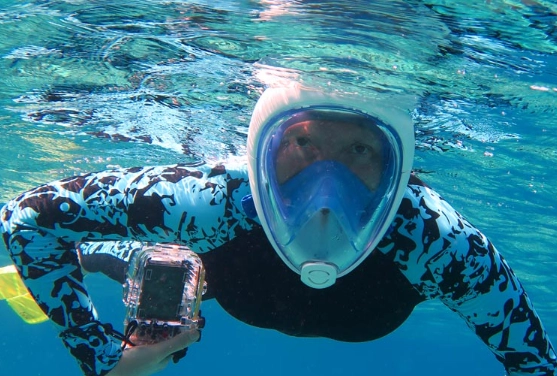
The mouthpiece is critical. It should be soft silicone and fit comfortably without making you bite down too hard. Jaw fatigue is a real thing on longer snorkels.
Fins: Your Power and Stability
Fins aren't just for speed. They're your primary safety device for maneuvering against a current, conserving energy, and getting back to the boat or shore efficiently. Weak kicking with poor fins is exhausting.
You've got two main choices: full-foot and open-heel. Full-foot fins are like slip-on shoes, great for warm water and walking from the beach. Open-heel fins require booties, which protect your feet from rocks, hot sand, and urchins. They offer more power and adjustment but are bulkier.
Stiffness is key. Softer fins are easier on your legs but less efficient. Stiffer fins transfer more power but require stronger leg muscles. For general snorkeling, a medium-flexibility fin is the sweet spot.
The Safety Layer: Gear That Turns a Trip into a Secure Adventure
Okay, you've got the basics. Now let's talk about the snorkeling safety equipment that separates the casual swimmer from the prepared snorkeler. This is where you address real risks.
Flotation: The Ultimate Safety Net
This is the most important piece of safety gear after the mask. Even strong swimmers get tired. Cramps happen. Currents can surprise you. A flotation device keeps you at the surface with minimal effort, allowing you to rest, signal, or deal with a problem.
- Snorkel Vest: This is the most common. It's an inflatable bladder you wear like a vest. You can orally inflate it for buoyancy or keep it slightly inflated for just a bit of help. The best ones have a manual CO2 cartridge for instant inflation in an emergency. They're low-profile and don't restrict movement.
- Pool Noodle or Swim Buoy: A simple, cheap, and effective option. A bright-colored swim buoy (a dry bag you tow) serves double duty: it provides something to hold onto and makes you highly visible to boats.
- Full Life Jacket (PFD): For snorkeling in areas with boat traffic, strong currents, or with less confident swimmers, a Type III personal flotation device is the safest choice. It's bulkier but provides guaranteed, hassle-free buoyancy.
Not wearing some form of flotation is the number one safety mistake I see.
Exposure Protection: It's Not Just About Being Cold
Sunburn and hypothermia are slow, insidious threats. A rash guard or a thin wetsuit (even a 1mm "skin") does three crucial things:
- Sun Protection: A physical UPF 50+ barrier against UV rays is far more reliable than sunscreen, which washes off and harms coral reefs.
- Thermal Protection: Water conducts heat away from your body 25 times faster than air. Even in 80°F (27°C) water, you can get chilled after an hour, leading to fatigue and poor judgment.
- Abrasion Protection: It shields your skin from accidental scrapes against coral, rock, or even the boat ladder.
Signaling and Communication Devices
How do you get help if you need it? Your voice won't carry far over the sound of waves and wind.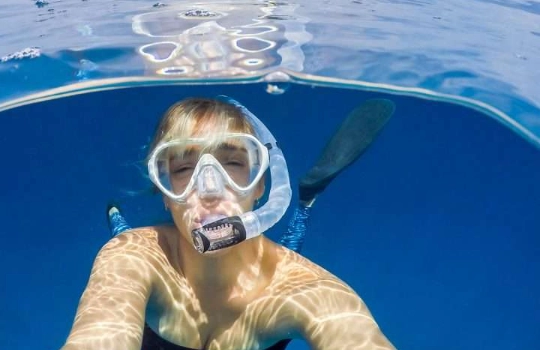
- A loud, waterproof whistle attached to your vest or snorkel.
- A small, bright safety sausage (surface marker buoy). When inflated, this 6-foot tall orange tube makes you visible from over a mile away.
- A mirror for signaling aircraft or distant boats with flashes of sunlight.
- A waterproof VHF radio or a dive alert device (a pressurized air horn) for serious offshore excursions.
Choosing Your Gear: A Practical Comparison
Let's break down the different types of key snorkeling safety equipment to help you decide what's right for your specific needs. This table compares the most common types of snorkels—a source of much confusion.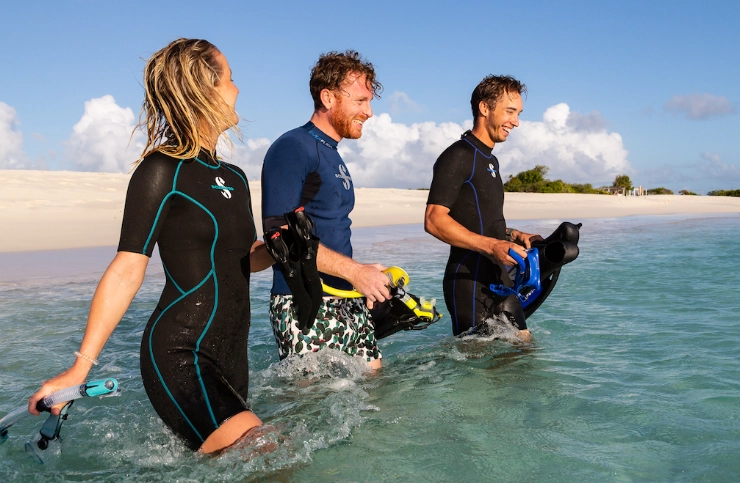
| Snorkel Type | How It Works | Best For | Potential Drawback |
|---|---|---|---|
| Classic J-Tube | Simple open tube. | Calm, flat water; experienced users who want simplicity. | No protection from wave splash; requires manual clearing. |
| Semi-Dry Snorkel | Has a splash guard (baffle) at the top to deflect water. | Most recreational snorkeling in mild conditions. A good balance. | Not fully sealed; can still take on water if submerged. |
| Dry Snorkel | Features a float valve that seals the tube when submerged. | Beginners, choppy water, or anyone who wants maximum water exclusion. | Slightly more expensive; mechanism can occasionally stick; can be harder to purge if flooded. |
| Flexible Snorkel | Has a flexible, corrugated section near the mouthpiece. | Comfort; reduces jaw fatigue and strain on the mouthpiece. | The flexible joint can be a point of wear over time. |
The Pre-Snorkel Safety Ritual
Gear is useless if you don't use it right. This is my non-negotiable routine before I even step into the water. It takes five minutes and has prevented countless headaches.
- Buddy Check: Always snorkel with a partner. Check each other's gear. Is the mask strap twisted? Is the snorkel attached properly? Is the vest inflator working?
- Fit Check: Adjust all straps—mask, fins, vest. They should be snug but not cutting off circulation. Do the fin strap buckles work smoothly?
- Function Test: In shallow water, practice clearing your snorkel (a sharp exhale). Practice putting your mask on and clearing it (tilting your head back, pressing the top, exhaling through your nose). Inflate and deflate your vest. Blow your whistle.
- Plan & Communicate: Point out your entry/exit points. Agree on a hand signal for "I'm tired," "Look at this," and "Go back." Discuss currents and landmarks.
Maintenance: Making Your Snorkeling Safety Equipment Last
Saltwater, sun, and sand are brutal. Rinse EVERYTHING with fresh water after every use. Not just a quick splash—a thorough rinse inside and out. Pay special attention to snorkel purge valves and vest inflator mechanisms; salt crystals will jam them. Store gear out of direct sunlight in a cool, dry place. Silicone will degrade and become brittle if baked in a hot car or shed. Check straps and buckles for wear before each trip. A broken fin strap in the middle of a bay is a real pain.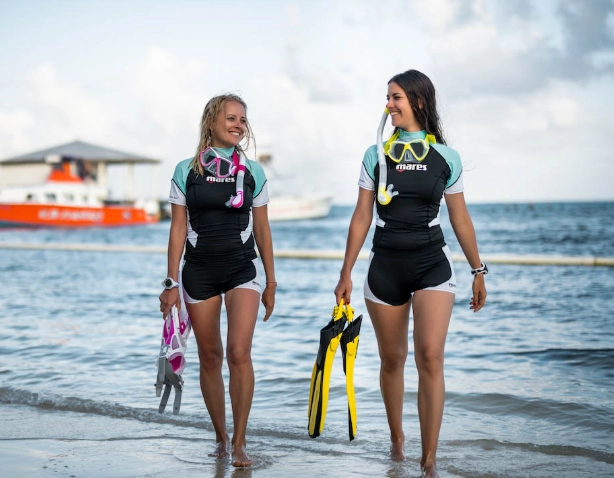
Answering Your Snorkeling Safety Questions
Let's tackle some of the specific questions I hear all the time, and that you're probably searching for.
Do I really need a snorkeling vest if I'm a strong swimmer?
Yes. It's not about swimming ability; it's about conservation and emergency preparedness. Fatigue can hit anyone. A vest allows you to rest effortlessly, keep your head above water to look around and orient yourself, and signals to boats that you are a snorkeler, not just a swimmer. It's an essential part of a complete snorkeling safety equipment kit for all skill levels.
What's the best way to keep my mask from fogging?
As mentioned, saliva is the classic hack and it works. Rub a small amount on the inside of the lenses, then give it a quick dunk in the water. Don't rub it off. For a commercial solution, look for a dedicated mask defog gel. Avoid using toothpaste on modern masks—it can be too abrasive. The real secret? Make sure the mask is surgically clean of any oils (from skin, sunscreen, etc.) before applying any defogger.
Are full-face snorkel masks safe?
This is a hot topic. Full-face masks, which cover your eyes, nose, and mouth, have been controversial. Early models had significant risks of CO2 buildup if the design didn't allow for proper air exchange. While newer designs from reputable brands have addressed many of these issues with separate inhalation/exhalation chambers, I remain cautious. They can be prone to leaking if you have facial hair or an unusual face shape, and clearing them if they flood is more complicated. For beginners, I still believe a traditional mask and separate dry snorkel is the safer, more reliable foundation for your snorkeling safety equipment.
How much should I spend on good snorkeling safety equipment?
Don't cheap out on the core items. A $50 mask that fits perfectly is worth ten times more than a $20 mask that leaks. You can get a reliable, complete mid-range set (mask, dry snorkel, fins, vest, bag) from a reputable brand for $150-$250. This will last for years with proper care. It's a one-time investment for countless safe adventures. Compare that to the cost of a single day's rental for a family over multiple vacations—owning your gear is cheaper in the long run, and you know its history and fit.
Putting It All Together: The Mindset of Safe Snorkeling
Ultimately, the best snorkeling safety equipment is between your ears. It's the knowledge to check conditions (never snorkel in rough surf or strong offshore winds), the humility to turn back if you're tired, the awareness to watch for boat traffic, and the respect for marine life (look, don't touch).
Your gear is a toolset that empowers that mindset. A well-fitted mask lets you see clearly. A comfortable snorkel lets you breathe easily. Fins give you control. A vest gives you rest. A whistle gives you a voice.
I still remember the panic of my early, under-prepared snorkel. Now, with the right kit and routine, the moment I slip into the water is one of pure, tranquil excitement. The gear disappears, and I'm just… there, floating effortlessly, completely immersed in the silent world below. That's the goal. Safety isn't the opposite of fun; it's the foundation of it. By carefully selecting and using your snorkeling safety equipment, you're not preparing for disaster—you're ensuring that your only memories are of wonder, not worry.
Now go gear up, and see what's out there.
Reader Comments