You've seen the pictures. Crystal clear water, colorful fish gliding past, maybe a turtle. You want that. But the idea of breathing through a tube while floating face-down? It can feel a bit strange, even intimidating. That's where most guides stop – they tell you to "just relax." Not helpful.
Learning to snorkel isn't just about buying gear and jumping in. It's about understanding a few simple principles that turn a clumsy, breath-holding struggle into effortless, hour-long exploration. I've been guiding snorkel tours for over a decade, and I've seen every mistake in the book. The good news? They're all avoidable.
This guide is for the absolute beginner. We'll skip the fluff and get straight to what you need to know to confidently explore the underwater world on your next vacation.
What You'll Learn in This Guide
How to Choose Your Snorkeling Gear (The Right Way)
Renting gear is fine for a one-off try. But if you plan to snorkel more than once, or value hygiene and comfort, buying your own mask and snorkel is a game-changer. Here’s what to look for, cutting through the marketing jargon.
The Mask: Fit is Everything
Forget brand names for a second. A mask must seal to your face without the strap. Here's the test no one does but should: Place the mask against your face without putting the strap over your head. Inhale gently through your nose. The mask should suction to your face and stay put when you let go of it and hold your breath. If it falls, it leaks.
Check for hair in the way (eyebrows count!). The skirt (the soft part) should sit flat against your skin. A common mistake is choosing a mask that's too big, thinking it's more comfortable. It's not – it just floods.
Pro Tip: If you have a mustache, you'll likely get a small leak. Some divers use silicone grease, but for snorkeling, you just learn to clear it occasionally. It's rarely a big issue.
The Snorkel: Simple is Best
You'll see snorkels with splash guards, dry-top valves, purge valves, and even GoPro mounts. For a beginner, a simple J-shaped snorkel with a comfortable mouthpiece is perfect. The fancy "dry" snorkels (with a float valve at the top) can be harder to clear if they do get water in them. A basic one is cheaper, more reliable, and teaches you the fundamental skill of clearing water.
The mouthpiece should feel soft and not make you gag. Really, that's it.
Fins: Your Underwater Engine
Fins make moving through the water effortless. For snorkeling, you want full-foot fins (like slippers) that fit snugly without socks. They're easier to travel with and use. If your feet are between sizes, size up. Blisters from tight fins ruin a day.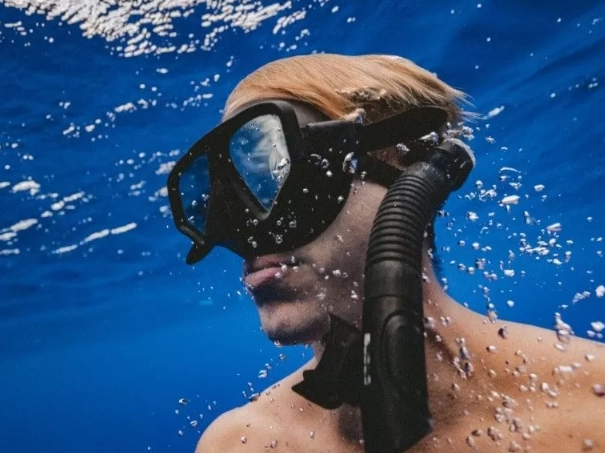
Don't buy the longest, stiffest fins you see. A medium-flex, medium-length fin provides plenty of power without cramping your calves.
| Gear Item | What to Look For | Common Pitfall to Avoid |
|---|---|---|
| Mask | Perfect seal test (suction test), tempered glass lens, low volume (smaller interior space). | Choosing based on looks over fit. A leaking mask is miserable. |
| Snorkel | Simple J-shape, soft silicone mouthpiece, tube diameter comfortable for your breathing. | Over-complicating it with too many valves. They can fail or create drag. |
| Fins | Full-foot design, snug fit (size up if needed), medium flexibility. | Getting fins that are too stiff or long, which exhaust your legs. |
Mastering the Art of Breathing (This is the Key)
This is the mental hurdle. Breathing through your mouth while your face is in water feels unnatural. Our instinct is to hold our breath.
You must fight this instinct. Snorkeling is about slow, deep, relaxed breathing. In through the mouth, out through the mouth. Long, steady cycles.
Practice on Land First
Seriously. Sit on the edge of your bed or a chair. Put your mask and snorkel on. Breathe. Listen to the sound of your breath. Get used to the feeling of the mouthpiece. Practice exhaling forcefully – this is how you'll clear water from the snorkel.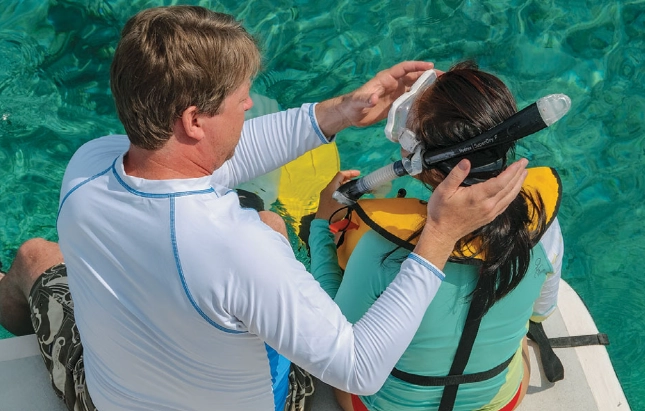
Your First Time in the Water
Go to a calm, shallow pool or a protected beach area. Stand where the water is waist-deep.
1. Put your gear on.
2. Bend at the waist and put your face in the water.
3. Breathe. Focus on making each breath slow and audible. In... out... in... out.
4. When you're ready, lift your feet and float.
The moment you feel panic, stand up. It's that simple. You're in control. Try again. Most people get the rhythm in under five minutes.
The Biggest Mistake: Hyperventilating (taking short, quick breaths). This leads to lightheadedness and increases panic. It also fogs your mask faster. Consciously slow your breathing down. Think meditation, not cardio.
Clearing Your Snorkel
A wave splashes you, or you dive down a bit. Water gets in the tube. No problem. When you surface, exhale a sharp, powerful blast of air through the snorkel. This "blast clearing" forces all the water out the top. Then resume normal breathing. Practice this in shallow water by intentionally filling the snorkel and clearing it.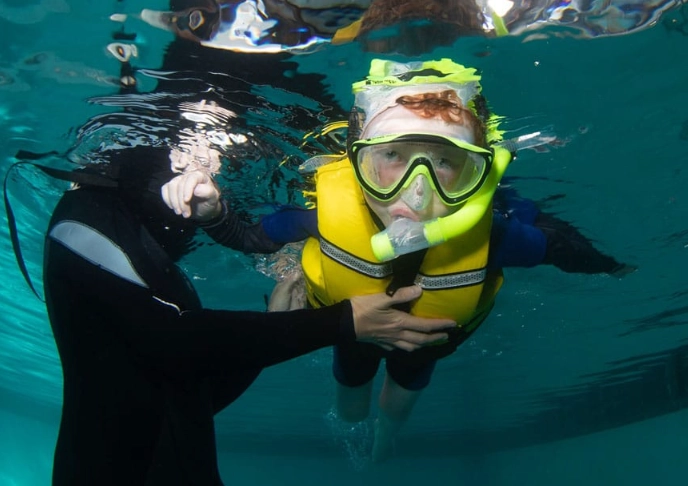
Snorkeling Safety: The Non-Negotiables
Snorkeling is safe, but the ocean demands respect. These rules aren't suggestions.
Never Snorkel Alone. Use the buddy system. Always. Point out cool things to each other, and keep an eye out.
Check Conditions. Is there a strong current? Are waves breaking on the shore? A spot that was calm yesterday can be dangerous today. Look for posted signs or ask a local lifeguard or tour operator. Resources like the National Oceanic and Atmospheric Administration (NOAA) provide weather and marine forecasts.
Conserve Energy. Use your fins gently. Float more than you kick. If you feel tired, head back. Currents can be stronger than they appear from shore.
Look, Don't Touch. This is for your safety and the environment. Coral is alive and fragile – touching it kills it. Many marine creatures (like sea urchins, certain fish, or coral itself) can sting, cut, or bite in defense. Buoyancy control is key; practice floating horizontally without kicking the reef.
Sun Protection is a Safety Issue. A rash guard or wetsuit top is better than sunscreen, which can harm coral reefs. If you use sunscreen, ensure it's "reef-safe" (mineral-based, without oxybenzone and octinoxate). Burn and dehydration ruin trips.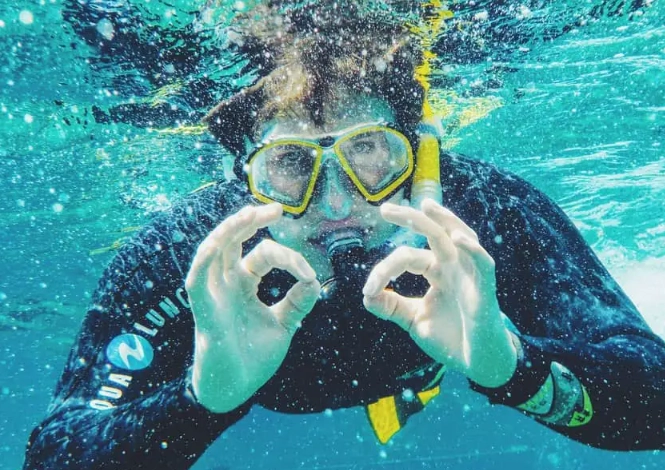
Choosing Your First Snorkeling Spot
Your first time shouldn't be in big surf or strong currents. You want a forgiving environment.
Look for:
- Protected Bays or Lagoons: These are often shielded from wind and waves.
- Sandy Entry Points: Easier to enter/exit than rocky shores.
- Calm, Clear Water: Visibility reduces anxiety. Murky water is disorienting.
- Reefs or Rocks a Short Swim from Shore: Gives you a goal but doesn't require a long journey.
Consider joining a guided tour for your first ocean experience. A good guide will choose a safe site, provide briefings, and give you confidence. They'll often point out wildlife you'd miss.
Some classic beginner-friendly destinations include Hanauma Bay (Oahu, Hawaii – requires reservation), Trunk Bay (St. John, USVI), or many of the reef-protected beaches in the Florida Keys or the Caribbean. Always research local conditions and regulations before you go.
Snorkeling Questions You Were Afraid to Ask
I'm not a strong swimmer. Can I still snorkel?
Yes, but you must take extra precautions. Always use a flotation device – a snorkel vest (often provided on tours) is ideal. It's inflatable, so you can add just enough air to feel buoyant and confident. Never venture into deep water or areas with current. Stick to shallow, calm, protected areas and always have a strong swimmer as your buddy. Consider taking a basic swimming lesson to build water comfort; it makes a huge difference.
My ears hurt when I go down even a little bit. What's wrong?
That's water pressure. As you descend, pressure increases on your eardrums. You need to "equalize." Pinch your nose through the mask skirt and gently try to blow air out of your nose. You'll feel a pop or relief in your ears. Do this early and often as you go down, before you feel pain. If you feel pain, ascend a foot or two and try again. Never force it. If you have a cold or congestion, it may be very difficult or impossible to equalize safely.
How do I stop my mask from fogging up?
The classic trick is to spit in the mask, rub it around the lens, then give it a quick rinse. It works because saliva creates a surfactant layer. Baby shampoo diluted with water is a more pleasant, pre-trip solution. The key is to never touch the inside of the lens after treating it – the oils from your fingers cause fog. Rinsing with sea water is fine. Avoid commercial defoggers unless they're proven to be reef-safe.
I panic when water gets in my snorkel. What should I do?
This is the core skill. First, remember you can always lift your head. The panic comes from forgetting that. When water enters, your airway is still clear above the water in the tube. Don't inhale yet. Tilt your head slightly back, then exhale a sharp, strong blast. This clears 95% of snorkels instantly. If a bit remains, a second smaller exhale usually does it. Practice this in chest-deep water until it becomes a calm, automatic reaction.
What's one piece of advice you give every beginner?
Slow down. Tourists often rush into the water, swim frantically to see everything, and exhaust themselves in 20 minutes. The magic of snorkeling reveals itself to the still and patient. Find a spot over some coral or sand, relax your body, and just float. Breathe slowly. Watch. The fish will come to you. The turtle will amble by. You'll see more by doing less. It's not a race; it's floating meditation with a fantastic view.
Reader Comments