Let's be real. When you picture the Maldives, you see overwater bungalows, blindingly white sand, and water so blue it looks photoshopped. It's pure paradise marketing. And it mostly is. But here's the thing nobody tells you straight up: paradise has rules. It has quirks. And if you blunder in ignoring them, your dream trip can get stressful, expensive, or even cut short. I learned some of this the slightly awkward way on my first visit. So, let's skip the fluff and talk plainly about what you should be careful of in the Maldives. This isn't about fear, it's about being smart so you can relax completely.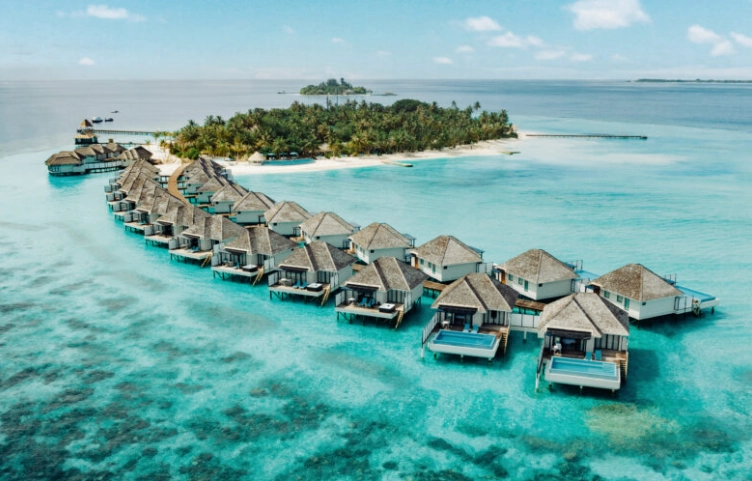
Quick Navigation
We're covering everything from that brutal sun you're not ready for to the cultural nuances that'll earn you respect from locals. Consider this your pre-trip briefing.
Before You Even Pack: The Pre-Trip Checklist
Getting this part wrong sets a bad tone. It's not just about your swimsuit.
Paperwork and Money
First, the easy bit. A tourist visa is granted on arrival for most nationalities, but you must have a few things in order. Your passport needs at least six months' validity from your date of entry. Sounds obvious, but you'd be surprised. Also, you need proof of onward travel (a flight ticket out) and confirmed accommodation booking. They might not always check meticulously at immigration, but why risk it?
Now, money. The Maldivian Rufiyaa (MVR) is the local currency, but US dollars are widely accepted, especially in resorts. However, if you're planning a visit to a local island (which you should, it's fantastic), you'll need smaller Rufiyaa notes. ATMs are available in Male' and on larger local islands, but don't expect them on every resort island. Inform your bank you're traveling. I once had my card blocked because a transaction from a tiny island shop looked "suspicious" to my bank's algorithm. Not fun.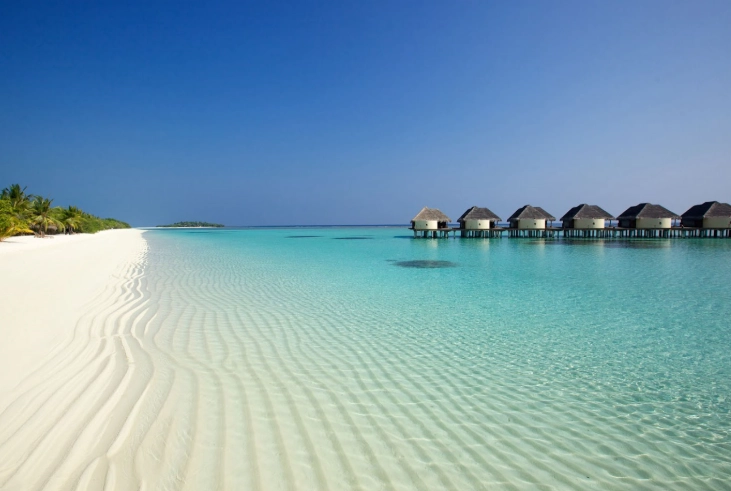
Choosing Your Base: Resort vs. Local Island Guesthouse
This is the biggest decision affecting your experience. They're almost two different countries.
| Aspect | Private Resort Island | Local Island Guesthouse | |
|---|---|---|---|
| Atmosphere | Secluded, quiet, couples/families focused. Often alcohol-friendly. | Lively, authentic, mix of travelers and locals. Strictly no alcohol. | |
| Cost | High. Everything is imported. Food/drink packages are almost mandatory. | Budget to mid-range. Meals are more affordable, local cafes exist. | |
| Cultural Interaction | Minimal. You interact with staff, not necessarily the "local" community. | High. You walk through villages, see daily life, chat with shop owners. | |
| What to be careful of | Hidden costs (water sports, spa), potential for monotony if you're not a beach bum. | Dress code (covered shoulders/knees), no public alcohol, finding pork. | |
| Freedom | All-inclusive bubble. Less need to plan. | More independent. You book your own excursions, choose where to eat. |
My take? If it's a honeymoon and you just want to disconnect, a resort is perfect. If you want to feel the pulse of the country and stretch your budget, do a split stay—a few days on a local island, then a few in a resort. It gives you the full picture.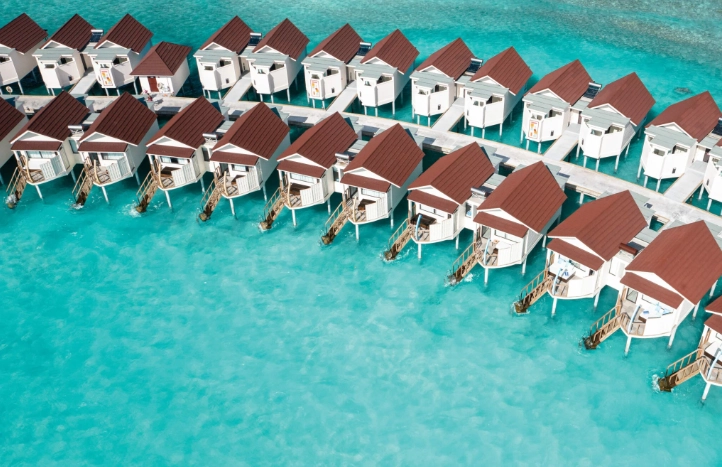
On the Ground: Health, Safety & Daily Smarts
This is the core of what you should be careful of in the Maldives. Most issues are preventable.
The Sun and Sea: Your Biggest Foes (and Friends)
The equatorial sun is no joke. It's intense year-round. A bad sunburn on day one can ruin your week. I made this mistake once, thinking "I tan easily." I spent the next 48 hours indoors, slathered in aloe vera, missing out on snorkeling.
- Reef-Safe Sunscreen: This is non-negotiable. Chemicals like oxybenzone and octinoxate in regular sunscreen kill coral reefs. The Maldives has banned such sunscreens. You must bring or buy mineral-based sunscreen (zinc oxide, titanium dioxide). It might leave a slight white cast, but it's a small price to pay. Check the official Visit Maldives website for their environmental guidelines.
- Application Strategy: Apply SPF 50+ liberally 30 minutes before going out. Reapply every two hours, and immediately after swimming or sweating. Don't forget the tops of your feet, ears, and the back of your neck.
- Hydration: You're in the sun, in salt water. Dehydration and heat exhaustion creep up fast. Drink way more water than you think you need. Resort water from dispensers is usually desalinated and safe. On local islands, stick to sealed bottled water.
Food and Water Safety
Generally, food hygiene in resorts and reputable guesthouses is excellent. The risk is low. But here's where you should be careful of in the Maldives regarding your stomach.
Seafood is incredible and fresh. But if you have a sensitive stomach, maybe ease into it. The spice level in local Maldivian food (like Mas Huni) can be high—ask for "mild" if you're not sure.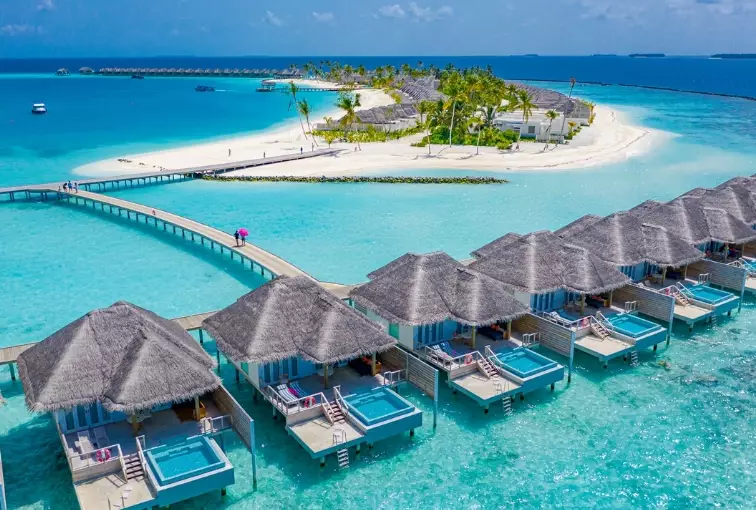
Marine Life and Water Activities
The ocean is the main attraction, but it demands respect.
- Coral is Sharp & Fragile: Never stand on coral. It kills decades of growth instantly and can give you nasty, slow-healing cuts. Always wear reef shoes when walking in shallow water.
- Currents: Currents around channels between islands can be surprisingly strong. Always heed local advice and warning flags. Don't snorkel alone.
- Marine Life: Admire from a distance. Stonefish and lionfish are beautiful but venomous. Don't touch anything. Moray eels may peek from holes but are shy. The mantra is: look, don't touch. For authoritative safety info, the CDC's travel pages often have good general water safety advice.
If you're diving, use a reputable operator. Check their equipment and ask about their safety protocols. Your vacation isn't the time to go for the cheapest option.
Cultural Sensitivity: Don't Be That Tourist
The Maldives is a 100% Muslim nation. While resorts are liberal bubbles, local islands follow Islamic customs. Disrespecting this is a major part of what you should be careful of in the Maldives.
Dress Code Off-Resort
On local islands, both men and women should dress modestly. This means covering shoulders and knees. For women, loose-fitting clothes, maxi dresses, and a light scarf are ideal. Swimwear is strictly for designated "Bikini Beaches" (areas specifically roped off for tourists to swim in regular attire). You cannot walk from your guesthouse to the beach in a bikini. It's deeply offensive.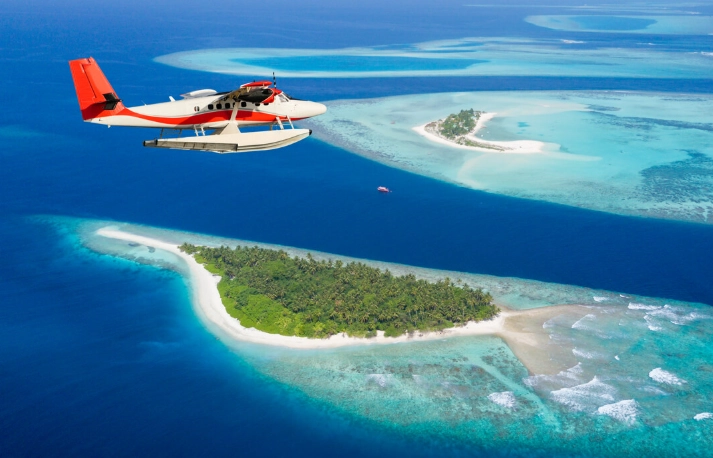
Even when on a dhoni (local boat) excursion, if you're passing by local islands, cover up. It's a sign of respect that locals genuinely appreciate.
Behavior and Interactions
Public displays of affection (beyond maybe holding hands) are frowned upon everywhere, even in some resorts. Keep it low-key.
During the holy month of Ramadan, eating, drinking, or smoking in public on local islands during daylight hours is prohibited by law. Resorts operate normally, but be discreet if you're traveling between islands.
Always ask permission before taking photos of people, especially women and children. A smile and a gesture with your camera is usually enough.
Environmental Responsibility: It's Fragile
You're visiting a nation that's 99% ocean and barely above sea level. Your actions matter.
We already covered reef-safe sunscreen. Beyond that:
- Single-Use Plastic: The Maldives has a huge plastic waste problem. Many islands have limited recycling. Refuse plastic straws, bring a reusable water bottle (some resorts have refill stations), and use a reusable bag.
- Waste: Don't litter. Ever. Not even a cigarette butt. The ocean is their livelihood.
- Supporting Conservation: Choose tour operators and resorts that have clear eco-policies. Some have marine biologist programs or coral regeneration projects you can learn about or even participate in. The Maldives Marine Magazine is a great local resource highlighting conservation efforts.
It feels good to know your visit isn't harming the very beauty you came to see.
Logistics and Annoyances
Some practical headaches you can avoid.
Transportation Between Islands
If you're island-hopping, schedules for public ferries are… flexible. They can change due to weather or demand. Always confirm the day before. Speedboats and domestic flights are faster but much more expensive. Factor this into your budget and itinerary. Missing a connection can be costly.
Connectivity
Wi-Fi in resorts is usually good (but sometimes slow). On local islands, it can be patchy. Buying a local SIM card at the airport (Dhiraagu or Ooredoo) is a cheap and reliable way to get data. It saved me when my guesthouse Wi-Fi was having an off day.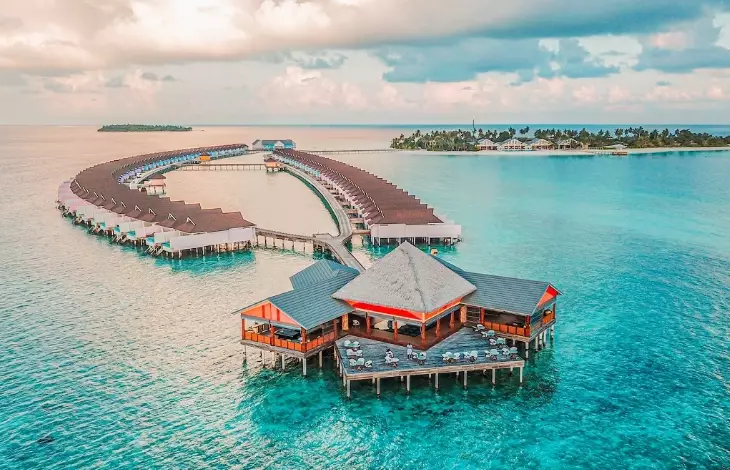
What to be careful of in the Maldives regarding costs?
Everything imported is pricey. A bottle of wine in a resort can be $50+. Excursions add up. Read the fine print on your "all-inclusive" package—does it include motorized water sports? Premium brand drinks? Transfer from the airport? Often, it's just meals and local house drinks.
Bargaining isn't common in fixed-price shops, but you can try for a small discount on souvenirs or if booking a private boat trip directly with a captain. Be polite about it.
Health Precautions and Insurance
This is crucial. While the Maldives is generally safe, medical facilities on remote islands are basic. Serious issues require a transfer to Male' or even medical evacuation to another country.
- Travel Insurance: Do not, I repeat, do not skip this. Get a policy that specifically covers scuba diving (if you plan to dive), water sports, and medical evacuation. The peace of mind is worth every penny. I never travel without it.
- Vaccinations: Routine vaccinations should be up-to-date. Hepatitis A and Typhoid are recommended by travel health agencies as you can get them from contaminated food/water. Check the CDC Maldives Travel Page for the most current health advice.
- Mosquitoes: They exist, especially after rain. While malaria risk is very low, dengue fever occurs. Use a good repellent, especially at dawn and dusk.
A small personal first-aid kit with plasters, antiseptic, anti-diarrheal meds, and painkillers is a smart addition to your luggage.
Pulling It All Together: Your Mental Checklist
So, what should I be careful of in the Maldives? It boils down to a mindset of respectful awareness.
You're not just going to a beach; you're entering a unique cultural and environmental ecosystem. A little preparation goes an incredibly long way. Pack the right sunscreen, pack modest clothes for local visits, pack your patience for island time, and pack out your respect for the people and the place.
Do that, and you won't just have a holiday. You'll have an experience that feels good, deep down, because you know you did it right. The Maldives will reward that respect with memories that are truly priceless.
A: Yes, generally very safe, especially in resorts and on organized trips. On local islands, dress modestly and use common sense as you would anywhere. Opt for well-reviewed guesthouses. Harassment is rare, but unwanted attention can happen—a firm "no thank you" usually suffices.
Reader Comments