Forget everything you think you know about snorkeling over pristine, sandy bottoms. Rocky shore snorkeling is a different beast entirely. It's less about floating effortlessly over coral gardens and more about a tactile, hands-on exploration of one of the ocean's most dynamic and rugged environments—the intertidal zone. I've been doing this for over a decade, and I can tell you, my first few rocky shore adventures were a comedy of errors. I stepped on a sea urchin, slipped on algae more times than I can count, and completely misjudged the tide. But once you get it right, there's nothing like it. You're not just observing; you're interacting with a world of resilient creatures in tiny, crystal-clear pools and hidden crevices.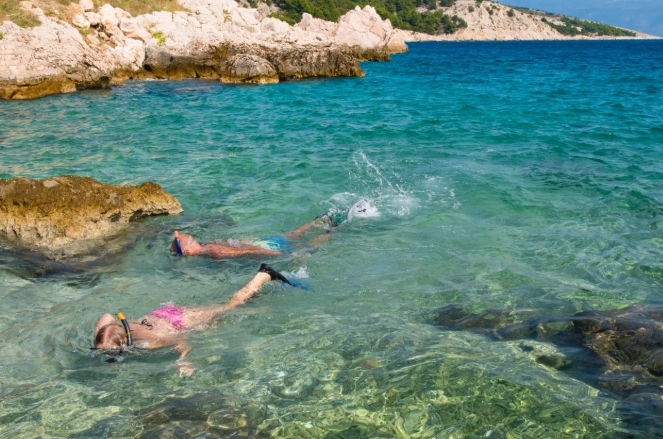
This guide isn't just a list of tips. It's the manual I wish I'd had, packed with hard-earned lessons on staying safe, choosing gear that won't fail you, and finding those magical spots where the rocky coast reveals its secrets.
Your Quick Guide to Rocky Shore Snorkeling
Why Choose Rocky Shore Snorkeling Over Coral Reefs?
If coral reefs are the bustling, colorful cities of the sea, rocky shores are the intimate, rugged villages. You get up close and personal here. The water is often shallower and clearer right near the shore, especially in protected coves. You don't need a boat. You just need to know how to get in safely.
The biodiversity is astonishing, but it's a different cast of characters. You're looking for what can survive the pounding waves and changing tides.
- Tide Pool Specialists: Brightly colored sea stars (ochre stars, bat stars), resilient anemones that look like gelatinous flowers, scuttling hermit crabs, and camouflaged sculpins.
- Kelp Forest Adjacent: Many rocky shores are fringed with kelp forests. Glide through the towering stalks and you might spot a curious harbor seal or an octopus tucked into a crack.
- Accessibility: This is the biggest win. Some of the best rocky shore snorkeling is a 10-minute walk from a parking lot. It's perfect for a spontaneous afternoon adventure.
But here's the non-consensus part everyone misses: the best viewing isn't always at high tide. A falling tide can trap fascinating creatures in isolated pools, giving you a stationary, aquarium-like view. Time it wrong, though, and you'll be scrambling over exposed, slippery barnacles.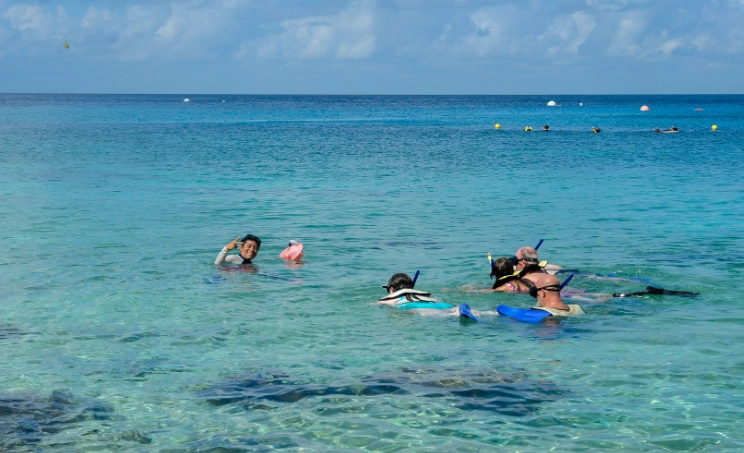
How to Choose the Right Rocky Shore Snorkeling Gear?
Your standard tropical snorkel set will get you laughed at—or injured—on a rocky shore. The gear philosophy here is protection and stability.
Footwear is Everything
This is the most critical piece. Flip-flops are a death wish. Neoprene booties are okay, but only if they have a thick, rigid sole. I made the switch to dedicated reef shoes or amphibious hiking sandals years ago and haven't looked back. Brands like Keen or Merrell make models with aggressive tread and toe protection. You need something that grips wet, slimy rock and can take a knock from a hidden urchin spine.
Gloves Are Not Optional
You will use your hands to steady yourself. Barnacles are like underwater razor blades. A simple pair of neoprene gardening gloves or sailing gloves will save your palms from getting shredded. They also give you the confidence to gently move aside a bit of seaweed to peer underneath.
The Rest of Your Kit
Mask & Snorkel: A low-volume mask with a good seal is key, as you'll be looking down into narrow crevices. A dry-top snorkel is highly recommended to prevent a mouthful of water when a small wave surprises you.
Exposure Protection: Even in "warm" water like Southern California (60-68°F / 15-20°C), you'll get cold. A 3mm or 5mm wetsuit is essential. It's not just for warmth; it's your second layer of skin against scrapes and stings from hydroids or jellyfish.
Safety Add-on: A small, brightly colored dive float or buoy is a great idea. It makes you visible to boats and kayakers, and you can clip a waterproof bag to it for your keys and a sip of water.
Pro Tip from a Guide: Test your gear on land first. Walk around your backyard in your booties and gloves. Does anything rub? If it's uncomfortable dry, it will be miserable wet. Break in your footwear before the big day.
Safety First: Navigating Slippery Rocks, Tides, and Marine Life
Rocky shore snorkeling demands more situational awareness than any other type. Let's break down the big three risks.
1. The Tide is Your Boss
Ignoring tides is the number one mistake. You need a tide chart, not a guess. Apps like Tide Alert or data from the National Oceanic and Atmospheric Administration (NOAA) are your bible.
- Best Entry/Exit: Aim to enter about an hour before high tide. This gives you the deepest, calmest water over the rocks for the longest period. You'll exit as the tide is going out, but before your entry point becomes a treacherous, barnacle-covered slope.
- Never Turn Your Back: "Sneaker waves" are real. Even on a calm day, a larger set of waves can roll in. Always keep an eye on the ocean.
2. The Art of Not Slipping
There's a technique to walking on submerged rocks. Move slowly and deliberately. Place your entire foot down flat to maximize grip. Use your hands on dry (or drier) rocks for balance. Avoid areas covered in thick, hair-like algae—it's the slipperiest. Seek out rock surfaces with mussels or barnacles; they provide surprising traction.
3. Respectful (& Safe) Wildlife Interaction
You're in their living room. Sea urchins are common. Don't step on them. Their spines break off and can cause a painful, festering wound. If you see an octopus, admire it from a distance. Poking or chasing it stresses the animal and it might ink, ruining the visibility for everyone.
Know how to identify potential hazards. Is that pretty, translucent blob a harmless salp or a stinging jellyfish? A quick check of a regional marine life guide before you go is time well spent. The Marine Conservation Society often has great ID resources for local shores.
Critical Rule: Never snorkel alone on a rocky shore. Have a buddy on shore watching you, or even better, in the water with you. If you twist an ankle on the rocks or get a bad cramp, you need help immediately.
What are the Best Rocky Shore Snorkeling Destinations?
Location is everything. Here are three world-class spots that showcase the diversity of rocky shore snorkeling. I've picked these based on accessibility, unique biology, and personal experience.
| Destination & Region | What Makes It Special | Key Practical Info | Best Time to Visit |
|---|---|---|---|
| La Jolla Cove, San Diego, California, USA | A protected marine reserve with clear water, giant kelp forests, and the famous "Marine Room" rocky shelves. Frequent sightings of leopard sharks (harmless), garibaldi (bright orange fish), and harbor seals. | Address: 1100 Coast Blvd, La Jolla. Parking: Street parking or paid lots fill up fast by 9 AM. Facilities: Restrooms and showers at the small beach. Entry: Use the sandy beach at the Cove, swim out to the rocky edges. | Late summer/early fall for warmest water (up to 70°F/21°C) and best visibility. Aim for a morning high tide. |
| Porthkerris Cove, The Lizard, Cornwall, UK | A stunning example of temperate rocky shore snorkeling in Europe. Dramatic geology, jewel anemones in a rainbow of colors, spider crabs, and maybe even a curious grey seal. Less crowded than famous Mediterranean spots. | Address: Porthkerris, near Manacles. Parking: On-site pay-and-display. Facilities: A dive center on site offers air fills and advice. Entry: Direct from the rocky/shingle beach on the left side of the cove. | Spring through autumn. Water temps peak around 15-17°C (59-63°F) in late summer. A 5mm wetsuit, hood, and gloves are mandatory. |
| Hanauma Bay Nature Preserve, Oahu, Hawaii, USA | While famous for its reef, the bay's rocky eastern and western edges are snorkeling gems. Less crowded, more nooks for octopus and moray eels, and fascinating lava rock formations. Requires a reservation. | Address: 7455 Kalanianaʻole Hwy. Reservations: Must book online in advance. Fee: $25 per person, includes educational video. Entry: Walk to the far left (Koko Head side) for the best rocky areas. | Year-round. Morning hours offer calmest conditions. Avoid days with strong southerly swells. |
My personal favorite? Porthkerris on a calm July day. The density of life on those rocks is humbling, and having a cup of tea at the dive center café afterwards is the perfect British ending to an adventure.
Reader Comments