Let's be honest. We grab our mask and fins for the magic, for the weightless glide over gardens of coral, the silent parade of fish. But that magic is fragile. I've seen spots I loved ten years ago now struggling, the colors muted. Snorkeling conservation isn't about taking the fun away; it's the exact opposite. It's about making sure that magic is still there for the next snorkeler, and the next generation. It's the simple shift from being just a visitor in the ocean to becoming its active guardian. This guide cuts through the noise and gives you the real, actionable steps that make a difference, based on what marine biologists and veteran guides actually say works.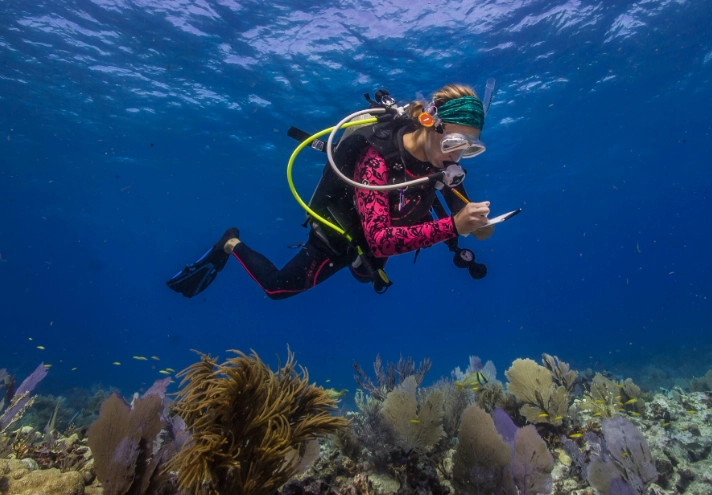
What's Inside This Guide?
Why Your Snorkel Fin Matters: The Ripple Effect
You might think one person can't possibly affect a vast reef. That's the biggest misconception. Coral polyps, the tiny animals that build reefs, are incredibly sensitive. A single, clumsy fin kick can break decades of growth. Sunscreen chemicals from one swimmer can contaminate a large area, according to research cited by the National Oceanic and Atmospheric Administration (NOAA).
The problem compounds. One person touches a turtle for a photo, and soon everyone thinks it's okay. That turtle might stop feeding or coming to that cleaning station. We're not just passive observers; our presence changes the environment. But here's the good news: that also means our responsible presence can be a positive force. By following a few key rules, we reduce stress on marine life, prevent physical damage, and even support local economies that depend on a healthy ocean. It's the foundation of true regenerative tourism.
How to Practice Snorkeling Conservation: A Step-by-Step Action Plan
Forget vague advice. Here’s exactly what to do, from the moment you pack to when you get out of the water.
Before You Get Wet: The Prep Work
Your conservation effort starts on land. The most overlooked item? Your sunscreen. Most mainstream sunscreens contain oxybenzone and octinoxate, which studies have shown contribute to coral bleaching and DNA damage in larvae. It washes off you and into the water. The fix is simple: use a mineral-based, reef-safe sunscreen with non-nano zinc oxide or titanium dioxide as the active ingredient. Brands like Raw Elements or Badger are solid choices. Better yet, wear a rash guard or a full swim shirt. It's more effective than sunscreen anyway and creates zero pollution.
Next, do a quick gear check. Make sure your mask strap, snorkel, and fin straps are secure. A flapping fin strap can whip against coral. Adjust everything on the boat or beach, not while hovering over a reef.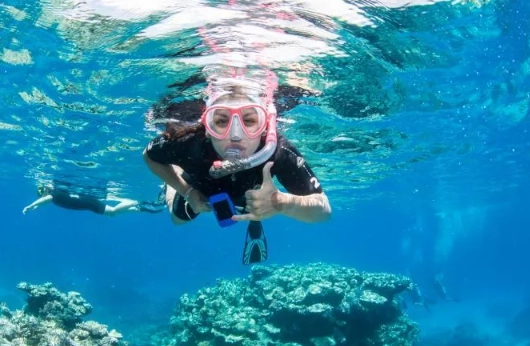
In the Water: Mastering Your Buoyancy and Movement
This is the core skill. Perfect buoyancy means you float without effort, neither sinking nor rising. If you're constantly kicking to stay up, you're a hazard. Use a snorkel vest if you need to—it's not cheating, it's being responsible. When you swim, use slow, deliberate flutter kicks from the hips, not frantic knee-bending kicks that stir up sand and silt. Sand can smother coral.
Keep your hands to yourself. It sounds obvious, but the temptation is real. Touching coral, even gently, can remove its protective mucus layer, opening the door to disease. Chasing or cornering fish stresses them and wastes their precious energy. The best photos come from patience, not pursuit.
Here’s a quick-reference table for your underwater conduct:
>Removes critical habitat and is often illegal| Do This | Avoid This | Why It Matters |
|---|---|---|
| Practice finning over sandy patches first | Kicking directly over coral heads | Prevents accidental breakage and silt clouds |
| Observe marine life from a calm distance | Chasing, touching, or feeding any animal | Reduces animal stress and prevents behavioral changes |
| Secure all gear before entering the water | Entering with loose straps or dangling gear | Prevents gear from dragging across or snagging on reef |
| Take only photos, leave only bubbles | Collecting shells, coral, or "souvenirs" |
After Your Snorkel: The Follow-Through
Rinse your gear with fresh water, especially if you've been in a marine protected area. This helps prevent transporting invasive species or pathogens to the next site. Talk about what you saw, not just the big stuff, but the healthy coral, the busy cleaner shrimp. Sharing positive observations builds a culture of appreciation.
A subtle mistake I see all the time: People focus so hard on not touching coral with their hands that they forget their entire body. Your knees, your belly, your camera housing—all of it needs to stay off the reef. If you need to adjust your mask, swim to a sandy bottom or float vertically. Never use the reef as a handrail.
Picking Your Partner: How to Choose a Truly Eco-Conscious Snorkel Operator
Not all tour companies are equal. A website saying "eco-friendly" means little. You need to dig deeper. Here’s how to vet them.
First, look for specific certifications. Are they a member of Green Fins? That's a UN-supported initiative with strict operational standards. Do they partner with a local marine NGO? Ask direct questions when you book: "What is your reef-safe sunscreen policy?" "Do you provide briefings on marine life interaction?" "How do you manage group size at the site?"
A good operator will have clear answers. They'll mandate reef-safe sunscreen (some even provide it), give a thorough briefing before you get in the water (not just on the ride over), and limit the number of people in the water at one time. They'll have a "no touch, no chase" policy and their guides will enforce it gently but firmly. I've been on trips where the guide spent the whole time herding people away from turtles—that's a good guide.
Be wary of operators that promise "swim with" specific animals like turtles or manta rays. This often leads to crowding and harassment. A better operator promises a chance to "observe" them in their natural behavior.
A Real-World Test: Snorkeling Conservation at Hanauma Bay
Let's look at a famous, heavily visited spot: Hanauma Bay Nature Preserve on Oahu, Hawaii. Decades ago, it was getting loved to death. The solution? A comprehensive conservation model.
Rules & Access: All first-time visitors must watch a 9-minute conservation video. The number of daily visitors is capped. It's closed every Tuesday to give the bay a rest. Admission is $25 for non-residents (as of this writing), which funds the preservation efforts.
On-Site Measures: Designated entry and exit points protect the reef edges. There are clear markers showing snorkel lanes over sandy channels. Touching or standing on coral is strictly prohibited, with lifeguards and volunteers monitoring. They have a mandatory reef-safe sunscreen policy—chemical sunscreens are banned.
The result? I've snorkeled Hanauma Bay over many years. The difference after these measures were fully implemented is noticeable. Fish populations are bolder, coral recovery is visible in areas, and the overall experience is more structured and less chaotic. It's proof that strong, enforced snorkeling conservation rules work, even under massive pressure. It's not a wilderness experience, but it's a masterclass in managing human impact.
Reader Comments