Quick Navigation
- Why Nadi is Your Perfect Snorkeling Basecamp
- The Top Snorkeling Spots Around Nadi: A Detailed Breakdown
- Snorkeling for Beginners: Don't Be Scared, Be Prepared
- What You'll Actually See: A Guide to Fiji Nadi's Marine Life
- Planning Your Snorkeling in Fiji Nadi Adventure: The Logistics
- Snorkeling Safely and Responsibly
- Frequently Asked Questions About Snorkeling in Fiji Nadi
Let's be real. When you think of Fiji, you see those impossibly blue waters, right? The kind of blue that doesn't look real until you're actually floating in it. And for a lot of us, the gateway to that dream is Nadi. It's where the main international airport is, it's the hub, the starting point. But here's the thing a lot of blogs don't tell you straight up: the absolute best snorkeling in Fiji Nadi isn't always right off the beach in front of your resort. Sometimes, you need to know where to look, and more importantly, how to look.
I've lost count of the times I've geared up, bit down on that snorkel, and plunged into what promised to be paradise, only to find... well, not much. Murky water, a bit of coral, a few fish. It's fine. But it's not the heart-stopping, jaw-dropping spectacle you flew halfway across the world for. That experience taught me that snorkeling in Fiji Nadi is less about luck and more about strategy.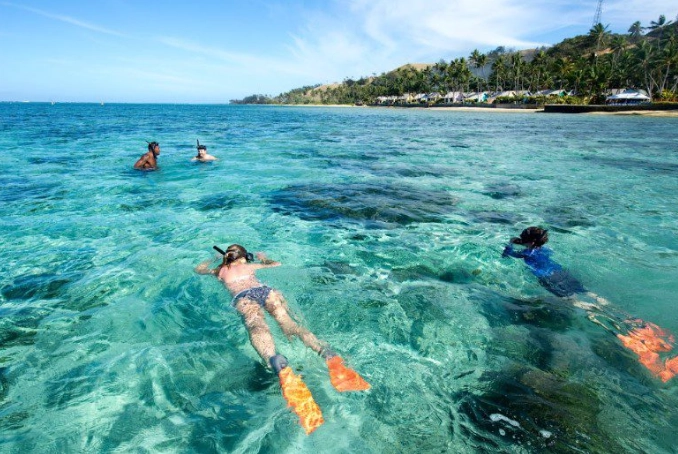
This guide is that strategy. We're going to move past the glossy brochures and get into the nitty-gritty. Where are the fish actually hanging out? Which spots are worth the boat ride (and which ones you can skip)? How do you not look like a total newbie while also not getting sunburned in places you didn't know could burn? Consider this your one-stop shop for planning a snorkeling trip in Fiji Nadi that you'll actually remember.
Why Nadi is Your Perfect Snorkeling Basecamp
Nadi gets a mixed reputation. Some people call it just a transit town, a place you rush through on your way to the Yasawas or the Mamanucas. I think that's selling it short. For snorkeling, Nadi's location is its superpower.
You're smack in the middle of the action. The Mamanuca Islands, which are home to some of the most famous and accessible reefs in the country, are just a short boat ride away. The Coral Coast, with its long stretches of fringing reef, is an easy drive south. This central spot means you have options. Fancy a day trip to a pristine island? Easy. Want to spend a few nights on a liveaboard boat exploring further afield? You're starting in the right place. Planning your snorkeling in Fiji Nadi adventure gives you this fantastic flexibility that more remote locations don't.
Logistics are easier here too. Need to rent gear that fits properly? More shops. Forgot your waterproof sunscreen? No problem. Want to book a last-minute trip based on the weather? Plenty of tour operators. It's the practical side of paradise.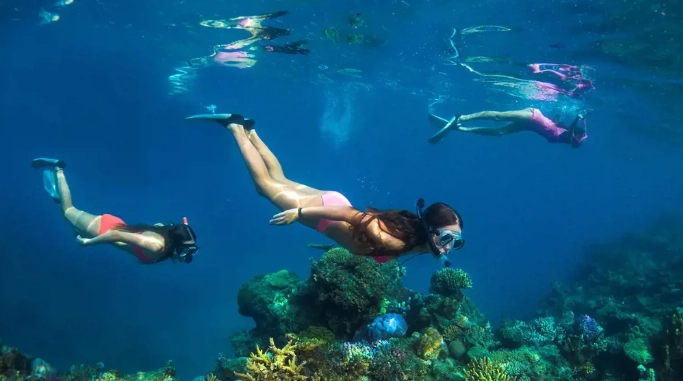
The Top Snorkeling Spots Around Nadi: A Detailed Breakdown
Okay, let's get to the good stuff. Where should you go? I've split this into two main categories: spots you can reach from the mainland/Viti Levu itself, and the absolute must-visit island day trips. This table should help you visualize the main contenders.
| Spot Name | Type (Mainland/Island) | Best For | How to Get There | Vibe & Notes |
|---|---|---|---|---|
| Malamala Beach Club Reef | Island (Mamanucas) | Everyone, especially beginners & families. Luxury vibe. | 45-min high-speed catamaran from Port Denarau. | Pristine, manicured island with a stunning house reef literally steps from the beach. Amazing coral gardens. Can get busy. |
| Plantation Island (Malolo Lailai) Reefs | Island (Mamanucas) | Families, groups, accessible snorkeling. | Resort boat transfer or day trip catamaran. | Several great snorkel spots around the island. The channel near the resort is famous for fish feeding (controversial, but a spectacle). Lots of soft corals. |
| Mana Island Reefs | Island (Mamanucas) | Adventurous snorkelers, coral diversity. | Resort transfer or day trip boat. | North Beach has a fantastic fringing reef. For stronger swimmers, the drift snorkel between Mana and Tavarua is legendary. |
| Natadola Beach | Mainland (Coral Coast) | Surfers & snorkelers combo, avoiding crowds. | ~1 hour drive south from Nadi. | Stunning, often called Fiji's best mainland beach. Snorkeling is best at the southern end near the headland at mid to high tide. Can be surfy, so check conditions. |
| Wailoaloa Beach Reef | Mainland (Near Nadi Airport) | Budget travelers, sunset snorkels, convenience. | 10-min drive from Nadi town. | It's not the Great Barrier Reef, but it's surprisingly decent for being so close! Easy access, good for a quick dip. Water clarity depends on tides and weather. |
Now, let's dig a bit deeper into a few of these.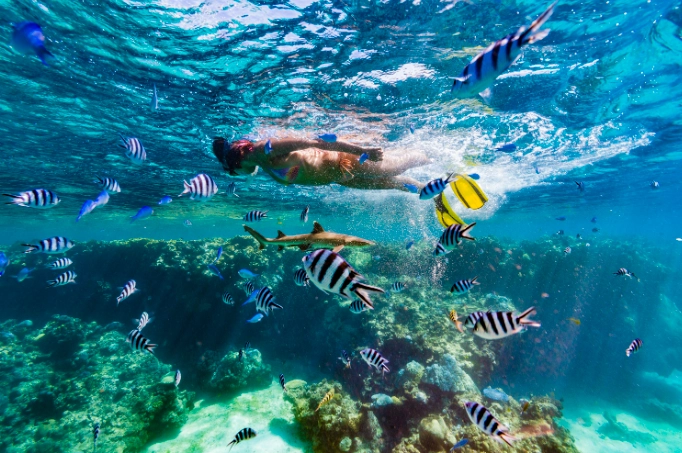
The Mamanuca Islands: Your Snorkeling Playground
This is where the magic happens for most people snorkeling in Fiji Nadi. The Mamanucas are a chain of about 20 islands, and the water between them is generally calm, clear, and teeming with life. The reefs here are mostly fringing reefs—they hug the shoreline of the islands—which makes them incredibly accessible.
Malamala Beach Club deserves its hype for first-timers. You pay for the access, but what you get is a flawless introduction. The reef is protected, the water is like an aquarium, and you can go from your sun lounger to swimming with parrotfish in 30 seconds. It takes the stress out of everything.
For something a bit more raw, Mana Island is my personal favorite from the day-trip options. The reef off North Beach is a sprawling maze of coral bommies (those big, isolated coral heads). You'll find yourself in canyons of coral, with light filtering down. It feels more wild. Just watch for the currents—they can pick up, so don't wander too far if you're not a confident swimmer.
The Coral Coast: Mainland Magic
Driving south from Nadi along the Queen's Road, you hit the Coral Coast. The name isn't a marketing gimmick—there's a massive fringing reef running parallel to the shore. This means, in theory, you can snorkel in many places. In practice, you need to find the right access points.
Natadola Beach is the crown jewel. It's a huge, sweeping bay. The snorkeling isn't right in the middle where everyone swims. Walk to the southern end, near the trees and the rocky headland. Enter the water there. You'll find a lively reef ecosystem that gets less traffic. The Fiji government's tourism site, Fiji.Travel, lists Natadola as a key attraction, and for good reason—it's a stunning all-rounder.
Further down the coast, around resorts like the Outrigger or the Shangri-La, you'll find house reefs that are often very good. Many of these resorts have reef conservation programs and marked snorkel trails, which is fantastic.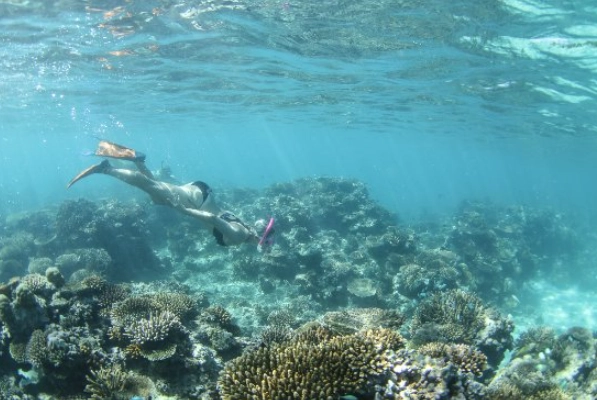
Snorkeling for Beginners: Don't Be Scared, Be Prepared
If you've never put your face in the water with a tube in your mouth, the whole idea can be intimidating. I was terrified my first time—convinced I'd swallow the ocean. Let me put you at ease.
Snorkeling is one of the easiest ways to access the underwater world. You don't need to be an Olympic swimmer. You mostly need to be comfortable floating and kicking gently. The key is good gear. A leaky mask or a snorkel that constantly fills with water will ruin your experience instantly.
Here’s a quick checklist I wish I had:
- Mask Fit is Everything: Before you even get on the boat, test your mask. Put it on your face (without the strap) and inhale slightly through your nose. It should suction to your face and stay put. If it falls, it leaks. Don't be shy about trying different sizes.
- Get a Dry Snorkel: Spend the extra $20. A dry snorkel has a mechanism that seals the top when you go under water. No more gulping a mouthful of seawater when a small wave hits. Total game-changer for confidence.
- Fins: They should be snug but not crush your toes. Blisters are no fun. Open-heel fins with adjustable straps are often more comfortable than full-foot pocket fins.
Now, the actual act of snorkeling. Breathe slowly and deeply through your mouth. The loud Darth Vader sound in your ears is normal. Look down and enjoy. If water gets in your snorkel, a firm exhale will usually blast it out. If you need to adjust your mask or just take a break, roll onto your back and float. Simple.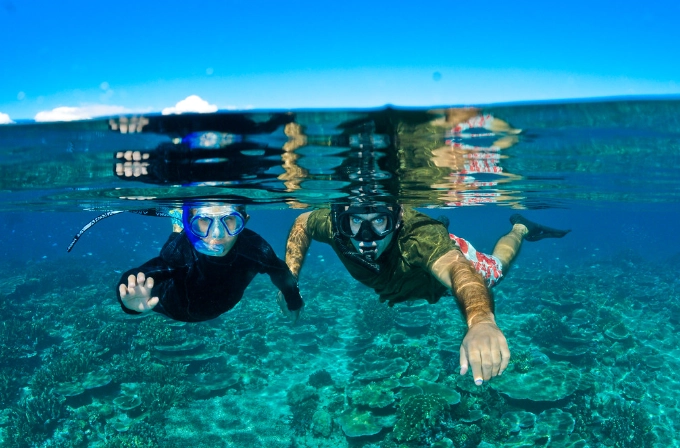
What You'll Actually See: A Guide to Fiji Nadi's Marine Life
This isn't just about blue water. It's about who lives there. The reefs around Nadi are bustling cities. Here’s a rundown of the usual suspects, so you can play marine biologist for a day.
The Coral Cast
The stage itself is alive. You'll see massive, brain-shaped boulder corals (they look like, well, giant brains). Delicate branching staghorn corals that form forests for fish to hide in. And my personal favorites, the soft corals—like sea fans and whips—that sway in the current like underwater trees. After major bleaching events, some areas are recovering, while others are stunningly vibrant. Organizations like the Coral Reef Alliance work globally on reef conservation, and seeing these ecosystems firsthand makes you understand why that work is so critical.
The Fish (The Colorful Locals):
- Parrotfish: You can't miss them. Big, chunky, and often neon blue or green. You'll hear them before you see them—a distinct crunching sound as they scrape algae off the coral with their beak-like teeth.
- Clownfish: Yes, Nemo lives here! Look for them darting in and out of the tentacles of sea anemones (those flowery-looking things). Don't get too close; the anemone sting doesn't bother the clownfish but it might bother you.
- Angel Fish & Butterflyfish: The elegant discs. Often in pairs, with striking patterns and colors. They seem to glide rather than swim.
- Surgeonfish: (Like the blue tang, aka Dory). Small, oval, and often in huge, shimmering schools. They have a sharp spine near their tail—hence the name.
- Reef Sharks: (Blacktip and Whitetip mostly). Don't panic. Seeing a 3-4 foot reef shark is common and an incredible experience. They are shy, uninterested in humans, and just cruising for a fishy snack. They're a sign of a healthy reef.
Other Cool Critters: Keep an eye on the sandy patches between coral heads for resting stingrays (don't step on them!). Look for moray eels poking their heads out of holes—they look grumpy but are just curious. And if you're incredibly lucky, you might spot a sea turtle coming up for air.
Planning Your Snorkeling in Fiji Nadi Adventure: The Logistics
A little planning turns a good trip into a great one. Let's talk timing, tours, and those all-important practicalities.
When to Go: It's More Than Just Sunny vs. Rainy
Fiji has a dry season (May-Oct) and a wet season (Nov-Apr). For snorkeling in Fiji Nadi, the dry season is prime time. Skies are clearer, rainfall is lower, and underwater visibility can be spectacular—often 30 meters (100 feet) or more. The water is slightly cooler (a still-warm 25-27°C or 77-81°F).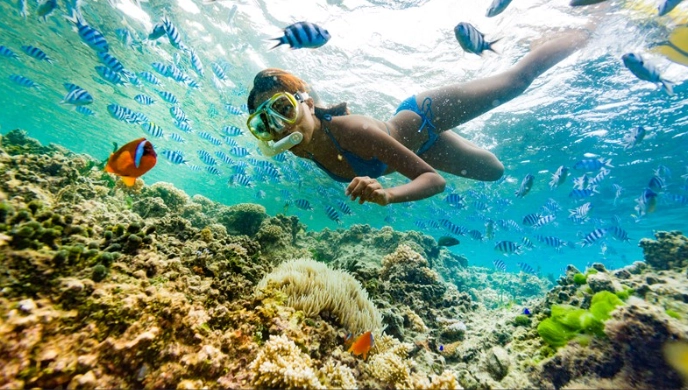
But the wet season has its perks. Fewer tourists, greener landscapes, and warmer water (28-30°C / 82-86°F). The trade-off is that rain can churn up the water near shore, reducing visibility. However, showers are often short and heavy, and the visibility on offshore islands can still be excellent the day after rain. I've had some of my best snorkeling days in February.
| Factor | Dry Season (May-Oct) | Wet Season (Nov-Apr) |
|---|---|---|
| Visibility | Excellent to Incredible | Good to Variable (can be excellent after calm periods) |
| Water Temp | Pleasantly Warm (25-27°C) | Bath-like Warm (28-30°C) |
| Crowds & Prices | Peak season, more crowded, higher prices | Shoulder/Low season, fewer people, better deals |
| Marine Activity | Great all-round | Possible plankton blooms attract manta rays! |
Booking Tours vs. Going Solo
For 95% of people, booking a guided tour or a resort day trip is the way to go for snorkeling in Fiji Nadi. Why? Safety, convenience, and access. The boats know the best spots for the day's conditions. They provide gear (check its quality though), guides, and often lunch and drinks. It's a seamless experience.
If you're an experienced snorkeler with your own gear and want to explore independently, Wailoaloa Beach or Natadola (at the right tide) are your best bets. Always go with a buddy, tell someone your plans, and check local conditions. The Fiji Meteorological Service website is a good resource for weather and marine forecasts.
What to Pack (The Non-Obvious Stuff)
- Rash Guard/Long-Sleeve Swim Top: This is your #1 most important item. It protects you from the sun and from accidental scrapes on coral. Sunburn through water is vicious.
- Reef-Safe Sunscreen: Please, please use it. Chemicals in regular sunscreen harm coral. Brands like Stream2Sea or Badger make great ones. You can often find reef-safe options in Nadi pharmacies too.
- Waterproof Dry Bag: For your phone, wallet, and a towel on the boat.
- Reef Shoes/Water Socks: Not for swimming in, but for walking over rocky entries or the boat deck.
- A GoPro or Waterproof Phone Case: You'll want pictures. Remember, look with your eyes first, then the camera.
Snorkeling Safely and Responsibly
This is crucial. We're visitors in their home.
- Never Touch or Stand on Coral. It's a living animal. A single touch can kill a polyp that took years to grow. It's also sharp and can cause coral cuts that get infected easily.
- Don't Chase or Harass Marine Life. No touching turtles, no poking eels. Observe quietly. Your presence should be a gentle shadow, not a disturbance.
- Be Aware of Your Fins. Your powerful fins can accidentally kick coral or stir up sand that smothers it. Practice good buoyancy control.
- Take Only Photos, Leave Only Bubbles. Don't collect shells or coral fragments.
Safety-wise, always snorkel with a buddy. Be aware of boat traffic—if you're near a channel, stay close to the reef edge. Watch for currents. If you get tired, don't fight it. Signal to your buddy and the boat, and float on your back to rest. Consider getting basic snorkeling safety tips from a recognized organization like PADI, even if you're not getting certified to dive.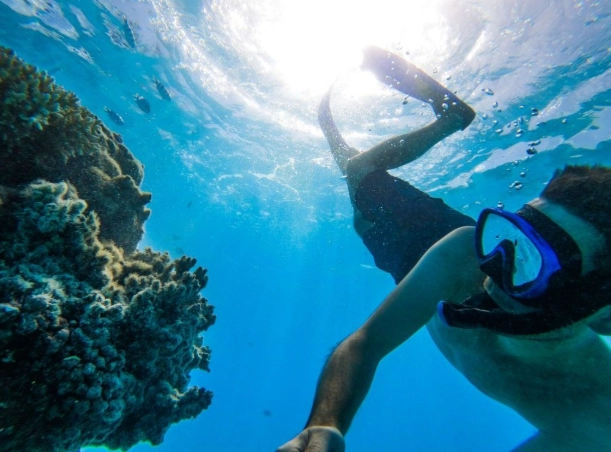
Frequently Asked Questions About Snorkeling in Fiji Nadi
So there you have it. Snorkeling in Fiji Nadi isn't just an activity; it's your ticket to a whole other universe. With a bit of knowledge about where to go, how to prepare, and how to behave, you're set for an experience that's more than just a holiday memory—it's a glimpse into the vibrant, beating heart of the South Pacific. Pack your rash guard, book that boat, and get ready to say "Bula!" to the fish.
Reader Comments