Quick Highlights
- What 'Free Snorkeling' Really Means in Galapagos (And What It Doesn't)
- The Best Spots for Free Snorkeling in Galapagos: Island by Island
- The Ultimate Comparison: Free Shore Snorkeling vs. Paid Boat Tours
- Your Practical Guide to Going It Alone (Safely & Responsibly)
- Answering Your Burning Questions (The FAQ)
- Making it Happen: A Sample 3-Day Free Snorkeling Itinerary on San Cristobal
- The Bottom Line: Respect is Part of the Deal
Let's be honest. When you hear "Galapagos," your mind probably jumps to two things: incredible wildlife and eye-wateringly expensive tours. I thought the same thing before I went. I had this image of having to pay hundreds just to dip my face in the water. But here's the secret most travel blogs don't tell you—there are legit ways to experience free snorkeling in the Galapagos Islands. Not "cheap," but actually free.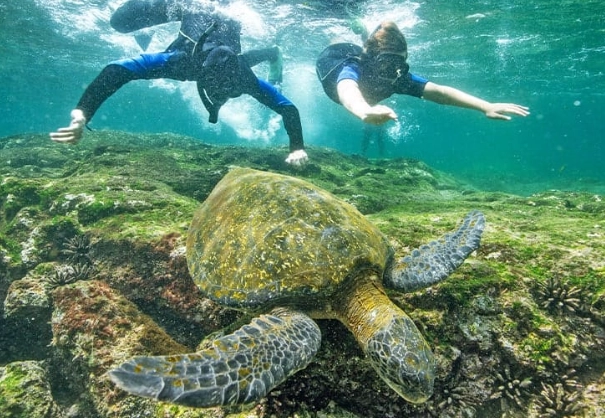
I remember standing on the dock in Puerto Ayora, watching tour boats head out, feeling my budget shrink by the minute. Then a local fisherman pointed down the coast and said, "Just go there. The sea lions don't charge." That was my first lesson. This guide is everything I wish I'd known before I went. We're not talking about sneaking onto private land or skipping park fees (don't do that!). We're talking about legal, accessible, and absolutely mind-blowing spots where you can grab your mask and just... get in.
What "Free Snorkeling" Really Means in Galapagos (And What It Doesn't)
First, a crucial reality check. The term free snorkeling in Galapagos islands needs some unpacking. Nothing in this pristine archipelago is truly "free" if you consider the cost of getting there and the mandatory park fee. The Galapagos National Park is a meticulously protected UNESCO World Heritage Site. Your $100 park entry fee (for most foreign adults) is what keeps it that way. Think of it as your ticket to the greatest wildlife show on earth—it covers land-based visitor sites and their adjacent coastal waters.
So, when we say free, we mean no additional cost on top of that. You won't be paying $150 for a half-day boat tour to a specific snorkeling site. Instead, you're using public shore access. This fundamentally shapes the experience. You won't reach remote, deep-water sites like Gordon Rocks or Cousin's Rock without a boat. But you know what? You also won't be sharing the water with 20 other snorkelers. The trade-off is intimacy and freedom for sheer remoteness.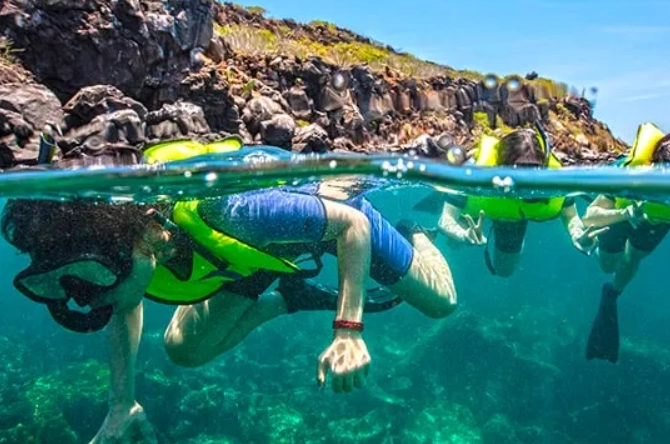
It's a different vibe. Slower, more personal. You might spend an hour playing with a single sea lion pup in a calm bay instead of racing to check five sites off a list. For many travelers, especially those on a longer stay or a tighter budget, this kind of free snorkeling Galapagos experience is the heart of the adventure.
The Best Spots for Free Snorkeling in Galapagos: Island by Island
Not all islands are created equal for DIY snorkeling. The main inhabited islands—Santa Cruz, San Cristobal, and Isabela—are your hubs. Floreana has a couple of spots too, but access is trickier. Here’s the breakdown from my own time in the water and countless conversations with locals and fellow travelers.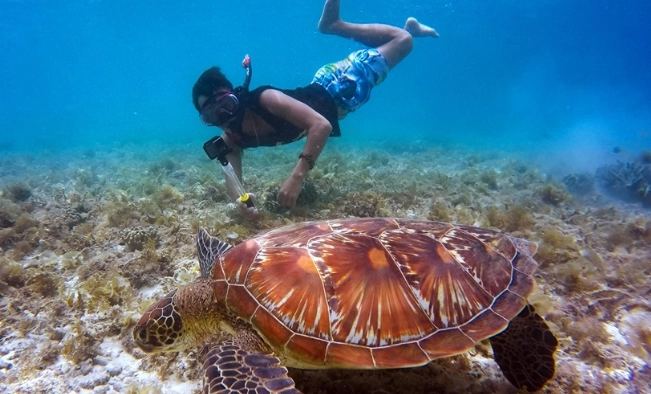
Santa Cruz Island: The Busy Hub with Hidden Gems
Puerto Ayora is the tourism epicenter, and right in town, you have Playa de los Alemanes (German Beach) and the Charles Darwin Research Station dock area. The water here isn't the crystal-clear blue you see in brochures—it's more harbor-like. But I've seen white-tipped reef sharks sleeping under the dock pilings and playful juvenile sea lions here. It's not glamorous, but it's a five-minute walk from your hostel. For better clarity, take a $1.50 water taxi across Academy Bay to Playa de los Perros (Dog Beach) or Las Grietas.
Ah, Las Grietas. This is a must-do. It's a series of deep, crystal-clear fissures filled with brackish water. You pay a small $2 fee for the path (sometimes included with a water taxi combo). It's not ocean snorkeling, but swimming in those sheer volcanic rock walls with darting fish is surreal. You can often combine this with a stop at the nearby, more open Playa de los Alemanes across the bay for a fuller day.
The real local secret? Tortuga Bay.
After a scenic 45-minute walk from town (or a bike ride), you reach a stunning white-sand beach. The main beach has a strong current—no swimming. But walk to the far end to the calmer Playa Mansa. This is a protected, mangrove-fringed cove. I've floated here for hours. You'll see reef sharks, rays, sea turtles, and hundreds of colorful fish right from the shore. It's the poster child for excellent free snorkeling in Galapagos Islands. Bring everything you need—there are no services.
San Cristobal Island: Arguably the King of Free Snorkeling
If I had to pick one island for the best Galapagos snorkeling free of extra charges, it's San Cristobal. Puerto Baquerizo Moreno is a walkable town with incredible access.
- Playa Punta Carola: A 15-minute walk from the center. I saw my first marine turtle here, munching on algae not ten feet from shore. At sunset, you'll share the beach with dozens of lounging sea lions.
- Playa Baquerizo (aka Playa de Oro): Right in front of the Naval Base. The left side of the beach (facing the water) has rocky outcrops teeming with life. It's shallow and perfect for beginners.
- La Lobería: This isn't just a beach; it's a sea lion colony. A 30-minute walk or short taxi ride from town. The snorkeling along the rocky lava shoreline is phenomenal. I was surrounded by a curious squadron of sea lion pups for what felt like an eternity. They dart and spin around you. Remember, you're in their home—be calm, don't chase. The current can get strong, so check conditions.
Isabela Island: The Wild & Woolly Frontier
Isabela feels more remote. The main town, Puerto Villamil, has a breathtakingly long white-sand beach. Concha de Perla is the star here. It's a short boardwalk from the town dock into a sheltered, mangrove-lined lagoon. The water is calm, clear, and shallow. I've floated here with penguins (yes, penguins!) and sea turtles. It's almost guaranteed wildlife. The town beach itself, while beautiful, has sandier bottoms with less marine life close to shore, but you can sometimes spot rays in the shallows.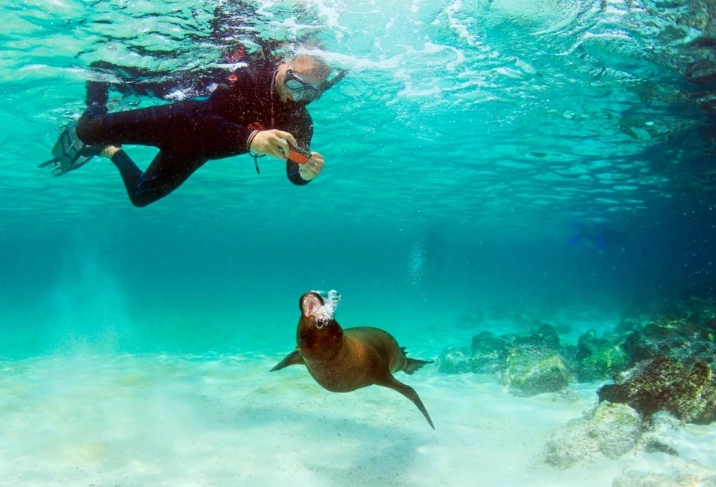
The Ultimate Comparison: Free Shore Snorkeling vs. Paid Boat Tours
Okay, so is free snorkeling in Galapagos as good as the paid tours? It's different. Let's lay it out honestly.
| Aspect | Free Shore Snorkeling | Paid Boat Tour Snorkeling |
|---|---|---|
| Cost | Free (after park fee) | $80 - $200+ per person |
| Marine Life | Sea lions, turtles, reef sharks, rays, colorful fish, sometimes penguins. | ALL of the above PLUS a high chance of hammerhead sharks, eagle rays, dolphins, whale sharks (seasonal). |
| Crowds | Often you'll have the spot to yourself or share with a few others. | You'll be with your tour group (8-16 people). |
| Access & Convenience | Go anytime, at your own pace. No schedule. | Fixed schedule (usually AM or PM). Dependent on weather/sea conditions. |
| Skill Level | Generally easier, calmer waters (but check!). Good for beginners. | Can involve deep water, strong currents, and "drift" snorkeling. Often requires confidence in open water. |
| Scenery & Variety | Limited to accessible coastlines. Still stunning. | Access to remote, dramatic volcanic formations (pinnacles, channels). |
My take? Don't think of it as an either/or. The smartest strategy I saw (and used) was a hybrid approach. Use free snorkeling Galapagos islands spots to fill your days, get comfortable, and have amazing encounters. Then, splurge on one or two highly-rated boat tours to specific sites known for bigger pelagic action, like Los Túneles (Isabela) or Kicker Rock (San Cristobal). This way, you maximize your time in the water without maximizing your credit card debt.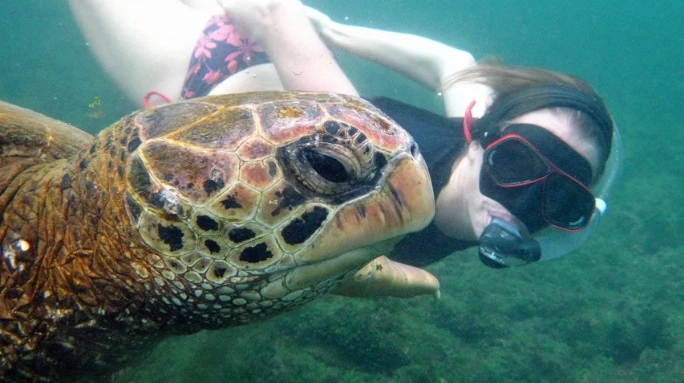
Your Practical Guide to Going It Alone (Safely & Responsibly)
Alright, you're convinced. Here's the nitty-gritty of how to actually do this.
Gear: To Bring or To Rent?
You can rent a mask, snorkel, and fins in any town for about $5-10 per day. The quality is often mediocre. Tubes can be leaky, masks foggy. If you're serious about snorkeling, bringing your own mask (one that fits perfectly) is the single best upgrade you can make. Fins are bulky but make a huge difference in current. I brought my own mask and rented fins. A rash guard or thin wetsuit ("shorty") is highly recommended. The water isn't freezing (70-80°F / 21-27°C), but you can get chilled after an hour, and it protects you from the equatorial sun and accidental scrapes on coral.
Safety: The Non-Negotiables
- Never Snorkel Alone: Seriously. Just don't. Have a buddy.
- Check Conditions: Ask your hostel host or a local shopkeeper about the current at your chosen spot that day. They know.
- Entry/Exit Points: Lava rock is sharp and slippery. Wear water shoes or reef walkers for getting in and out. Watch your step.
- Marine Life Etiquette: This is the big one. The rule is simple: LOOK, DON'T TOUCH, DON'T CHASE. You are a visitor. Sea lions are curious and may approach you. Turtles need to surface to breathe—don't block them. Sharks are not interested in you. Give all animals plenty of space. Touching or harassing wildlife is not only disrespectful, it's illegal and can get you fined. The Galapagos Conservancy and Charles Darwin Foundation have great resources on responsible behavior.
- Sun Protection: Use reef-safe sunscreen. Chemicals in regular sunscreen harm the coral and other marine life. You can buy it locally, but it's expensive. Better to bring your own.
The Logistics: Getting There & Back
Most spots are walkable from town centers. For places like La Lobería or Tortuga Bay, it's a nice hike. You can take a taxi for a few dollars if you're carrying gear. Always carry water, a snack, and a dry bag for your phone/camera. There's rarely shade or vendors at these spots.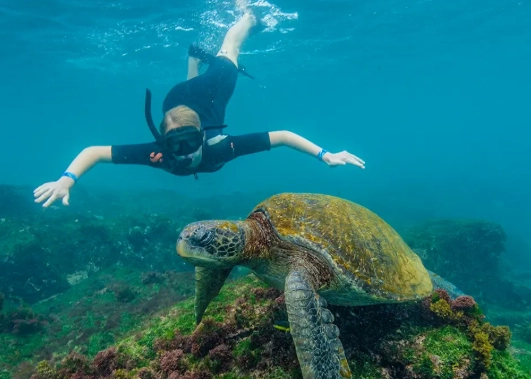
Answering Your Burning Questions (The FAQ)
Is free snorkeling in Galapagos Islands really worth it compared to a tour?
Absolutely, but for different reasons. A tour takes you to the iconic, blue-water sites. Free snorkeling gives you freedom, repetition, and surprisingly intimate wildlife encounters right from shore. For building confidence and just enjoying the water on your own terms, it's unbeatable. For seeing hammerhead shark schools, you need a boat.
When is the best time of year for free snorkeling?
The warm/wet season (Dec-May) has warmer, calmer water and better visibility for shore snorkeling. The water is clearer, sunnier, and generally more pleasant. The cool/dry season (Jun-Nov) brings nutrient-rich currents, meaning more marine life (whale sharks!), but also cooler, greener water with potentially stronger waves on shorelines. Honestly, you can't go wrong. I went in August and still had fantastic free snorkeling Galapagos days.
Can I see hammerhead sharks from shore?
It's extremely rare. Hammerheads tend to frequent deeper, cleaner waters around offshore pinnacles and channels. That's the domain of the paid boat tours. From shore, you're more likely to see white-tipped reef sharks, which are smaller and often rest under ledges or in sandy patches.
Do I need a wetsuit for free snorkeling?
You don't need one, but a 2-3mm "shorty" wetsuit or a full rash guard is a very good idea. It prevents sunburn, protects against scrapes, and keeps you warm, allowing you to stay in the water longer. You can rent them, but they're in high demand.
Is it safe to snorkel with sea lions?
Generally, yes, and it's magical. The key is to let them initiate the interaction. Pups are incredibly playful and will zoom around you. Adult males can be territorial, especially on land during mating season. In the water, they're usually just curious. Avoid sudden movements and never try to touch them. If one barks or acts aggressively, calmly swim away.
Are there any hidden costs I should know about?
Just the obvious: your flight, park fee ($100), transit control card ($20), and inter-island transport if you're hopping. The actual act of walking into the water from a public beach costs nothing extra. Remember to budget for gear rental or a taxi if you don't want to walk.
Making it Happen: A Sample 3-Day Free Snorkeling Itinerary on San Cristobal
To make this super practical, here's how you could structure your days around free snorkeling in Galapagos Islands hotspots on one island.
Day 1: Ease In. Morning: Snorkel at Playa Baquerizo (the rocky left side). It's gentle. Afternoon: Walk to Playa Punta Carola. Snorkel, then watch the sea lions and surfers at sunset. It's low-pressure and stunning.
Day 2: The Adventure. Morning: Pack water, snacks, sunscreen. Take a taxi to La Lobería. Spend 2-3 hours snorkeling along the lava rocks with the sea lion colony. The underwater landscape here is dramatic. Afternoon: Relax, maybe visit the Galapagos National Park Interpretation Center (free) to learn about the history and conservation.
Day 3: Mix It Up. Morning: Consider a low-cost alternative: a $25-30 taxi-boat to "Isla Lobos" (a small islet near town). It's not free, but it's cheaper than a full tour and offers a different perspective. Or, just have another go at your favorite spot. Repetition pays off—you'll see different things each time.
The Bottom Line: Respect is Part of the Deal
The opportunity for free snorkeling in Galapagos is a privilege. It exists because the ecosystem is still (relatively) healthy and protected. Our behavior determines if it stays that way. Follow the rules: stay on paths, don't litter, use reef-safe sunscreen, and observe wildlife with quiet awe. The UNESCO page for the Galapagos outlines why this place is so globally significant.
So, pack your sense of adventure, a well-fitting mask, and a healthy dose of respect. The sea lions, turtles, and sharks are waiting. And they don't charge a dime.
Just remember to pay your park fee first.
Reader Comments