Quick Guide to This Article
Let's be honest. When you picture a snorkeling trip in Costa Rica, you're probably imagining booking a fancy boat tour, paying a decent chunk of change, and being whisked away to a secret spot. That's one way to do it, for sure. But what if I told you that some of the most memorable snorkeling experiences I've had here didn't cost a single colón to get in the water? I'm talking about free snorkeling in Costa Rica – just you, your gear, and the ocean, accessible right from the shore.
It's not always advertised, and it definitely requires a bit more planning and respect for the environment, but it's absolutely possible. I've spent months exploring coasts on both sides, from the rough Pacific to the calmer Caribbean, and I've learned where to go, what to watch out for, and how to do it safely. This isn't a glossy brochure; it's a practical, from-the-ground (or should I say, from-the-sand) guide to finding your own underwater adventure without the tour price tag.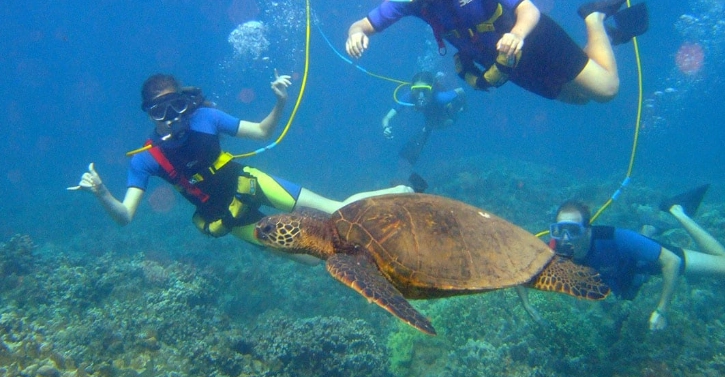
Where to Find the Best Free Snorkeling in Costa Rica
Not every beach is created equal for snorkeling. You need calm water, decent visibility, and hopefully, some interesting stuff to look at. The Pacific side is generally rougher, rockier, and has more dramatic tides, while the Caribbean side tends to be calmer with easier shore access to reefs. Here’s a breakdown of the top spots I’ve personally tested.
The Caribbean Coast: Calm Waters & Easy Reef Access
For beginners or anyone who wants a relaxed, high-success-rate experience, the Caribbean is your best bet for free snorkeling in Costa Rica. The water is warmer, the waves are gentler (outside of storm surges), and you can often just walk right into a coral garden.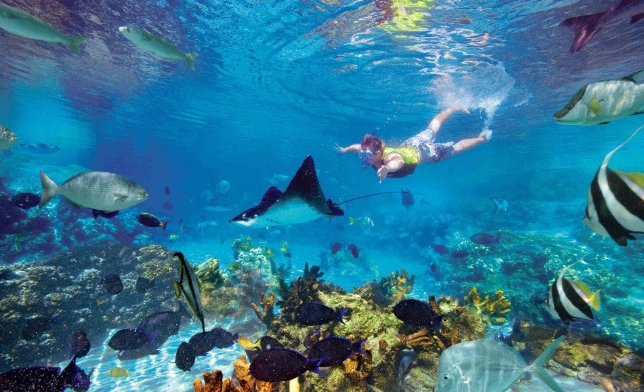
Manzanillo (Within the Gandoca-Manzanillo Refuge)
This is the crown jewel for DIY snorkelers, in my opinion. The beach itself is stunning, and just to the right (south) of the main beach at Punta Manzanillo, you'll find a rocky point. Swim out around it (on a calm day!), and you're greeted by a sprawling, shallow coral reef. I've seen parrotfish, angelfish, rays, and even small nurse sharks here. The key is to go at high tide for the easiest access over the initial rocks.
The Catch: While access is free, you are snorkeling within a National Wildlife Refuge. This means you must not touch or stand on the coral, use reef-safe sunscreen (better yet, wear a rash guard), and take all your trash out. The community is fiercely protective of this area, and for good reason.
Punta Uva
A picture-perfect crescent beach with a giant almond tree (the "Uva") on the point. The snorkeling here is directly off the beach on the southern end, near the rocks. The reef isn't as extensive as Manzanillo, but it's incredibly accessible. You can literally float over coral heads just a few meters from shore. It's perfect for families or if you just want a quick, easy dip. Visibility can be hit or miss after heavy rains, though.
Cahuita National Park – The "Almost" Free Option
Everyone recommends Cahuita for snorkeling, and it's fantastic. But here's the crucial detail: the best coral reefs are further out and technically require a guide from the park for access (to prevent anchor damage). However, you can enter the park for a voluntary donation (so, practically free if you choose), and you can snorkel directly from Playa Blanca, the main beach inside the park. I've done it. You'll see some fish and maybe some coral patches, but it's not the spectacular reef tour. It's a nice swim with a chance of seeing something. For the real show, you need the guided boat trip. It's a budget-friendly way to enjoy the park's beauty, but manage your snorkeling expectations.
The Pacific Coast: Rocky Coves & Tide Pool Adventures
The Pacific is wilder. Snorkeling here is more about exploring rocky outcrops, tidal pools, and islands you can sometimes swim to. It demands more caution regarding currents, swell, and tides.
Playa Manuel Antonio (Outside the Park)
Yes, the national park is paid entry and crowded. But the public beaches to the north and south of the park entrance, like Playa Espadilla, offer snorkeling opportunities around the rocky islands and formations. You need to pick a day with almost no swell. I once swam out to a small rock island on a glassy morning and was surrounded by a school of shimmering sardines. Magical. But I've also gone back when it was choppy and seen nothing but sand. It's a gamble.
Montezuma & the Waterfalls
Near Montezuma, the area around the famous waterfall (where it meets the sea) has interesting rock formations to explore. The water can be cloudy from the river outflow, but it's a unique spot. Further south, Playa Grande (Montezuma) sometimes has calm pockets good for spotting pufferfish and morays in the rocks.
The Non-Negotiable Safety Guide for DIY Snorkeling
This is the most important section. When you're on your own, there's no guide to watch over you. Your safety is your responsibility.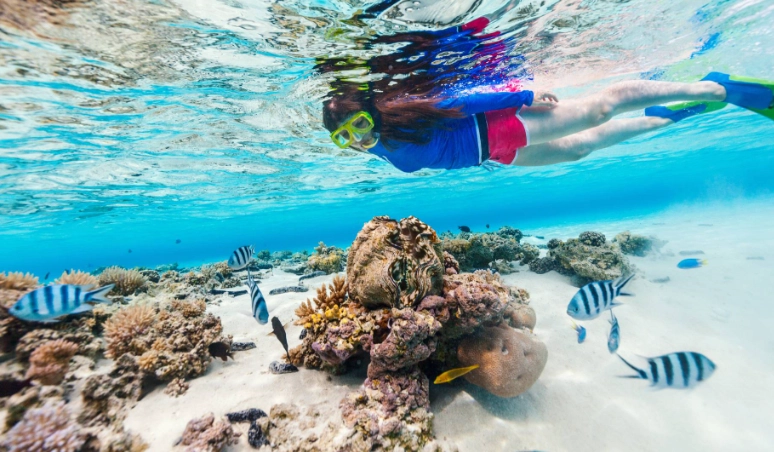
- Never Snorkel Alone: This is rule number one. Have a buddy. Always.
- Read the Ocean: Spend time watching the water. Are waves breaking violently on the rocks you want to enter from? Is there a strong, consistent pull of water (a current) running parallel to the beach? If yes, choose a different spot or day.
- Respect the Tides: In many places, especially on the Pacific, high tide is your friend for accessing deeper water over shallow rocks. Low tide can expose dangerous urchins or leave you stranded. Check a local tide chart.
- Know Your Limits: If you're tired, cold, or feeling uncomfortable, get out. There's no prize for pushing it.
- Foot Protection: I always wear reef shoes or old sneakers when entering from rocky shores. The rocks are sharp, and sea urchins are common.
What You Actually Need: The Gear List
For successful free snorkeling in Costa Rica, you need the right tools. You can rent gear in most tourist towns, but if you plan on doing this multiple times, bringing your own is more hygienic and cost-effective.
| Item | Why It's Essential | My Personal Tip/Note |
|---|---|---|
| Mask & Snorkel | A leaky mask ruins everything. A dry-top snorkel prevents water intake when a wave hits. | Test the mask seal on your face before buying (suck in without the strap). Defogging trick: a tiny drop of baby shampoo rubbed in and lightly rinsed. |
| Fins | Provides power and efficiency, crucial if you need to swim against a mild current. | Open-heel fins with booties are more versatile for rocky entries. Full-foot fins are for sandy entries only. |
| Rash Guard / UV Shirt | Protects from sunburn without constantly reapplying sunscreen. Also protects from light jellyfish stings and coral scrapes. | This is my #1 recommended item. You'll stay warmer, avoid sunburn, and help protect the reef. |
| Reef-Safe Sunscreen | Mandatory for any exposed skin. Chemicals in regular sunscreen kill coral. | Look for "Non-Nano Zinc Oxide" or "Non-Nano Titanium Dioxide" as the active ingredient. Apply at least 15 min before entering water. |
| Waterproof Dry Bag | To keep your keys, phone, wallet, and towel dry on the beach. | A small 5L or 10L bag is sufficient. Never leave valuables unattended on the beach. |
Answering Your Questions (The FAQ I Wish I Had)
Q: Is free snorkeling in Costa Rica actually any good compared to a paid tour?
A: It's different. A paid tour will take you to the absolute best, most pristine reefs (like at Cano Island or the deeper Cahuita reefs) that are inaccessible from shore. The fish life is often more abundant and varied. Free snorkeling is about discovery, independence, and connecting directly with a accessible piece of the ocean. It can be incredible, but it's more of a natural lottery. Sometimes you see amazing things, sometimes it's just pretty fish. Both have their place.
Q: What's the #1 mistake people make when trying to snorkel for free?
A: Underestimating the conditions. People see a beautiful blue sea and just jump in without observing the wave sets, checking for currents, or knowing the tide. This leads to dangerous situations. Always, always scout first.
Q: Can I see turtles or sharks while snorkeling from shore?
A: It's possible, but don't count on it. I've seen sea turtles grazing in seagrass beds near Manzanillo and small reef sharks resting under ledges. Rays are more common. The key is to move slowly and calmly – you're a guest in their home. Chasing or touching marine life is a big no-no and can get you in serious trouble with park officials or locals.
Q: What time of year is best for free snorkeling in Costa Rica?
A: The "dry season" (roughly December to April) generally offers calmer seas and better visibility on both coasts, especially the Pacific. The Caribbean can be good year-round, but September-October can see rougher weather. The "green season" (May-Nov) can have stunningly clear water after a morning rain, but also more frequent storms and runoff that clouds the water.
Going the Extra Mile: Resources & Responsible Tourism
Part of doing this right is educating yourself. Here are two fantastic, authoritative resources from the Costa Rican government that will help you plan and understand the marine environments you're visiting:
First, for an official overview of Costa Rica's coastal and marine protected areas, including many of the places mentioned here, the National System of Conservation Areas (SINAC) website is the primary source. It's in Spanish, but modern browsers can translate it. It gives you the straight facts from the managing authority.
Second, specifically for the Caribbean coast, the Caribbean Tourism Board (ACTUAR) site has excellent, up-to-date information on communities, regulations, and sustainable tourism practices for the region. Supporting the local *sodas* (small restaurants) and businesses in towns like Manzanillo or Punta Uva is a great way to give back.
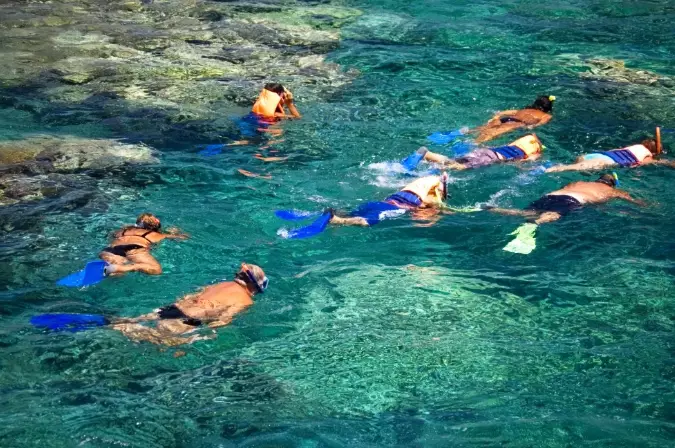 So, grab your gear, pick a spot from this list on a calm morning, and go see what you can find. The adventure is out there, waiting just offshore.
Reader Comments