Quick Guide to This Snorkeling Comparison
- The Head-to-Head: Roatan vs Belize at a Glance
- Diving Deeper: The Roatan Snorkeling Experience
- Exploring the Belize Snorkeling Universe
- Breaking Down Your Decision: Who Should Choose Where?
- The Nitty-Gritty: Cost, Logistics, and Trip Planning
- Your Burning Questions Answered (FAQ)
- The Final Verdict: It's About Your Snorkeling Personality
So you're planning a trip and the big question has landed in your lap: is it better to snorkel in Roatan or Belize? I've been there, staring at flight deals and dive shop websites, trying to figure out which slice of Caribbean paradise offers the underwater magic I'm craving. Let's be honest, both places pop up on every "best snorkeling" list under the sun. But they're not the same. Not even close.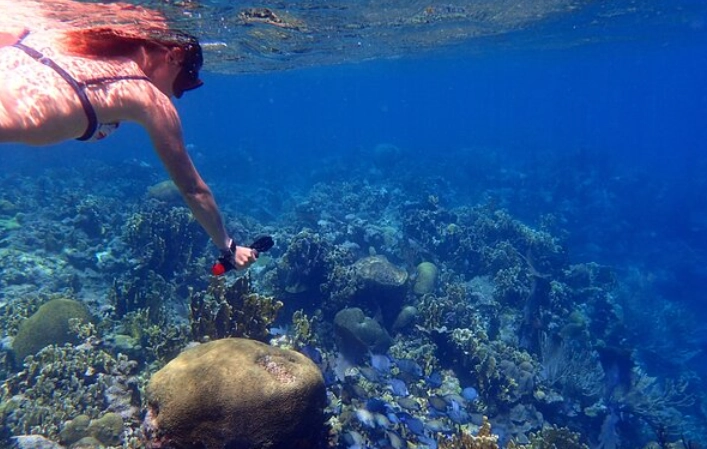
Picking between them isn't about finding the "best" in some absolute sense—it's about finding what's best for you. Your budget, your travel style, what kind of fish you dream of seeing, even how much time you have. I've floated over the reefs in both spots, gotten saltwater in my mouth, and had those moments where you just stop kicking and stare. This isn't a theoretical comparison. It's a practical, down-to-earth look at what you can actually expect.
The Head-to-Head: Roatan vs Belize at a Glance
Before we dive into the weeds (or the sea grass), here's a quick table to frame the whole debate. It lays out the key battlegrounds.
| Factor | Roatan, Honduras | Belize |
|---|---|---|
| Reef System | Part of the Mesoamerican Barrier Reef. Reef is very close to shore. | Home to the Belize Barrier Reef, part of the Mesoamerican system and a UNESCO site. Massive and varied. |
| Accessibility | Extremely high. Many "shore snorkeling" spots right from the beach. | Generally requires boat trips to the best sites (cayes, atolls). Less instant access. |
| Marine Life Vibe | Excellent coral health, abundant fish, frequent turtle and ray sightings. Feels lush and lively. | Incredible biodiversity. Chance to see bigger animals (sharks, manatees) and unique atoll species. |
| Topography | Steep wall drop-offs very close to shore, vibrant shallows. | Huge coral formations, deep blue holes, sprawling seagrass beds, hundreds of cayes. |
| General Cost | Often more affordable for accommodation, food, and tours. Island is small. | Can be pricier, especially on popular cayes like Ambergris Caye. Mainland is cheaper. |
| Crowds | West End beaches can be busy. East End remains quieter. | Popular sites (Hol Chan, Shark Ray Alley) get crowded. Remote atolls do not. |
See what I mean? Different beasts. One isn't beating the other across the board. It's a trade-off.
Diving Deeper: The Roatan Snorkeling Experience
Roatan is part of Honduras' Bay Islands. It's a long, thin island sitting right on the edge of the continental shelf. This geography is its superpower for snorkelers.
Why Roatan Shines for Snorkeling
The biggest sell is the sheer convenience. In places like West Bay Beach, you can walk out of your hotel, wade into the water, and within 20 feet you're over a thriving coral garden. No schedule, no boat fee. It's freedom. The reef crest is often just a short swim away, and beyond it, the bottom just... disappears. That's the famous wall. Floating along the edge, looking down into the deep blue abyss while colorful sponges and sea fans cling to the wall beside you is an absolute thrill.
Coral health here is generally excellent, especially within the Roatan Marine Park zones. The protected areas have made a visible difference. You'll see massive stands of elkhorn and staghorn coral, brain corals the size of cars, and all the little critters that call them home. The fish life is prolific—parrotfish, angelfish, sergeant majors everywhere. I've had more consistent encounters with sea turtles just casually snorkeling here than anywhere else in the Caribbean.
The Potential Downsides of Roatan
It's not all perfect. That convenience comes with a cost. The most accessible spots, particularly West Bay, can feel crowded. You'll be sharing the water with other snorkelers, people on paddleboards, and maybe even cruise ship passengers if a ship is in port. If you crave solitude, you need to seek out the less-developed East End or hire a boat to take you to a specific, less-visited site.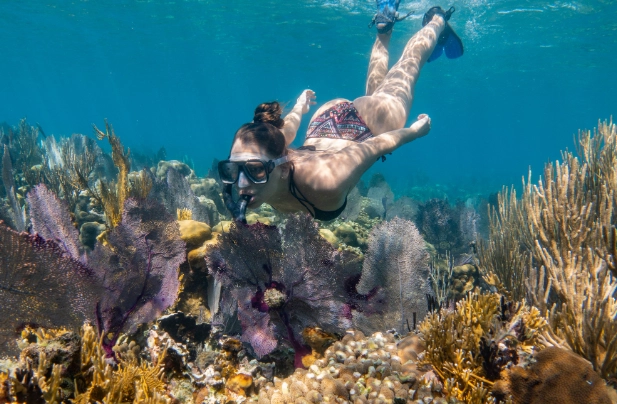
While the reef is stunning, the ecosystem is somewhat "contained" to the island's fringing reef. You won't find the geographical variety of Belize's atolls and cayes here. It's mostly about that gorgeous wall and the shallow gardens leading up to it.
- Pros: Unbeatable shore access, fantastic coral health, great for turtles/rays, generally more budget-friendly, easy to combine relaxing beach time.
- Cons: Popular spots get busy, less geographical variety, can feel more "developed" in tourist zones.
Exploring the Belize Snorkeling Universe
Belize is a snorkeler's playground on a completely different scale. The Belize Barrier Reef is a giant, complex system. We're talking about three major coral atolls (Lighthouse Reef, Turneffe Atoll, Glover's Reef) way out in the open ocean, hundreds of sandy cayes, mangrove forests, and that world-famous Blue Hole.
Why Belize is a Snorkeling Powerhouse
The word is diversity. One day you could be snorkeling the crystal-clear, shallow waters of Hol Chan Marine Reserve and Shark Ray Alley, where you're practically guaranteed to swim with nurse sharks and southern stingrays. It's a zoo, but an amazing one. The next day, you're on a boat for 90 minutes to Lighthouse Reef, bouncing over waves to get to the remote atoll. The water out there is a different kind of clear, and the coral formations feel wilder, less touched.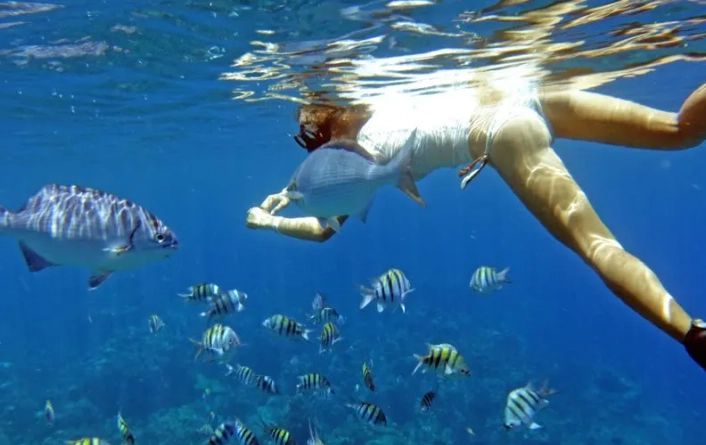
The chance to see bigger or more unusual animals is higher. Manatees laze in the seagrass beds near Swallow Caye. Dolphins play in the bow waves of the boats. The atolls are known for their healthy populations of reef sharks. The topography varies wildly—from the sheer verticality of the Great Blue Hole's walls (though note, the snorkeling right at the hole itself is not the main event) to the sprawling coral gardens of the atolls' interior lagoons.
You have to plan more. You're often basing yourself on a caye (like Ambergris Caye or Caye Caulker) and taking daily boat trips to the action. This adds cost and requires you to work with a schedule. But the payoff is access to sites that are genuinely world-class. The Belize Tourism Board's official site has great resources on marine protected areas to help plan.
The Challenges of Snorkeling in Belize
The logistics and cost are the main hurdles. Getting to the premier sites requires time on a boat. These trips aren't cheap. If you get seasick, the rides to the atolls can be rough. The most famous sites, precisely because they are so famous, can be packed with tour boats during high season. You might be sharing Shark Ray Alley with 50 other people.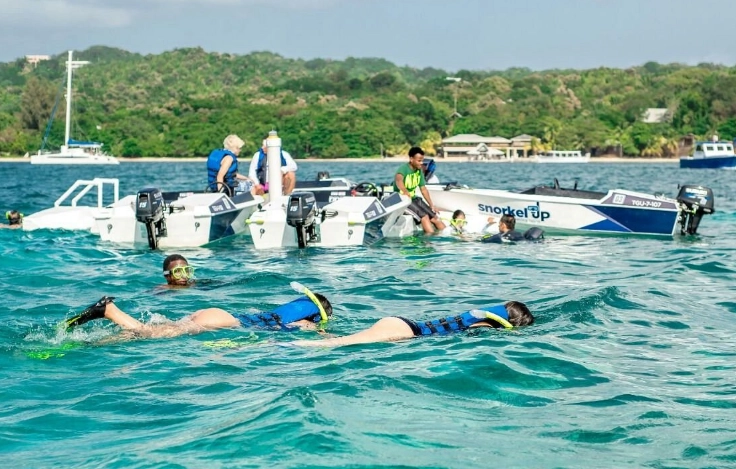
Shore snorkeling from the main tourist cayes is often mediocre. The water near the docks can be murky, and the good reef is usually a decent swim or a short boat ride away. So you lose that "roll out of bed and snorkel" spontaneity that Roatan offers.
Breaking Down Your Decision: Who Should Choose Where?
Okay, enough with the generalities. Let's get personal. Where you should go depends heavily on who you are and what you want.
Choose Roatan If...
- You're on a tighter budget and want maximum snorkel time for your dollar.
- You love the idea of impromptu, casual snorkeling sessions without booking a tour.
- You're traveling with family or beginners who appreciate easy water entry and calm conditions (West Bay is particularly good for this).
- Your ideal trip mixes great snorkeling with just chilling on a beautiful beach.
- You're short on time and can't afford long boat travel days.
Seriously, if convenience and value are your top priorities, the question "is it better to snorkel in Roatan or Belize?" starts leaning heavily towards Roatan.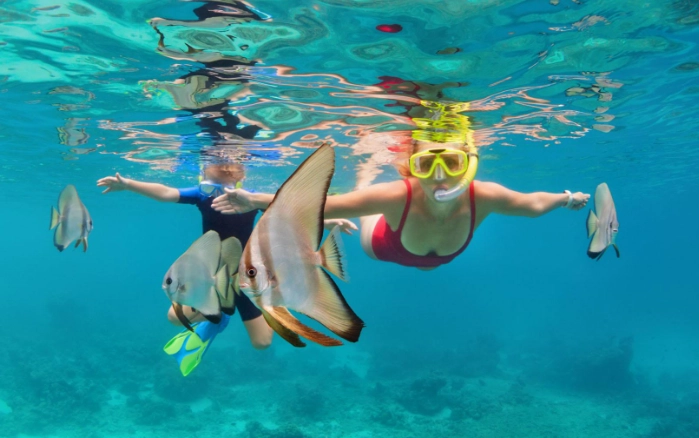
Choose Belize If...
- You're a more experienced snorkeler or marine life enthusiast seeking diversity and bucket-list sights.
- Seeing specific animals like manatees, sharks, or the unique atoll life is a major goal.
- You don't mind paying more and spending time on boats to reach pristine, remote locations.
- You want to combine snorkeling with other adventures like exploring Mayan ruins on the mainland or flying over the Blue Hole.
- Crowds at the main sites are a concern, but you have the budget to book a liveaboard or a resort on a remote atoll (like those on Glover's Reef Atoll).
The Nitty-Gritty: Cost, Logistics, and Trip Planning
Let's talk practicalities. This is where dreams meet reality.
Getting There: Both have international airports (Roatan's RTB, Belize City's BZE). Flight prices vary wildly by season and your origin. Often, flights to Belize City can be slightly cheaper from the US, but then you may need a connecting flight or boat to a caye.
On-the-Ground Costs: Roatan wins here. Meals, hotels, and especially beer are generally less expensive. A simple snorkel tour from West End might cost $25-$40. In Belize, a full-day trip to Hol Chan might be $60-$80, and a trip to an atoll can easily run $150-$200 per person. Food and lodging on Ambergris Caye are comparable to US prices.
Logistics: Roatan is simple. You land, you get to your hotel (taxi or pre-booked shuttle), and you're based. Everything is on one island. Belize often requires a second leg—a quick flight or a water taxi to your final caye. It adds a layer of planning.
Your Burning Questions Answered (FAQ)
Both are excellent, but in different ways. Roatan's fringing reef has incredibly lush, dense coral gardens with massive formations. The fish life feels abundant and approachable. Belize offers more variety—you have the rich reefs of the marine reserves, the unique ecosystems of the mangroves, and the different species found on the isolated atolls. For sheer coral density in shallow water, Roatan can feel more impressive. For biodiversity, Belize has the edge.
Yes, Roatan is generally more beginner-friendly. The ability to practice in calm, shallow areas right off the beach (like West Bay) without the pressure of a boat tour is a huge plus. Instructors and guides there are also very accustomed to first-timers.
Absolutely. In Roatan, you'll commonly see southern stingrays and eagle rays on the reef, and nurse sharks are often spotted (especially on the walls). In Belize, Shark Ray Alley is a guaranteed nurse shark and ray experience—it's almost a circus act, but fun. Reef sharks are more commonly seen on the outer atoll reefs in Belize.
With a short timeline, Roatan is the more efficient choice. You waste no time on secondary travel after your flight. You can be snorkeling within hours of landing. In Belize, a 5-day trip means one day for travel to/from a caye, leaving you with maybe three full days for activities, one of which could be consumed by a long atoll trip.
Roatan offers zip-lining, some wildlife sanctuaries (like sloths!), and a more concentrated island vibe. Belize offers a much wider range of inland adventures—exploring massive cave systems, visiting impressive Mayan ruins like Xunantunich or Caracol, and jungle wildlife spotting. If you want a true two-part vacation (reef & rainforest), Belize is the clear winner.
The Final Verdict: It's About Your Snorkeling Personality
After all this, I still can't give you a single answer. Nobody can. But I can tell you how to find yours.
If your perfect snorkeling day involves grabbing your gear on a whim, wandering into the water at your own pace, and being surrounded by colorful fish and coral without a big production—you're probably a Roatan person. The value and accessibility are just too good to ignore.
If your idea of snorkeling is an expedition—boarding a boat with a sense of adventure, traveling to a famous, teeming marine reserve or a remote coral ring in the open ocean, and seeking out a wider cast of marine characters—then Belize is calling your name. You pay more in money and time, but the scale and variety are unmatched in the region.
I've left both places happy. In Roatan, I loved the freedom. In Belize, I loved the awe. So, is it better to snorkel in Roatan or Belize? The best destination is the one that matches the rhythm of the trip you want to have. Look at your budget, your travel style, and what makes you excited to get in the water. Then book it. You really can't go wrong.
Just remember your reef-safe sunscreen.
Reader Comments