So you're typing "snorkeling with manta rays near me" into Google. I get it. That itch, that dream of floating weightlessly as a giant, winged shadow glides silently beneath you. It's one of those bucket-list moments that feels almost mythical. But then the practical questions hit. Where do I actually go? Is it safe? How do I not mess up the experience or, worse, harm the animals? Let's cut through the noise. This isn't just a list of places; it's the playbook I wish I'd had before my first manta ray encounter.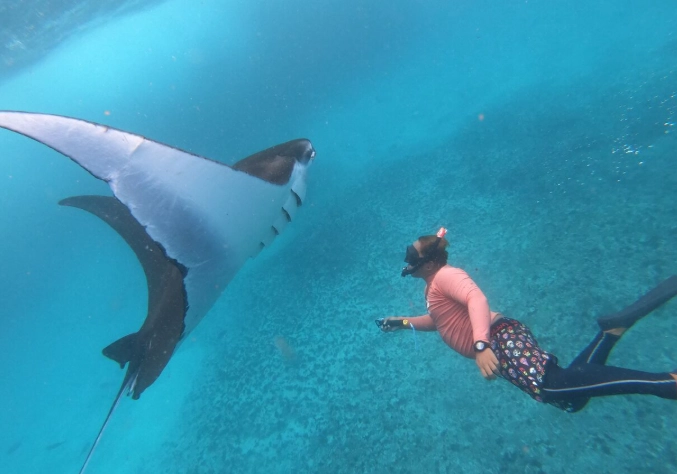
Your Quick Guide
- Top Global Hotspots for Your Manta Ray Snorkel Adventure
- How to Pick the RIGHT Tour Operator (This is Crucial)
- What Actually Happens on a Manta Ray Snorkel Tour?
- Your Pre-Trip Checklist: No-Nonsense Prep
- Answering Your Real Questions (FAQ)
- When "Near Me" Means a Longer Trip: Making It Happen
- The Final Word
First thing first: "near me" is relative. Mantas aren't in every ocean. They're picky, bless them. They follow the plankton buffets. So finding where to snorkel with manta rays near you might mean looking at a flight map, not just a drive. But trust me, the trip is the point. The search for snorkeling with manta rays near me often leads people to a handful of world-famous spots, and for good reason. The logistics are set up, the chances of seeing them are high, and the guides know their stuff.
The Quick Answer for the Impatient
If you're skimming, here's the deal. The most reliable, accessible, and iconic spots for snorkeling with manta rays are: Kona, Hawaii (USA); the Maldives; and Ningaloo Reef, Australia. Each offers a radically different vibe. Kona is the structured, almost guaranteed night snorkel. The Maldives is the luxurious, tropical atoll dream. Ningaloo is the raw, wild Australian adventure. Pick your flavor.
Top Global Hotspots for Your Manta Ray Snorkel Adventure
Let's get specific. These aren't just random picks; they're the gold-standard locations where the stars (and the plankton) align consistently. I've ranked them not just by popularity, but by the uniqueness of the experience and accessibility for a first-timer.
| Destination | Best Time to Go | The Vibe & Experience | Why It's Special | My Personal Take |
|---|---|---|---|---|
| Kona, Big Island, Hawaii | Year-round (peak sightings Oct-Apr) | Night snorkels using lights to attract plankton (and mantas). You float at the surface holding a light board. | Nearly 100% sighting rate. Incredibly close, acrobatic encounters. Minimal swimming required. | The most reliable show on earth. It feels surreal, like a theater performance for mantas. Can feel a bit crowded with other tour groups. |
| Hanifaru Bay, Maldives | May - November (peak Aug-Oct) | Daytime snorkeling in a UNESCO Biosphere Reserve. Often involves dozens (even hundreds!) of mantas feeding in a frenzy. | The potential for "manta tornadoes" - massive aggregations feeding in a bay. Pristine, clear waters. | Absolutely majestic when it's on. But it's nature's lottery—you might see 50 or you might see 2. Also, strict time limits and rangers present. |
| Ningaloo Reef, Western Australia | April - October (for reef mantas) | Day trips from Exmouth or Coral Bay. Snorkel on pristine reef sites where mantas come to be cleaned by fish. | Swim with resident reef manta rays in crystal-clear, biodiverse waters. Often combined with whale shark tours. | Raw, beautiful, and less commercial than Hawaii. You're a guest in their home reef. The boat rides can be long and the sea choppy. |
| Nusa Penida / Lembongan, Bali, Indonesia | Year-round (best Apr-Oct dry season) | Day trips from Bali. Snorkeling at known cleaning stations like Manta Bay and Manta Point. | Accessible and affordable from a major tourist hub. See giant oceanic manta rays (Manta birostris). | Strong currents are the norm here. It's for confident snorkelers. Visibility can be hit or miss, but seeing a giant manta here is epic. |
| Isla de la Plata, Ecuador ("Poor Man's Galapagos") | June - October | Part of a day trip from Puerto Lopez. Snorkeling in cooler, nutrient-rich waters. | An off-the-beaten-path gem in South America. Often combined with humpback whale watching (same season!). | Adventurous and less crowded. Water is cooler, and sightings are good but not as guaranteed as Hawaii. A fantastic combo trip. |
See what I mean? Your idea of snorkeling with manta rays near me could lead you to the predictable magic of Hawaii or the wild-card adventure of Ecuador. It depends on what else you want from the trip.
My first time was in Kona. I was so nervous I almost didn't get in the water. The thought of a 12-foot wide animal coming at me in the dark? No thanks. But clinging to that float, watching five mantas do backflips right under my face for an hour... it rewired my brain. It's not scary. It's peaceful. They are in complete control.
How to Pick the RIGHT Tour Operator (This is Crucial)
This is where most blogs give you fluffy advice like "pick a reputable company." Useless. Let's get concrete. A bad tour can ruin the ecology and your experience. When you're searching for manta ray snorkeling tours, look for these specific things:
1. Their Environmental Credentials Are Non-Negotiable
Don't just look for a logo. Ask questions. Any operator worth your money will volunteer this info.
- Look for Partnerships: Are they partnered with research groups like the Manta Trust or local NGOs? In Hawaii, do they support the Division of Aquatic Resources? This is a huge green flag.
- Ask About Their Rules: How do they prevent crowding? Do they enforce a strict no-touch, no-chase policy? The best captains will give a serious briefing—not just a safety spiel, but an ethics lecture.
- Check Their Boat: Sounds silly, but is it clean and well-maintained? A company that cares for its gear usually cares for the ocean.
I once went with a cheaper operator in Bali that let people dive down and crowd a single manta. It felt gross, like we were harassing it. Never again.
2. Guide Quality Over Boat Fanciness
A flashy catamaran means nothing if the guide is on their phone. The guide is your translator for the manta's world.
- Experience: How many years have they been doing this? Seasoned guides know individual mantas by their spot patterns (the belly is like a fingerprint). They'll tell you stories about "their" mantas.
- Passion: Do they light up when talking about mantas? Or are they just reciting a script? This matters for your enjoyment.
- Group Size: Smaller is almost always better. Ask the max number. 10-12 is manageable. 20+ is a circus.
Pro Booking Tip
Call them. Don't just book online. Have a 2-minute chat. Ask: "What's your policy if we don't see any mantas?" Good operators in places like Hawaii will offer a free return trip ("return voucher"). If they get defensive, red flag. Also ask, "How do you minimize your impact on the mantas?" Their answer tells you everything.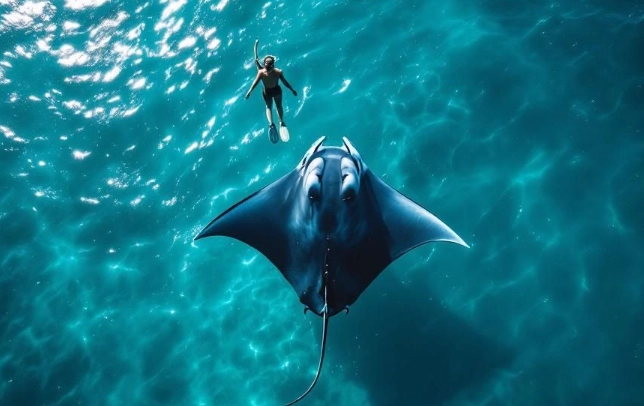
What Actually Happens on a Manta Ray Snorkel Tour?
Let's demystify it. Whether it's a day trip in Australia or a night snorkel in Hawaii, the structure is similar.
The Briefing: This is critical. They'll cover safety (how to use the gear, hand signals), but more importantly, the behavior rules. You'll be told to stay flat at the surface, don't kick wildly, keep your hands to yourself, and listen for the guide's instructions. In Hawaii, you'll be shown how to hold onto the floating board with the lights.
The Search: The boat goes to a known site. Sometimes the captain is in touch with other boats. There's a bit of anticipation. In places like Nusa Penida, you might snorkel around for a bit waiting for them to show up at the cleaning station.
The Moment: Someone shouts "MANTA!" or the guide points. Your heart jumps. You get in the water, trying not to splosh like an idiot. You put your face in. And there it is.
You float. They dance. They might circle back, coming within inches. Their remora fish hitchhikers look like little sidekicks. In Hawaii at night, they do somersaults right under the light, their white bellies glowing. It's hypnotic. Time gets weird. What feels like 5 minutes is actually 45.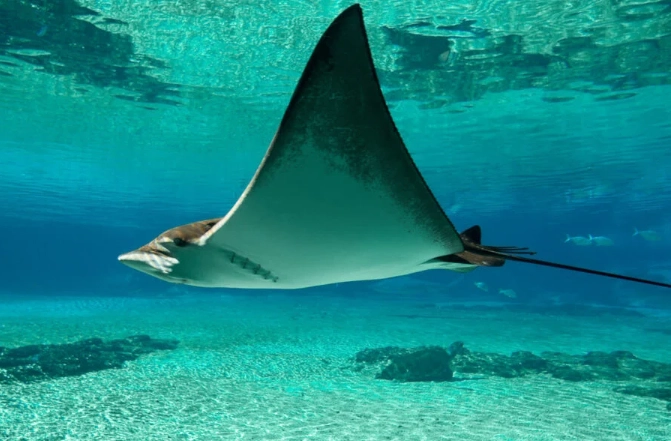
The Aftermath: You get back on the boat, buzzing. Everyone is smiling stupidly. The guide might share the ID of the manta you saw from a catalog. You realize you've been holding your breath (metaphorically) the whole time.
Your Pre-Trip Checklist: No-Nonsense Prep
Forget packing lists with 50 items. Here's what actually matters for snorkeling with manta rays near me or anywhere else.
- Snorkel Gear: If you're fussy, bring your own mask. A leaky rental mask ruins everything. Test it in the shower. Fins? Rentals are usually fine unless you have very specific feet.
- Exposure Protection: Even in the tropics, floating for an hour gets chilly. A rash guard or a thin 1-2mm wetsuit top is a game-changer for comfort. In Hawaii for night snorkels, they usually provide shorties.
- Sea-Sickness: Be honest with yourself. If you're prone to it, take medication well before as directed. A rolling boat in the dark (Hawaii) or in open swell (Australia) is no joke. Nothing ruins magic like puking.
- Camera: GoPros or similar are perfect. NO FLASH. Ever. If you're buying a new one, get a red filter for deeper dives (not needed for surface snorkeling). Remember, experience it first, film it second.
- Mindset: You are visiting their home. You are not the main character. This is a privilege, not a ride. Go with zero expectations. Sometimes mantas are shy. Sometimes currents are strong. It's wild nature.
What NOT to Do (The Cringe List)
- DO NOT TOUCH THE MANTA RAYS. The slimy coating on their skin is a mucus layer that protects them from infection. Your touch removes it. It's like sticking your finger in their immune system.
- DO NOT CHASE THEM. If they swim away, let them go. Your frantic kicking stresses them out and clouds the water with silt.
- DO NOT STAND ON OR TOUCH THE CORAL. Even if you're in shallow water waiting. It's a living animal that takes decades to grow.
- DO NOT USE SUNSCREEN THAT ISN'T REEF-SAFE. Chemicals like oxybenzone bleach and kill coral. Use mineral-based (zinc oxide/titanium dioxide) lotions or wear a rash guard. Many destinations (like Hawaii) have banned harmful sunscreens.
Answering Your Real Questions (FAQ)
These are the things people whisper about or are too afraid to ask when looking up snorkeling with manta rays near me.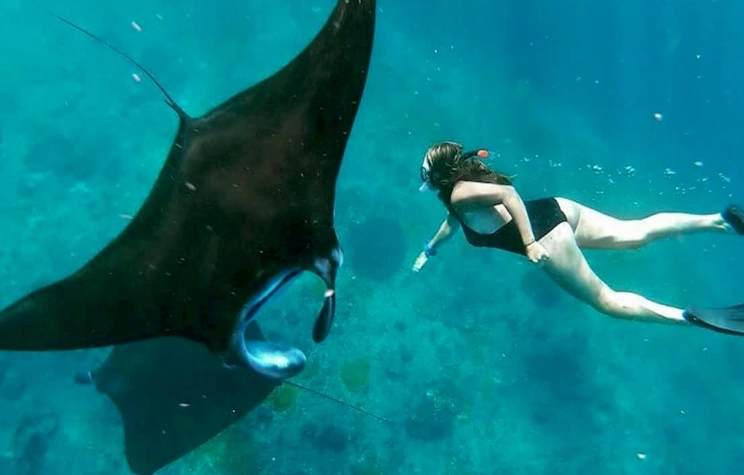
Is it dangerous? Will they sting me?
This is the biggest myth. Manta rays are gentle giants. They are filter feeders—they eat microscopic plankton. They have no teeth, no stingers (those are stingrays, a totally different family). The only danger is from your actions: panicking, hitting coral, or not listening to the safety briefing about boats and currents. They are curious but not aggressive. In thousands of guided snorkels, there has never been a reported manta ray attack on a human.
Do I need to be a strong swimmer?
For most structured tours, no. Especially in Hawaii's night snorkels, you just hold on. In other locations, you need basic comfort in open water and the ability to swim/snorkel calmly for maybe 30-45 minutes at a time. If you're a nervous swimmer, tell the guide! They have floatation devices (noodles, life vests) and will keep a closer eye on you. Be honest on the waiver.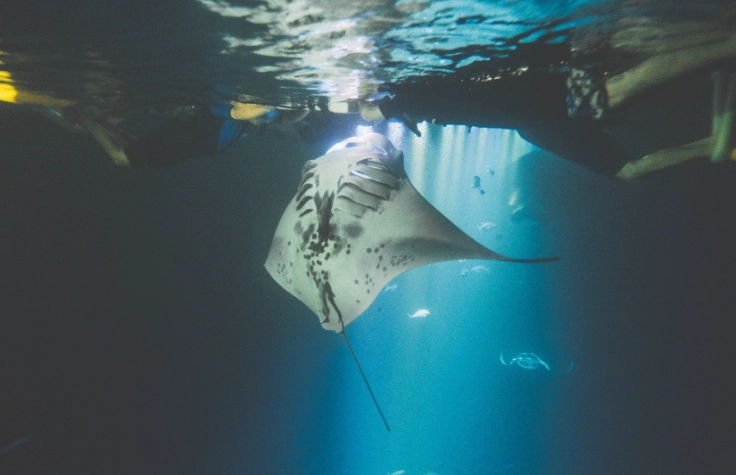
What are the chances I won't see one?
It's wildlife. Nothing is 100%. But in the top spots, the odds are incredibly high. Kona boasts a >90% success rate. In other places, it might be 70-80%. A good operator knows the patterns, the tides, the seasons. This is why picking a good operator matters—they maximize your odds. If seeing a manta is your sole life goal, pick Hawaii.
Is it ethical? Aren't we disturbing them?
This is the most important question. It can be unethical if done poorly. But well-managed tourism is a powerful force for conservation. When local communities and governments see that live mantas are worth more in tourism dollars than dead in a fish market, they protect them. Your tourism dollars fund research, patrols, and local jobs. The key is choosing operators who are part of the solution, not the problem (see the section above).
Research from the National Oceanic and Atmospheric Administration (NOAA) and others shows that manta rays in habituated sites like Kona continue to feed, breed, and behave normally despite the tourism, provided strict guidelines are followed.
What's the difference between a reef manta and an oceanic manta?
Great question! Oceanic mantas (Manta birostris) are the giants—wingspans up to 7 meters (23 ft). They have a darker coloration and tend to roam the open ocean. Reef mantas (Manta alfredi) are smaller (up to 5m/16ft), hang out more around coastlines and reefs, and often have brighter white markings. You might see oceanics in Bali and reef mantas in Australia. Both are breathtaking.
When "Near Me" Means a Longer Trip: Making It Happen
Okay, so snorkeling with manta rays near me might require a passport. Let's plan.
Budgeting: The tour itself ranges from $80-$150 per person. Flights and accommodation are the big costs. Bali and Ecuador are generally more budget-friendly overall. Hawaii and Australia are mid-range to expensive. The Maldives is luxury.
Combining the Trip: Don't make it a manta-only pilgrimage. Hawaii has volcanoes and beaches. Australia has the whole Outback and other parts of the Great Barrier Reef. Bali is, well, Bali. Ecuador has the Amazon and the Andes. Make the manta snorkel the shining jewel of a broader adventure.
Booking Window: For peak seasons (especially Hawaii holidays), book tours months in advance. They sell out. For other places, a few weeks is usually fine.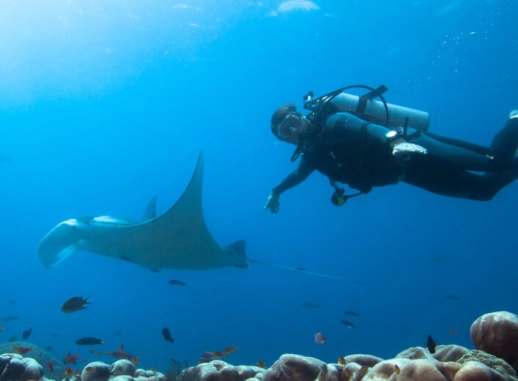
The biggest mistake I see? People rushing. They get in, see the manta, snap a photo, and get out after 5 minutes. Don't. Relax. Float. Watch. The magic happens when you stop trying to capture it and just let it happen. That's when a manta might look you right in the eye. And that's a moment no camera can save.
The Final Word
Typing "snorkeling with manta rays near me" is the start of something special. It's a commitment to seeking out one of the ocean's most intelligent and majestic creatures. It's more than a tick on a list. It's a lesson in humility, in awe, and in being a good guest on this planet.
Do your homework on the operator. Pack your patience and your reef-safe sunscreen. Manage your expectations, but let your hope run wild. When you finally slip into the water and share space with that giant, gliding shadow, you'll realize the search was every bit as important as the find. You weren't just looking for a location. You were looking for a connection. And trust me, you'll find it.
Now go look at flight prices. Your manta is waiting.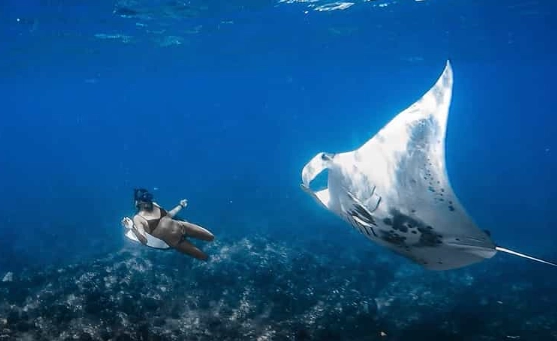
Reader Comments