Let's be honest. You've seen the pictures. Those impossible blues, the coral gardens that look like abstract paintings, the manta rays gliding like underwater spacecraft. Raja Ampat sits at the top of every snorkeler's bucket list for a reason. But planning a trip there feels different. It's not like booking a weekend at a resort. It's an expedition to one of the most remote and biodiverse marine environments on the planet.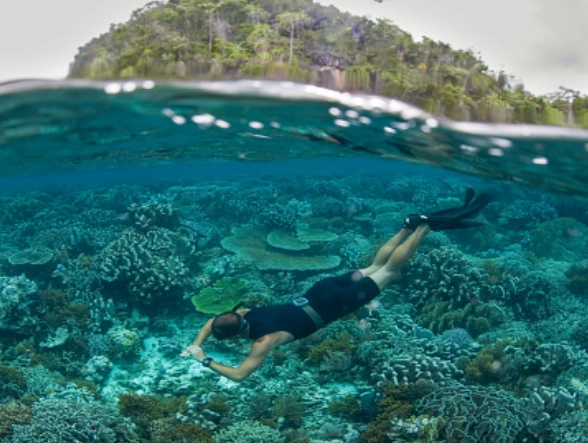
I remember my first jump into the water at Arborek Jetty. The sheer density of life was overwhelming. It wasn't just pretty fish—it was a chaotic, thriving metropolis. That's what makes snorkeling in Raja Ampat unique. You're not a spectator; you're immersed in the engine room of ocean life. This guide isn't just a list of spots. It's the manual I wish I'd had, packed with the gritty details on how to actually do this, where to go, what to avoid, and how to come back with your mind (and your photos) utterly blown.
Your Raja Ampat Snorkeling Cheat Sheet
Why Raja Ampat is a Snorkeler's Holy Grail
Forget comparing it to the Caribbean or the Great Barrier Reef. Raja Ampat operates on another level. Located in West Papua, Indonesia, this archipelago is the heart of the Coral Triangle. Scientists from institutions like Conservation International have identified it as having the highest recorded marine biodiversity on Earth. We're talking over 1,500 fish species and 75% of the world's known coral species.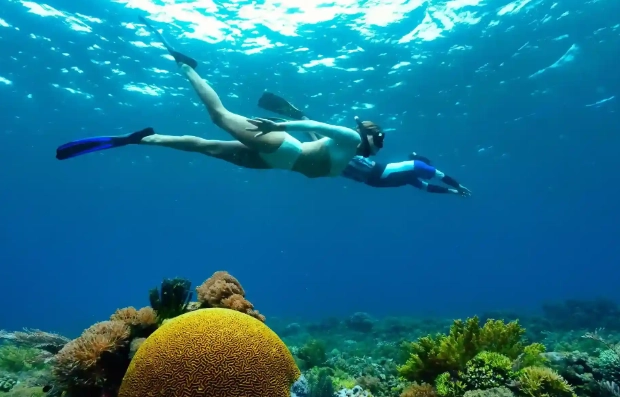
What does that mean for you with a mask and snorkel?
It means you'll see things five feet from the boat that people do 100-foot dives elsewhere to maybe glimpse. The health and scale of the reefs are staggering. Walls of coral drop into the blue, giant sea fans pulse in the current, and fish swarm in layers so thick they block the light. It's visual overload in the best way.
But it's not a curated aquarium. The currents can be strong, the sites are spread out, and the infrastructure is basic. That's the trade-off. The remoteness that protects its beauty also demands more from you as a traveler. You're going for a raw, unfiltered nature experience.
The Unmissable Snorkeling Sites: A Detailed Breakdown
You'll likely access sites via a day boat from your homestay or liveaboard. Here are the spots that define the Raja Ampat snorkeling experience, with the nitty-gritty details most blogs gloss over.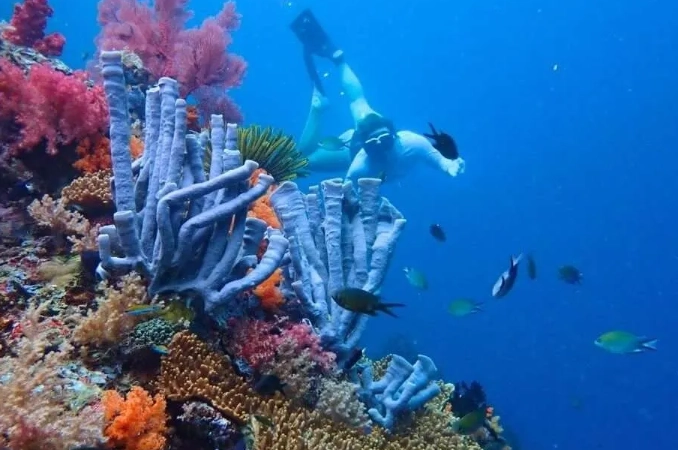
| Site Name | Location (Island) | Key Marine Life | Current & Difficulty | Pro Tip |
|---|---|---|---|---|
| Manta Sandy | Arborek | Manta Rays (cleaning station), Reef Sharks | Moderate, can be strong. Beginner-friendly if you stay close to reef. | Go early (8-10 AM). Mantas are most active. Don't chase them; let the current drift you over the station. |
| Arborek Jetty | Arborek Village | Everything. Schooling fish, turtles, cuttlefish, macro life. | Very mild. Perfect for all levels. | Spend time under the jetty pilings. The shade attracts incredible macro critters like pygmy seahorses (bring a magnifying lens). |
| Cape Kri | Kri Island | Big fish action: Trevallies, Napoleon Wrasse, Sharks. | Strong. For confident snorkelers only. | Do this as a "drift snorkel" from the point. Hold onto your mask! The current sweeps you along a wall of fish. |
| Melissa's Garden | Near Gam Island | Stunning hard coral formations, Anthias, Butterflyfish. | Gentle to moderate. Good for all. | Look down, not just out. The garden-like formations of table corals are the main event here. |
| The Passage | Between Waigeo & Gam | Mangrove roots, soft corals, juvenile fish, bats overhead. | Tidal, can be swift. Requires guidance. | A unique mangrove snorkel. Time it with a rising tide for the easiest flow and best visibility. |
Manta Sandy is the headline act. I've seen people get so excited they forget to breathe. The key is patience. Float above the sandy patch on the reef's edge. The mantas come in to get cleaned by smaller fish. If you kick frantically towards them, they'll leave. Be a calm, still observer and they might circle within arm's reach. It's a lesson in humility.
Cape Kri is the opposite—pure adrenaline. The first time I did it, I misjudged the current and got separated from my group for a heart-pounding minute. It's safe if you're prepared, but it highlights why a good local guide is non-negotiable. They know the water like their backyard.
How to Plan Your Raja Ampat Snorkeling Trip
This is where dreams meet logistics. Raja Ampat isn't a place you wing.
Getting There: The Journey is Part of the Adventure
You have two main gateways: Sorong or Manokwari on the Papuan mainland. Most use Sorong. You'll fly into Domine Eduard Osok Airport (SOQ) from major Indonesian hubs like Jakarta or Makassar. From Sorong's port, it's a 2-3 hour fast ferry ride to Waisai, the capital of Raja Ampat on Waigeo Island. Your accommodation will arrange a boat pickup from Waisai. The whole journey from Sorong airport to your island homestay can take a full day. Pack patience and snacks.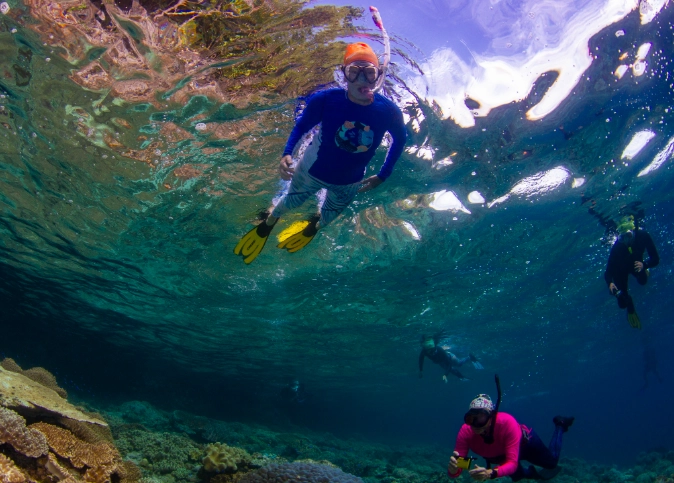
Where to Stay: Resorts, Liveaboards, or Homestays?
Liveaboards: The ultimate for covering ground. You sleep on the boat, waking up at new sites. Fantastic for serious snorkelers and photographers. Prices are high ($3000+ per week), but it's all-inclusive. Companies like Pindito or Sea Safari have strong reputations.
Island Resorts: Places like Misool Eco Resort or Papua Paradise offer luxury and direct reef access. You pay for comfort and conservation (Misool's work is incredible). Expect $400-$800 per night.
Homestays: The heart of the Raja Ampat experience. You stay with a local family in simple wooden bungalows (often overwater). Meals are included, and they run their own snorkeling trips. This is my recommendation for most people. It's affordable ($70-$120 per night), authentic, and directly supports the community. Kri Island, Arborek, and Gam have fantastic clusters of homestays. Book through sites like Stay Raja Ampat.
When to Go & The Raja Ampat Entrance Fee
The dry season (October to April) offers the calmest seas and best visibility. However, this is also peak season. I've been in November and February—both were stellar.
You must purchase the Raja Ampat Entrance Pass. It's a conservation fee (currently 1,000,000 IDR for international visitors, valid for one year). Your homestay or tour operator will usually arrange this for you upon arrival in Waisai. Keep the receipt; you might need to show it.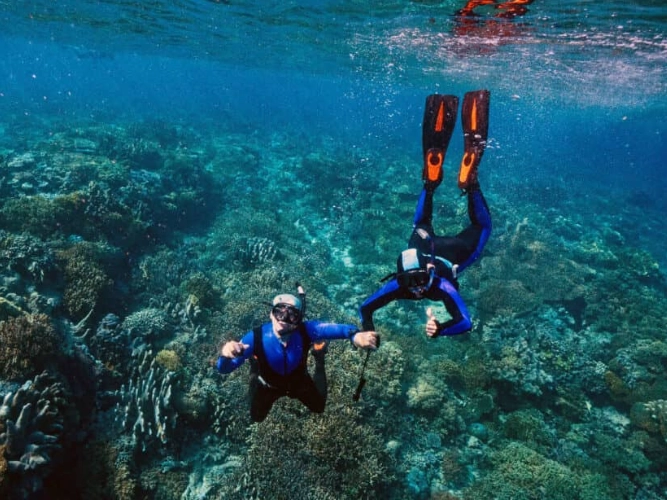
Snorkeling Gear: What You Really Need (and What's Overkill)
Most boats provide basic gear. I strongly advise against using it. A leaky mask will ruin your trip. Bring your own.
- Mask & Snorkel: Get a mask that fits your face perfectly. Do the suction test in the shop. A dry-top snorkel is worth it for choppy days.
- Fins: Full-foot fins (like for diving) are better than adjustable strap fins. They're more efficient and less likely to chafe. You'll be doing a lot of finning against current.
- Rash Guard/Long-Sleeve Swim Top (MANDATORY): This is not optional. The sun is brutal, and sunscreen washes off and harms corals. A 50+ SPF rash guard protects you and the reef. Bring two—they stay damp.
- Anti-Fog: Baby shampoo in a small bottle works better than most commercial gels. Apply, rinse lightly, and your mask won't fog all day.
- Waterproof Dry Bag: For your phone, pass, and cash on the boat.
The one piece of "extra" gear I now never travel without: a simple underwater camera like an Olympus TG-6 or a GoHero. The photo opportunities are once-in-a-lifetime.
Raja Ampat Snorkeling: Your Questions, Answered
Snorkeling in Raja Ampat isn't just a vacation activity. It's a pilgrimage for anyone who loves the ocean. It will reset your baseline for what a healthy reef looks like. You'll come back with salt in your hair, a camera full of impossible colors, and a fierce desire to protect places like this. The planning is a bit of work, the journey is long, but the reward—floating in that warm, teeming water—is absolutely worth every step.
Start emailing those homestays.
Reader Comments