Essential Summary
- Why This is Such a Hot Topic (And What Can Go Wrong)
- Choosing Your Lens: The Best (and Worst) Types for Snorkeling
- Your Pre-Snorkel, Mid-Snorkel, and Post-Snorkel Action Plan
- What If Contacts Just Aren't For You? Exploring the Alternatives
- Answering Your Burning Questions (The FAQ)
- Wrapping It Up: Making Your Personal Choice
Let's be real. You've booked that dream tropical getaway, you're picturing yourself floating over a stunning coral reef, and then it hits you. You can't see a thing past your nose without your glasses or contacts. The big question pops into your head: can I just wear my contact lenses snorkeling?
It's a super common dilemma. I've been there myself, squinting at the blurry world before reluctantly putting my contacts in, hoping for the best. The internet is full of conflicting advice—some say it's fine, others scream about eye-eating amoebas. It's enough to make you want to skip the snorkel trip altogether.
But you shouldn't have to choose between seeing the rainbow fish and keeping your eyes safe. This guide is here to cut through the noise. We're going to talk about the actual risks (some are overblown, others are dead serious), the best types of lenses to use if you decide to go for it, and all the practical tips you need for a comfortable, clear-vision experience. We'll even dive into the alternatives, because sometimes, the best solution isn't snorkeling with contact lenses at all.
Why This is Such a Hot Topic (And What Can Go Wrong)
Think about it. Millions of people wear contacts daily. Snorkeling is one of the world's most popular water activities. It was only a matter of time before these two worlds collided. The core appeal is obvious: convenience. You're already wearing them, why take them out? The vision correction is seamless, unlike bulky prescription masks which can be expensive or fog-prone.
But water and contact lenses are natural enemies. Here’s what you're really signing up for when you consider snorkeling with contact lenses.
The Big Three Risks You Can't Ignore
These aren't scare tactics; they're the documented issues eye care pros talk about.
Infections, The Scary One: This is the headline-grabber. Water, especially freshwater (like lakes, rivers, and even poorly maintained pools), can contain a microorganism called Acanthamoeba. If this gets trapped under your contact lens, it can lead to a rare but severe and painful infection called Acanthamoeba keratitis. Treatment is long and tough. The Centers for Disease Control and Prevention (CDC) explicitly warns against exposing contact lenses to any water. Saltwater isn't sterile either—it has bacteria and other microbes that can cause nasty eye infections.
Lens Loss, The Annoying One: It happens more often than you'd think. A sudden wave, a misjudged mask clearing attempt, or even just blinking hard underwater can dislodge a lens. Suddenly, one eye's view of the parrotfish goes from HD to a murky mess. There you are, in the middle of the ocean, half-blind and trying to find a tiny, transparent disc. Good luck.
Discomfort and Irritation, The Common One: Salt, sand, sunscreen, and other particles can get stuck on or under your lens. The result? A gritty, irritated, red eye that ruins the fun. Even if you avoid infection, spending your snorkel trip blinking like crazy is a terrible way to experience a reef.
But hey, don't panic just yet. Knowing the risks is the first step to managing them. A lot of seasoned snorkelers do wear contacts and have a great time. The secret is in the preparation and the type of lens you use.
Choosing Your Lens: The Best (and Worst) Types for Snorkeling
If you've decided the convenience outweighs the risks for you, your choice of contact lens is the single most important factor. Not all lenses are created equal for this purpose.
Here’s a breakdown that might help you decide.
| Lens Type | Why It's Good for Snorkeling | The Major Drawback | My Personal Verdict |
|---|---|---|---|
| Daily Disposables | **Top choice.** You use a fresh, sterile pair right before snorkeling and throw them away immediately after. This drastically reduces the risk of trapping pathogens from the water. No cleaning needed. | Can be more expensive per lens than longer-use types. You need to carry enough pairs. | This is the only type I feel comfortable recommending. The hygiene factor is a game-changer. |
| Silicone Hydrogel Lenses (Monthly/Two-Week) | They allow more oxygen to reach your cornea, which is healthier for your eyes, especially during longer snorkel sessions. | You MUST clean and disinfect them perfectly after exposure to water, which is a risky process. Any biofilm from the water can stick to them. | Better than standard soft lenses, but the post-snorkel cleaning hassle and risk make them a distant second to dailies. |
| Standard Soft Lenses (Monthly) | They're common and you might already own them. | Lower oxygen permeability. They are porous and can absorb contaminants from the water, holding them against your eye. | I'd avoid these. They feel like the riskiest option among modern lenses. |
| Rigid Gas Permeable (RGP) Lenses | Less likely to absorb contaminants. Some people find them very stable on the eye. | They are much more likely to pop out if water gets behind them. The dislodgement risk is high, and losing an RGP lens is a costly mistake. | Too risky for loss. The potential for a very expensive snorkel trip is real. |
See the pattern? The shorter the lens life, the lower the risk. It's all about minimizing the time contaminants have to interact with the lens material. That's why the consensus among informed snorkelers leans so heavily toward daily disposables.
Your Pre-Snorkel, Mid-Snorkel, and Post-Snorkel Action Plan
Okay, you've got your daily disposables. You're not done. How you handle things before, during, and after the water is what separates a good experience from a bad one.
Before You Get Wet: The Setup
This part is crucial. Don't just slap your contacts in on the boat.
- Wash Those Hands: Use soap and water, and dry them with a lint-free towel or air dry. You don't want to transfer sunscreen or lotion to your lens.
- Insert Lenses Last: Put your contacts in after you've applied all sunscreen and insect repellent to your face and body. These chemicals can stick to lenses and cause serious irritation.
- Test Your Mask Seal: Do a dry fit. Put your mask on without the strap, inhale gently through your nose, and let go. It should stay suctioned to your face. A good seal means less chance of water flooding in and disturbing your lenses.
- Pack Your Kit: In a waterproof bag: a small bottle of preservative-free artificial tears (more on this later), your backup lens pair, your glasses, and a lens case filled with fresh solution (just in case).
While You're Snorkeling: In-The-Moment Tips
You're in the water. It's beautiful. Here's how to keep it that way.
The number one rule? Try not to get water in your eyes. I know, it sounds obvious, but be mindful. When you clear your mask (pushing the top and exhaling through your nose), do it gently and deliberately. A forceful clear can sometimes send a jet of water right into your eye.
If water does get in, try to keep your eyes closed for a moment and let the water drain out from under the mask skirt. Do not rub your eye. Rubbing with a contact lens in, especially if there's sand, is a surefire way to scratch your cornea.
If your eyes start to feel dry or irritated, it's time for a trick. Tilt your head back, open your eyes wide, and let a drop or two of seawater (from inside your mask, not directly from the ocean!) moisten them. It's not ideal, but it's better than intense dryness. The real solution is to surface and use your artificial tears.
A moment of panic I've had: feeling a lens shift. It's unsettling. I just floated calmly, blinked slowly a few times, and it usually settled back into place.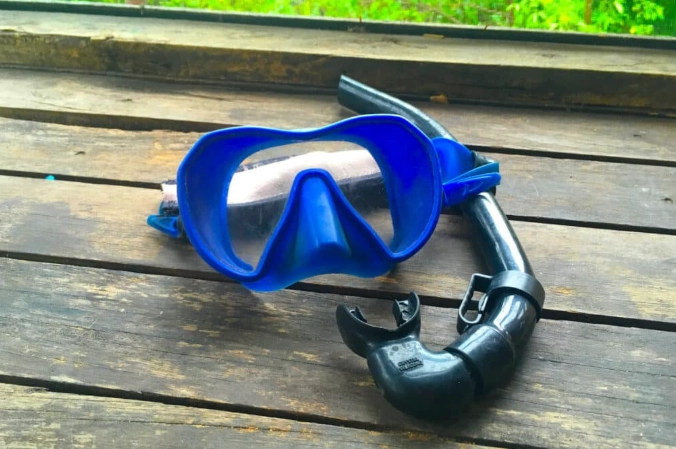
After Snorkeling: The Clean Exit
This is non-negotiable. Your post-snorkel routine is your best defense.
- Get Out of the Water: As soon as you're done snorkeling for the day, get out.
- Wash Your Hands (Again): Rinse the salt and sand off your hands with fresh water first.
- Remove and Discard: Take out your daily disposable lenses and throw them away. Yes, even if they were expensive and you only wore them for two hours. Their job is done.
- Rinse Your Eyes: Use preservative-free artificial tears to flush your eyes. They come in little single-use vials and are a snorkeler's best friend. They help rinse out any lingering salt or microbes.
- Don't Sleep in Them: Even if you're exhausted from a day in the sun and ocean, never, ever sleep in lenses that have been exposed to water. The risk of infection skyrockets.
It seems like a lot of steps, but once it's a habit, it takes two minutes. Those two minutes are worth it for peace of mind.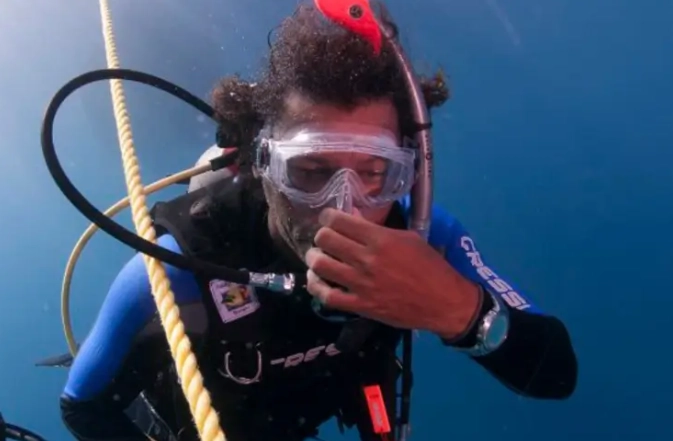
What If Contacts Just Aren't For You? Exploring the Alternatives
Maybe after reading this, the idea of snorkeling with contact lenses still makes you nervous. Or perhaps you wear two-weeklies and don't want to buy dailies just for a trip. That's perfectly smart. Let's look at the other ways to see clearly underwater.
Prescription Snorkel Masks: This is the gold-standard alternative. These are regular snorkel masks with the glass lenses ground to your specific prescription. No contacts, no fuss. You just put it on and see perfectly.
- Pros: Super convenient, safe, no ongoing costs, great for people who snorkel frequently.
- Cons: Higher upfront cost (though prices have come down), you need to know your prescription, and if your eyesight changes, you need a new mask. Also, if you wear bifocals, you'll need a special mask.
Stick-On Lens Inserts: These are adhesive corrective lenses that you stick to the inside of a standard mask's lens. They're cheaper than a full prescription mask.
- Pros: Affordable, can be moved to different masks.
- Cons: They can peel, trap bubbles, or fog more easily. The adhesive can degrade over time.
Going Without: For mild nearsightedness, some people are happy just seeing the blurry colors and shapes. But you'll miss the details—the tiny shrimp, the fish's patterns. For me, it defeats the purpose.
Answering Your Burning Questions (The FAQ)
No. Just, no. It won't work. The arms of the glasses will break the mask's seal, causing it to flood constantly. It's also incredibly uncomfortable and can scratch both your glasses and the mask lens. Don't even try it.
This is important. While neither is "safe" from a sterile standpoint, saltwater is generally considered less risky than freshwater. The scary Acanthamoeba organism is far more common in freshwater sources like lakes, rivers, and tap water. The ocean's salinity makes it a less hospitable environment for many pathogens. However, ocean water has plenty of bacteria. So the rule remains: avoid water contact if possible, but be extra cautious in lakes and rivers.
Using a drop of lubricating, preservative-free artificial tear before putting your mask on can help create a more comfortable moisture barrier. But avoid redness-removing drops (like Visine) as they can constrict blood vessels and dry your eyes out more in the long run.
Yes, but with a big caveat. You must be fully healed and have your doctor's clearance. This usually means waiting several weeks to months after surgery. The flap created during LASIK needs to be completely sealed to prevent infection from waterborne organisms. Always, always follow your surgeon's specific post-op instructions, which will always include a period of avoiding swimming and hot tubs. Once cleared, you'll enjoy the incredible freedom of snorkeling with perfect vision and no lenses!
The principles are the same, but the stakes are higher. You cannot equalize your mask (pinch your nose and blow) with contacts in? Actually, you can, but you must be careful not to squeeze your eyes shut tightly, which can dislodge a lens. The same lens rules apply: dailies are best. However, if you're a serious diver, investing in a prescription mask is arguably an even better idea, as it removes one more variable from your dive routine.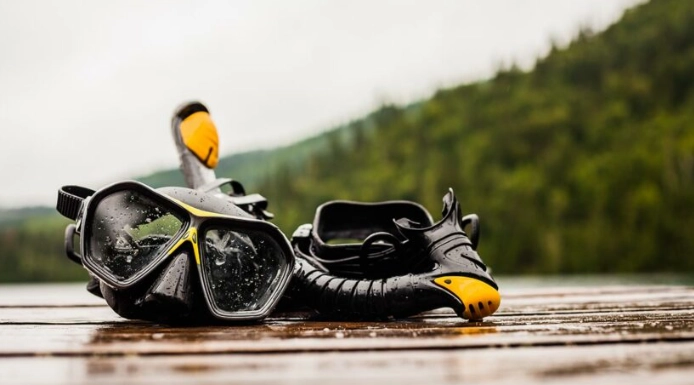
Wrapping It Up: Making Your Personal Choice
So, is snorkeling with contact lenses a good idea? It's not a simple yes or no. It's a calculated choice.
For the occasional snorkeler who is diligent, uses daily disposable lenses, and follows a strict hygiene routine before and after, it can be a successful and convenient option. Thousands of people do it every year without issue.
But you have to respect the risks. If the thought of a potential eye infection makes you anxious (a totally reasonable feeling), then the stress alone will ruin your trip. In that case, look into a prescription mask or inserts. The peace of mind is worth every penny.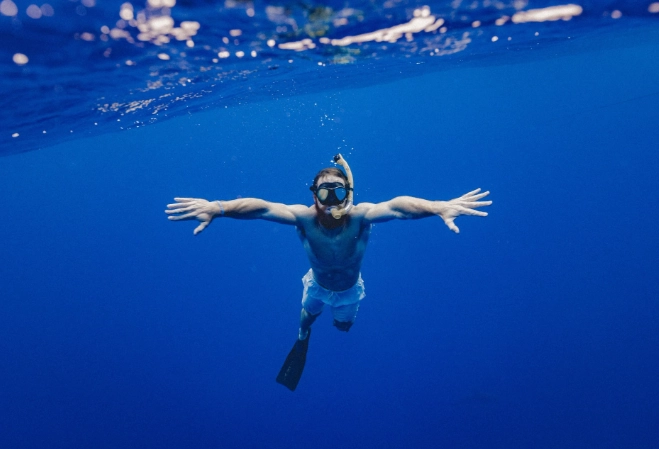
My final piece of advice? Don't let vision worries stop you from experiencing the underwater world. Whether you choose carefully managed contact lenses or opt for a corrective mask, a solution exists. Do your research, prepare your kit, and then get out there. The turtles and angelfish are waiting, and they look a whole lot better in focus.
Just remember to blink. And enjoy the view.
Reader Comments