In This Guide
- Beyond the Pretty Fish: The Top 5 Real Snorkeling Dangers in Seychelles
- Island-by-Island Snorkeling Danger Lowdown
- Your Practical Anti-Danger Snorkeling Checklist
- What If Something Happens? Quick Response Guide
- Straight Answers: Your Seychelles Snorkeling Danger Questions
- Final Thought: It's About Respect, Not Fear
Look, I get it. You've seen the pictures. Crystal clear water, pristine white sand, and those iconic granite boulders. Snorkeling in Seychelles looks like a dream, and honestly, most of the time it absolutely is. But after spending weeks hopping between Mahe, Praslin, and La Digue, and talking to local dive masters and fellow travelers, I learned that the Instagram feed doesn't tell the whole story. There's a side to Seychelles snorkeling danger that often gets glossed over in the glossy brochures. It's not about scaring you off—far from it. It's about making sure your dream trip doesn't turn into a stressful ordeal because you weren't prepared.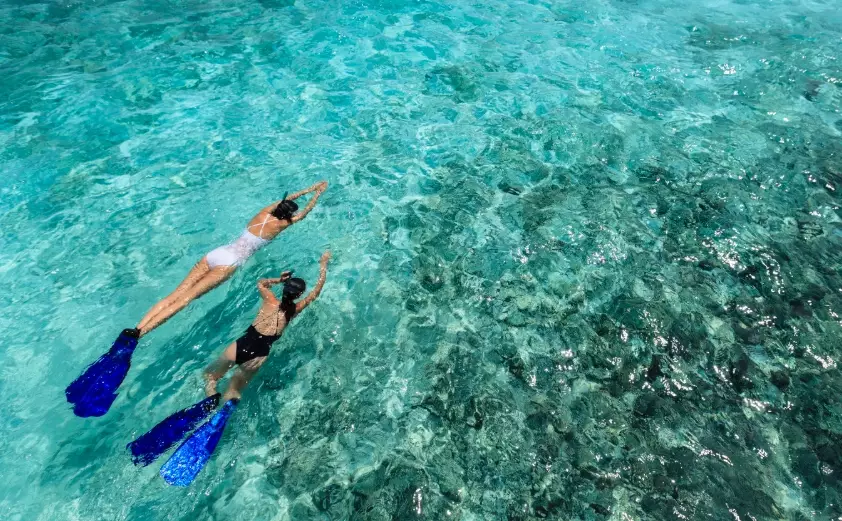
I remember my first snorkel at Anse Lazio. The water was so clear it felt unreal. But within twenty minutes, I felt a tug. Nothing dramatic, just a persistent pull. I was fine, a confident swimmer, but it was a quiet reminder that the ocean here has its own rhythm. That's the thing about Seychelles snorkeling dangers—they're often subtle. They won't always jump out at you like a movie scene. This guide isn't a fear-mongering list. Think of it as a chat with a friend who's been there, made a few observations (and maybe a small mistake or two), and wants you to have the best, safest time possible.
The Core Idea: The biggest Seychelles snorkeling danger isn't a specific shark or a monster wave; it's complacency. Assuming every calm bay is equally safe, or that your holiday mood makes you invincible. Respect the environment, and it will reward you with an unforgettable experience.
Beyond the Pretty Fish: The Top 5 Real Snorkeling Dangers in Seychelles
Let's break down what you're actually up against. I've ranked these not by scariness, but by how likely you are to encounter them and how much of an impact they can have on your day.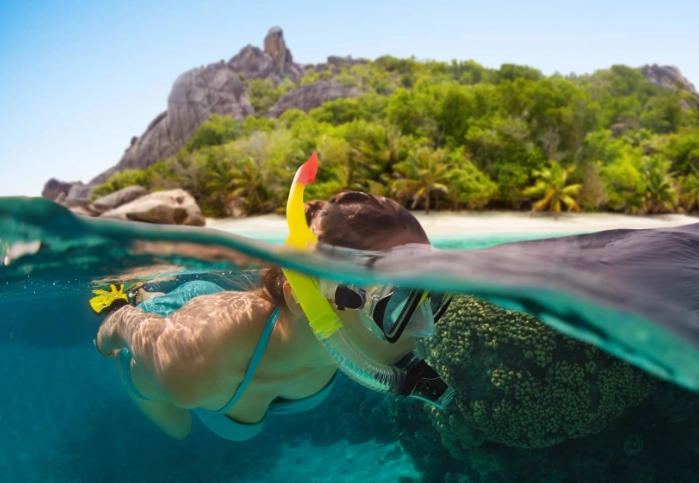
1. The Silent Force: Currents and Tides
Hands down, this is the number one concern. The Seychelles archipelago sits in the middle of the Indian Ocean, and the water movement is complex. You might be floating peacefully in a lagoon one minute, and the next, find yourself being gently but firmly pulled towards a channel between islands or a reef pass.
What makes it a key Seychelles snorkeling danger? It's invisible. You can't see a current until you're in it. The tides here are significant, and they dramatically change the water flow, especially around headlands and in channels. A spot that's a serene pool at low tide can become a flowing river at high tide.
How to spot it: Look for choppier water, lines of foam or debris moving in a consistent direction, or areas where the water color changes abruptly. Always ask a local—the hotel staff, a boat captain, or a nearby fisherman. They know the daily rhythm of their beach.
2. Marine Life: Respect, Don't Fear
This is what most people think of when they hear dangerous snorkeling in Seychelles. The reality is less dramatic but requires awareness. You're a guest in their home.
- Stonefish & Scorpionfish: The masters of camouflage. They look exactly like a rock or coral rubble. Step on one, and their dorsal spine delivers an intensely painful, venomous sting. This is a major reason why reef shoes are non-negotiable in Seychelles, even in shallow water.
- Sea Urchins: Long-spined black sea urchins are common. Brushing against them can lead to painful spines breaking off in your skin. Watch where you put your hands when steadying yourself on rocks.
- Stingrays: Generally shy and harmless if left alone. The danger comes from accidentally stepping on one buried in the sand. Do the "stingray shuffle"—shuffle your feet through the sand when wading in to scare them away.
- Sharks: Reef sharks (blacktip, whitetip) are common sightings and are not considered a threat to snorkelers. They are curious but skittish. Seeing one is a thrill, not a Seychelles snorkeling danger. The advice is simple: stay calm, watch from a distance, and don't make erratic movements.
I had a fantastic encounter with a small blacktip reef shark at Curieuse Island. It circled our group at a respectful distance for a minute before vanishing into the blue. It was the highlight of the day, not a scary moment. The key is education, not fear.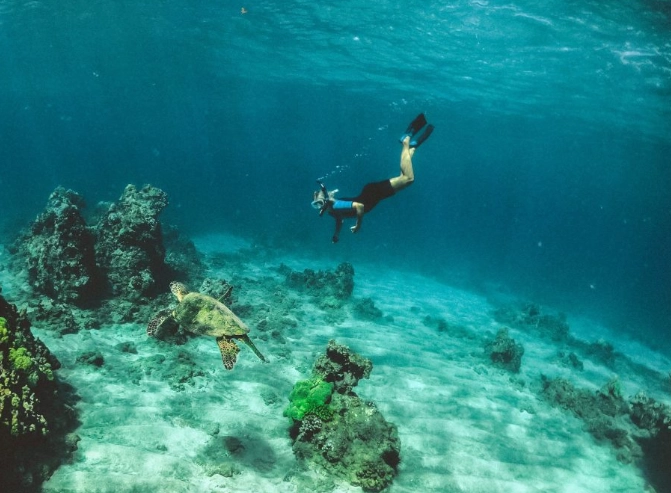
3. The Sun and Dehydration: A Slow Burn
This sounds obvious, but you'd be surprised how many people (myself included, on day one) get utterly wiped out by it. You're in the water, you feel cool, so you forget the equatorial sun is beating down on your back and the back of your legs. A bad sunburn or heat exhaustion can ruin your entire trip.
Combine that with breathing through your mouth, which dries you out, and the physical effort of swimming, and dehydration creeps up fast. Headaches, dizziness, and fatigue aren't just annoying—they impair your judgment and swimming ability, turning a minor situation into a real Seychelles snorkeling danger.
4. Coral Cuts and Abrasions
The coral reefs are beautiful but fragile—and sharp. A careless kick or a wave pushing you into a reef can result in deep, nasty cuts that are prone to infection. Coral polyps have living tissue that can get into the wound, leading to slow healing and potential infections.
Beyond the personal pain, touching or standing on coral kills it. It can take decades for coral to grow back. So avoiding this Seychelles snorkeling danger is also an act of conservation. Maintain good buoyancy, never stand on the reef, and be mindful of your fins.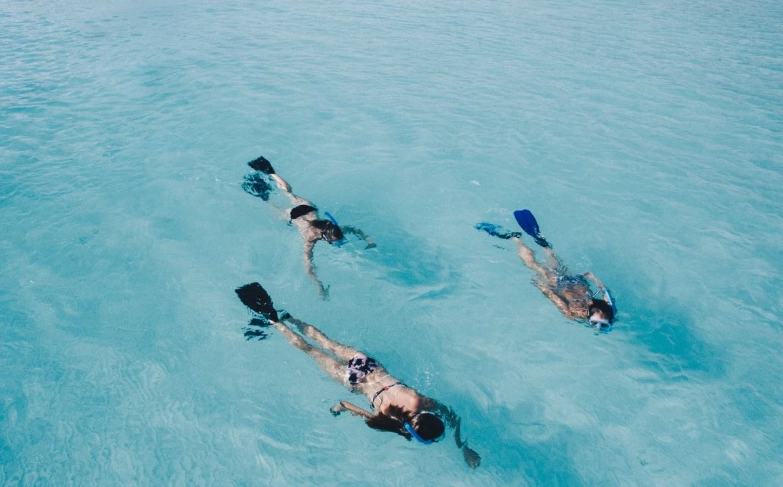
5. Isolation and Access to Help
Many of the best snorkeling spots in Seychelles are remote—accessed by boat or down a secluded beach path. If something goes wrong (a bad cut, severe cramp, jellyfish sting), you might be a long way from first aid or a phone signal.
This amplifies every other risk. A minor issue in a resort bay becomes a major problem on a deserted island. Always let someone know where you're going and when you expect to be back if you're heading off the beaten track.
Island-by-Island Snorkeling Danger Lowdown
Not all islands are created equal. Here’s a quick, honest take on what to expect snorkel-wise in the main tourist spots.
| Island | Typical Conditions | Primary Hazards to Watch For | Best For |
|---|---|---|---|
| Mahé (e.g., Beau Vallon) | Easily accessible beaches, can get crowded. Water clarity varies with weather. | Deceptively strong longshore currents, occasional boat traffic near the bay. | Beginners, families, convenience. Good for a first dip. |
| Praslin (e.g., Anse Lazio, Côte d'Or) | Often calmer, stunning visibility. Some of the most picture-perfect spots. | Subtle currents near the points of bays. Sea urchins in rocky areas. | Confident beginners & intermediate snorkelers. Beautiful coral gardens. |
| La Digue | Mixed. Some calm, shallow lagoons (Anse Sévere), others with stronger open-ocean influence. | Varies wildly by beach. Always ask a local about the day's conditions. Rocky entries common. | Adventurous snorkelers willing to explore. Rewarding for those who do their homework. |
| Curieuse & St. Pierre (via boat trip) | Usually excellent visibility, thriving marine life. | Open ocean conditions. Currents can be strong around St. Pierre islet. No immediate help. | Experienced snorkelers comfortable in deeper water. Incredible fish and shark sightings. |
| Silhouette Island | Pristine, less visited reefs. Often requires a boat or resort stay. | Remote. Limited assistance. Complex reef structures with drop-offs. | Advanced snorkelers and divers seeking untouched beauty. |
Your Practical Anti-Danger Snorkeling Checklist
Forget just packing a mask. Here’s what you actually need to think about to mitigate those Seychelles snorkeling dangers.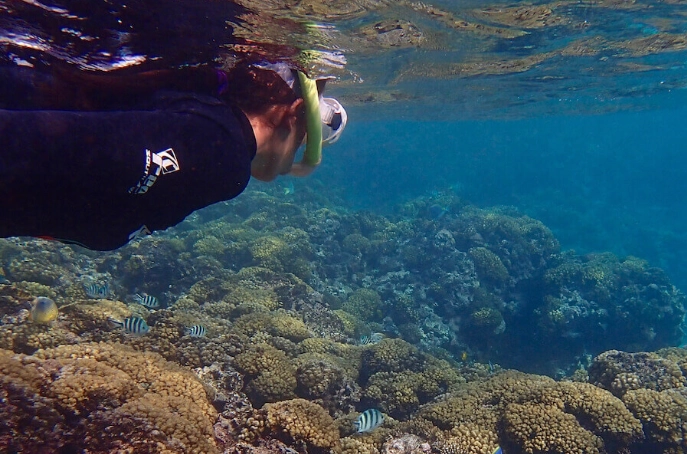
Before You Get in the Water
- Assess: Spend 10 minutes watching the water. Look for current direction, wave patterns, and other swimmers.
- Ask: Talk to a local lifeguard, boat operator, or hotel activity desk. “Any currents today? Any areas to avoid?”
- Plan: Agree on a turnaround point or time with your buddy. “We’ll swim to that big rock and then come back.”
- Gear Check: Does your mask seal? Do your fins fit? Are your reef shoes intact? A leaking mask in choppy water is miserable.
Essential Gear (Beyond the Basics)
- Reef Shoes: Not flip-flops. Proper, snug-fitting aqua shoes with a solid sole. Your best defense against stonefish and urchins.
- Rash Guard / UV Shirt: Protects from sun AND minor scrapes against coral. A total game-changer.
- Surface Marker Buoy (SMB) or Snorkel Vest: For boat-access snorkeling, an SMB makes you highly visible to your boat captain and other vessels. A vest provides extra buoyancy and peace of mind if you tire.
- Waterproof Dry Bag: For your phone, keys, and a small first-aid kit to leave on the beach.
First Aid Must-Haves for Your Day Bag
A small kit can make a huge difference. Pack: vinegar (for jellyfish stings), antiseptic wipes, waterproof plasters/band-aids, a small roll of gauze, antiseptic cream, and pain relievers. Tweezers can be useful for sea urchin spines, but know that deeply embedded spines need medical attention—don’t dig around.
What If Something Happens? Quick Response Guide
Stay calm. Panic wastes energy and clouds thinking.
Caught in a current? Don’t fight it directly. Swim parallel to the shore until you feel the pull lessen, then angle your way back in. If you can’t, conserve energy, float on your back, and signal for help. Waving one arm high is a universal distress signal.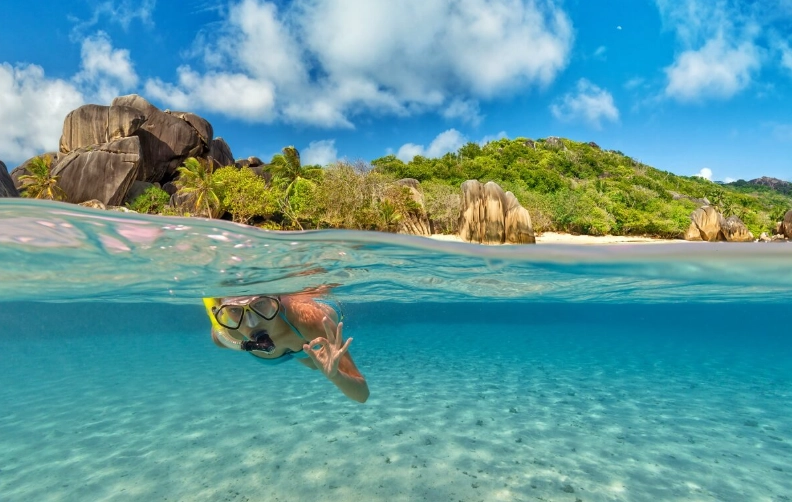
Stung by a jellyfish? Rinse with vinegar if available (not fresh water, which can trigger more stinging). Carefully remove any tentacles with a tweezers or the edge of a credit card. Seek medical help for severe reactions. Official advice from organizations like the British Red Cross often provides clear, up-to-date first aid guidelines for marine stings.
Cut by coral? Get out of the water. Clean the wound thoroughly with antiseptic. Apply antiseptic cream and a clean dressing. Monitor closely for signs of infection (increased redness, swelling, pus). See a doctor if it looks infected—don’t wait.
Seeing a shark? Enjoy the moment! Maintain eye contact, stay calm and still, and give it space. It will almost certainly lose interest and swim away.
Straight Answers: Your Seychelles Snorkeling Danger Questions
Final Thought: It's About Respect, Not Fear
Writing this, I don’t want you to finish feeling anxious. The goal is the opposite. Knowing about these potential Seychelles snorkeling dangers empowers you. It takes the unknown out of the equation. You pack the right gear, you ask the right questions, you choose your spot with a bit more knowledge.
The ocean in Seychelles is breathtakingly beautiful and teeming with life. By approaching it with respect and preparation, you ensure your safety and contribute to the conservation of this fragile paradise. Organizations like the Seychelles Parks and Gardens Authority work hard to protect these marine ecosystems, and as visitors, we play a part by following good practices.
So go ahead. Book that trip. Get excited. Just remember to pack your reef shoes, your common sense, and a healthy dose of respect for the powerful, beautiful environment you’re about to enjoy. Have an amazing time.
Reader Comments