In This Guide
- What You Actually Do on a Manta Ray Night Snorkel in Kona
- Picking Your Tour: What Really Matters
- The Not-So-Glamorous Stuff (But You Need to Know)
- When is the Best Time for Snorkeling with Manta Rays in Kona?
- A Quick Month-by-Month Reality Check
- Gearing Up: What to Bring (And What to Leave)
- Your Impact: Snorkeling with a Conscience
- Answers to the Questions You're Actually Asking
- Making It Happen: Your Action Plan
Let's cut straight to it. If you're reading this, you're probably dreaming of floating in the dark Pacific, lit up by underwater beams, as giant, graceful wings glide silently beneath you. You're thinking about snorkeling with manta rays in Kona. And you should be. It's one of those travel experiences that sticks with you, the kind you describe to friends and just can't do justice with words or even photos.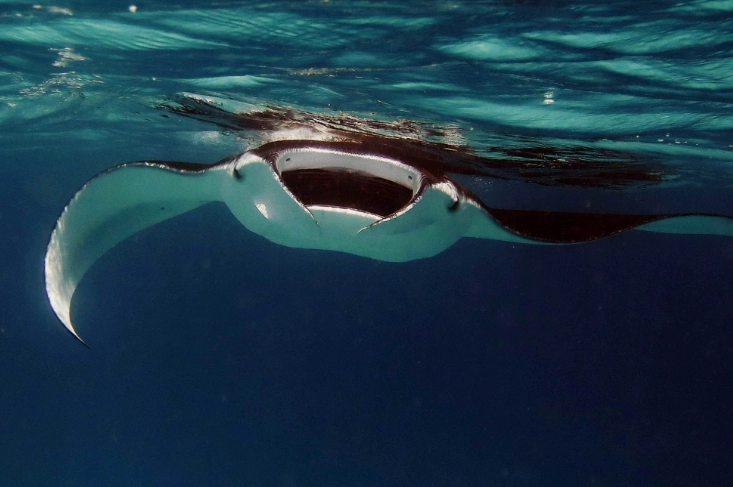
But here's the thing I wish someone had told me before my first trip: not all experiences are created equal. There's a right way and a less-right way to do this. This isn't just another listicle. I've been out there on the water, felt the mix of excitement and slight nerves, and talked to the captains and marine naturalists who do this every night. This guide is for you—the person who wants the real story, the practical details, and the honest lowdown on what it takes to have an unforgettable (and responsible) night with Kona's majestic manta rays.
Why Kona is the Manta Ray Snorkeling Capital: It's not an accident. The combination of the island's geography, underwater topography, and the manta rays' feeding behavior creates a perfect storm. Spotlights from the snorkel tours attract plankton, the manta's food. The mantas have learned this means an easy buffet. It's a rare case of tourism directly facilitating a natural behavior we can observe. The NOAA Fisheries page on Giant Manta Rays confirms their intelligence and learned behaviors, which is exactly what's happening here.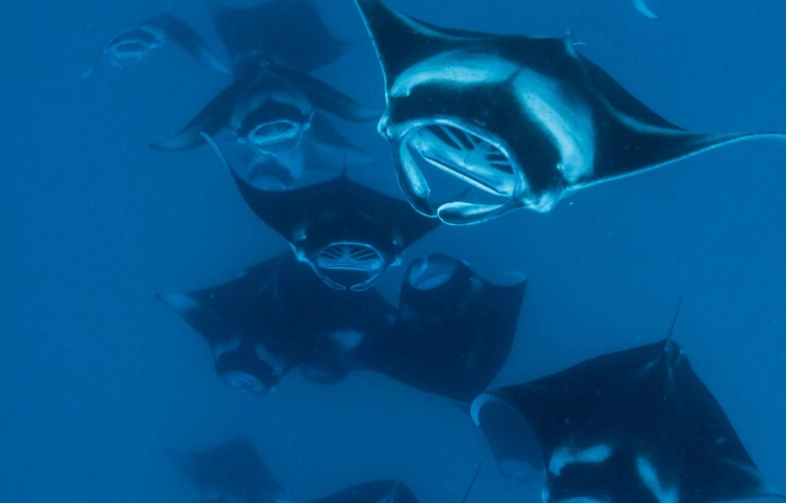
What You Actually Do on a Manta Ray Night Snorkel in Kona
I think there's a misconception that you're chasing wild animals. You're not. The setup is more like a gentle, floating observation platform. Here’s the typical flow of an evening, broken down so you know exactly what to expect.
Your tour will start before sunset. You'll check in at the dock, get fitted for gear (snorkel, mask, fins, and a wetsuit top—the water can get chilly after dark), and listen to a safety briefing. This briefing is crucial. They'll explain the "manta ray ballet" concept: you'll hold onto a floating surfboard with handles, face down in the water, with your body floating out behind you. Lights on the board attract the plankton, and the mantas come to feed, often doing graceful loops right underneath you.
Then you motor out to the site. There are a few primary sites along the Kona coast, like Garden Eel Cove or the Airport site. The captain will choose based on conditions and recent activity. You'll get in the water as the last light fades, holding onto your assigned spot on the light board. And then you wait. It's a mix of anticipation and just enjoying the strange beauty of the lit-up water.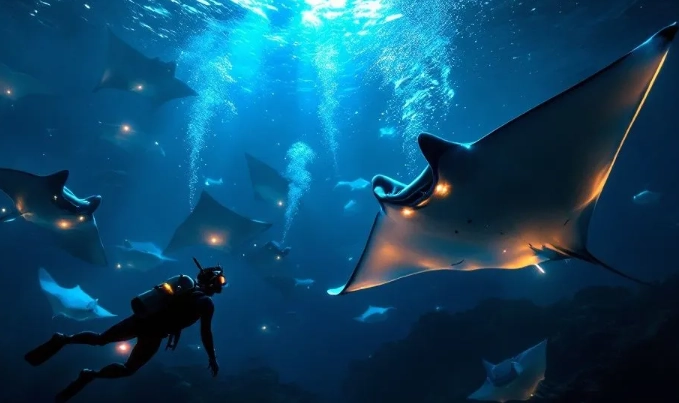
And then you see it. A shadow. Then the distinct, pointed cephalic fins (those head flaps that funnel food) come into view. Your first manta ray in Kona. It's silent, powerful, and somehow both massive and gentle. They might come within inches, but they are in complete control. They never touch you. They're just there, doing their thing, and you get a front-row seat.
My first time, I remember holding my breath without realizing it. Not from fear, but from pure awe. The guide had to tap my shoulder and remind me to breathe through the snorkel. It's that captivating. You forget you're even in the water sometimes.
Picking Your Tour: What Really Matters
This is where you can make or break your experience. A quick search shows dozens of operators. How do you choose?
First, size matters, but maybe not how you think. Smaller boats (say, 6-12 passengers) mean a more personal experience, quicker getting in and out of the water, and often more flexibility. Bigger boats might feel more stable for those worried about seasickness and sometimes have nicer amenities (like real bathrooms). I personally lean towards smaller groups—it feels less like a cattle call.
Second, guide quality is everything. You want a crew that's passionate, knowledgeable about marine biology, and strict about the rules. The best guides give a fantastic briefing, manage the group in the water calmly, and can identify individual mantas by their unique ventral spot patterns (like a fingerprint). Ask how long they've been operating. Companies that have been around for decades, like some of the family-run ones, have this down to a science.
Third, check what's included. At a minimum: gear, wetsuit, snorkel briefing, and light boards. Some include hot drinks and snacks afterwards, which is a lovely touch when you're coming out of the water at night.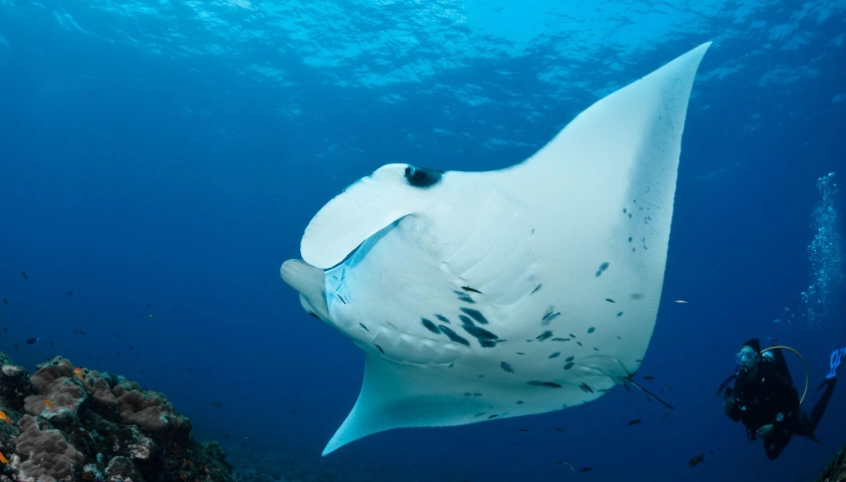
Here’s a quick comparison of what to look for:
| Feature | Why It's Important | What to Ask/Check |
|---|---|---|
| Group Size | Impacts personal attention, water space, and overall vibe. | "What's your maximum passenger count for the manta snorkel?" |
| Guide-to-Guest Ratio | More guides mean better safety and more interaction. | "How many crew members are in the water with us?" |
| Vessel Type & Amenities | Affects comfort, stability, and post-snorkel experience. | Look at photos. Is there a dry area, a head (bathroom), freshwater shower? |
| Environmental Policy | Shows if they prioritize manta ray welfare and conservation. | Are they involved in research or citizen science? Do they follow Manta Pacific's Code of Conduct? |
| Flexibility & Guarantee | Mantas are wild animals. A good policy shows integrity. | "What happens if we don't see any mantas?" (Many offer a free return trip). |
Pro Tip from a Local Captain: Book your snorkeling with manta rays Kona tour for the beginning of your trip, not the end. Why? If you don't see them the first night (it happens rarely, but it does), you have time to rebook using the operator's guarantee policy. If you book it for your last night, you're out of luck.
The Not-So-Glamorous Stuff (But You Need to Know)
Okay, let's be real. It's not all perfect. Managing expectations is key to having a great time.
It can be crowded. There, I said it. On a popular night, you might see 5-8 boats at a site, each with their own light board. It can feel a bit busy on the surface. But once your face is in the water, your world shrinks to the circle of light and the incredible animals in it. The mantas don't seem to mind—they just cruise from one plankton-rich light pool to the next.
You might get seasick. You're on a boat, at night, sometimes in swell, and then you're floating focusing on something close up. If you're prone to motion sickness, take medication *well* in advance (like 1-2 hours before boarding). The non-drowsy kind is best. I made the mistake of not doing this once. Never again. It ruins the magic.
It might be chilly. Even in Hawaii. The wetsuit top they provide is essential. If you run cold, consider wearing a rash guard underneath. Shivering takes the fun out of it.
You need basic swimming comfort. You don't need to be an Olympic swimmer. You just need to be comfortable in deep water, able to tread water gently, and follow instructions. If you panic easily in open water, this might be a challenge. The guides are there to help, but you need a baseline level of confidence.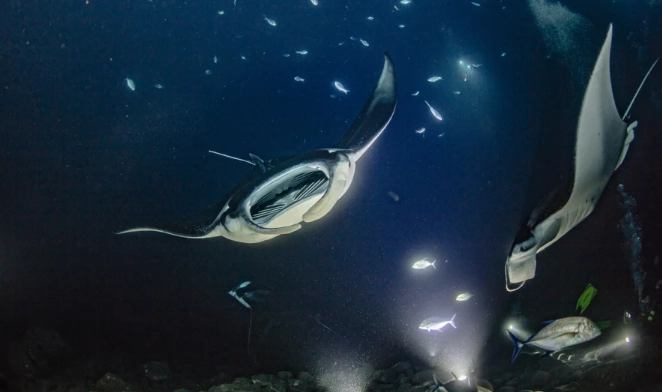
Rule #1: DO NOT TOUCH THE MANTA RAYS. This isn't a suggestion; it's the law and an ethical imperative. Their skin is covered in a protective mucus layer. Our touch can remove it, making them susceptible to infection. Any reputable operator will drill this into you. If you see someone on a tour trying to touch one, tell the guide immediately. We are visitors in their world.
When is the Best Time for Snorkeling with Manta Rays in Kona?
This is the million-dollar question. The short, honest answer is: you can see them year-round. Kona's leeward location gives it famously calm waters most of the year, making manta ray snorkeling a consistent activity.
But there are nuances. The manta rays are resident, meaning they live there full-time. However, their presence at the specific tourist sites can be influenced by ocean conditions, moon phase, and plankton blooms.
- Water Calmness: Summer months (May-September) typically have the calmest seas. Winter can see more swell, which sometimes affects visibility or even causes cancellations. Tours rarely cancel for weather—Kona is protected—but they might for big south swells.
- Visibility: It's generally good year-round (often 60+ feet), but can be crystal clear after a stretch of calm weather.
- Crowds: Peak tourist seasons (summer, holidays) mean more people on the boats and in the water. Shoulder seasons (spring and fall) can be a bit quieter.
So my advice? Don't stress too much about the "perfect" month. Book for when you're going to be there. The likelihood of seeing them is very high regardless. I've been out in February and August, and both times were spectacular.
A Quick Month-by-Month Reality Check
Let's break it down without the fluff.
December - April: Whale season! You might hear humpback whales singing during your surface interval. Water can be a tad cooler, chance of more swell. Still excellent manta viewing.
May - September: Classic "best" conditions. Calm water, great visibility. Also the busiest time for tourists.
October - November: A sweet spot. Crowds thin out, water is still warm, seas are often calm. One of my favorite times to go.
Really, the best time is whenever you can get there.
Gearing Up: What to Bring (And What to Leave)
Packing right makes the night smoother. Here's my tried-and-true list.
Must-Brings:
- Swimsuit: Wear it under your clothes to the check-in.
- Warm Layers: A hoodie, sweatpants, or a light jacket for before and after. You'll be surprised how cool it feels when you're wet after dark.
- Dry Bag: A small one for your phone, keys, and wallet. Boats get wet.
- Waterproof Camera or GoPro: If you want your own photos. Most tours offer photo packages, which are often worth it because the guides get incredible shots.
- Sea-Sickness Meds: If you need them, take them early.
- Gratitude: Cheesy, but true. Be ready for something special.
Leave in the Car/Hotel:
- Your nice jewelry or watch.
- Anything that can't get soaked in saltwater.
- Expectations of a "private" experience (remember, it's a shared magic).
Your Impact: Snorkeling with a Conscience
This part is critical. Tourism has a direct impact on these animals. The good news is that snorkeling with manta rays in Kona, when done responsibly, is considered a low-impact, sustainable activity. We're observing, not interfering. But we have to be good stewards.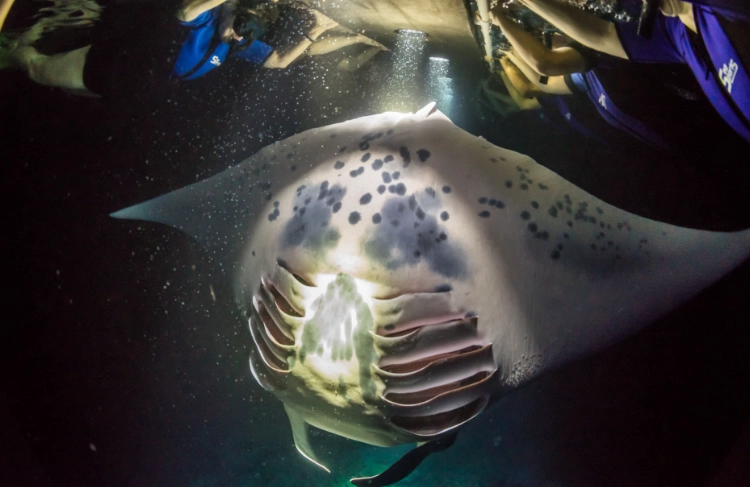
Choose operators who are actively involved in conservation. Many contribute to ID databases, helping researchers like those at the Manta Trust track population health and movements. Some even donate a portion of each ticket. Ask them about it. Their answer will tell you a lot.
On the boat, use reef-safe sunscreen if you apply it before (though you'll be in the water after dark, so you might not need it). Listen to the rules. They're there for a reason. The fact that this phenomenon has continued for decades is proof that a balance can be struck.
Think of it this way: your ticket fee directly funds the research and protection of these vulnerable creatures. By choosing an ethical tour, you're casting a vote for responsible wildlife tourism. You're not just a spectator; you're a participant in their conservation.
Answers to the Questions You're Actually Asking
Making It Happen: Your Action Plan
So you're convinced. Here's your step-by-step, no-nonsense plan to make your snorkeling with manta rays Kona dream a reality.
- Book Early: Especially in peak season. Good operators sell out days or weeks in advance.
- Pick Your Vibe: Decide if you want a small, intimate boat or a larger, more social one. Read recent reviews, not just the shiny ones on the operator's site.
- Schedule Smart: Book for your first or second night on the island. Leave a backup night free.
- Prep Your Body: Get a good night's sleep, stay hydrated, take seasick meds early if needed.
- Pack Smart: Use the list above. Travel light to the boat.
- Show Up: Get to the check-in early. Listen to the briefing like your experience depends on it (it does).
- Be Present: Once you're in the water, relax your grip on the board, breathe slowly, and just watch. Don't spend the whole time frantic with your camera. Soak it in with your own eyes first.
The memory of snorkeling with manta rays in Kona doesn't fade. It's one of those rare adventures that lives up to the hype, that feels both thrilling and profoundly peaceful. It connects you to the ocean in a way few things can. You're not just seeing an animal; you're sharing space with a gentle giant, a master of its environment, in a dance of light and life that happens every night, with or without us.
Go. Be respectful. Be amazed.
And maybe I'll see you out there on the light board, trying to remember to breathe.
Reader Comments