- Top Spots for Snorkeling in Costa Rica's Pacific Coast (From North to South)
- The Guanacaste Gold: Easy Access & Reliable Conditions
- The Central Pacific: Where the Jungle Meets the Ocean
- The Osa Peninsula & Golfo Dulce: The Wild Frontier
- What You'll Actually See: Pacific Coast Marine Life
- When to Go: Timing Your Snorkeling in Costa Rica Pacific Coast Adventure
- Gear, Guides, and Getting It Right
- Safety & Etiquette: Don't Be That Person
- Your Questions, Answered (The Stuff You're Really Wondering)
- Wrapping It Up: Making Your Decision
Okay, let's be real. When most people think of snorkeling in Costa Rica, their minds instantly jump to the Caribbean side. The postcard-perfect blues of Cahuita, the calm waters of Manzanillo. I get it. But here's the thing – the Pacific coast is the wild child, the underrated sibling that packs a punch most travelers never see. We're talking about dramatic rocky headlands, hidden coves where the water clarity will make you gasp, and marine encounters that feel a bit more... untamed.
Snorkeling in Costa Rica's Pacific coast is a different beast. It's less about endless white sand and more about exploring volcanic rock formations teeming with life. The water can be cooler, the currents a bit more playful, and the visibility? Well, it dances to the tune of the tides and seasons in a way that keeps you on your toes. But when it's good, it's phenomenal. You just need to know where to go and when.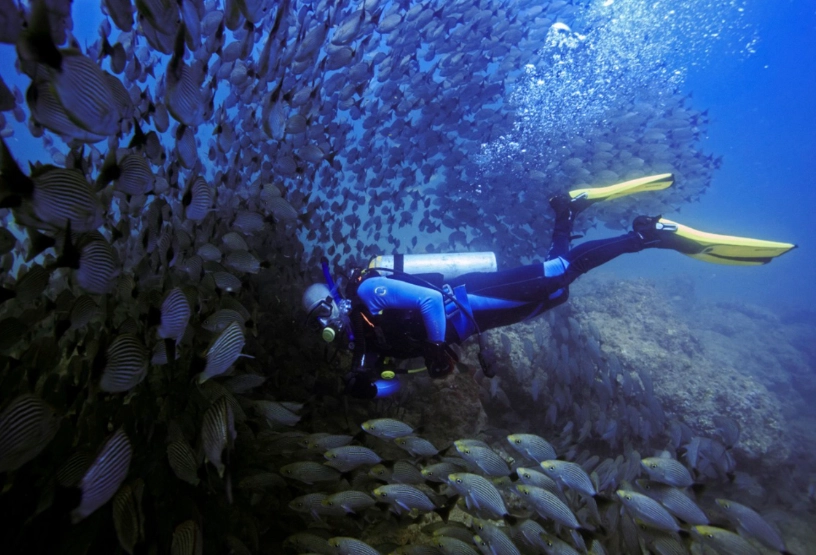
I've spent a good chunk of time with my face in the water along this coastline, from the tourist hubs to the sleepy fishing villages nobody talks about. I've had days of crystal-clear visibility where I followed a sea turtle for what felt like an hour, and other days where the plankton was so thick it felt like swimming in soup (not ideal, but the whales love it). This guide is my attempt to cut through the glossy brochure talk and give you the real, practical, nitty-gritty info you need to plan an epic snorkeling trip to Costa Rica's Pacific side.
Top Spots for Snorkeling in Costa Rica's Pacific Coast (From North to South)
Let's break this down geographically. The Pacific coast is long, and the snorkeling experience changes as you move south. I'm going to focus on the spots that are actually worth your time, and I'll be honest about the ones that might be overhyped.
The Guanacaste Gold: Easy Access & Reliable Conditions
This northwestern region is where most tourists land, thanks to the Liberia airport. The snorkeling here is generally accessible, with lots of tour operators. The dry season (Dec-April) offers the most reliable visibility.
Playa Hermosa & Playa Panama: Don't expect vibrant coral reefs. The seabed here is mostly sand and rock. But! These bays are incredibly calm, making them perfect for beginners or nervous snorkelers. You'll see plenty of colorful reef fish like sergeant majors, angelfish, and puffers right off the beach. I once saw a massive spotted eagle ray gliding through the bay at Hermosa just 50 feet from shore – a total luck-of-the-draw moment that made my week. It's a great spot for a relaxed, low-pressure introduction to Pacific coast snorkeling.
Playa Ocotal: A small, dark-sand beach backed by cliffs. The snorkeling is best around the rocky points at either end of the beach. More fish diversity here than the neighboring bays. You can sometimes just swim out from the beach, but for the best spots, consider a short boat ride from nearby operators.
The Central Pacific: Where the Jungle Meets the Ocean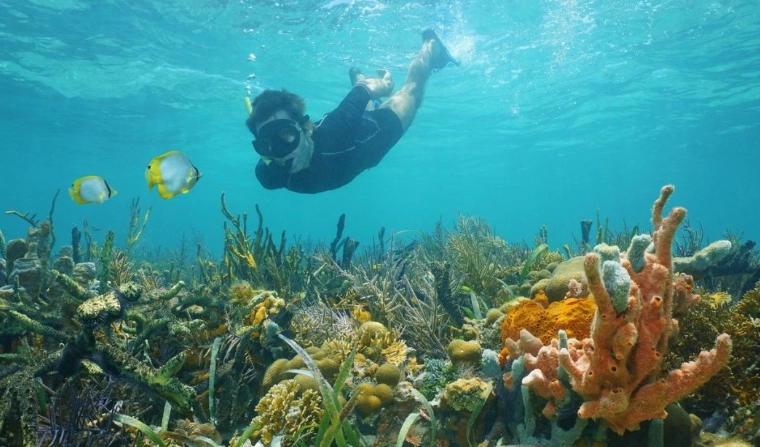
Heading south past Puntarenas, the landscape gets lusher and the coastline more dramatic. This is my personal favorite zone for a blend of accessibility and wild beauty.
Manuel Antonio/Quepos Area: Yes, it's touristy. But there's a reason. The national park protects several stunning coves. Playa Manuel Antonio itself, inside the park, has decent snorkeling around its rocky islands, especially at low tide when more structure is exposed. You'll see parrotfish, triggers, and maybe a white-tipped reef shark resting on the sandy bottom. Outside the park, Biesanz Beach is a hidden, calm cove that's fantastic for beginners. The water is usually clear and calm, and you can rent gear right there.
Isla Tortuga (Turtle Island): This is the classic day-trip destination. A beautiful white-sand beach on an island. The snorkeling is... fine. It's a packaged tour experience, so you'll be with a crowd. The reef has seen better days, but there are still fish to be seen. It's more about the island picnic vibe than world-class snorkeling. Good for families who want an easy, all-inclusive day. For a more serious snorkeler, it might feel a bit tame.
The Osa Peninsula & Golfo Dulce: The Wild Frontier
This is the holy grail for adventurous snorkelers. It's remote, it's rainforest-dense, and it's teeming with life both above and below the water. This is not a casual day trip zone.
Caño Island Biological Reserve: This is, hands down, the premier snorkeling and diving destination on the Pacific coast. It's a protected island about an hour by boat from Drake Bay or Sierpe. Because it's a reserve, the marine life is abundant and less skittish. We're talking about schools of jacks, big-eye trevallies, moray eels, white-tipped reef sharks, massive sea turtles, and during the right season (Dec-April), even bull sharks and whale sharks have been spotted in the deeper waters. The coral formations here are the healthiest you'll find on this coast. Visibility is typically excellent. You must go with a licensed tour operator – no independent visits allowed, which is great for conservation.
The experience of snorkeling at Caño Island is something else. You're in the middle of the ocean at a pristine island, surrounded by primary rainforest. It feels adventurous. The boat rides can be bumpy, and the currents around the island can be strong, so it's best for confident swimmers. But it's 100% worth the effort and cost.
Golfo Dulce (Sweet Gulf): This large, calm gulf is a unique tropical fjord. The water is warmer and calmer than the open Pacific. Snorkeling here is more about exploring mangrove roots, quiet coves, and rocky outcrops. You have a higher chance of seeing dolphins here, and the gulf is a nursery for humpback whales. It's a more tranquil, exploratory kind of snorkeling compared to the adrenaline of Caño Island.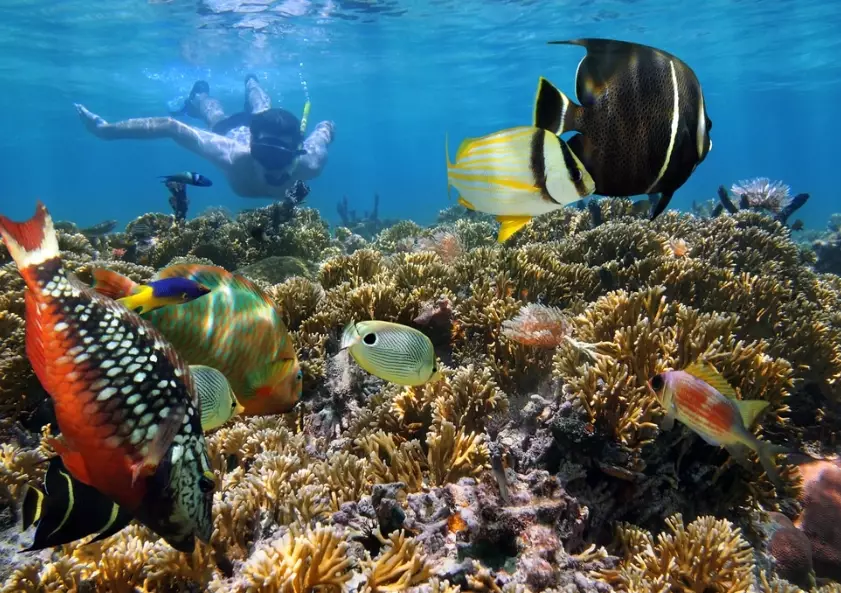
So, which spot is for you? Let's make it easier.
| Spot | Best For | Accessibility | Marine Life Wow Factor | My Personal Take |
|---|---|---|---|---|
| Guanacaste Bays (Hermosa, Ocotal) | Beginners, families, easy beach access | Very Easy | Moderate (Reef fish, occasional ray/turtle) | A safe, convenient bet. Great for your first dip. |
| Manuel Antonio / Biesanz Beach | Mix of beach time & snorkeling, wildlife lovers | Easy | Moderate to Good | Beautiful setting. Snorkeling is a nice bonus to the overall park experience. |
| Isla Tortuga | Families wanting a fun island day trip | Easy (via tour) | Moderate | The snorkeling is secondary to the beach party vibe. Can be crowded. |
| Caño Island | Experienced snorkelers, adventure seekers, wildlife enthusiasts | Difficult (Requires tour from remote base) | Excellent (Sharks, turtles, big schools of fish) | The crown jewel. Requires effort and budget, but unmatched on the coast. |
| Golfo Dulce | Calm water exploration, dolphin spotting, unique ecosystems | Moderate | Good (Diverse, lots of dolphins) | A serene alternative. Less about epic reefs, more about gentle discovery. |
What You'll Actually See: Pacific Coast Marine Life
This isn't the Great Barrier Reef. Don't come expecting miles of branching staghorn coral. The reefs here are primarily rocky, with patches of hard coral like brain coral and pocillopora. But the life those rocks attract is incredible.
The Usual Suspects (You'll definitely see these): Angelfish (especially the gorgeous Cortez angelfish), parrotfish (chomping noisily on the rocks), triggerfish, pufferfish, sergeant majors, Moorish idols, butterflyfish, and damselfish. Look in the crevices for moray eels and lobsters.
The Big Ticket Items (With a bit of luck):
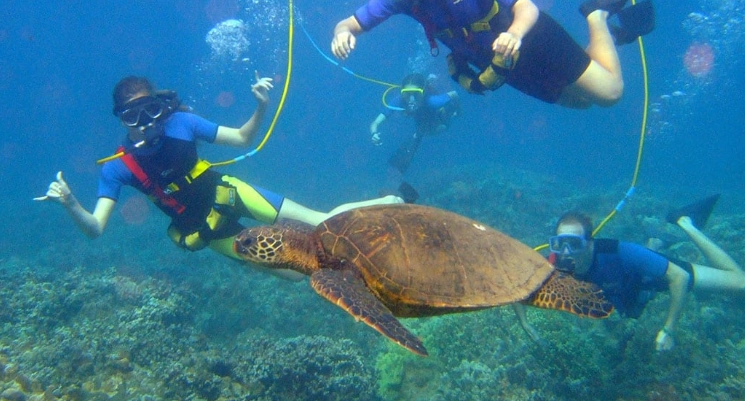
- Sea Turtles: Green sea turtles and Olive Ridleys are common, especially around Caño Island and rocky feeding areas. Seeing one is almost a guarantee on a good day.
- Rays: Spotted eagle rays (my favorite) and mobula rays. They often cruise by in the blue. Mantas are rarer but possible.
- Reef Sharks: White-tipped reef sharks are very common, especially at Caño Island. They're small, shy, and often found resting on the sand during the day. Nothing to fear.
- Dolphins: Bottlenose and spotted dolphins are frequently seen from the boat, and sometimes they'll even come check you out in the water.
The Seasonal Superstars:
- Humpback Whales (Dec-April & July-Nov): Yes, you can go whale watching, but hearing their songs while you're snorkeling is a surreal experience. The Pacific coast has one of the longest whale seasons in the world.
- Whale Sharks (Nov-May): Mostly around the offshore islands like Isla del Coco, but juvenile ones are occasionally spotted around Caño Island, especially during plankton blooms. A rare and majestic sight.
When to Go: Timing Your Snorkeling in Costa Rica Pacific Coast Adventure
This is crucial. Get the timing wrong, and you might be staring into green murk.
Dry Season (Mid-December to April): This is the peak tourist season for a reason. Skies are clear, rainfall is minimal, and the Pacific ocean is at its calmest. Visibility for snorkeling is generally the best during these months, especially in Guanacaste and the Central Pacific. The trade-off? Crowds and higher prices. Christmas, New Year, and Easter are absolute madness.
Green Season/Rainy Season (May to November): Don't write this off! Yes, it rains, usually in intense afternoon bursts. But the mornings are often sunny and beautiful. The ocean is warmer. And here's a snorkeling-specific pro: the rain runoff can affect visibility close to river mouths, but at offshore sites like Caño Island, the visibility can still be fantastic. There are far fewer tourists, prices are lower, and the landscape is explosively green. September and October are the rainiest, and some remote tour operators might temporarily close.
My personal favorite window? Late November or early December. You're catching the tail end of the green season prices and crowds, but the weather is often transitioning to the dry, sunny patterns. I've had some of my best snorkeling days during this shoulder period.
Gear, Guides, and Getting It Right
Do You Need a Guide?
For beach snorkeling in calm bays like Hermosa or Biesanz? No, you can rent gear and go on your own. Just be mindful of currents.
For any boat-based snorkeling, especially to islands like Caño Island or Tortuga? Absolutely yes. Not only is it often mandatory (for protected areas), but a good guide knows where the life is, can spot hidden creatures you'd miss, and manages safety in the open ocean. They also handle the boat logistics, which on the Pacific can be no joke.
What to Bring & Rent
Most tour operators provide mask, snorkel, fins, and often a snorkel vest (which I highly recommend using for buoyancy and safety).
My strong advice: If you're a serious snorkeler, consider bringing your own mask. A mask that fits your face perfectly is the single most important piece of gear. A leaky, foggy rental mask can ruin the experience. I pack my own low-volume mask every time.
Other essentials: Reef-safe sunscreen. This is non-negotiable. Chemicals in regular sunscreen damage the fragile ecosystems you're there to see. Brands like Stream2Sea or Badger are great. Apply it at least 20 minutes before getting in the water. A rash guard or long-sleeved swim shirt is even better – it protects you from the sun and avoids the need for so much sunscreen.
Bring a waterproof bag for your phone/camera, a towel, and a change of clothes. Boat rides can be wet and windy.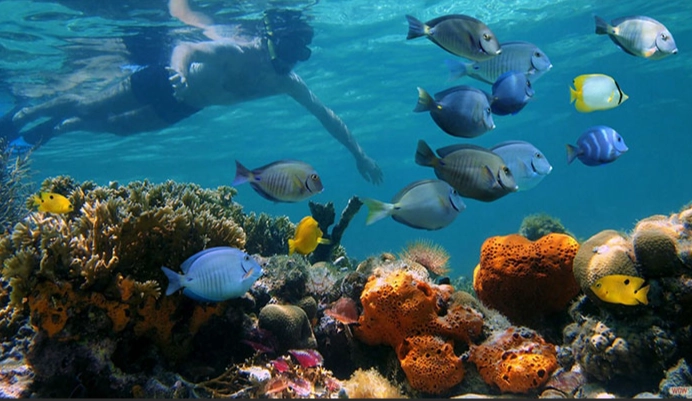
Safety & Etiquette: Don't Be That Person
Snorkeling is safe if you're not reckless. A few hard rules:
- Never snorkel alone. Ever.
- Respect the ocean. Currents can be strong, especially around headlands and islands. Listen to your guide. If they say stay close to the boat, do it.
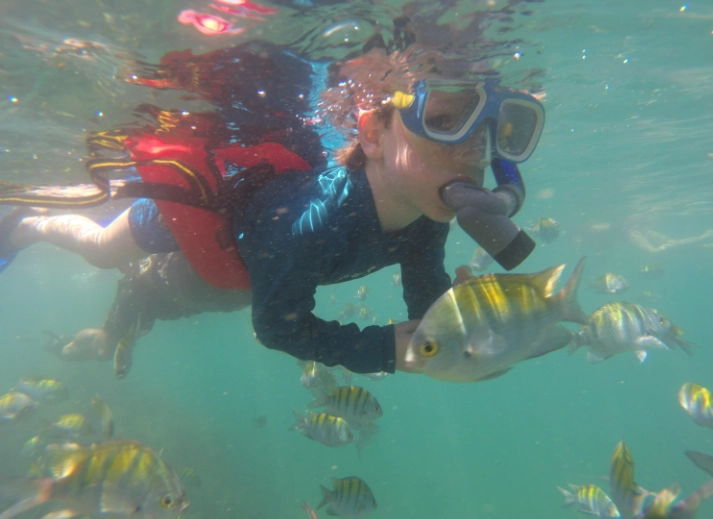
- Look, don't touch. This should be obvious, but I've seen people try to grab turtles. Not only is it stressful for the animal, but it's illegal in Costa Rica. Don't stand on or kick the coral. It's a living animal that takes decades to grow.
- Be aware of your fins. Big, clumsy fin kicks stir up sediment (reducing visibility for everyone) and can smash into coral. Practice a gentle, fluid flutter kick.
Your Questions, Answered (The Stuff You're Really Wondering)
Wrapping It Up: Making Your Decision
Planning your snorkeling in Costa Rica Pacific coast trip comes down to what you value most. Want ease, sunshine, and gentle bays? Base yourself in Guanacaste during the dry season. Want a mix of jungle adventure and decent snorkeling with lots of other activities? The Manuel Antonio area is your spot. Are you a dedicated snorkeler or diver who wants the absolute best underwater experience, and you're willing to travel for it? Then the Osa Peninsula and a trip to Caño Island is the only answer. Budget, time, and swimming confidence are your deciding factors.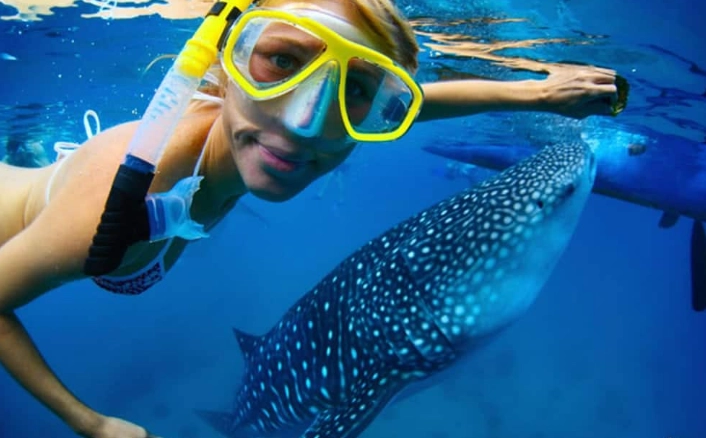
The Pacific coast won't hand you a perfect aquarium experience on a silver platter. It asks for a bit more awareness, a respect for the ocean's moods, and sometimes a bumpy boat ride. But in return, it gives you something raw and real. It's the thrill of not knowing if you'll see a shark or a ray or a turtle. It's the sound of howler monkeys from the shore as you float on the surface. That's the magic. That's what keeps me coming back.
Do your research, pick the spot that fits your style, pack your sense of adventure (and a good mask), and get ready to explore a seriously underrated underwater world. Pura vida under the waves.
Reader Comments