Dive Into This Guide
Let's be honest, you've probably seen the pictures. Crystal clear water, fish in colors that don't seem real, coral that looks like an alien cityscape. That's the Red Sea, and specifically, the stretch around Hurghada, Egypt. It's one of those places that's been on the snorkeling bucket list forever. But between the glossy brochures and the crowded tourist boats, what's it actually like?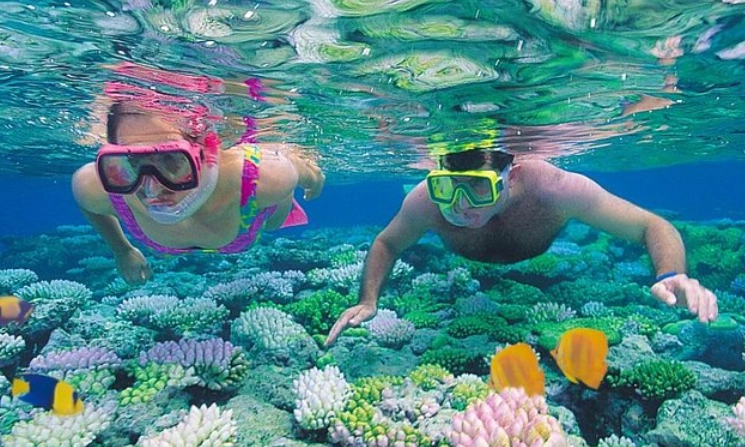
I've been there, more than once. I've had days that were pure magic, floating above gardens of coral with schools of fish so thick they blocked the sun. And I've had less stellar experiences—trips where the "pristine reef" was a bit tired-looking, or where the boat felt more like a party barge than a nature excursion. So this isn't just a rehash of tour operator blurbs. This is a down-to-earth, practical guide to doing Red Sea snorkeling in Hurghada right, helping you dodge the pitfalls and find the real underwater gems.
Why Hurghada? Well, it's got this unique combination of easy access and incredible marine biodiversity. The continental shelf drops off gently here, creating vast, shallow, sun-drenched lagoons that are absolute heaven for snorkelers. You don't need to be a diver to see the good stuff. The water's warm most of the year, and the visibility? It's ridiculous. We're talking 30 meters or more on a good day. It's like swimming in liquid glass.
Quick Geography Lesson: Hurghada sits on Egypt's Red Sea coast. The Red Sea is basically a giant crack in the earth's crust, a rift valley filled with seawater. This unique geology and its isolation from other oceans have created a marine environment where a crazy high percentage of species are found nowhere else on Earth. It's a living laboratory, and snorkeling here is your front-row ticket.
Top Snorkeling Spots Around Hurghada: A Breakdown
Not all spots are created equal. Some are famous for a reason, others are hidden gems known mostly to locals and repeat visitors. Your experience of Hurghada snorkeling will depend hugely on where your boat takes you. Here’s the lowdown.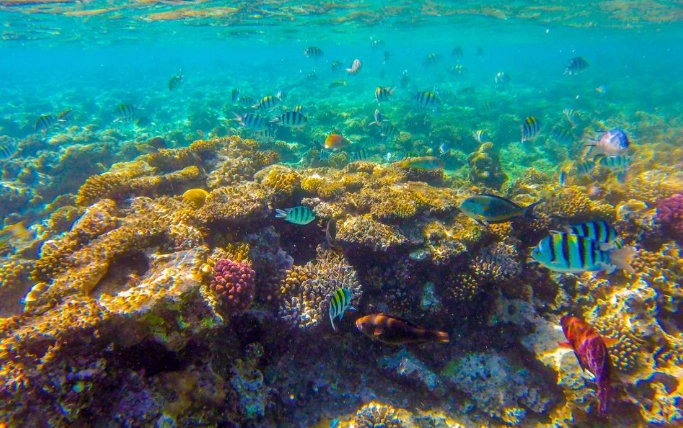
The Big Names (And Are They Worth It?)
Giftun Island: This is the classic day-trip destination. It's a protected national park, which is great. The two main spots are Orange Bay (mostly a stunning white-sand beach, snorkeling is decent off the edges) and Mahmya. Mahmya is the real snorkeling draw here. The coral gardens are extensive and healthy, sloping gently from the shore. You'll see parrotfish, angelfish, maybe a turtle if you're lucky. It can get crowded, but the protected status means the ecosystem is managed. Verdict: Worth it for a first-time visitor, especially if combined with beach time.
Abu Ramada Island (aka "The Aquarium"): This spot lives up to its nickname. The water is shallow, calm, and absolutely teeming with life. It's a coral plateau, not a deep drop-off, so everything is right there beneath you. I remember snorkeling here and literally being surrounded by a swirling vortex of hundreds of fusiliers. It's an easy, confidence-building spot. Perfect for beginners and families. The downside? Its popularity means it's on every tour operator's list. Go early in the day.
My first time at Abu Ramada was a revelation. I'd snorkeled before, but never in water that clear with that much activity just a few feet below. It felt like jumping into a giant, peaceful fish tank. Just watch out for the occasional rogue snorkel fin above you!
The Local Favorites & Offshore Adventures
Careless Reef: This is for when you want to step it up a notch. It's a submerged reef farther from shore, so you usually need a boat with a bit more oomph to get there. The reward? Deeper water, bigger fish. You might spot napoleon wrasse, trevallies, even white-tip reef sharks cruising in the blue. The coral formations are massive and dramatic. Currents can be stronger here, so it's better for confident swimmers.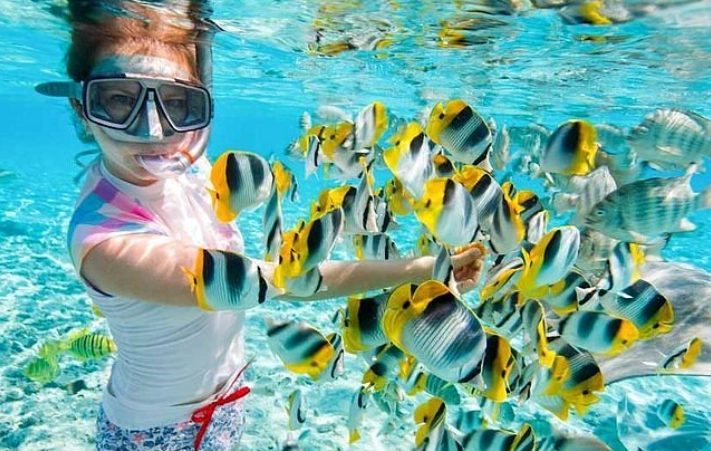
El Fanadir: A long, narrow reef close to the Hurghada shoreline. It's surprisingly good for being so accessible. The reef wall is vertical in places, covered in soft corals that wave in the current. It's a great spot for a shorter trip or if you're staying in a resort nearby and just want a quick dip. Don't expect the sheer density of fish as at Abu Ramada, but the coral scenery is beautiful.
Small Giftun: Often overlooked for its bigger brother, Small Giftun has some fantastic drift snorkeling opportunities. You jump in at one point, let the gentle current carry you along the reef edge, and get picked up at the other end. It's effortless and lets you cover a lot of ground. You see different sections of the reef this way. A guide who knows the entry and exit points is key here.
Pro Tip: When booking a tour, ask specifically which reefs they are visiting. "Giftun Island" is too vague. Ask: "Are we snorkeling at Mahmya reef, or just at the beach?" or "Is Abu Ramada on the itinerary?" Being specific helps you avoid a trip that's 90% beach and 10% snorkeling if you're there for the underwater world.
Choosing Your Snorkeling Tour: A Reality Check
This is where most people get tripped up. The promenade in Hurghada is a gauntlet of tour operators, all offering seemingly the same thing. They're not.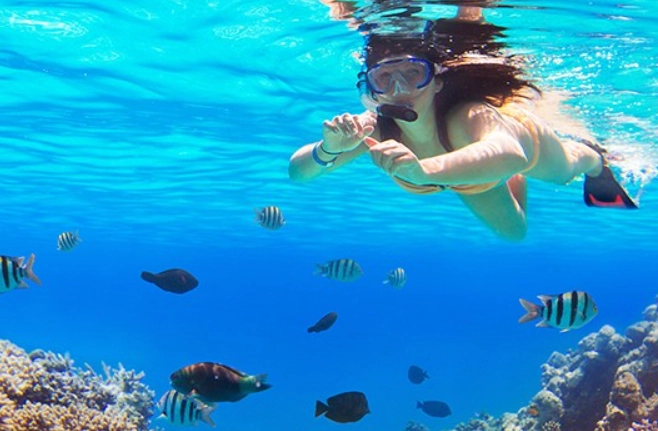
You have a few main types of boats:
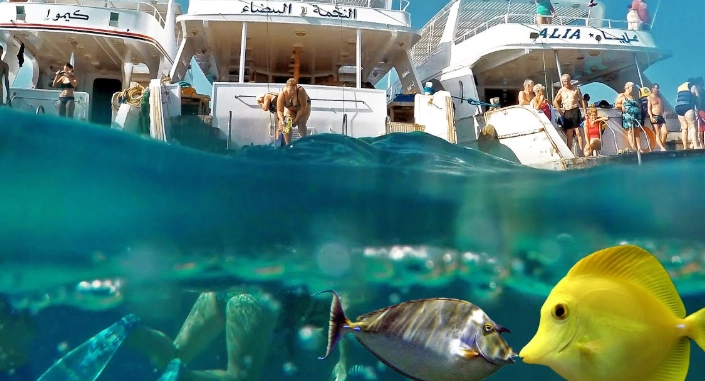
- The Large Party Boat: Loud music, buffet lunch, maybe a slide off the back. Snorkeling is an activity on the checklist. The guides will blow a whistle, you'll have 45 minutes in the water, then it's back to the music. Fine if that's your vibe, terrible if you're serious about seeing the reef.
- The Mid-Sized Safari Boat: The most common option. Carries 20-40 people. Usually has two or three snorkeling stops, a decent lunch, and shaded areas. The quality hinges entirely on the crew and guide. A good guide will give a briefing, point out things in the water, and care about the reef.
- The Small Speedboat or RIB (Rigid Inflatable Boat): My personal preference. Fewer people (6-12), faster ride (you get to the good spots quicker, ahead of the big boats), and more flexibility. The guide can often tailor the stops to the group's ability. It usually costs a bit more, but the experience is vastly superior.
- The "Sailing" Boat: Often a catamaran. Focus is on the sailing experience, relaxation, and maybe one good snorkel spot. It's a chill, full-day vibe.
So, what should you look for?
Smaller is almost always better for snorkeling. More time in the water, less chaos.
Is there a dedicated snorkeling guide who gets in the water with you? Or just a boat crewman who shouts "you can swim now"? A guide in the water makes a world of difference. They'll show you the hidden octopus, the camouflaged scorpionfish.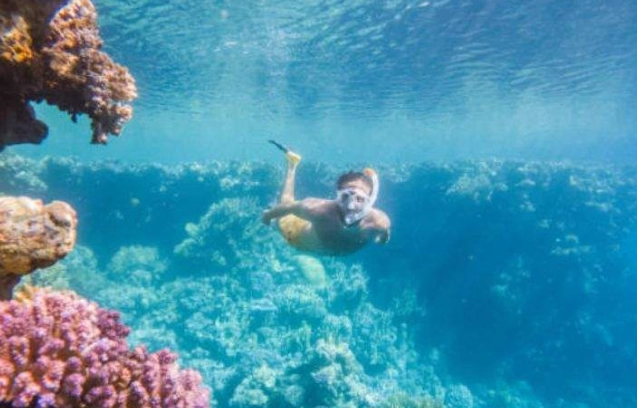
Two quality snorkel stops are better than four rushed ones. How long do you get at each spot? A good operator will allow at least 60 minutes per stop.
Red Flag: Be extremely wary of operators who offer to let you "walk on the coral" or "feed the fish." This is incredibly damaging to the ecosystem. Responsible operators will explicitly forbid both. Supporting eco-conscious companies is crucial for keeping Red Sea snorkeling in Hurghada amazing for future visitors. Look for operators who mention environmental practices.
What You'll Actually See: The Red Sea Cast of Characters
This isn't just about pretty fish. It's about understanding the ecosystem you're visiting. The Red Sea is special. According to the UNESCO World Heritage Centre, the Red Sea's reef system is one of the most biodiverse in the world, with over 1,000 species of fish and hundreds of types of coral. A significant number are endemic.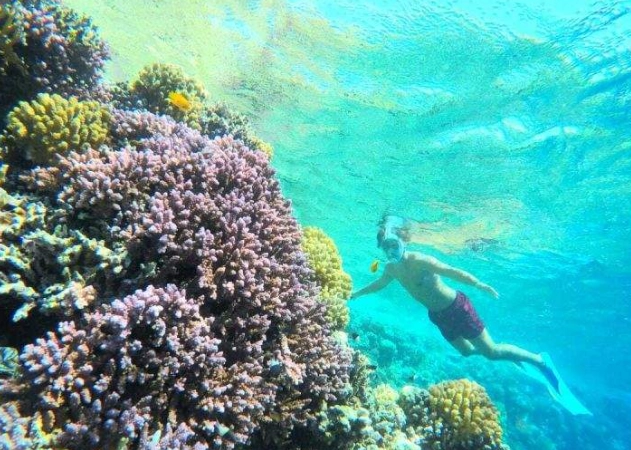
Here’s a non-exhaustive list of who's who:
| Creature | Likelihood of Seeing | Notes & Fun Facts |
|---|---|---|
| Parrotfish | Very High | The lawnmowers of the reef. They crunch on coral with beak-like teeth, creating the white sand you love on the beach. You'll hear them munching! |
| Angelfish (Emperor, Regal) | High | Stunning, disk-shaped fish with bold patterns. Emperor angels change color completely as they grow from juveniles to adults. |
| Butterflyfish | Very High | Small, graceful, often in pairs. The raccoon butterflyfish with its mask-like band is a common sight. |
| Moray Eel | Medium | Often peeks out from crevices. Looks scary but is shy. Don't poke your fingers in holes! The giant moray is impressive. |
| Sea Turtle (Green/Hawksbill) | Low-Medium | A magical sight. More common in seagrass beds near reefs. Observe calmly, don't chase. |
| Reef Shark (White-tip/Black-tip) | Low (but possible) | Seeing one is a thrill. They are small, shy, and completely uninterested in snorkelers. A sign of a healthy reef. |
| Lionfish | Medium | An invasive beauty. Stunning fins with venomous spines. Admire from a distance. |
| Clownfish (in Anemones) | High | Everyone's favorite. Look for the waving tentacles of sea anemones, and you'll likely find Nemo and family inside. |
The coral itself is the star. You'll see massive brain corals the size of cars, delicate branching staghorn corals, and fields of soft corals that look like underwater forests. Take a moment to just float and look at the architecture of it all.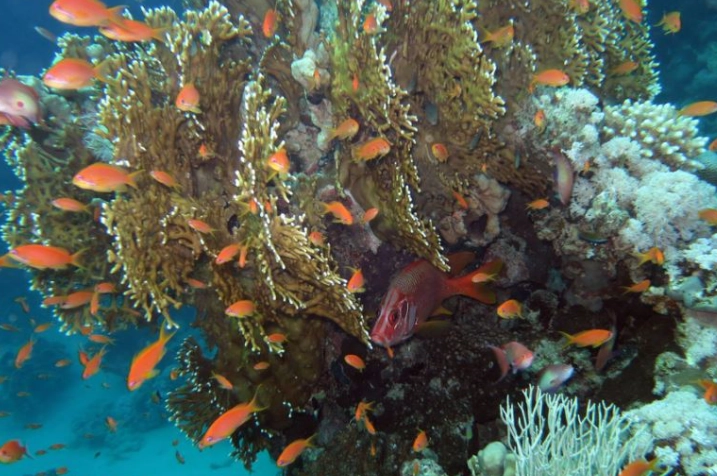
“The clearest seas I have ever sailed through, and the most colorful coral gardens I have ever seen lie beneath the surface of the Red Sea.”
— Jacques Cousteau
Essential Gear & Skills (Beyond Just a Mask)
You can rent gear on almost every boat. But let me tell you, a leaky, foggy mask can ruin your day. If you snorkel regularly, bringing your own mask and snorkel is the single best upgrade you can make for your Hurghada Red Sea snorkeling trip.
- Mask: Must fit your face perfectly. Do the suction test—place it on your face without the strap, inhale slightly through your nose. It should stay put without you holding it. A silicone skirt is more comfortable than plastic.
- Snorkel: A simple J-shaped one is fine. Dry-top snorkels (with a valve that stops water from entering when submerged) are great for beginners.
- Fins: Boat fins are usually okay. If you have your own, open-heel fins with booties are more comfortable for walking on boats and protect your feet.
- Rash Guard/Long-Sleeve Swim Top: This is non-negotiable in my book. It protects you from the fierce sun (sunscreen washes off and harms coral) and from minor scrapes or jellyfish stings. A thin, Lycra suit is perfect.
Now, the skills. You don't need to be an Olympic swimmer, but you do need to be comfortable in deep water.
Practice clearing your snorkel in a pool before you go. It's the number one skill. Water gets in, you blow a sharp burst of air out through the mouthpiece, and it clears. Simple, but knowing how to do it without panic is key.
Learn to defog your mask. Spit in it, rub it around, rinse it slightly. It works better than most commercial defoggers. A clear view is everything.
Master relaxed floating and breathing. Slow, deep breaths through the mouth. Don't hyperventilate. If you're nervous, hold onto the floatation device most boats provide (a noodle or a life vest). There's no shame in it. The goal is to be calm and enjoy the view.
When to Go & The Practical Nitty-Gritty
Best Time: The Red Sea snorkeling season in Hurghada is year-round. Seriously.
- Peak (April-Oct): Hot, water is like a bath (26-30°C/79-86°F). Perfect for long snorkel sessions. This is also the busiest time.
- Shoulder (March, Nov): My favorite. Still warm, fewer crowds, pleasant air temperature.
- Winter (Dec-Feb): Air can be cool, especially in the morning. Water temps drop to 21-23°C (70-73°F). You'll want a full 3mm wetsuit or a very good rash guard. The upside? Few tourists, crystal-clear water, and the sun is still strong.
Getting There & Staying: Hurghada has an international airport (HRG). Most visitors from Europe get package deals. If you're booking independently, the resort strip stretches for miles. Staying in Sekalla or the Village Road area puts you closer to the marinas.
Costs: A standard day trip on a mid-sized boat can range from $30 to $60 per person, including lunch and transfers. Small speedboat trips are more like $70-$100. Always confirm what's included: hotel transfer, park fees (for Giftun Island), lunch, soft drinks, equipment.
Your Questions, Answered (The Stuff You Actually Google)
- NEVER stand on or touch the coral. A single touch can kill a coral polyp that took years to grow.
- Use reef-safe sunscreen (mineral-based, no oxybenzone/octinoxate) or, better yet, wear a rash guard and avoid sunscreen altogether.
- Do not feed or chase the fish. It disrupts their natural behavior.
- Take all your trash back to the boat, including tiny things like hair ties.
- Choose operators who practice responsible tourism. The Egyptian Environmental Affairs Agency (EEAA) has guidelines for protecting the Red Sea ecosystem.
A great day of snorkeling in the Red Sea near Hurghada isn't about ticking off a list of fish. It's about that feeling of weightlessness, the quiet except for your own breath, and the awe of seeing a world that operates on entirely different rules. It's humbling and exhilarating all at once. Do your homework, pick your tour wisely, respect the ocean, and you'll have an experience that sticks with you long after the tan fades. The underwater world here is waiting, and it's every bit as incredible as they say.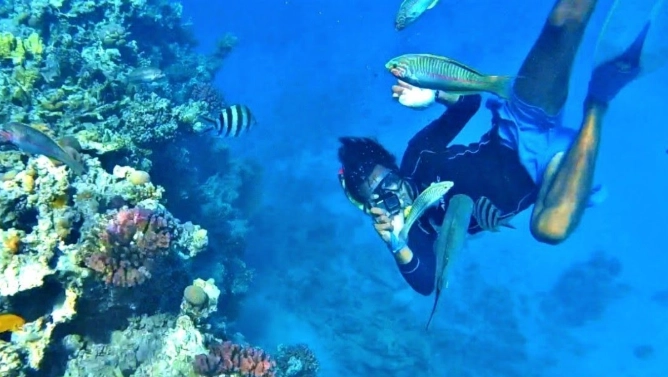
Reader Comments