Quick Guide
- How to Actually Find Snorkeling Day Trips Near You (Beyond Just Google)
- Choosing the Right Trip: What to Look For (And Red Flags to Avoid)
- The Non-Negotiable Packing List for Your Snorkel Day
- What to Expect on the Day: A Realistic Timeline
- Answers to the Questions You're Probably Asking
- Making it More Than Just a Trip: Snorkeling Etiquette & Conservation
- Final Thoughts: Your Action Plan
Let's be real. You're sitting there, probably on your lunch break or after a long week, typing "snorkeling day trips near me" into Google. The wanderlust is hitting hard, but the idea of a full-blown vacation feels like too much. You just want to get in the water, see something beautiful, and be back home to sleep in your own bed. I get it completely. That exact search is how I've found some of my favorite local spots over the years.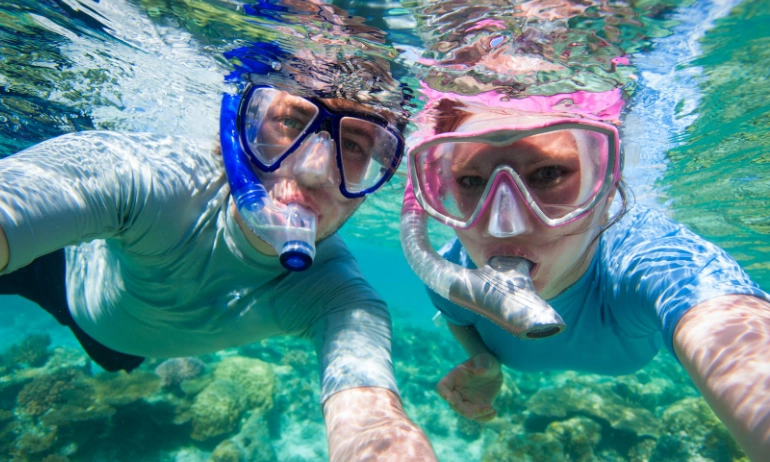
The good news? Fantastic snorkeling adventures are almost certainly within a few hours' drive of where you are right now, whether you're near a coast, a large lake, or even a spring. The trick is knowing how to look and what to look for. This isn't about generic travel fluff. This is a practical, step-by-step guide from someone who's booked, taken, and sometimes been mildly disappointed by more local snorkeling trips than I can count. We'll cover how to actually find them, how to pick a good one, what you really need to bring, and how to avoid the common pitfalls that can turn a dream day into a soggy letdown.
How to Actually Find Snorkeling Day Trips Near You (Beyond Just Google)
Sure, you can just Google the phrase and click the top ads. But you'll miss the hidden gems and potentially overpay. Here’s my tried-and-true method for scouting the best local options.
First, get specific with your search terms. "Snorkeling day trips near me" is a great start, but mix it up. Try "half-day snorkel tour [Your City/Region]", "snorkel boat charter [Nearest Coastal Town]", or "guided snorkeling adventure [Your State]". This casts a wider net. I once found a fantastic small operator by searching "snorkeling with sea lions day trip" instead of just the generic term, and they were only 90 minutes away.
Next, tap into the local scene. This is crucial. Look for regional tourism boards. For example, if you're in Florida, the Visit Florida site has activity finders. In Hawaii, each island's tourism site is a treasure trove. These sites usually list licensed, reputable operators. It's a safer bet than a random aggregator.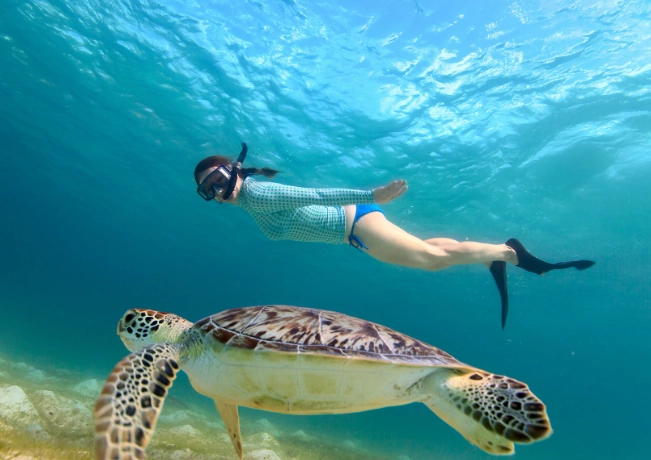
Then, check out local dive shop websites. Even if you're not a diver, these shops are the epicenter of the underwater community. They almost always offer snorkeling-specific trips or "try-diving" days that are perfect for snorkelers. Their staff are locals who know the conditions, the best reefs, and the secret spots the big boats miss. Give one a call. Seriously. A five-minute chat can give you more info than an hour of scrolling.
Finally, dive into social media and forums. Search Instagram or Facebook for hashtags like #Snorkeling[YourState] or #[YourCoast]Snorkel. Look at who's posting stunning local underwater pics. Often, it's the guides or tour companies themselves. Reddit can be a mixed bag, but subreddits for your city or state often have threads asking for activity recommendations. Search within them.
You know what's funny? The best snorkeling day trips near me I've ever booked rarely came from page one of Google. They came from a local shop's Instagram story or a recommendation in a Facebook group for outdoor enthusiasts in my area.
Choosing the Right Trip: What to Look For (And Red Flags to Avoid)
You've got a list of five or six outfits offering snorkeling tours near me. Now, how do you choose? Price is a factor, but it shouldn't be the only one. A cheap trip on a overcrowded boat to a murky, crowded site is a waste of money and a day.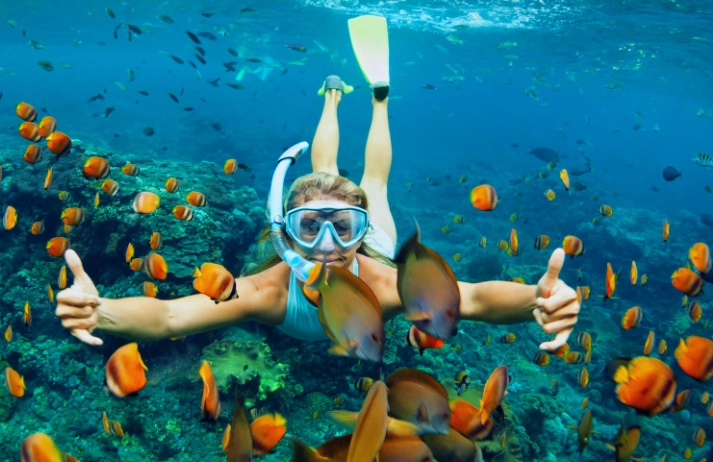
Here’s a breakdown of the key factors to compare. I wish I had this checklist years ago.
| Factor | What to Look For | Why It Matters | Potential Red Flag |
|---|---|---|---|
| Group Size | Small groups (15 or less is ideal). Ask directly: "What's the maximum number of snorkelers?" | More personal attention, less time waiting to get in/out of the water, a quieter experience for you and the marine life. | "We can take up to 50." This means a cattle boat. Chaos at the entry ladder. |
| Boat Type & Amenities | Photos of the boat. Look for shaded areas, a easy-access ladder/platform (not just a rickety ladder), and a freshwater shower. | Comfort matters for a full day. A good ladder is essential for safety, especially if the water is choppy. A shower rinses off salt. | No photos of the boat, or it looks very small/open with no shade. Ask about bathroom facilities! |
| Guide-to-Guest Ratio | At least 1 guide for every 8-10 guests. Do they have guides in the water? | In-water guides point out wildlife, ensure safety, and help less confident snorkelers. You'll see more. | One guide for 30 people. They'll just be yelling from the boat. |
| What's Included | Clear list: Gear (mask, snorkel, fins), wetsuit/skin, safety equipment, snacks/drinks, park fees. | No hidden costs. Good gear makes a HUGE difference. A leaky mask ruins everything. | Vague descriptions. "Gear available" might mean for an extra fee. Always confirm. |
| Itinerary & Sites | Specific site names or areas. Do they adjust based on weather/conditions? How many stops? | Flexibility shows they prioritize good conditions over sticking to a script. Multiple stops offer variety. | "We go to the best spot!" with no details. Or a rigid itinerary regardless of forecasts. |
Read reviews, but read them intelligently. Don't just look at the star rating. Read the 3-star reviews. They're often the most honest, highlighting both pros and cons. Look for patterns. Are multiple people complaining about disorganization, bad gear, or a rushed schedule? That's a sign. Are people consistently praising a particular guide or the quality of the equipment? That's a great sign.
Call them. Email is fine, but a quick call tells you a lot about their customer service. Are they patient with your questions? Enthusiastic? Do they sound like they know their stuff? I once called a place that sounded utterly bored, like I was interrupting their nap. I booked with the cheerful, informative one instead. Best decision.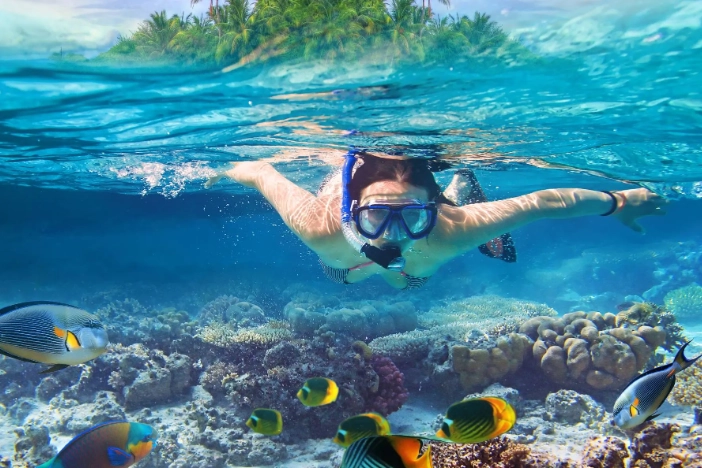
The Non-Negotiable Packing List for Your Snorkel Day
Most tours provide the basics, but your personal kit is what separates a good day from a great one. Forget something here, and you'll be kicking yourself (or paying a premium at a dockside shop).
Absolute Must-Haves (Don't Even Think of Leaving Without These)
- Swimsuit: Wear it there. Changing on a boat is awkward.
- Rash Guard or T-Shirt: Not just for sun protection on the boat. In the water, it protects your back from sunburn and from accidental fin bumps or jellyfish. A long-sleeve rash guard is the single best piece of snorkel clothing, period.
- Reef-Safe Sunscreen: This is non-negotiable. Chemicals in regular sunscreen (like oxybenzone and octinoxate) bleach and kill coral reefs. Many destinations now ban non-reef-safe versions. Look for mineral-based (zinc oxide, titanium dioxide) sunscreen labeled "Reef Safe" or "Reef Friendly." Apply it 30 minutes before you get in the water. The National Oceanic and Atmospheric Administration (NOAA) has great info on why this matters so much.
- Water Bottle: Hydration is key. Salt water, sun, and swimming dehydrate you fast.
- Dry Bag: A small, cheap dry bag for your phone, wallet, and car keys. Boats get wet. Trust me, I've killed a phone.
- Motion Sickness Remedy: If you have even a hint of susceptibility, take it before you board. Once you feel sick, it's too late. I use ginger chews as a natural option, but meds like Dramamine work if you take them early.
Now, the "Seriously, You'll Be So Glad You Brought This" list:
- Your Own Mask & Snorkel (Optional but Recommended): Rental masks never fit as well as your own. A foggy, leaking mask is miserable. If you snorkel more than once a year, investing in a decent mask that seals on your face is a game-changer. A dry-top snorkel (has a valve that stops water from entering when submerged) is also brilliant for beginners.
- Anti-Fog for Mask: Baby shampoo in a tiny bottle works miracles. Spit works in a pinch, but it's gross and less reliable.
- Quick-Dry Towel: A large, fluffy beach towel is a pain on a boat. A compact, sand-resistant quick-dry towel is perfect.
- Change of Clothes & Sandals: For the ride home. You do not want to sit in a wet swimsuit for an hour-long drive.
- Waterproof Camera or GoPro: If you want pics. Phone in a waterproof case can work, but I'm always nervous about dropping it.
- Lip Balm with SPF: Your lips will thank you.
- Cash for Tips: Guides work hard. If you had a great time, tip them. $10-$20 per person is a good guideline.
What to Expect on the Day: A Realistic Timeline
Let's walk through a typical day so there are no surprises. A "9 AM to 3 PM" snorkeling day trip near me usually breaks down like this:
Morning (Arrival & Briefing): Arrive at the dock 30 minutes early. Check in, sign waivers (they're standard, don't panic). You'll meet your guide and get fitted for gear if you're using theirs. This is where a well-organized operator shines versus a chaotic one. Then comes the safety and ecology briefing. Listen. They'll cover how to use the equipment, hand signals, boat rules, and how to interact with marine life (look, don't touch; don't chase turtles; don't stand on coral).
On the Boat Ride Out
This can be 20 minutes to over an hour. Enjoy the views, sip water, apply sunscreen. The guides might talk about the area's history or marine life. It's a good time to ask questions. If it's choppy, stay low in the boat and focus on the horizon if you're feeling queasy.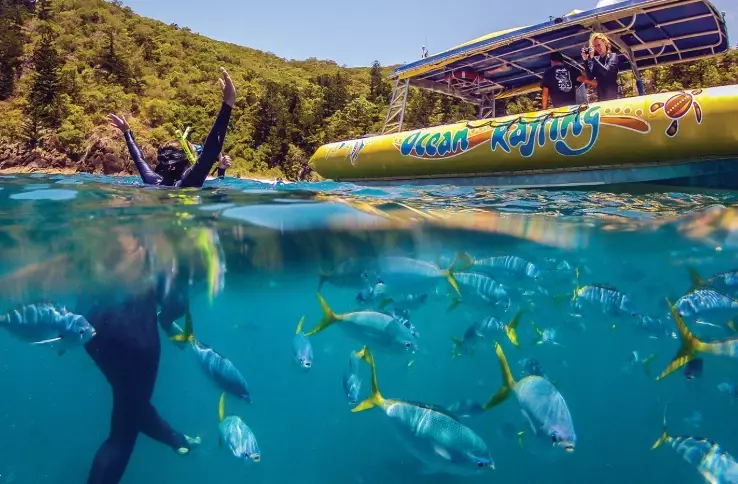
At the Snorkel Site
The engine cuts. The guide will give a site-specific briefing: "Enter here, follow me, we'll go around this reef point, look for angelfish near the purple coral." They'll tell you the current direction and a rendezvous point. Then, it's go time. Enter calmly. Get your mask and breathing sorted before swimming off. Stay with the group or your buddy. The first few minutes are always a bit of sensory overload—then you relax and just float.
You'll probably do 45 minutes to an hour in the water per stop. Most half-day trips have 1-2 stops; full-day might have 3.
Back on the Boat & Between Stops
They'll have water, maybe soda, and simple snacks like fruit or crackers. Rehydrate. Reapply sunscreen. Chat with other snorkelers. It's a nice, communal vibe.
The Return: The ride back is usually quieter. People are tired and sun-kissed. You'll get back to the dock, return any gear, settle any balances, and say goodbye. It's that simple.
The feeling after a good snorkeling day trip is unmatched. You're physically tired but mentally refreshed. You've seen another world. It's why we do it.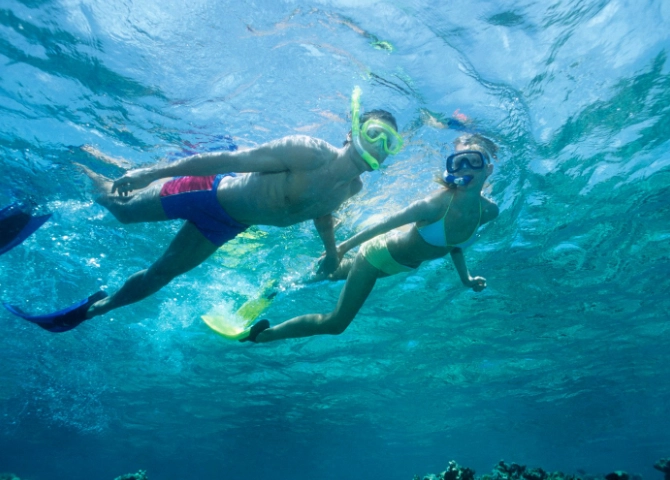
Answers to the Questions You're Probably Asking
I'm not a strong swimmer. Can I still go on a snorkeling day trip?
Absolutely. This is the #1 concern. Most operators provide flotation devices like snorkel vests or pool noodles. You can just float and look down. Always tell your guide about your comfort level. They can give you extra attention and keep you in calmer areas. Choosing a trip that visits protected bays or calm coves is key. Avoid trips described as "for experienced snorkelers" or that mention strong currents.
What if the weather is bad?
Reputable operators will cancel or reschedule trips for unsafe weather (high winds, storms, poor visibility). They monitor forecasts closely. If they cancel, you get a full refund or reschedule. If you cancel last minute, you usually lose your money. Always check their cancellation policy. A good sign is an operator who calls you the day before to discuss conditions.
Is it worth it for just one person, or is it better with a group?
Totally worth it solo! You'll be paired with a guide or just join the group. It's a fantastic way to meet people with a shared interest. I've gone alone many times and always had great conversations on the boat. Don't let being alone stop you from an adventure.
How much should I budget?
For a quality half-day guided trip with gear, expect $70-$150 per person. Full-day trips range from $120-$250. Price varies by location, boat luxury, and inclusions (like a fancy lunch). The cheapest option isn't always a bargain. Remember, you're paying for the boat, fuel, guide expertise, insurance, and equipment maintenance.
What's the best time of year to go?
It depends entirely on your location. Generally, summer offers warmer water and calmer seas, but also more crowds. Spring and fall can have fantastic water visibility and fewer people. Winter might be chilly but offer unique opportunities (like seeing different species). Local operators know best—ask them! "When is the water clearest here?" is a great question.
Making it More Than Just a Trip: Snorkeling Etiquette & Conservation
We're visitors in the ocean's home. How we behave has a direct impact. This isn't preachy; it's practical. A healthy reef means more to see for you and everyone after you.
Never touch, stand on, or kick coral. Coral is a living animal. A single touch can kill a polyp or introduce disease. It also takes decades to grow. Your fins can cause massive damage if you're not aware. Always maintain buoyancy and control your fins.
Look, but don't chase or harass marine life. Following a turtle might seem cool, but it stresses the animal. Let them come to you (and they often will if you stay still). Never try to ride rays, dolphins, or any creature. It's harmful and, in many places, illegal.
Take nothing but pictures, leave nothing but bubbles. Don't collect shells, coral, or anything else. And obviously, take all your trash back to the boat. If you see plastic floating, be a hero and pick it up.
By being a responsible snorkeler, you're directly contributing to the preservation of these incredible sites. Organizations like PADI (the diving association) run strong conservation initiatives, and their ethos applies to snorkelers too.
Final Thoughts: Your Action Plan
So, you've read all this. Now what? Don't let it become another thing you "mean to do." Here's your simple action plan:
- Tonight: Do the specific searches I mentioned. Open 3-4 promising operator websites in tabs.
- Tomorrow: Skim their sites, check their calendars for upcoming weekends. Read a few 3-star reviews for each.
- This Week: Pick your top two. Call or email them with 2-3 specific questions from the "Choosing the Right Trip" section above.
- Book it. Pick the one that gave you the best gut feeling and clear answers.
- Then, dig out your rash guard, order some reef-safe sunscreen, and get excited.
The ocean is waiting, and it's closer than you think. Typing "snorkeling day trips near me" is the first step. Booking one is the adventure. I still get that giddy feeling every time I board a boat, wondering what I'll see below the surface. It never gets old. And the best part? You don't need a passport or a week off to experience it. You just need a day, a sense of curiosity, and maybe a good hat.
See you out there.
Reader Comments