Explore This Guide
You've seen the pictures. The impossibly blue water, the overwater bungalows, the whole fantasy. And now you're sitting there, probably with a cup of coffee, typing that exact question into Google: does Bora Bora have good snorkeling? Is it worth the insane flight time and the even more insane price tag just to stick your face in the water?
I asked myself the same thing before I went. I've been lucky enough to snorkel in a lot of places—the Great Barrier Reef, Hawaii, the Caribbean—so my expectations were high, maybe unfairly high. Let me cut to the chase and give you the short answer so you don't have to scroll forever: Yes, Bora Bora has excellent snorkeling. But—and this is a big but—it's not excellent in the way you might be thinking. It's not a sprawling, endless coral garden like you see in documentaries about the Great Barrier Reef. It's different. It's intimate, it's concentrated, and in some ways, it's more magical because of that.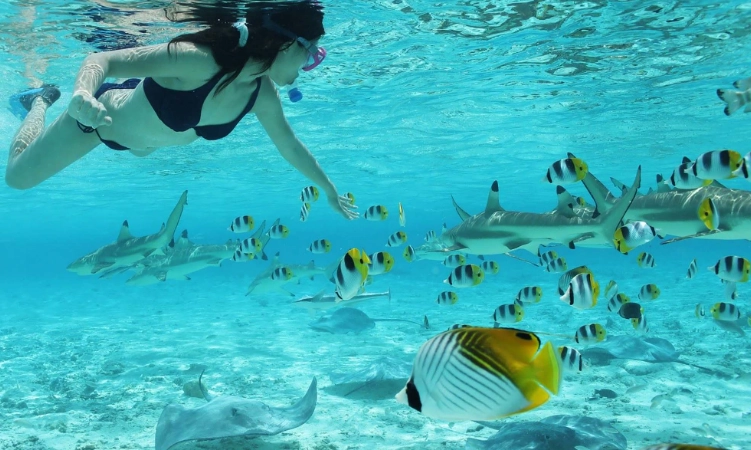
The real question isn't "does Bora Bora have good snorkeling," it's "what kind of snorkeling experience are you looking for?" Because Bora Bora delivers a very specific one.
The Core Truth: Bora Bora's snorkeling is world-class for its accessibility, stunningly clear water (think 100+ foot visibility on a good day), and its incredibly friendly, curious marine life. The lagoon, protected by the island's iconic volcanic peaks, is a giant, calm, warm bathtub. You don't fight currents here. You float. You relax. And fish come to you.
What Makes the Snorkeling in Bora Bora So Special?
Okay, so we've established that yes, snorkeling in Bora Bora is a top-tier activity. But why? What's the secret sauce? It boils down to three things: geography, protection, and a little bit of French Polynesian magic.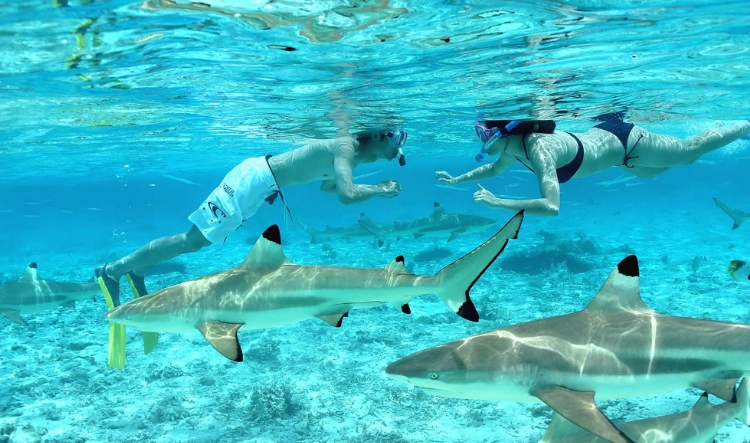
First, the geography. Bora Bora isn't just an island; it's an island surrounded by a barrier reef, which creates a massive, shallow lagoon. This lagoon is your playground. The reef cuts the big ocean waves, so the water inside is almost always calm. I'm talking glassy calm. This makes it perfect for beginners, kids, or anyone who just wants to chill without getting tossed around. The water temperature hovers between 79°F and 84°F (26°C - 29°C) year-round. You don't need a wetsuit. You barely need to acclimate. You just jump in.
Second, protection. French Polynesia has made significant strides in marine conservation. In 2002, they created the Bora Bora Lagoonarium, which is less an aquarium and more a protected natural zone. More importantly, in 2017, the entire lagoon of Bora Bora was declared a UNESCO Biosphere Reserve. This isn't just a fancy title. It means there are regulations in place to protect the ecosystem from overfishing and pollution. You can feel the difference. The fish aren't scared of people. They've grown up in a protected environment. Organizations like the Coral Reef Alliance highlight the importance of such managed marine areas, and Bora Bora is a prime example of it working.
Third, the magic. This is the intangible part. The sheer beauty of snorkeling with the dramatic silhouette of Mount Otemanu in the background is something you won't get anywhere else. You're floating in technicolor water, surrounded by tropical fish, with one of the most famous views on Earth right there. It adds a whole other layer to the experience.
Let's Be Honest: The coral itself, while healthy in many protected areas, isn't always the vibrant, dense staghorn forests you see in older photos. Like everywhere on the planet, Bora Bora's reefs have faced challenges like coral bleaching. What you'll find are healthy patches of coral, lots of fascinating coral bommies (isolated coral heads), and an explosion of fish life that more than makes up for it. Don't expect a pristine, untouched reef from 50 years ago. Do expect a thriving, active, and beautiful marine environment.
Top Snorkel Spots: Where to Actually Go
This is where most guides just list places. I'm going to tell you what it's actually like at each spot, who it's best for, and a little secret or two.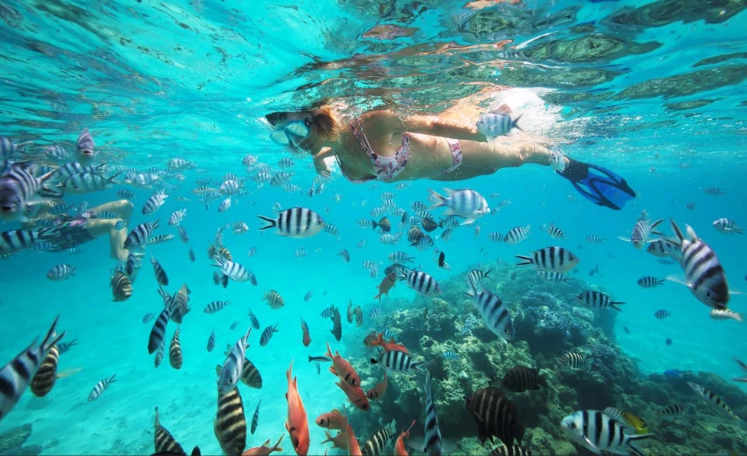
The Coral Gardens (Near the Motus)
This is usually the #1 recommended spot, and for good reason. It's not one single place, but a series of shallow coral formations in the lagoon, often accessed by boat tours that go to a motu (small islet) for a picnic lunch. The water is waist-to-chest deep, which is amazing because you can stand up anytime you want. This is the ultimate relaxed snorkel.
What you'll see: A huge variety of hard and soft corals, endless schools of parrotfish, butterflyfish, angelfish, and the iconic blacktip reef sharks and stingrays cruising the sandy channels between the coral heads. I must have seen two dozen rays in one afternoon here. They're like underwater ballet dancers.
Best for: Beginners, families, photographers (the shallow water means great light), and anyone who wants a stress-free, abundant snorkel. This is the poster child for answering does Bora Bora have good snorkeling with a resounding yes.
The Lagoonarium
Don't let the name fool you. It's a natural area of the lagoon that has been sectioned off with underwater fences to keep larger predators out, but water (and fish) flow freely. It's like a safe zone for marine life to congregate. You often visit this as part of a tour.
The experience here is insane for fish diversity. It's a guaranteed show. Guides often feed the fish, which some purists frown upon, but it brings in an incredible density of species. You'll see massive Napoleon wrasse, trevally, moray eels, and more. It feels a bit like snorkeling in a giant, natural fish tank.
Best for: People who want to see a LOT of fish, quickly and reliably. It's also great for non-swimmers, as you can often hold onto a rope and be towed along the surface. A unique, if slightly staged, experience.
The Outer Reef Drop-Offs
This is for the more adventurous. Tours will take you out to the edge of the barrier reef, where the shallow lagoon meets the deep, dark blue ocean. You drift along the "wall" of the reef. The visibility here is otherworldly. You look down and see the reef slope away into the abyss.
This is where you have the best chance of seeing larger pelagic life: eagle rays, larger sharks (like lemon sharks), big tuna, and sometimes dolphins. The current can be stronger here, so it's not for first-timers. You need to be comfortable in open water.
Best for: Confident snorkelers and divers looking for a thrill and bigger animals. It answers the question "does Bora Bora have good snorkeling for experienced people?" with a definitive yes.
Right Off Your Resort's Beach or Overwater Bungalow
This is the hidden gem that many overlook. If your resort is on a motu or has a good stretch of beach, the snorkeling right out front can be fantastic. I stayed at a place where I could slip off my deck into water 10 feet deep, and within 30 seconds, I was hovering over a garden of coral with dozens of fish. It's private, it's free, and you can do it anytime.
The downside is it's hit or miss. Some resorts have sandy bottoms with little life. Do your research. Look at satellite images on Google Maps—you can often see dark patches near the shore, which are likely coral heads.
Best for: Lazy days, spontaneous dips, and feeling like you have your own private aquarium.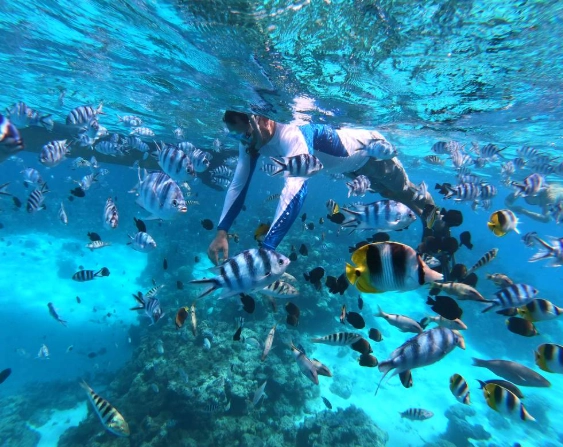
The Marine Life You'll Actually Meet (A Realistic Roster)
Forget the generic lists. Here’s who you’re likely to become neighbors with, ranked by how guaranteed the sighting is.
| Creature | Likelihood of Seeing | Where & When | Cool Factor / Notes |
|---|---|---|---|
| Blacktip Reef Sharks | Extremely High | Everywhere, especially sandy channels & near passes. All day. | They are everywhere. 3-4 feet long, completely harmless to humans. It's the #1 thing people remember. |
| Stingrays (especially Southern Stingrays) | Extremely High | Sandy bottoms, often following boats. All day. | Graceful and curious. Often found in groups. The "Stingray Ballet" is a real thing. |
| Parrotfish (Multiple Species) | Extremely High | Any coral area. All day. | You'll hear them munching on coral before you see them. The sound is like rocks clicking together. |
| Butterflyfish & Angelfish | Very High | Fluttering around coral heads. All day. | The living confetti of the reef. Dozens of varieties. |
| Moray Eels | High (if you look) | Peeking out of holes and crevices in the coral. | Looks scary, is shy. Green morays and honeycomb morays are common. |
| Napoleon Wrasse | Medium-High | Lagoonarium & deeper reef areas. | Huge, friendly, and oddly dog-like. Can be 4+ feet long. |
| Eagle Rays | Medium | Outer reef drop-offs, deep lagoon channels. | A breathtaking sight if you're lucky. Wingspans of several feet. |
| Lemon Sharks & Nurse Sharks | Low-Medium | Deep passes, outer reef. More common on scuba dives. | Bigger and more impressive than blacktips. Still not interested in you. |
| Sea Turtles (Green & Hawksbill) | Low (but possible!) | Seagrass beds, outer reef. | A rare and special treat. They are protected, so keep your distance. |
So, when someone asks does Bora Bora have good snorkeling for seeing sharks and rays, you can laugh and say it's almost harder not to see them.
The Practical Stuff: Tours, Gear, and Not Getting Ripped Off
Let's get down to brass tacks. How do you actually do this?
Should You Book a Snorkeling Tour?
For your first time, absolutely. A good half-day or full-day lagoon tour is the single best way to hit the highlights (Coral Gardens, Lagoonarium, maybe a ray/shark feeding area) with a guide who knows where the action is. They provide gear, transportation, and often a killer motu picnic. Look for smaller group operators for a better experience. I used a company called Lagoon Service and they were great—knowledgeable and respectful of the environment.
But you don't need a tour every day. Once you know the lay of the land, you might be happy snorkeling from your resort.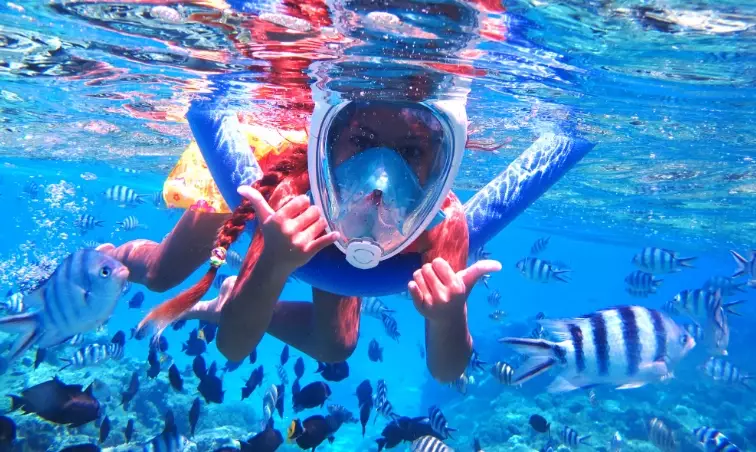
What About Gear?
Most tours provide decent snorkel sets (mask, snorkel, fins). If you're picky or wear glasses, bring your own mask. It makes a world of difference. I always pack my own. Fins are less critical, but if you have small or large feet, resorts might not have your size. A rash guard or UV shirt is NON-NEGOTIABLE. The sun is brutal, even through water. You'll burn in 20 minutes without one. Reef-safe sunscreen is a must for any exposed parts. The National Park Service has a great explainer on why reef-safe matters.
Pro-Tip Nobody Tells You: Bring a pair of old sneakers or water shoes for the motu picnics. The coral sand gets scorching hot, and some of the islets have rough terrain. Flip-flops won't cut it.
When is the Best Time to Go?
Bora Bora is a year-round destination, but there are nuances. The dry season (May to October) has less rain, slightly cooler temps, and the best visibility. This is peak season for snorkeling in Bora Bora. The wet season (November to April) is warmer, more humid, with a higher chance of brief afternoon showers. The water can be slightly less clear after heavy rain, but it's also less crowded and sometimes cheaper. I went in late November and had one rainy afternoon, but otherwise perfect conditions. Avoid February if you can; it's the peak of the rainy season.
Frequently Asked Questions (The Real Ones)
Here are the questions I had before I went, and the ones I get asked all the time now.
Is snorkeling with sharks in Bora Bora safe?
Yes. The sharks you encounter while snorkeling are almost exclusively blacktip reef sharks. They are small, skittish, and have zero interest in humans as food. They see you as a large, noisy, awkward creature. The guides have been doing this for decades with no incidents. It feels thrilling, but it's statistically safer than your drive to the airport.
Can beginners snorkel in Bora Bora?
It is arguably one of the best places in the world for beginners. The calm lagoon, shallow areas, lack of strong currents, and abundance of life right in front of you make it incredibly forgiving and rewarding. If you can float and breathe through a tube, you're golden.
How does Bora Bora snorkeling compare to the Maldives or Hawaii?
Good question. The Maldives has similar lagoon geography, but the marine life can be different, and it's often more spread out. Access is almost exclusively via your resort boat. Hawaii (especially places like Hanauma Bay or Molokini) has more dramatic volcanic topography and different fish species, but the water is often cooler and choppier. Bora Bora's unique selling point is the combination of ultra-calm, warm water, incredibly dense and friendly marine life in accessible areas, and that unbeatable mountain backdrop.
Are there jellyfish or other dangers?
Stinging jellyfish are very rare in the lagoon. You might see harmless moon jellies. The main dangers are the sun (seriously, cover up) and accidentally touching coral or a stonefish. Always look where you're putting your feet in shallow water, and never stand on coral. Practice buoyancy control.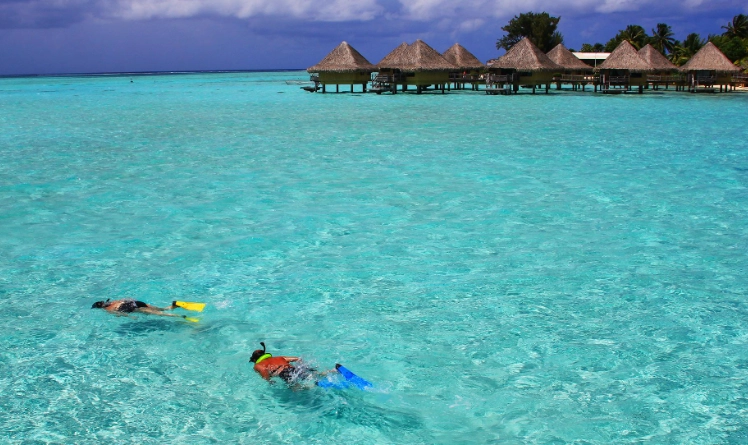
Fun Fact: The clear water isn't just pretty. It's a sign of low nutrient levels and low plankton, which is why the water isn't greenish. This clarity is what allows sunlight to penetrate deeply and support the coral reefs. The official tourism site for French Polynesia has more on the unique geography.
The Final Verdict
Look, planning a trip to Bora Bora is a big deal. It's a major investment. You want to know if the experiences will live up to the hype.
So, let's circle back to the original question one last time: Does Bora Bora have good snorkeling?
My answer, after spending days in that unbelievably blue water, is this: It has some of the most enjoyable, stress-free, and consistently rewarding snorkeling I've ever experienced. It's not necessarily the most "wild" or "untouched," but it is phenomenally accessible and rich with life. The thrill of floating alongside a squadron of stingrays, the curiosity of a blacktip shark checking you out from a polite distance, the sheer sensory overload of colors and shapes—it all adds up to something truly special.
Is it worth the trip just for the snorkeling? If you're a hardcore diver seeking walls covered in rare coral, maybe not. But if you're someone who loves the ocean, wants an unforgettable, easy-to-access underwater experience, and wants to do it in one of the most beautiful settings on Earth, then yes. A thousand times yes.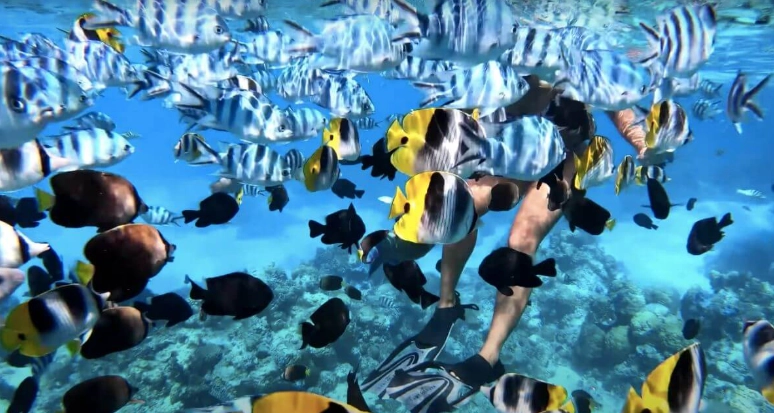
Just remember the rash guard.
You'll thank me later.
Reader Comments