Let's be honest. The idea of planning a snorkeling trip can feel overwhelming. You're staring at a blank calendar, a sea of gear options online, and a world of destinations that all look perfect on Instagram. Where do you even start? I've been there. I've also packed the wrong fins, chosen a location during monsoon season, and forgotten to check if my mask fit properly—all lessons learned the hard way over a decade of chasing coral reefs.
This guide cuts through the noise. It’s not just another list of pretty places. It’s the tactical, step-by-step manual I wish I had when I started, designed to turn trip anxiety into pure excitement. We'll build your plan from the ground up, covering the gear you actually need, how to pick a destination that matches your skills, and the safety checks most blogs forget to mention.
Your Snorkeling Planning Roadmap
The 5-Step Snorkeling Trip Planning Framework
Don't jump straight to booking flights. Follow this sequence to avoid classic mistakes.
Step 1: Honestly Assess Your (& Your Group's) Level
This is the most skipped step. Are you a confident swimmer comfortable in deep water? Is anyone in your group anxious about waves or marine life? A trip to the remote reefs of Palau demands different skills than the calm, shallow bays of Hanauma Bay in Oahu. Be real with yourself. It determines everything that follows.
Step 2: Define Your "Must-Have" Experience
What's the dream? Is it swimming with sea turtles? Seeing a specific type of coral? Being in crystal-clear, bath-warm water? Or is it about convenience—a great snorkeling spot right off the beach of your resort? Nail down one or two non-negotiables.
Step 3: Research Seasons & Logistics (The Boring, Critical Part)
This is where trips are made or broken. That "paradise" island might have perfect weather but require three connecting flights and a two-hour boat ride to reach the good reefs. Use resources like the NOAA Coral Reef Watch for water temperature and visibility trends. Check local tourism boards for seasonal weather patterns, not just generic travel sites.
Pro Tip: Always look for the "shoulder season"—the weeks just before or after peak season. You often get similar conditions with half the crowds and better prices. For example, the Caribbean in late April or early November can be golden.
Step 4: Budget Beyond Flights and Hotel
Factor in the hidden costs: boat tour fees (which can range from $50 to $200+ per person), national park entry fees (e.g., Bonaire's STINAPA tag, Thailand's Similan Islands fee), gear rental if you're not bringing your own, and transportation to remote departure points.
Step 5: Build a Flexible Itinerary
Never plan to snorkel hard two days in a row, especially at the start. Saltwater, sun, and physical exertion are draining. Schedule a relaxed beach day or cultural activity in between. Your body will thank you.
The Non-Negotiable Gear Deep Dive
Rental gear is a gamble. A leaky mask can ruin your day. Here’s what to focus on.
The Mask: Fit is Everything
Forget brand names for a second. The single most important thing is the seal. Here’s the test few people do correctly: Place the mask on your face without putting the strap over your head. Inhale gently through your nose. The mask should suction to your face and stay put without you holding it when you let go of your breath. If it falls, it will leak. Try on dozens if you have to. A good shop will let you.
Common Mistake: People with longer hair often get leaks at the temple because hair gets under the skirt. Before your final test, slick your hair back completely.
Fins: Comfort Over Speed
You're not racing. You're touring. Full-foot fins (like booties) are great for warm water and beach entries. Open-heel fins with booties are better for rocky entries, cooler water, and if you have sensitive feet. The key is that they should feel snug but not cut off circulation. Blisters are the enemy.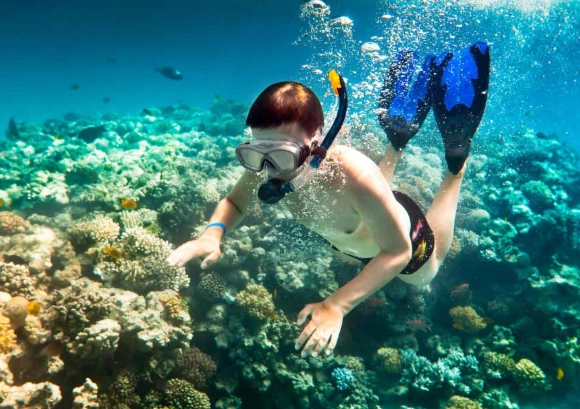
Snorkel: Simple is Best
A basic J-shaped snorkel is often more reliable than complex dry-top models, which can sometimes fail to seal. If you go for a dry snorkel, test it in a pool first. The purge valve at the bottom is a lifesaver for easy clearing.
| Gear Item | What to Look For | Budget-Friendly Tip |
|---|---|---|
| Mask | Tempered glass lens, silicone skirt (softer is better), perfect seal test. | Invest here first. A good mask lasts years. |
| Fins | Proper fit, appropriate style (full-foot vs. open-heel). | Rent these if you have limited luggage space; fit is less critical than a mask. |
| Snorkel | Comfortable mouthpiece, simple design. | A basic model is perfectly fine and cheap. |
| Exposure Suit | Rash guard or thin wetsuit for sun/jellyfish protection. | A long-sleeve swim shirt is the most cost-effective sun protection. |
Finding Your Destination Match: From Beginner to Advanced
Let's match destinations to traveler profiles. I'm giving you specifics you can actually use to book.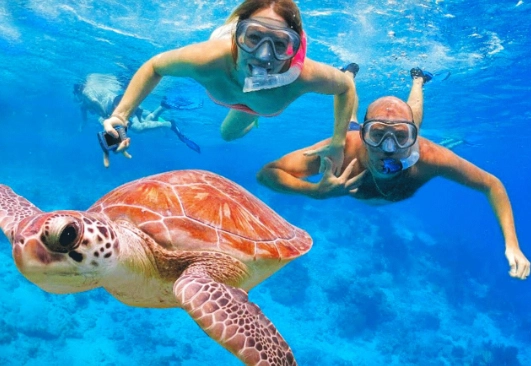
For First-Timers & Families
You want calm, shallow, accessible water with lots of fish and minimal current.
Top Pick: The Big Island of Hawaii (Kealakekua Bay)
Why it works: The bay is a protected marine sanctuary, meaning calm waters. You can take a guided kayak or boat tour directly to the Captain Cook monument, where the reef is pristine and shallow. Sea turtles are common. It’s managed, so it’s not overcrowded. You need a permit for private kayaks or to book with a licensed operator.
Alternative: Curaçao (Playa Lagun or Cas Abao)
Many of Curaçao's beaches are sheltered coves with easy stair or ladder entries. Playa Lagun is a small cove often with turtles, perfect for nervous swimmers. Rent a car and beach-hop.
For Intermediate Snorkelers Ready for Adventure
You're comfortable in open water and want more vibrant reefs and bigger animals.
Top Pick: The Similan Islands, Thailand
This is a liveaboard or day-trip destination, not a beach resort. You take a speedboat from Phuket or Khao Lak (about 1.5 hours). The reefs are stunning, with granite boulders and incredible soft coral. You might see reef sharks and manta rays. The currents can be strong, so following a guide is wise. The season is roughly November to April. Tour cost: $120-$180 per person for a day trip.
Alternative: Roatán, Honduras (West End)
Great barrier reef access right from shore in some spots. You can also take cheap, short boat rides to even better sites like Mary's Place. The vibe is laid-back, and the marine life is prolific.
For the Seasoned Snorkeler Seeking the Extraordinary
You're after unique, bucket-list encounters in more remote locations.
Top Pick: Socorro Islands, Mexico (Revillagigedo Archipelago)
This is the "big animal" capital. We're talking snorkeling with giant manta rays (with 20-foot wingspans), dolphins, and even whale sharks seasonally. Access is via liveaboard dive boats only (a 7-10 day trip), and it's a significant investment. The water can be cooler and choppier. This is for those who have logged hours in the water and are unphased by open ocean conditions.
Safety & Etiquette: What Most Guides Don't Tell You
Currents & Conditions: How to Read the Water
Never just jump in. Watch the water for 5 minutes. Are other snorkelers drifting quickly? Are waves breaking over the reef? Ask a local guide or lifeguard about current direction. The rule is simple: start your swim against the current, so you have an easy return with the current when you're tired.
Marine Life Etiquette (Beyond "Don't Touch")
Yes, don't touch the coral. But also, don't kick up sand onto it. It smothers it. Hover. Use gentle fin kicks. With turtles or rays, give them space—at least 10 feet. Chasing them stresses them out. A report from the Great Barrier Reef Marine Park Authority highlights that passive observation is key to sustainable tourism.
The Sun & Hydration Trap
You're floating in cool water, so you don't feel yourself burning or dehydrating. It's a major risk. Reapply waterproof sunscreen (reef-safe, please) every 80 minutes. Wear a rash guard. Drink a full bottle of water before and after your session. Dehydration leads to fatigue and cramps, which are dangerous in the water.
Reader Comments