So you're thinking about booking a group snorkeling tour. Maybe it's a family reunion, a trip with friends, or a corporate team-building event. The idea sounds fantastic—everyone together, exploring a vibrant underwater world. But then the questions start. How do you pick the right tour for 10 people? What if someone gets seasick? Is it worth the money, or are you better off going solo? I've been on both sides of this, as a guide and as part of big, sometimes chaotic, groups. Let's cut through the noise and get you the information you actually need to make your group snorkeling adventure a success, not a story of regret.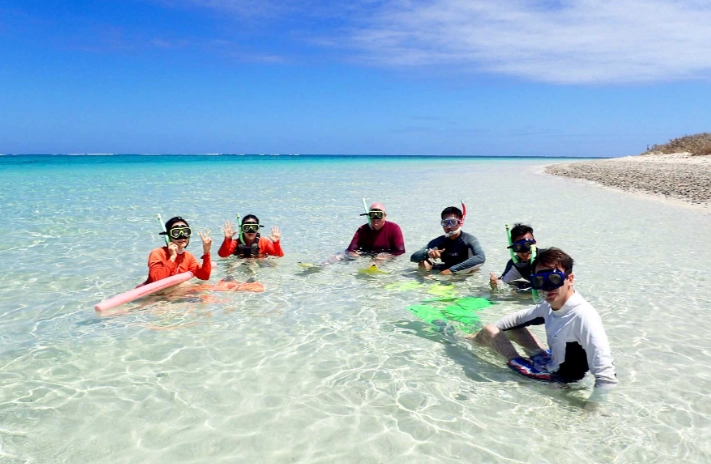
What's Inside This Guide
What to Expect on a Group Snorkeling Tour (The Good, The Bad, The Real)
Forget the perfectly curated Instagram reels. A real group snorkeling tour is a mix of logistics, wonder, and a bit of controlled chaos. Here's the breakdown.
Most tours follow a similar rhythm. You'll meet at a dock, sign waivers (a lot of them), get fitted for gear—mask, snorkel, fins, and usually a buoyancy vest. The briefing is crucial. Listen, even if you're an experienced swimmer. They'll cover safety signals, the route, what marine life you might see, and the number one rule: don't touch anything.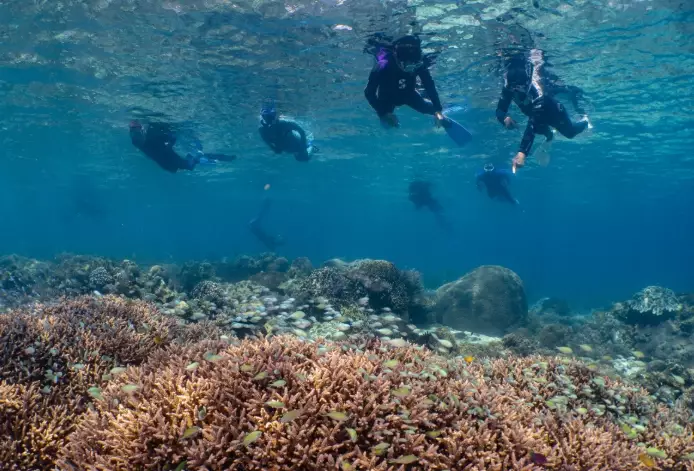
The boat ride can be anywhere from 10 minutes to over an hour. This is where group dynamics come into play. On a catamaran with 40 people, it's social and lively. On a smaller speedboat with 12, it's more intimate but can feel cramped. Once at the site, you'll get in the water, often following a guide in a loose formation.
The Unspoken Truth: The quality of your experience hinges almost entirely on the guide-to-guest ratio and the guide's skill. A great guide manages the group effortlessly, points out hidden creatures, and keeps stragglers safe. A poor one just herds people and counts heads. Always ask about this ratio before booking.
Large Group Tours vs. Small Private Charters
This is the biggest decision you'll make.
| Feature | Large Group Tour (20-50 people) | Small Private Charter (6-15 people) |
|---|---|---|
| Cost | Lower per person ($50-$120). | Significantly higher ($800-$3000 total). |
| Atmosphere | Lively, social, can be crowded. | Exclusive, customizable, relaxed. |
| Flexibility | Fixed itinerary and schedule. | You decide where to go, how long to stay. |
| Attention | Limited personal guidance. | High level of guide attention. |
| Best For | Budget-conscious groups, first-timers, social butterflies. | Families with kids, special occasions, serious snorkelers, mixed-ability groups. |
I once booked a large tour for my extended family. It was fine, but my niece was nervous and the guide didn't have time to help her beyond the basics. The next time, we splurged on a private charter. The guide spent 20 minutes with her in shallow water until she was confident. Worth every extra penny.
How to Choose the Right Group Snorkeling Tour
Don't just pick the first result on Google. Be a detective.
First, assess your group. What's the age range? Fitness level? Any non-swimmers or people prone to seasickness? Be brutally honest. A tour with a long, bumpy boat ride to a pristine reef is a nightmare for someone with motion sickness, no matter how beautiful the destination.
Look beyond the marketing photos. Read recent reviews, specifically for mentions of crowding, guide knowledge, and safety. A phrase like "the guide, Maria, showed us a hidden octopus" is worth more than 100 "great tour" comments. Check if the operator is affiliated with environmental groups like The Coral Reef Alliance or follows guidelines from NOAA's Office of National Marine Sanctuaries. It shows they care about the resource.
Ask direct questions when you inquire:
- "What is your maximum group size and guide-to-guest ratio on the water?"
- "Do you have flotation devices (noodles, full vests) for weaker swimmers?"
- "What is your protocol if someone gets tired or panics in the water?"
- "Are there any additional fees (park entries, gear rental, fuel surcharge)?"
Top Destinations for Group Snorkeling Tours
Some places are simply built for groups. They have the infrastructure, variety of operators, and reliable conditions.
1. The Big Island of Hawaii (Kona Coast)
This is my top pick for first-time group trips. The water on the Kona side is famously calm, with incredible visibility. The star attraction is the Kealakekua Bay (Captain Cook Monument) – a marine life conservation district teeming with fish. Tours typically depart from Keauhou Bay or Honokohau Harbor.
- Group Perks: Many large catamarans with restrooms, shade, and even slides. Great for all ages.
- Sample Operator: Companies like Fair Wind offer well-regarded large-group tours to Kealakekua Bay. Morning tours (starting around 8:30 AM) are best for calm water.
- Cost: Around $130-$160 per adult for a 4-5 hour tour with lunch.
2. Roatán, Honduras (Bay Islands)
For a more adventurous and budget-friendly group option, Roatán is hard to beat. The Mesoamerican Barrier Reef is right offshore. The West End is packed with dive and snorkel shops offering trips for every group size.
- Group Perks: Very affordable. You can easily book a private boat for 10 people for a half-day for less than $500 total. The reef is shallow and accessible.
- Must-See Spot: The Blue Channel area near Sandy Bay is a group favorite for its calm water and abundance of marine life.
- Logistics: Most tours leave from the West End docks between 9 AM and 10 AM. No need to book months in advance; you can often arrange it the day before.
3. The Great Barrier Reef, Australia (Cairns/Port Douglas)
The big one. For a bucket-list group trip, this is it. This is for groups who prioritize the reef experience above all else. Be prepared for longer boat rides (1.5-2 hours each way).
- Group Perks: Massive, stable pontoon platforms at the outer reef. They act as a home base, perfect for groups where some want to snorkel, some want to stay dry and watch from an underwater observatory, and others just want to sunbathe.
- Choosing a Tour: Operators like Quicksilver or Reef Magic run these large pontoon operations. They are professional and handle big groups smoothly.
- Cost & Time: This is the premium option. Expect to pay $250+ AUD per person for a full-day trip departing around 8 AM and returning by 5 PM.
Smart Booking Tips & Avoiding Hidden Costs
Here's where you save money and sanity.
Book as a group, directly. Don't use third-party aggregators for 8+ people. Call or email the operator directly. You can often negotiate a small group discount (5-10%) or get a "group leader goes free" deal. More importantly, you can discuss your group's specific needs.
Read the cancellation policy like a hawk. Weather happens. People get sick. Understand what happens if you cancel 48 hours out vs. 24 hours. Many operators in popular tourist areas have strict policies because they turn away other bookings.
Hidden costs to ask about:
- Marine Park Fees: Common in Hawaii, Australia, and many Caribbean islands. Can be $5-$25 per person, sometimes not included.
- Fuel Surcharges: Some operators reserve the right to add this, especially for longer trips.
- Premium Gear Rental: The included mask and snorkel are often basic. If anyone in your group wears glasses, ask about prescription mask rental ($10-$20). A full-face snorkel mask might also be an extra fee.
- Transportation: Does the price include pickup from your hotel or resort? If not, factor in taxi or rental car costs.
Put a single person in charge of communication and payment. Splitting a bill 12 ways on the dock is a nightmare.
The Group Packing List Everyone Forgets
You know the basics: swimsuit, towel, sunscreen. Here’s what groups consistently forget, leading to last-minute purchases or discomfort.
- For Everyone:
- Rash Guard or Long-Sleeve Swim Shirt: Sun protection is non-negotiable. A 2-hour snorkel can lead to a brutal back sunburn. This is more effective and reef-safe than constantly reapplying sunscreen.
- Reef-Safe Sunscreen (Lotion, not spray): Many destinations (like Hawaii and Key West) ban oxybenzone and octinoxate. Buy a zinc-based lotion and apply it at least 15 minutes before getting in the water. Sprays wash off immediately and pollute the water.
- Reusable Water Bottle: Hydration is key. Boats provide water, but often in small cups. Bring your own.
- Dry Bag: One per family/small subgroup. For phones, wallets, and dry clothes for the ride back.
- For the Prone-to-Seasickness:
- Medication (Dramamine, Bonine): Take it 1 hour before boarding, not when you feel sick. The non-drowsy formula is a must.
- Sea Bands or Ginger Chews: Natural alternatives that work for some.
- For the Group Organizer:
- A Printed Roster with Emergency Contacts. Phone service can be spotty on the water.
- Waterproof Disposable Cameras or a GoPro. Designate a couple of people to take photos for the whole group.
- Small Bills for Tips. Crew tips are customary (15-20% of the tour cost). Have cash ready.
Your Group Snorkeling Questions Answered
Reader Comments