Quick Guide
- Why Shore Snorkeling in Roatan Beats a Boat Trip (Most of the Time)
- The Ultimate Spot-by-Spot Breakdown for Shore Snorkelers
- Gearing Up: What You Really Need (And What You Don't)
- Staying Safe & Being a Responsible Snorkeler
- Answers to the Questions You're Actually Asking
- Wrapping It Up: Your Action Plan
Let's be honest, when you picture a snorkeling trip in the Caribbean, you probably see yourself clambering onto a crowded boat, paying a premium, and motoring out to some designated spot. What if I told you that some of the most breathtaking underwater encounters in Roatan are just a few fin-kicks from the beach? I've been going to the island for years, and while boat trips have their place, my most memorable moments often come from the simple freedom of snorkeling in Roatan from shore.
It's cheaper, it's on your own schedule, and it feels more like a personal discovery than a packaged tour. You wake up, grab your gear, and walk into another world. But not every stretch of sand is created equal. Some spots are mediocre, some are downright magical, and a few can be surprisingly tricky. This guide isn't some generic listicle. It's the culmination of hours spent floating face-down, getting sunburned on my back, and figuring out where the good stuff really is. I'll even tell you about a spot I found that most blogs don't mention, and why one famous beach sometimes isn't worth the hassle.
Why Shore Snorkeling in Roatan Beats a Boat Trip (Most of the Time)
Boat tours shout about their remote locations, but they often overlook the sheer convenience and intimacy of a DIY adventure. When you're snorkeling from the shore in Roatan, you're in control. Feel like spending an hour watching a single parrotfish chomp on coral? Go for it. Saw a turtle and want to follow it (responsibly, from a distance)? No guide is blowing a whistle to hurry you back to the group. The cost savings are no joke either. A decent boat snorkel can run you $40-$80 per person. That money is better spent on a fantastic dinner or a few extra nights on the island.
But the real win is the spontaneity. That afternoon rain shower passed, leaving the sky clear? You can be in the water in 10 minutes. The boat tours for the day are long gone. This flexibility is gold. Of course, it's not all perfect. Shore access limits your range. You won't reach the dramatic wall drops on the north side from the beach. And you need to be more aware of conditions—no captain is there to assess the current for you. It's a trade-off, but for many, especially families or budget travelers, snorkeling in Roatan from shore is the clear winner.
The Ultimate Spot-by-Spot Breakdown for Shore Snorkelers
Alright, let's get to the meat of it. Where do you actually go? I've ranked these based on a mix of coral health, fish life, accessibility, and overall experience. Remember, conditions change with weather and season, so always do a visual check before jumping in.
West Bay Beach: The Famous (And Crowded) Front Yard
This is the poster child for Roatan shore snorkeling. The reason is simple: the Mesoamerican Barrier Reef, the second-largest in the world, literally kisses the shore here. You can swim out 20 yards and be over vibrant coral heads teeming with life.
The convenience is unmatched. Park yourself anywhere near the middle to southern end of the beach (away from the main pier) and swim straight out. You'll see sergeant majors, blue tangs, parrotfish, and if you're lucky, a ray gliding over the sand channels. The coral, particularly the large star and brain corals, is impressive and close to the surface.
It gets packed. I'm talking fin-to-fin on a busy day. The amount of boat traffic (taxi boats, tours, jetskis) near the drop-off can be stressful. Also, the beach itself is lined with resorts and vendors. It lacks that secluded feel. My personal take? It's a must-do for the first-timer because the access is so easy, but it's not where I spend most of my time anymore. The experience feels a bit... manufactured.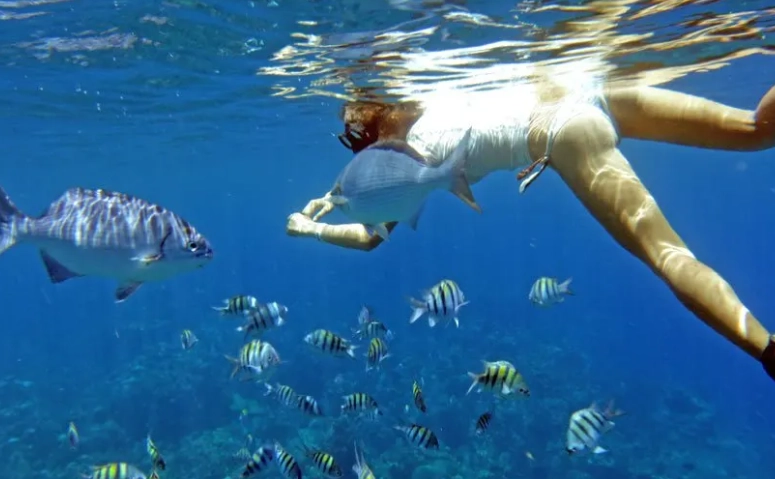
West End Village: The Laid-Back Alternative
Just north of West Bay, the vibe in West End is completely different. It's a sandy, walking-street village with piers and docks. The snorkeling here is less about a direct, deep reef and more about exploring a shallower, interesting system. Start from Half Moon Bay Beach or one of the public access points between hotels.
You'll find more sea grass beds here, which are crucial ecosystems. This means you have a better chance of spotting creatures like the reclusive spotted eagle ray or a foraging green sea turtle. The coral is patchier but there are fascinating swim-throughs and small canyons if you know where to look. It's generally calmer and less crowded than West Bay for snorkeling from shore in Roatan. The best part? Finishing your snorkel and walking to a casual beach bar for a cold drink without dealing with taxi haggling.
The Hidden Gem: Sandy Bay & The Marine Park
This is my personal favorite area for a relaxed, high-quality snorkel. The Roatan Marine Park, a non-profit conservation organization, has its headquarters here (roatanmarinepark.org). Their mooring buoys and conservation efforts show. The entry is via the small, often quiet, Sandy Bay beach or from designated spots along the road.
The reef is a medium swim out, but it's worth it. The coral coverage is excellent, and because it's not the main tourist hub, the fish seem less skittish. I've had prolonged encounters with large schools of grunt and snapper here that just ignored me. It feels wilder. There are also some fantastic, easy-to-navigate spur-and-groove formations (parallel channels of sand and reef). Check the Marine Park's site for current info—they sometimes have maps of the best entry points.
Other Mentions: Tabyana Beach & Mahogany Bay
Tabyana Beach is essentially the western end of West Bay Beach, often accessed via cruise ship excursions. The snorkeling is the same great reef, but when a ship is in, it's ground zero for crowds. Avoid it on cruise ship days if you can.
Mahogany Bay, built by a cruise line, is pretty but the snorkeling from its main beach is very limited—mostly sandy bottom with seagrass. Don't bother here if snorkeling is your primary goal. You'd need to take a boat or walk to a different area.
| Spot | Best For | Coral & Fish Life | Crowd Level | My Personal Rating |
|---|---|---|---|---|
| West Bay Beach | First-timers, families, instant reef access | Excellent coral, abundant tropical fish | Very High (especially 11am-3pm) | 8/10 (for the reef, not the crowds) |
| West End Village | Chill exploration, combining snorkel with village life | Good, more varied (grass beds & reef) | Medium | 7.5/10 |
| Sandy Bay / Marine Park | Serious snorkelers, healthier reef, tranquility | Excellent, well-preserved | Low | 9/10 |
| Tabyana Beach | Convenience if staying nearby | Excellent (same reef as West Bay) | Extremely High on cruise days | 5/10 (due to unpredictable crowds) |
Gearing Up: What You Really Need (And What You Don't)
You don't need the fanciest gear for successful snorkeling in Roatan from shore, but a few key items will transform your experience from frustrating to fantastic.
The Non-Negotiables:
- A Well-Fitting Mask: This is 80% of your comfort. Don't rent a leaky, foggy one. If you snorkel more than once in your life, buy your own. Test the seal by placing it on your face without the strap and inhaling slightly through your nose. It should stay put. A dry snorkel (with a splash guard at the top) is a game-changer for avoiding swallowing water when small waves hit.
- Fins: Full-foot fins are fine for calm shore snorkeling. They're easier to walk in on the beach. Open-heel fins with booties are better if you're navigating rocky entries anywhere. Don't get ones that are too long; you're not free-diving 100 feet.
- Rash Guard or UV Shirt: This is not optional. The sun at 16 degrees north latitude is brutal, even through water. A long-sleeve rash guard protects your back from sunburn and also from accidental scrapes against coral or any mild jellyfish stings. It's the single best piece of “safety” gear you can have.
Nice-to-Haves:
- A Floating Dry Bag: For your keys, phone, and a towel. You can anchor it to a rock or just let it float along with you.
- Underwater Camera: A GoPro or a cheap waterproof case for your phone. The memories are worth it.
- Defogger: Baby shampoo in a tiny bottle works better than most commercial sprays. Just a drop, smear it around the inside of the lens, rinse lightly.
Staying Safe & Being a Responsible Snorkeler
This part is crucial. The ocean isn't a pool. A little awareness prevents 99% of problems. First, always snorkel with a buddy. Even in calm water, cramps happen. Second, never touch the coral. It's a living animal, and the oils from your skin can damage it. It can also be sharp and give you a nasty cut. If you need to adjust your gear, float vertically and tread water gently.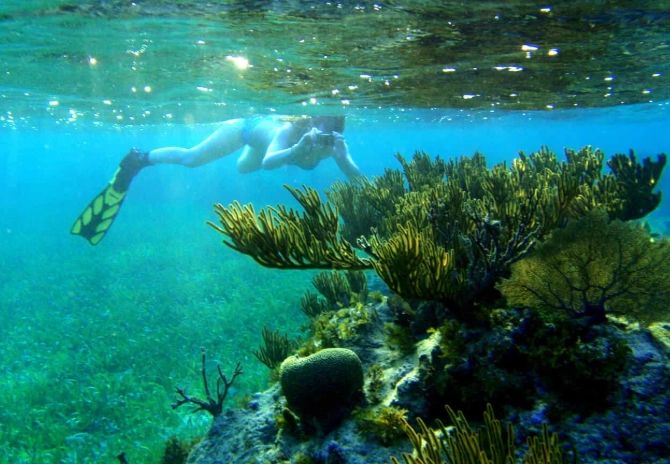
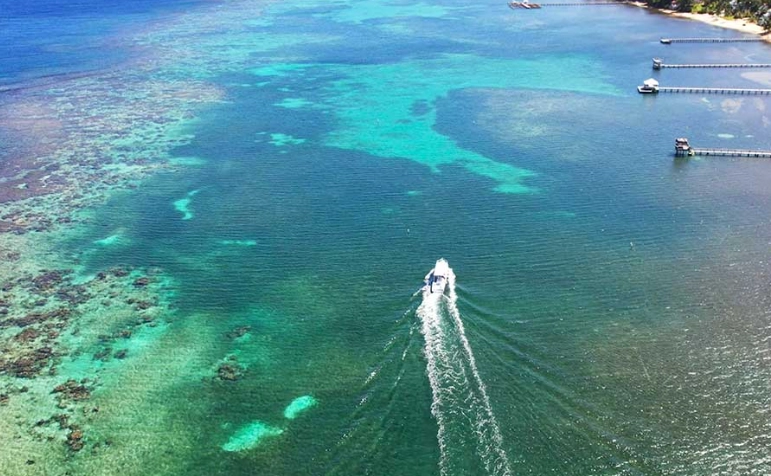
Be extremely mindful of boat traffic, especially near West Bay. Stay within the swimming areas if they're marked. Listen. You can hear boat engines. If you're crossing a channel, do it quickly and as a group. Check the current. Before you get in, throw a leaf or bit of seaweed in the water and watch which way it drifts. Plan your route so you're swimming against the current at the start and floating back with it at the end.
Hydrate. Snorkeling is exercise, and the sun dehydrates you. Drink water before and after. Know your limits. If you're tired, get out. It's that simple. The goal of snorkeling from shore in Roatan is fun, not exhaustion.
Answers to the Questions You're Actually Asking
Wrapping It Up: Your Action Plan
So, you're convinced. Snorkeling in Roatan from shore is the way to go. Here’s your quick-start plan. Day 1: Head to West Bay early. Experience the iconic, easy-access reef. Get your confidence up. Day 2: Try West End. Explore the piers, the grass beds, enjoy the village atmosphere. Day 3: Make the trip to the Sandy Bay / Roatan Marine Park area. Experience the quieter, pristine side of the island's underwater world.
Pack a rash guard, reef-safe sunscreen, and your own mask if possible. Check the wind forecast each morning. Hydrate. Don't touch anything. And most importantly, slow down. The reef isn't going anywhere. Float. Observe. The best moments come when you stop swimming and just become part of the environment. A curious trumpetfish might come inspect you. A school of blue chromis might swirl around you.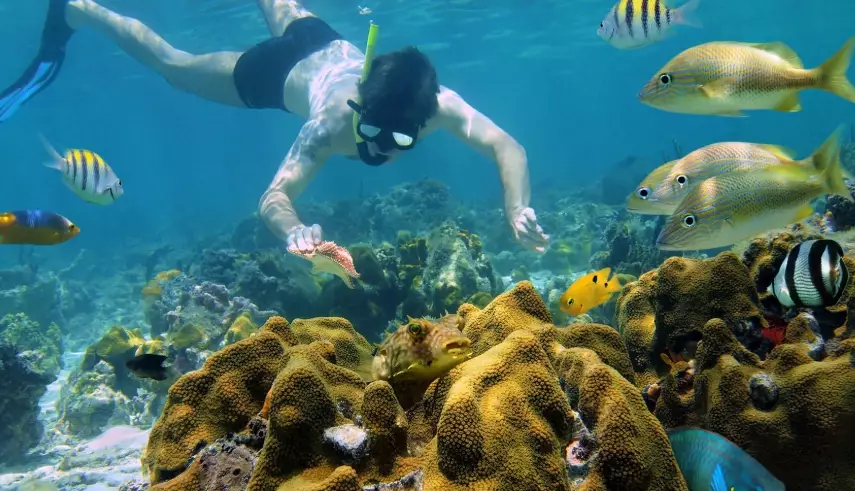
Got more questions? Drop them in the comments below. I'm not a tour company, just someone who loves that island and its reefs, and I'm happy to help you plan an amazing, independent adventure. Now go get your fins wet.
Reader Comments