Quick Navigation
Let's be honest, when you picture Turks and Caicos, you're probably thinking of Grace Bay's impossibly white sand. I was too. But then a local fisherman, while fixing his net, nodded towards the water and said, "The real show's right there, under the surface. Just wade in." He was talking about Bight Reef. And he was absolutely right.
Bight Reef (sometimes called Coral Gardens) isn't some distant spot you need a boat to reach. It's a living, breathing coral reef system literally steps from the shore at The Bight Park on Providenciales. This accessibility is its superpower, but also its biggest challenge. I've snorkeled it a dozen times over the years, in calm conditions and choppy ones, and I've watched it change. This guide isn't just a dry list of facts. It's everything I wish I'd known before my first splash, mixed with the hard-won practical tips and honest observations you need to plan your visit.
What Exactly is Bight Reef Turks and Caicos?
Think of it as the island's front-yard aquarium. Located along the pristine barrier reef of Providenciales' north shore, Bight Reef is a protected marine area. It's a fringing reef, meaning it grows directly seaward from the shore or from a shallow lagoon. The reef crest is only about 100-200 yards offshore, creating a calm, shallow lagoon that's perfect for beginners and kids.
The genius of Bight Reef Turks and Caicos is its design for people. You don't need to be a certified diver or an Olympic swimmer. If you can float and breathe through a tube, you're qualified. The reef's layout guides you naturally—starting with sandy patches and sea grass, leading to scattered coral heads, and finally to the main reef wall where the depth drops and the action really begins.
But here's the thing they don't always tell you in the brochures: the reef has had its struggles. You'll see areas of vibrant, colorful life right next to sections of coral that look pale or broken. Storms, warming waters, and, let's face it, the impact of thousands of visitors have left marks. It's not a pristine, untouched wilderness. It's a resilient community park under the sea, and understanding that makes appreciating its beauty even more meaningful.
Why Bight Reef Should Be on Your Snorkel List
You have endless choices in TCI. So why pick this one?
Accessibility is Unbeatable
This is the big one. Free public access via The Bight Park means no tour fees are required. You can go at your own pace, for as long as you want. Feel tired after 20 minutes? Walk back to your towel. Want to go back at sunset? No problem. This flexibility is a game-changer, especially for families with unpredictable kids.
A Staggering Array of Marine Life
We're talking about a condensed ecosystem. In one 45-minute snorkel, I've regularly seen:
- Parrotfish in every color, crunching loudly on coral (that sound is unforgettable).
- Schools of shimmering blue tangs and sergeant majors.
- Southern stingrays gliding over the sand flats.
- Trumpetfish trying (and failing) to hide vertically beside sea fans.
- The occasional green sea turtle munching on seagrass (a heart-stopping moment every time).
The Turks and Caicos Islands Tourist Board officially lists it as one of the top shore-accessible snorkel sites, and for good reason.
Perfect for Skill Building
It's the ideal training ground. The lagoon is shallow enough to stand in if you panic (just watch your step for sea urchins). You can practice clearing your mask, getting used to your fins, and learning to breathe slowly, all within a safe distance from shore. By the time you reach the deeper reef edge, you'll feel like a pro.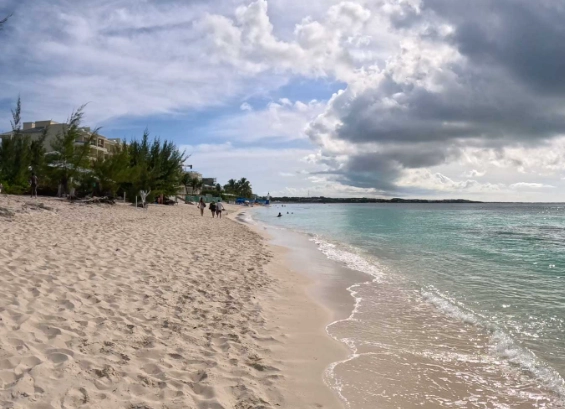
The Nitty-Gritty: Your Bight Reef Planning Guide
Okay, let's get practical. How do you actually do this?
Getting There and Entry Points
The main public access is at The Bight Park. There's a small parking lot (fills up by mid-morning), picnic tables, and basic restrooms. From the sandy beach, you simply walk in. Some resorts along Grace Bay (like the Sands at Grace Bay) have direct, private access points for their guests, but the public park is your best bet.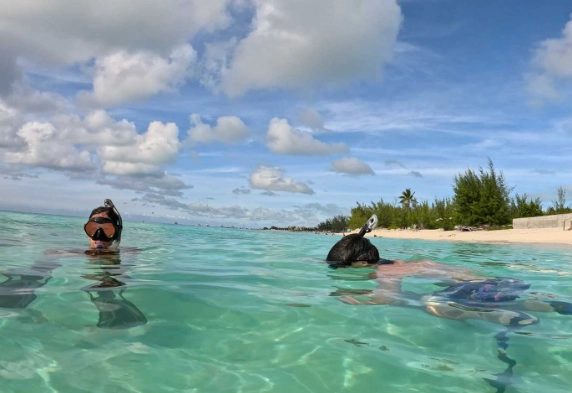
Look for the sandy channels between the coral heads as your entry path. Don't just stomp over live coral to get to deeper water—it damages the reef and is a surefire way to get cut up.
When to Go: Timing is Everything
This might be the most important tip in the whole guide. The conditions at Bight Reef Turks and Caicos are totally dependent on the weather.
- Best Time of Day: Early morning (8-10 AM). The sun is behind you, lighting up the reef perfectly. The water is usually calmer, and you'll have it mostly to yourself.
- Best Time of Year: Generally, April to July offers the calmest seas. Winter months (Dec-Feb) can see more "northers" that churn up the sand and reduce visibility.
- Check the Wind: Look at the wind direction. Any strong wind from the north or northeast will make the water choppy and reduce visibility to maybe 10 feet. A calm day with light winds from the south or southeast? That's 50+ foot visibility, crystal-clear paradise.
The Visibility Rule
On a perfect day, visibility at Bight Reef can exceed 100 feet. On a rough day, it can be less than 15. Always check the surf forecast before you go.
Costs: Free vs. Guided
Snorkeling Bight Reef itself is free. Your costs are just gear. You can rent a decent mask, snorkel, and fin set from numerous shops on Provo for about $15-25 per day. If you're a novice, a guided tour from a reputable operator might be worth it for the education and safety. They'll point out creatures you'd miss and handle currents.
| Option | Pros | Cons | Estimated Cost (per person) |
|---|---|---|---|
| DIY (Bring/Rent Gear) | Total freedom, no schedule, minimal cost. | No guide to explain what you're seeing, safety is your own responsibility. | $0 (gear rental: $15-$25) |
| Guided Shore Snorkel Tour | Expert guidance, marine life education, safety in a group. | Fixed schedule, less personal time, higher cost. | $50 - $80 |
| Boat Tour that includes Bight Reef | Often combines with other sites (like Smith's Reef), gear/instruction included. | Most expensive, less time actually at Bight Reef itself. | $80 - $120+ |
My take? For first-timers, a short guided tour is a fantastic investment. After that, go DIY.
What You'll See: A Rolodex of Reef Residents
The cast of characters at Bight Reef is impressive. Here’s who you’re likely to meet, moving from the shallows to the deep.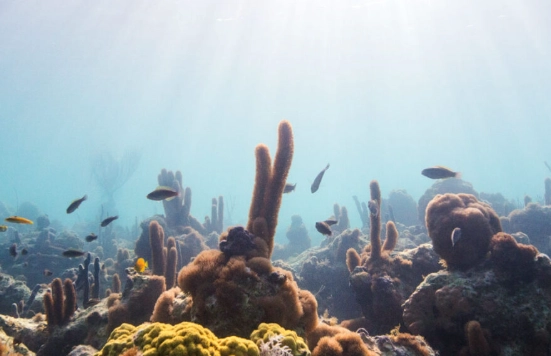
The Shallow Sand & Seagrass Flats (0-4 ft deep)
Don't rush through this part! This nursery area is full of life.
- Southern Stingrays: Often buried in the sand with just their eyes poking out. Move slowly and you might see them flutter away.
- Conch: Look for their heavy, pink-lipped shells. They're a protected species, so look but don't touch.
- Baby Fish: Tiny, translucent juveniles of all species hide here in the relative safety of the grass.
The Coral Garden & Reef Crest (4-15 ft deep)
This is the main event. Brain coral, elkhorn coral, sea fans, and sponges create a bustling city.
- Parrotfish (The Stars of the Show): Rainbow, midnight, and stoplight parrotfish are common. Listen for their grating beak sounds.
- Blue Tangs & Surgeonfish: Vibrant blue schools that move as one.
- Angelfish: French and gray angelfish, often in pairs, grazing on sponges.
- Trumpetfish & Needlefish: The ambush predators, hovering motionless.
The Reef Drop-Off (15 ft+)
Where the reef wall falls away into deeper blue. This is where you might get lucky.
- Barracuda: Solitary and sleek, they'll watch you with a disconcerting curiosity but are rarely aggressive.
- Tarpon: Large, silver, prehistoric-looking fish that sometimes cruise the edge.
- Sea Turtles: Not guaranteed, but they do frequent the seagrass beds nearby. Seeing one is pure magic.
For definitive identification and conservation status of these species, the Reef Environmental Education Foundation (REEF) is an incredible resource for citizen scientists and curious snorkelers alike.
Essential Tips for a Safe and Awesome Visit
This is the stuff that makes the difference between a good day and a great one (or a safe one and a scary one).
Safety First, Always
- Never Snorkel Alone: Seriously. Even in shallow water. Go with a buddy.
- Assess Conditions from Shore: Spend 5 minutes watching the water. Are people struggling with current? Is it choppy? If it looks rough, it is.
- Stay Hydrated: Snorkeling is exercise, and the sun is intense. Drink way more water than you think you need.
- Foot Protection: I recommend wearing old sneakers or reef shoes. The walk from the park across the sand and rubble can have sharp shells and the dreaded sea urchin. I've stepped on one (in flip-flops, like a fool). It's a pain you don't want.
Protecting Bight Reef Turks and Caicos
This reef is free for us to enjoy. The least we can do is not destroy it.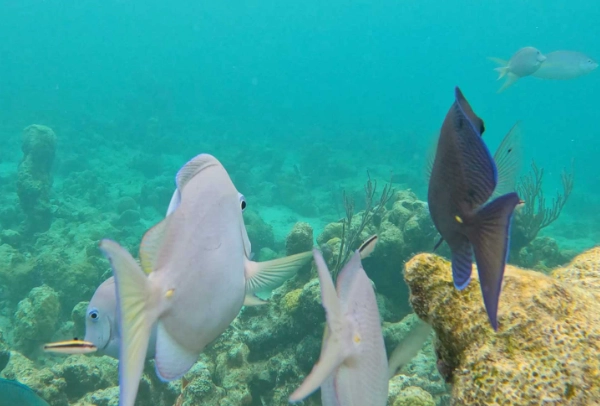
- No Standing: Never stand, kneel, or sit on coral. It's a living animal and you will kill it. If you're tired, float on your back or go to a sandy area.
- No Touching: Don't touch anything. Not the coral, not the fish, not the shells. Some corals can sting or cut you, and your touch removes protective coatings from marine life.
- No Feeding: Feeding fish human food disrupts their diet and natural behavior.
- Reef-Safe Sunscreen: Please use a mineral-based sunscreen (zinc oxide/titanium dioxide) that is labeled "Reef Safe." Chemicals like oxybenzone bleach and kill coral. Many shops on Provo sell it.
The Turks and Caicos Department of Environment & Coastal Resources manages the island's marine parks and has strict regulations to protect places like Bight Reef. It's worth a quick look to understand the rules.
What to Bring: The Non-Obvious List
- A waterproof dry bag for your keys and phone on shore.
- A long-sleeved rash guard. This protects you from sunburn better than sunscreen and prevents minor scrapes.
- Anti-fog gel for your mask (spit works in a pinch, but the gel is better).
- A floating keychain if your car key is electronic. Dropping it in 10 feet of water is a vacation-ender.
- Cash for the parking lot ice cream truck that sometimes appears—trust me, after snorkeling, it's the best thing ever.
Answering Your Bight Reef Questions
Yes, absolutely, but with serious supervision. The inner lagoon is shallow and calm. Use a flotation vest for kids (and nervous adults). Start in water shallow enough to stand. The key is managing their energy and fear—keep the first session short and sweet. If they're not enjoying it, get out. Forcing it helps no one.
Smith's Reef, further down the coast, is often less crowded and has a different structure—more canyons and swim-throughs. It can feel a bit more "wild." Bight Reef is generally more reliable for calm conditions and has a higher density of fish right in the coral garden. My advice? Do both if you can. They complement each other.
Jellyfish are rare but not impossible, especially at certain times of year (like a few weeks after a full moon). Stingrays will avoid you if you don't step on them. Barracuda are curious but not aggressive. The most likely "danger" is a sea urchin spine in your foot or a coral scrape from careless contact. Respect the wildlife, and it will respect you.
For your very first time snorkeling ever? Strongly consider it. A good guide from a company like Big Blue Unlimited (known for their eco-focused tours) will teach you how to interact with the reef, show you hidden creatures, and handle any nerves. If you're even moderately experienced, you'll be fine on your own.
Two tied for first place: 1) Going out when the conditions are rough because they "made a plan," leading to a scary, murky, unpleasant experience. And 2) Trampling the coral in the first 20 yards because they're impatient to get to "deep water." The journey is the destination here. Go slow.
But by the time I was floating over a giant brain coral, watching a parrotfish turn a chunk of it into fine white sand, I'd forgotten all about it. That's the magic of Bight Reef Turks and Caicos. It's not the most remote or the most pristine reef you'll ever see. But it might be the most welcoming, the most forgiving, and the one that turns a hesitant beginner into a lifelong snorkeling enthusiast. It's a community treasure, a fragile underwater garden, and an incredibly easy adventure all rolled into one. Just remember to tread lightly—both in the water and on your expectations. Let the reef reveal itself to you, on its own terms. You won't be disappointed.
One last piece of advice from someone who's been there: After you get out, sit on the beach for a while. Let the sun warm you up. You'll see the next group of people wading in, full of that same excited anticipation. And you'll know exactly what they're about to discover.
Reader Comments