Quick Navigation
- Why Your Gear Choice Matters More Than You Think
- The Heart of the System: Choosing Your Snorkeling Mask
- Your Airway: Picking the Right Snorkel
- Your Motors: Selecting Snorkeling Fins
- The Supporting Cast: Other Gear to Consider
- Putting It All Together: The Final Checklist Before You Buy
- Care and Maintenance: Make Your Gear Last
- Your Snorkeling Gear Questions, Answered
- Final Thoughts
Let's be honest. The first time I tried to buy snorkeling gear, I stood in the store completely lost. Masks, snorkels, fins – they all looked kind of the same, but the price tags told a different story. I ended up with a cheap set that fogged up instantly and leaked so much I might as well have been drinking the ocean. Not a great start.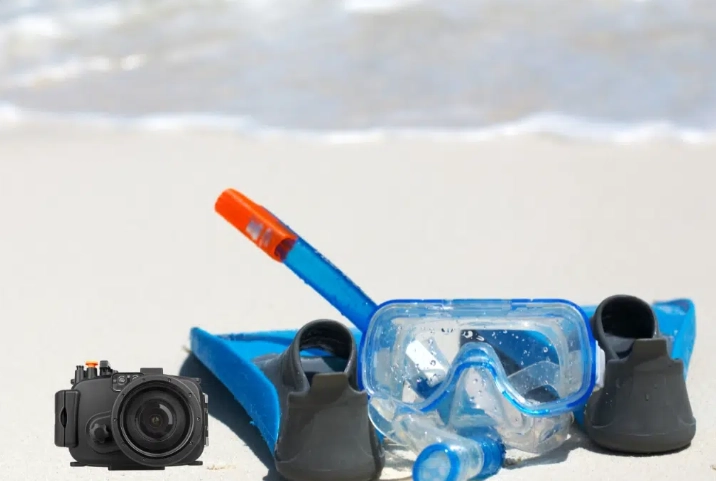
That experience taught me a hard lesson: knowing how to choose snorkeling gear isn't just about picking the prettiest color. It's the difference between a magical window into another world and a frustrating, leaky, foggy mess that makes you want to give up after five minutes.
Good gear fits you. It feels like a part of you, not a clunky contraption strapped to your face. It lets you breathe easy and move smoothly. Bad gear? It's a constant battle.
So, whether you're planning your first tropical getaway or you're tired of renting questionable equipment, this guide is for you. We're going to break it down, piece by piece, without the jargon. Forget the marketing fluff. Let's talk about what actually matters when you're in the water.
Why Your Gear Choice Matters More Than You Think
You might be tempted to grab the $30 set from the big-box store. I get it. It's cheap, it's easy. But snorkeling is one of those activities where the gear is literally your lifeline to the experience.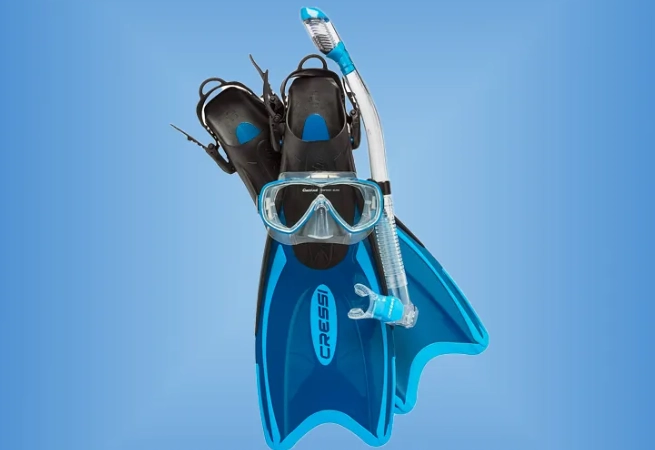
Think about it. Your mask is your only clear view of the underwater world. If it fogs or leaks, you're blind. Your snorkel is your air supply. If it's hard to breathe through or constantly lets water in, you're choking. Your fins are your engine. If they're too stiff, too floppy, or don't fit, you'll exhaust yourself kicking against the current.
Comfort equals safety. A leaky mask means you're constantly clearing it, taking your eyes off the fish and your mind off your surroundings. Ill-fitting fins can cause cramps or blisters, turning a fun swim into a struggle back to shore. Good gear removes these distractions and lets you focus on the wonder of it all.
It also saves you money in the long run. Renting gear adds up trip after trip. And that cheap set? It'll probably fall apart or perform so poorly you'll need to replace it anyway. Investing in decent gear from the start means years of reliable adventures.
The Heart of the System: Choosing Your Snorkeling Mask
This is, without a doubt, the most important piece. A perfect fit is non-negotiable. All the fancy features in the world won't help if the seal is broken.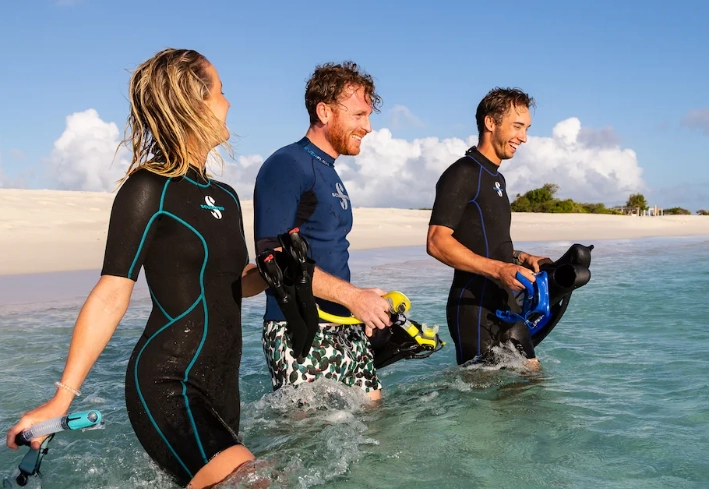
The Fit Test (Do NOT Skip This)
Here's the golden rule you'll hear from every seasoned snorkeler and dive master. You can do this in any store, or even at home with an online purchase (just check the return policy first).
- Remove the strap. Don't let the strap influence the test. Hold it against your face with the palm of your hand.
- Inhale gently through your nose. Just a little sniff. Don't suck in like a vacuum cleaner.
- Hold your breath. The mask should stick to your face by itself, with no help from your hand.
- Check the skirt. Feel around the edges, especially under your nose and across your cheekbones. Is it pressing evenly? No gaps?
If it falls off or you feel air rushing in, it's not the mask for your face. Try another. Face shapes vary wildly – a mask that fits your friend perfectly might be terrible for you.
Key Features to Look For
Lens Material: Tempered glass is the only safe option. It's strong and, if it does break, it shatters into less dangerous granules. Avoid plastic or "safety" glass at all costs. Scratches easily and is a safety hazard.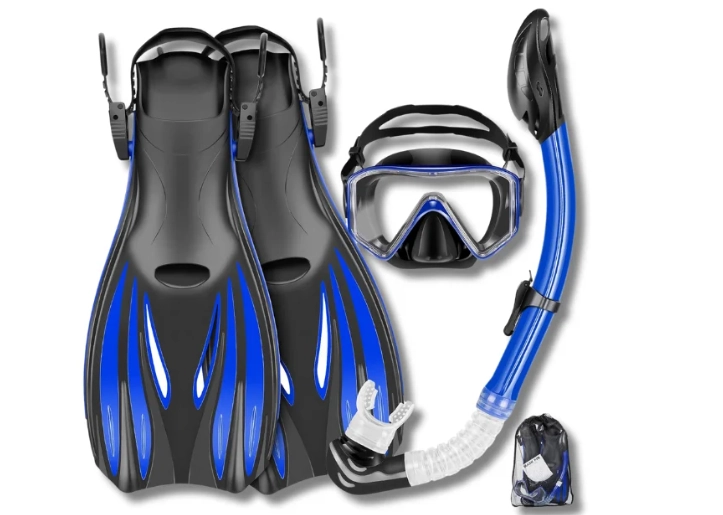
Skirt Material: Silicone is the winner. It's soft, hypoallergenic, durable, and creates a much better seal than old-school rubber (which can degrade and cause skin irritation). Black skirted masks are popular because they reduce internal light reflection, minimizing glare. Clear skirts let in more light, which some beginners prefer, but can cause glare.
Field of View: Look for a low-volume design. This means the space inside the mask (between your eyes and the glass) is smaller. Why is this good? It sits closer to your face, feels more stable, requires less air to clear if water gets in, and generally offers a wider, more panoramic view. High-volume masks feel bulky and are harder to clear.
The Nose Pocket: Can you pinch your nose through it? You need to be able to equalize the pressure in your ears if you dive down even a few feet. If the pocket is too rigid or small, you can't do this.
Specialty Masks: Are They Worth It?
- Prescription Masks: If you wear glasses, these are a game-changer. You can get masks with bonded corrective lenses or even get custom lenses made for some models. Don't try to wear contacts under a regular mask; if it floods, you could lose a lens or get an infection.
- Full Face Snorkel Masks: These cover your entire face and have a built-in snorkel on top. They're controversial. Proponents love the easy breathing and wide view. Critics, including many safety organizations, point to risks of CO2 buildup if not designed and used perfectly, and the danger if you need to clear water quickly. The U.S. Consumer Product Safety Commission (CPSC) has issued safety warnings about them. My take? For surface-only, calm-water snorkeling by a confident swimmer, some newer models with advanced venting might be okay. But for anything involving diving down, currents, or beginners, a traditional separate mask and snorkel is the safer, more proven choice. Do your research.
The process of how to choose snorkeling gear truly starts with the mask. Get this right, and you're 70% of the way there.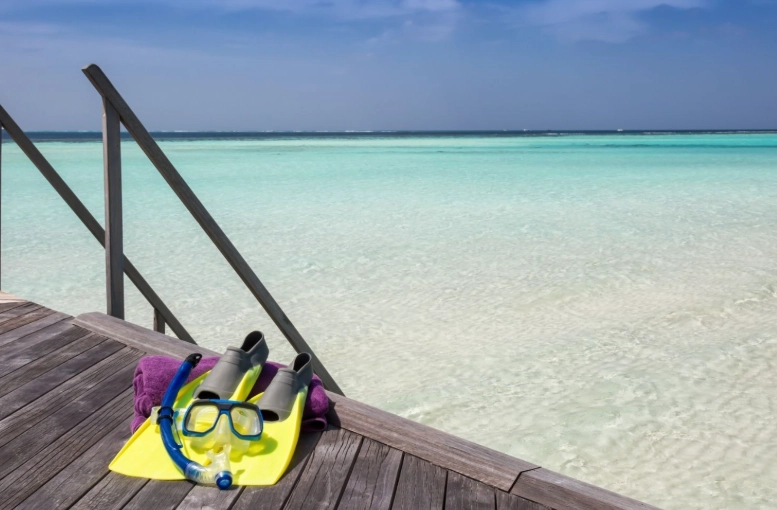
Your Airway: Picking the Right Snorkel
The snorkel has evolved. Gone are the simple J-tubes. Now you have a few main types, each with pros and cons.
Classic J-Snorkel (Simple Tube)
- Pros: Dead simple, nothing to break, easy to clear with a sharp exhale (the "blast clear" method), lightweight, inexpensive.
- Cons: Water enters the top easily if a wave hits, requiring you to clear it more often.
- Best for: Confident swimmers, divers who spend more time underwater than on the surface, and purists who want minimal gear.
Dry Snorkel (with a float valve)
- Pros: Has a mechanism (usually a float) that seals the top of the tube when submerged, preventing most water from entering. Great for beginners or choppy water.
- Cons: Heavier, more complex (more parts that can fail), can sometimes stick shut or make breathing feel slightly restricted. The valve can also trap water, making it harder to clear if it does flood.
- Best for: Beginners, surface snorkelers, or anyone who hates getting a mouthful of water.
Semi-Dry Snorkel (with a splash guard)
- Pros: Features a flexible cover or baffle at the top that deflects splashes and small waves, reducing water intake. Simpler and more reliable than a full dry snorkel.
- Cons: Doesn't fully seal like a dry snorkel, so some water will get in if you go fully underwater.
- Best for: The great compromise. Most recreational snorkelers find this the ideal balance of convenience and simplicity.
Flexible Snorkel (with a purge valve)
- Note: This is often a feature added to dry or semi-dry snorkels. It's a one-way valve at the bottom of the mouthpiece. When you exhale, water is forced out through this valve, making clearing easier, especially for beginners who haven't mastered the blast technique.
- Watch Out: Purge valves can get clogged with sand or debris. Rinse them thoroughly.
Mouthpiece is King
You'll be clamping down on this for hours. A good mouthpiece is made of soft, medical-grade silicone and should fit comfortably in your mouth without forcing your jaw into an awkward position. Look for one with bite tabs that are easy to grip. Avoid hard plastic – it's a recipe for jaw fatigue.
The snorkel should attach to your mask strap with a simple, secure clip. Avoid rigid, fixed attachments that don't allow the snorkel to move independently; if your mask gets bumped, a rigid snorkel can twist it on your face.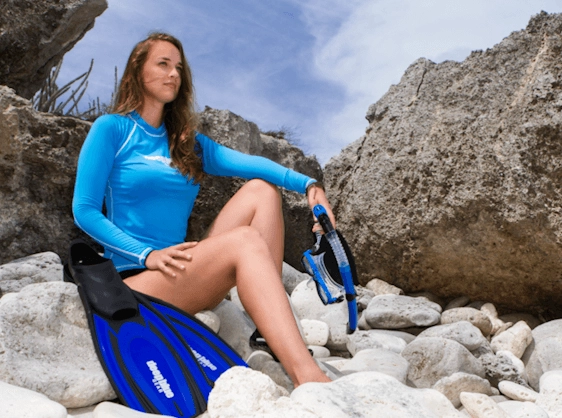
Your Motors: Selecting Snorkeling Fins
Fins turn your kicks into propulsion. The right pair makes you efficient and fast; the wrong pair makes you tired and sore.
Full-Foot vs. Open-Heel (Adjustable Strap)
| Feature | Full-Foot Fins | Open-Heel Fins |
|---|---|---|
| Design | Slip on like a shoe, cover entire foot. | Heel is open, secured with an adjustable strap. Worn with neoprene booties. |
| Best For | Warm, tropical water. Beach entries from sand. General surface snorkeling. | Colder water, rocky entries, kayak/boat trips where you need shoes on deck. More power for diving down. |
| Comfort & Fit | Must fit perfectly barefoot. Too tight=cramps. Too loose=blisters/rubbing. | Fit is adjusted via strap. Booties provide cushioning and protect from chafing. |
| Convenience | Very easy on/off. Less gear. | Require buying booties as well. More steps to gear up. |
| Power & Versatility | Typically shorter, more flexible blades. Good for casual cruising. | Often longer, stiffer blades. More thrust. The choice for scuba divers too. |
For most warm-water snorkelers, a good pair of full-foot fins is perfect. If you think you might snorkel in varied conditions or progress to scuba, open-heel is the more versatile long-term investment.
Blade Stiffness and Length
This is where personal strength and fitness come in.
- Softer/Shorter Blades: Require less leg strength, are easier to kick quickly, and are great for beginners, children, or relaxed surface snorkeling. You won't go as fast with each kick, but you'll tire less easily.
- Stiffer/Longer Blades: Transfer more power from your kick into forward motion. They are more efficient for covering distance or fighting a mild current, but demand stronger legs and proper technique (using your whole hip/leg, not just the knee). Using fins that are too stiff for you is the #1 cause of leg cramps.
Some fins have channels, vents, or split designs. These aim to increase efficiency, reduce effort, or minimize vortex creation. They can work well, but don't get overly focused on tech. Fit and appropriate stiffness matter more.
The Supporting Cast: Other Gear to Consider
Snorkeling Vest/Snorkel Vest: This is a slim, inflatable bladder you wear. Not a bulky life jacket. You can orally inflate it for extra buoyancy when resting or deflate it to dive down. It's a fantastic safety and confidence booster, especially for beginners, weaker swimmers, or in open water. Highly recommended.
Rash Guard or Wetsuit: Even in warm water, a thin rash guard (lycra shirt) protects your back from sunburn—a major risk when floating face-down for hours. It also protects against minor scrapes and jellyfish stings. In cooler water, a 1-2mm neoprene shorty or full suit provides warmth and buoyancy.
Mesh Gear Bag: Get a bag that lets sand and water drain out. Your gear will thank you.
Putting It All Together: The Final Checklist Before You Buy
- Mask Fit Test: Did it pass the inhale-and-hold test? Can you pinch your nose?
- Mask Features: Tempered glass? Silicone skirt? Good field of view?
- Snorkel Type: Have you decided on dry, semi-dry, or classic based on your style?
- Mouthpiece Feel: Is the silicone soft? Does it feel comfortable in your mouth?
- Fin Type: Full-foot for warm sand, or open-heel for versatility?
- Fin Fit/Stiffness: Do they fit snugly without painful pressure points? Can you flex the blade comfortably with your leg strength?
- Budget Balance: Remember the rule: prioritize mask and snorkel. It's okay to spend less on fins initially.
That's the core of how to choose snorkeling gear. But you know what? The best gear in the world is useless if you don't take care of it.
Care and Maintenance: Make Your Gear Last
After every use, rinse EVERYTHING thoroughly in fresh, clean water. Salt, sand, and sunscreen are the enemies of silicone, straps, and moving parts. Don't use hot water. Just a cool rinse.
Let your gear air dry in the shade, out of direct sunlight. UV rays degrade silicone and neoprene faster than anything. Don't store it wet in a sealed bag – that's how mold happens.
For your mask, to prevent fogging, use a tiny drop of baby shampoo rubbed on the inside lens and rinsed lightly, or a proper anti-fog gel. Never, ever touch the inside of the lens with your fingers—the oils from your skin are what cause fogging in the first place.
Your Snorkeling Gear Questions, Answered
See? It's not so mysterious.
Final Thoughts
Learning how to choose snorkeling gear is a bit like learning to cook. You start by following the basic recipe—fit test, material check, right tool for the job. After a while, you develop your own preferences. Maybe you love the simplicity of a classic snorkel, or you decide you need the extra confidence of a dry snorkel. That's fine.
The goal isn't to buy the most expensive gear. The goal is to buy the right gear for you. Gear that disappears when you use it, becoming an invisible bridge between you and the incredible world beneath the waves.
Start with a great mask. Take your time. Do the test. Your future self, floating peacefully above a coral garden watching a turtle glide by, will thank you for not just grabbing the first shiny box you saw.
Now go get fitted, and I'll see you out there.
Reader Comments