Quick Navigation
Let's cut to the chase. You're here because you've seen those incredible photos and videos—someone floating next to a bus-sized, spotted giant, looking utterly tiny and amazed. You want that. You want to know where to go snorkeling with whale sharks and how to make it happen without messing it up for the animals or yourself. I get it. I've been there, standing on a boat deck with my heart pounding, waiting to slip into the blue. And I've also been on trips that felt a bit... off. Too many boats, guides chasing the animals. Not cool.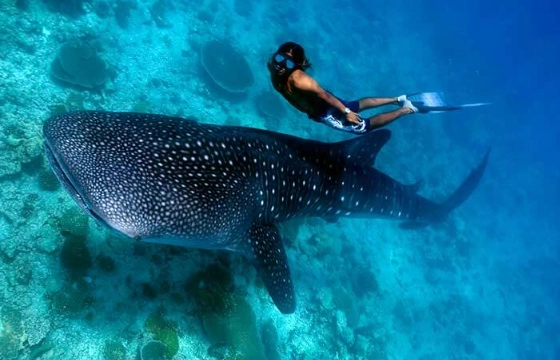
This isn't just another listicle. This is the guide I wish I had before my first trip. We'll talk about the best places, sure, but also the how and the why. The ethics. The little things that turn a good trip into a great one. And we'll be brutally honest about the downsides too. Because figuring out where to go snorkeling with whale sharks is more than picking a spot on a map; it's about choosing an experience that's responsible and truly memorable.
The Top Contenders: Where the Whale Sharks Hang Out
So, where are these gentle giants? They cruise through warm tropical and subtropical seas all over the world, but they congregate in specific spots where food—tiny plankton and fish eggs—is plentiful. These aggregations are your ticket. Based on consistency, accessibility, and the overall experience, here are the front-runners when you're deciding where to go snorkeling with whale sharks.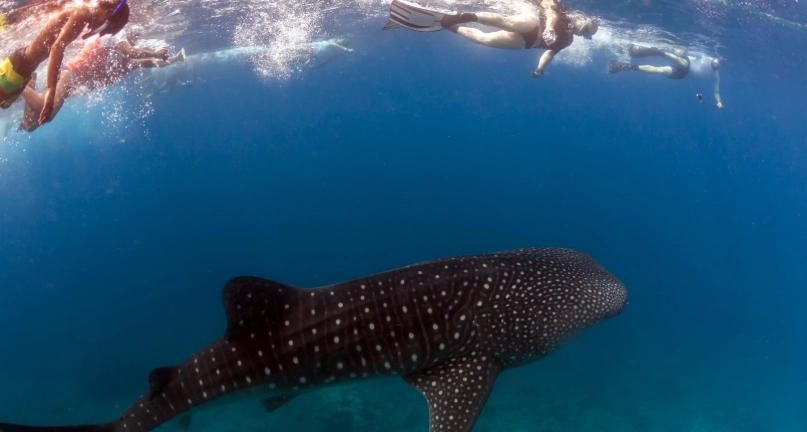
The Heavy Hitters (Most Reliable)
These locations have well-established, seasonal gatherings. Your chances are highest here.
Isla Holbox & Isla Mujeres, Mexico: This is the big one. Every summer, from roughly June to September, hundreds of whale sharks gather off the northern tip of Mexico's Yucatán Peninsula for a massive buffet of fish eggs. The numbers are staggering. I went in July a few years back, and at one point, we could see a dozen dorsal fins slicing the surface. The water is deep blue and usually quite clear. However, it's become incredibly popular. The Mexican government has implemented strict rules (limited permits, no touching, mandatory guides), which is good, but it can feel like a well-regulated circus on peak days. You'll be sharing the area with many other boats. If you want the highest probability of an encounter, this is arguably the best place to go snorkeling with whale sharks. Just manage your expectations about solitude.
Ningaloo Reef, Western Australia: The other titan of the whale shark world. From March to July, they cruise along this pristine coral reef. The experience here is often described as more pristine and regulated than Mexico. The water is typically crystal clear over the reef, and the approach is generally one of passive observation—you float, and the shark swims by. It feels more natural, less chaotic. It's also more remote and, consequently, more expensive. But for a combination of reliable sightings and a world-class marine setting, Ningaloo is hard to beat. It's a different vibe entirely from the Caribbean.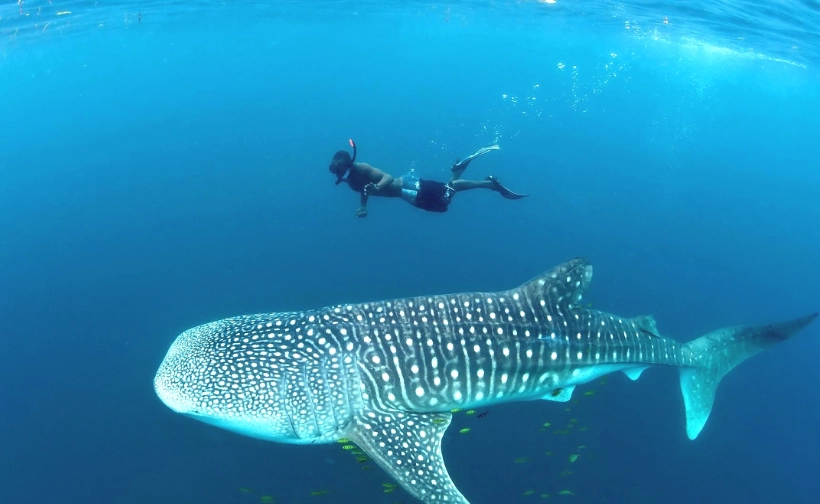
The Unique & Seasonal Gems
These spots offer amazing encounters but within tighter time windows or with unique twists.
Oslob, Cebu, Philippines: This is the most controversial answer to "where to go snorkeling with whale sharks." Here, fishermen feed the sharks to keep them in the bay year-round. It's a guaranteed, almost zoo-like encounter. You will see a whale shark, up close. I did it. And honestly, it felt weird. The sharks are conditioned, the boats are packed, and it doesn't feel like a wild animal encounter. It's a complex issue—it provides crucial income for the local community and has arguably reduced fishing pressure. But from a pure wildlife experience perspective, it lacks the magic and ethics of a natural aggregation. It's important to know what you're getting into.
South Ari Atoll, Maldives: Unique because this is one of the few places where whale sharks are resident year-round, thanks to a population that seems to stick around (primarily juvenile males). You can see them any month, though conditions are best from August to November. The backdrop of Maldivian blue water and sandbanks is unbeatable. The challenge? They are often on the move, so encounters involve spotting them from a dhoni boat and jumping in ahead of their path. It's exhilarating. It's also a fantastic add-on to a Maldives diving or resort holiday.
Tofo Beach, Mozambique: For the adventurer. The population here is significant, and sightings are possible year-round (peak is Oct-March). However, they are often found further offshore in bigger swell, and the conditions can be challenging. It's less of a curated tourist experience and more of a wild ocean safari. You need to be a comfortable swimmer. When you get it right, though, it's raw and incredible with fewer crowds. The town itself is a backpacker and diver haven with a very laid-back feel.
| Destination | Peak Season | Water Clarity & Conditions | Type of Encounter | Crowd Factor |
|---|---|---|---|---|
| Isla Holbox/Mujeres, Mexico | June - September | Deep blue, open ocean, can be choppy | Surface feeding aggregation, many sharks | Very High |
| Ningaloo Reef, Australia | March - July | Very clear, over reef/shelf | Passive drift snorkel, sharks cruising | Medium-High (well-managed) |
| South Ari Atoll, Maldives | Year-round (Best Aug-Nov) | Excellent, oceanic atoll waters | Spotting & intercepting moving sharks | Low-Medium |
| Tofo, Mozambique | October - March | Variable, often oceanic swell | Offshore spotting, wild conditions | Low |
| Oslob, Philippines | Year-round (provisioned) | Calm bay, lower visibility | Guaranteed, baited/conditioned | Extremely High |
See what I mean? Choosing where to go snorkeling with whale sharks isn't one-size-fits-all. Do you want guaranteed proximity or a wild chance? Crystal-clear reefs or the open ocean?
How to Pick YOUR Spot: It's Not Just About the Map
Okay, you've seen the list. Now, how do you choose? Forget just looking at pretty pictures. Ask yourself these questions first.
What's your travel style and budget? Ningaloo and the Maldives are premium destinations. Mexico and the Philippines are generally more budget-friendly. Mozambique is affordable on the ground but can be pricey to fly to. Your answer to where to go snorkeling with whale sharks is tied to your wallet and how you like to travel.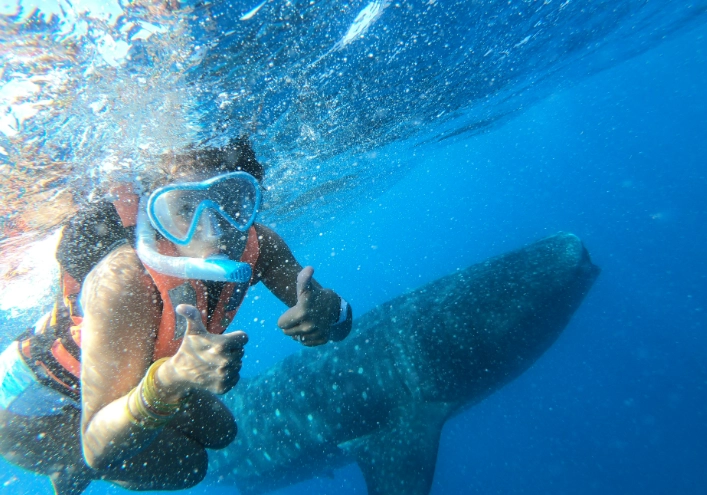
What time of year can you go? This is the biggest filter. If you only have vacation in December, Mexico and Ningaloo are off the table. Your options immediately narrow to places like the Maldives, Mozambique, or (if you're okay with the ethics) Oslob. Matching your calendar to the migration is step one.
What else do you want to do? Are you a hardcore diver? Then Mozambique or the Maldives make sense as part of a longer dive trip. Traveling with family who aren't strong swimmers? The controlled, shallow(ish) environment of Oslob or the usually calmer summer days in Mexico might be less intimidating. Just want a pure whale shark focus? Go where the concentration is highest in season.
What It's Really Like: A Snorkel Day Breakdown
Let's demystify the actual day. Knowing what to expect helps you choose where to go snorkeling with whale sharks and prepares you to enjoy it fully.
Most tours start early. The boats head out to the known aggregation zones, with spotters on the lookout for dorsal fins or the shark's shadow. When one is sighted, the captain will position the boat ahead of its path. You'll get a quick briefing: "Wait for the signal, slide in quietly, stay to the side, don't flap your fins near its head."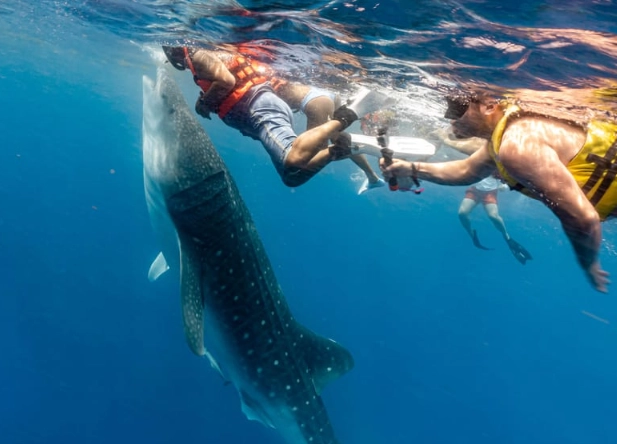
Then you're in. The first thing that hits you is the scale. Photos don't do it justice. They are massive, moving with a slow, powerful grace. Your job is to float and observe. They might ignore you completely or turn a gentle eye towards you. The boat will follow, and you'll get back on after a few minutes to give the shark space and let others have a turn. A good operator will rotate groups and limit the number of encounters per shark.
It's not a free-for-all swim-along.
It's a series of short, breathtaking glimpses. You might get 5-8 entries over a 2-3 hour period. Some will be mind-blowing, close and clear. Others might be a distant view of a tail disappearing into the blue. That's part of the deal.
Gear You Actually Need
- A Good Mask That Fits: This is non-negotiable. Foggy, leaking mask ruins everything. Test it in a pool first. A snorkel with a splash guard is nice in choppy water.
- Fins: Not flimsy pool fins. You need proper open-heel snorkeling fins or full-foot fins with stiffness to help you maneuver gently in a current.
- Wetsuit or Rash Guard: Even in warm water, you'll be in and out of the boat for hours. A 2-3mm shorty or a long rash guard protects you from the sun and chill. It also helps you float.
- GoPro or Camera: But... don't spend the whole encounter behind a screen. Get a few shots, then put it down and just be there. A floaty handle is a must so you don't drop it.
Answering Your Burning Questions (FAQ)
Let's tackle the stuff you're secretly wondering about.
Making it Happen: Booking & Final Prep
You've picked your spot. Now, lock it in.
Book Early: Especially for peak season in Mexico or Australia. Good, ethical operators sell out months in advance.
Read the Reviews, Deeply: Don't just look at the stars. Read what people say about the boat crew's behavior around the sharks. Phrases like "they chased it" or "too many people in the water" are red flags. Look for reviews mentioning respectful distance and good briefings.
Get Travel Insurance: One that covers adventure activities and medical evacuation. You're going out on a boat in open ocean. Be prepared.
Manage Your Expectations: You might get skunked. It's nature. A good operator will often offer a partial refund or a free re-trip if you see absolutely nothing, but policies vary. Go for the overall adventure, not just a guaranteed outcome.
So, where to go snorkeling with whale sharks? It depends entirely on you. For sheer numbers and accessibility, Mexico in summer is the heavyweight champion. For a pristine, well-managed reef experience, it's Ningaloo. For a year-round chance in paradise, the Maldives. For adventure off the beaten path, Mozambique.
The common thread? Do your homework. Choose an operator who puts the sharks' welfare first. Be a good guest in their home. Then, when you slip into that blue water and see that spotted giant materialize out of the depths, you'll know you did it right. It's worth every bit of the planning. Now go have an incredible, responsible adventure.
The ocean is waiting.
Reader Comments