I remember my first time dipping my head under that impossibly clear water in the Maldives. The sheer wall of color and life was overwhelming. Parrotfish munching on coral, a blacktip reef shark cruising calmly in the distance, a thousand glittering anthias. It was paradise. But then, a few days later, I heard a story from another guest at my resort. They'd been snorkeling off the house reef, got a bit too engrossed in following a turtle, and suddenly found themselves fighting a stronger-than-expected current, getting pushed away from the safe lagoon area. They were fine—a resort boat picked them up—but it was a stark reminder. Paradise has rules. And that's the heart of the question: is snorkeling in the Maldives dangerous? The short, honest answer is: it can be, if you're careless, uninformed, or unlucky. But for the prepared and aware snorkeler, it's one of the safest and most spectacular experiences on the planet.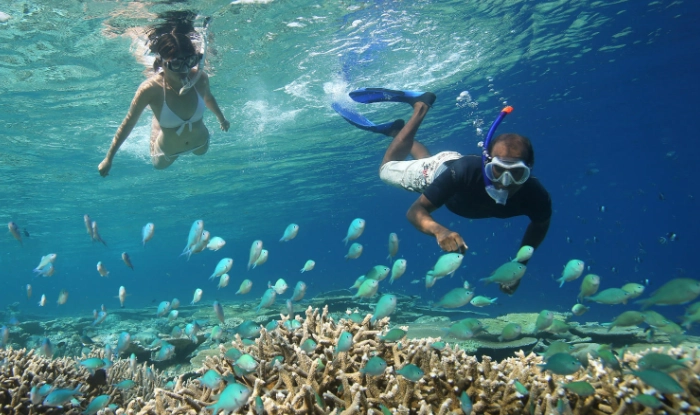
In This Guide
- Breaking Down the Real Risks: It's Not Just About Sharks
- The Ultimate Pre-Snorkel Safety Checklist (Don't Skip This)
- Choosing Your Spot: Not All Maldives Snorkeling is Created Equal
- What If Something Goes Wrong? A Practical Action Plan
- Your Burning Questions Answered (FAQ)
- Final Thoughts: Reframing the "Danger"
Let's cut through the Instagram filters. The idea that snorkeling in the Maldives is dangerous isn't some marketing myth; it's a query born from legitimate concern. You're putting yourself in an alien environment. You're not a fish. The ocean doesn't care about your vacation plans. But here's the thing—the vast majority of risks are manageable. The goal of this guide isn't to scare you off. It's the opposite. It's to arm you with so much practical, no-nonsense knowledge that any whisper of danger fades away, replaced by confident excitement. We'll look at what can go wrong, why it sometimes does, and exactly how to make sure it doesn't happen to you.
Breaking Down the Real Risks: It's Not Just About Sharks
When people think "dangerous snorkeling Maldives," their minds often jump straight to Jaws. That's a Hollywood problem. The real risks are usually more mundane, and ironically, more preventable. We need to categorize the hazards to understand them. Think of it in three layers: the environment, the marine life, and yourself.
The Environment: Currents, Weather, and That Deceptive Sun
This is, in my experience and from talking to countless dive masters and resort staff, the number one factor that can turn a snorkeling trip in the Maldives dangerous. The Maldives is an archipelago of atolls, which means complex underwater topography. Channels between islands (called "kandu") funnel water in and out with the tides, creating strong, sometimes unpredictable currents.
You might be snorkeling happily over a shallow reef, drift slightly over the edge into a deeper channel, and suddenly feel like you're on a treadmill. Panic is the real enemy here. Resorts are usually good at marking safe zones with buoys, but not always. A friend learned this the hard way at a less-developed local island spot—what looked like a serene blue hole had a wicked pull. He's a strong swimmer and was okay, but it was exhausting and scary.
Then there's the weather. The Indian Ocean can change its mood. A sunny morning can give way to wind and chop by afternoon, reducing visibility and making it harder to swim back to your dhoni (boat) or the shore. And the sun! The reflection off the water is brutal. A bad sunburn on your back (a classic "snorkeler's burn") or severe dehydration can ruin your trip and pose a real health risk. It's a silly danger, but it's incredibly common.
Marine Life: Understanding, Not Fearing
Okay, let's talk about the creatures. This is where most "snorkeling Maldives dangerous" anxieties live. The key is to shift from fear to respect. Almost every negative encounter is a result of a human mistake—stepping on something, touching something, or cornering something.
I've put together a table of the usual suspects. It's not about creating a monster list, but about knowing what to look for and how to behave.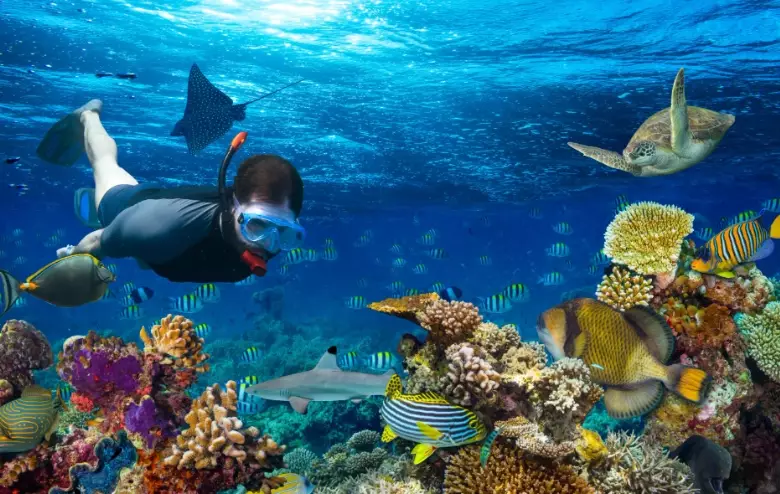
| Creature | Real Risk Level (1-5) | Why It's On The List | How to Stay Safe |
|---|---|---|---|
| Stonefish & Scorpionfish | 5 (if stepped on) | Masters of camouflage. They lie still on the seabed, looking exactly like a rock or coral. Their dorsal spines carry potent venom. | Never walk on the reef or seabed. Always enter the water by floating off a step or sand patch. Look, don't touch. Seriously. |
| Stingray | 3 (if provoked) | Generally shy and peaceful. The danger is in their whip-like tail, which has a barb (sometimes more). They use it only in defense if stepped on or pinned. | The famous "stingray shuffle." Shuffle your feet through the sand in shallow areas to warn them you're coming. Give them a wide berth. |
| Moray Eel | 2 | They look fearsome but are reclusive. Incidents happen almost exclusively when people try to feed them (which you should NEVER do) or reach into their hole. | Admire from a distance. Don't poke your fingers into crevices. They have poor eyesight and might mistake a shiny ring for a fish. |
| Reef Sharks (Blacktip, Whitetip) | 1 | These are the puppies of the shark world in the Maldives. They are small, skittish, and utterly uninterested in humans. Seeing them is a highlight, not a hazard. | Stay calm, enjoy the sight. They will almost always swim away from you. Their presence often indicates a healthy reef. |
| Cone Snails | 5 (if handled) | A beautiful, patterned shell that hides a harpoon-like tooth and powerful neurotoxin. They are predatory but pose zero risk if left alone. | Another absolute "look, don't touch" candidate. Never pick up pretty shells unless you are 1000% sure they are empty and the creature is long gone. |
| Jellyfish | Variable (1-4) | Most are harmless, but some, like the small but potent Irukandji-type jellyfish (rare), can appear. Season and currents affect their presence. | Wearing a rash guard or thin wetsuit provides great protection. Listen to local advice about seasonal blooms. |
See? The pattern is clear. The ocean isn't out to get you. It's just going about its business. We are the visitors. Acting like a respectful guest eliminates 99% of the danger from marine life. The idea that snorkeling in the Maldives is dangerous because of sharks is, frankly, a myth that needs to die. I've had dozens of reef shark encounters, and every single one ended with the shark leaving. They're just not into us.
Your Own Preparedness (The Biggest Variable)
This is the most important section. You control this. A surprising number of people treat snorkeling like a casual swim. It's not. It's a water activity that requires a bit of forethought.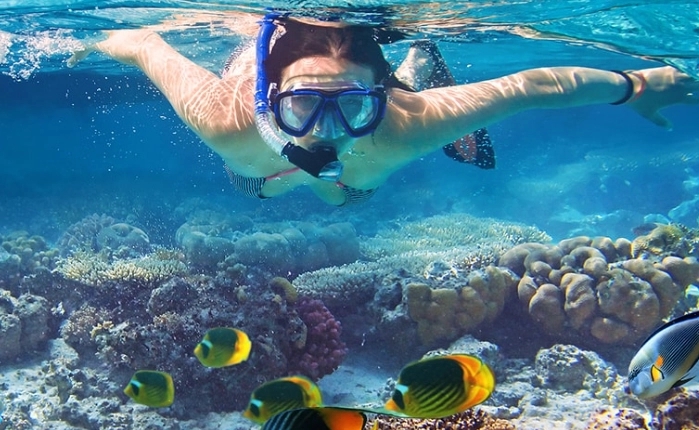
Fitness & Swimming Ability: Can you swim 100 meters comfortably in a pool without stopping? Can you tread water for 5-10 minutes? If the answer is no, you need to be extra cautious. Stick to the absolute shallowest, calmest lagoons right off the beach. Always use a flotation device—a proper snorkeling vest, not just a pool noodle. There's no shame in it; it's smart. I wear one if I'm going out on a boat snorkel in deeper water, even as a strong swimmer. It conserves energy and provides peace of mind.
Equipment is another huge one. A leaky mask that constantly fogs up is more than an annoyance—it's a safety issue. It ruins your situational awareness. A snorkel that doesn't have a good dry-top valve can lead to inhaling water if a wave hits. Ill-fitting fins can cause cramps. Taking 10 minutes to test and adjust your gear in a pool or calm shallow water is non-negotiable. Many resorts offer decent gear, but if you're a frequent snorkeler, investing in your own mask that fits your face perfectly is a game-changer.
Then there's the buddy system. I know, I know. You're on a romantic trip and just want to float together hand-in-hand. That's fine for the resort lagoon. But for any snorkeling from a boat or along a reef edge, having a buddy is a critical safety net. You can point out cool things to each other, but more importantly, you have someone to signal to if you get a cramp, feel tired, or get into trouble. "Snorkeling Maldives dangerous" situations often become less dangerous because someone was there to help or raise the alarm.
The Ultimate Pre-Snorkel Safety Checklist (Don't Skip This)
Right, let's get practical. Here's my personal mental checklist, born from a few close calls and many, many perfect days. Do this every single time you go out, even for a "quick dip."
- Weather & Tide Check: Ask at the water sports center or look at a reliable app. Is the wind picking up? Is there a tidal change coming that might affect currents? The Maldives Meteorological Service website is an authoritative source for forecasts.
- Location Briefing: If it's a guided trip, listen to the guide. Where is the current? What's the depth? Where are the entry/exit points? What are the landmarks? If you're going solo, ask a staff member about the house reef conditions.
- Gear Fit & Function Test: Mask seal? Snorkel valve working? Fins comfortable? Snorkel vest properly inflated/deflated?
- Sun Protection: Reef-safe sunscreen (applied 30 mins before entering water) on all exposed skin. Rash guard or wetsuit top is better. Hat for before/after.
- Hydration: Drink a big glass of water before you go. Dehydration leads to fatigue and cramps.
- Buddy Check: Agree on hand signals (OK, problem, look at that, let's go back). Set a rough time limit or distance limit.
- Entry/Exit Plan: Know exactly how you're getting back on the boat or to the shore. Identify the ladder or the sandy path.
This takes five minutes. It transforms you from a tourist into a competent snorkeler.
Choosing Your Spot: Not All Maldives Snorkeling is Created Equal
Your choice of where to snorkel is a massive safety decision in itself. The Maldives offers a spectrum, from bathtub-calm to adrenaline-pumping drift snorkels.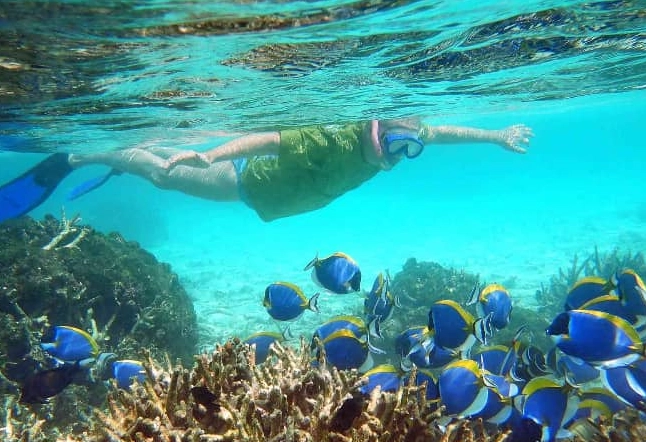
Resort House Reefs: The Safest Bet
Most resorts have a house reef accessible directly from the beach or an overwater jetty. These are often in protected lagoons, with minimal current. They're perfect for beginners, for multiple short sessions, and for building confidence. The marine life is usually fantastic because it's a protected area. The danger level here is extremely low, provided you stay within the marked areas (often defined by rope lines or buoys). This is where I send anyone who's nervous about the question of dangerous snorkeling in the Maldives. Start here.
Guided Boat Snorkels: The Adventure Tier
This is where you access the famous thilas (underwater pinnacles) and outer reefs. The guides pick sites based on current conditions and skill level of the group. Be brutally honest about your ability. If you're not a strong swimmer or get anxious easily, tell them. They can recommend a gentler site. A good guide will give a thorough briefing, stay with the group, and often have a floatation device (like a life ring) trailing behind them for anyone who needs a rest. The risk is higher than the house reef due to depth, potential currents, and boat traffic, but it's managed by professionals.
Local Island Spots & Uninhabited Islands
This is for the more independent traveler. The snorkeling can be incredible and less crowded. However, safety infrastructure is often minimal. There may be no marked areas, no lifeguards, and limited local knowledge about specific daily conditions. You are relying entirely on your own assessment and preparation. I love these spots for the solitude, but I am hyper-vigilant. I would not recommend this for a first-time or nervous snorkeler. The potential for a snorkeling trip to become dangerous is higher here without the resort safety net.
A personal story: Once, on a local island, I went to a spot recommended by my guesthouse owner. It was beautiful, but the current was stronger than he'd suggested (tides change, his info was from the morning). I was with a buddy, we were both experienced, and we had a surface float. We handled it, but it was work. It drove home that when you're outside the resort bubble, the onus is 100% on you. It wasn't "dangerous" per se, but it highlighted how conditions can shift.
What If Something Goes Wrong? A Practical Action Plan
Hope for the best, plan for the worst. Knowing what to do reduces panic.
- Current pulling you away: Don't fight it head-on. You'll exhaust yourself. Swim parallel to the shore/reef until you're out of the current channel, then head in. If you can't, signal for help. Conserve energy, float on your back if you have a vest.
- Cramp: Stay calm. Float, signal to your buddy. For a calf cramp, grab your fin tip and gently pull your foot towards you, stretching the muscle.
- Marine life sting/puncture: Get out of the water calmly. For stingray, scorpionfish, or stonefish stings, the recommended first aid is to immerse the wound in hot water (as hot as the patient can tolerate without burning, 45°C/113°F) for 30-90 minutes. This denatures the heat-sensitive proteins in the venom and dramatically reduces pain. Seek medical attention immediately. The World Health Organization and local health authorities should be your guide for serious envenomation protocols.
- Boat doesn't see you: Always surface at least 10-15 meters away from the boat and make eye contact with the lookout before swimming back. Carry a whistle on your vest or snorkel keeper.
The presence of well-trained staff and accessible medical facilities is a key reason resorts are safer. The Maldives Marketing and Public Relations Corporation (MMPRC) promotes tourism but also sets broad standards for operators. However, standards can vary. It's worth checking reviews about a resort's or tour operator's safety culture.
Your Burning Questions Answered (FAQ)
Final Thoughts: Reframing the "Danger"
So, after all this, let's return to the original query: is snorkeling in the Maldives dangerous? The nuanced truth is that the activity carries inherent risks, like any adventure sport. But labeling the entire experience as "dangerous" is misleading and does a disservice to the incredible beauty that awaits.
The more accurate framing is that snorkeling in the Maldives requires respect and preparation. Respect for the power of the ocean, the wildlife, and your own limits. Preparation through knowledge, the right gear, and a safety-first mindset.
When you have those two things, the perceived danger melts away. What's left is pure magic. The anxiety about a dangerous snorkeling trip in the Maldives gets replaced by the anticipation of floating weightlessly over gardens of coral, dancing with a school of jackfish, or locking eyes with a curious turtle. That's the real story. Don't let fear of a few manageable risks rob you of that. Be smart, be prepared, and then go lose yourself in one of the most beautiful places on Earth. The ocean is waiting, and it's far more welcoming than you think.
Just remember to reapply your sunscreen.
Reader Comments