Your Snorkeling Guide
- Why the Cayman Islands Are a Free Snorkeling Paradise
- The Top Spots for Free Snorkeling in Cayman Islands (Ranked by a Local's Bias)
- Your Practical Toolkit for a Perfect Day of Free Snorkeling
- Safety: The Boring Stuff That Keeps You Alive
- Answering Your Burning Questions About Free Snorkeling in Cayman
- Beyond the Snorkel: Making it a Sustainable Adventure
Let's be honest. When you picture the Cayman Islands, you probably see fancy resorts and expensive boat trips. I did too, before I spent a summer there. But what if I told you the absolute best snorkeling experiences I had didn't cost a single Cayman Island dollar? No guide, no scheduled tour, just me, my mask, and some of the most stunning underwater scenery on the planet, literally steps from the shore.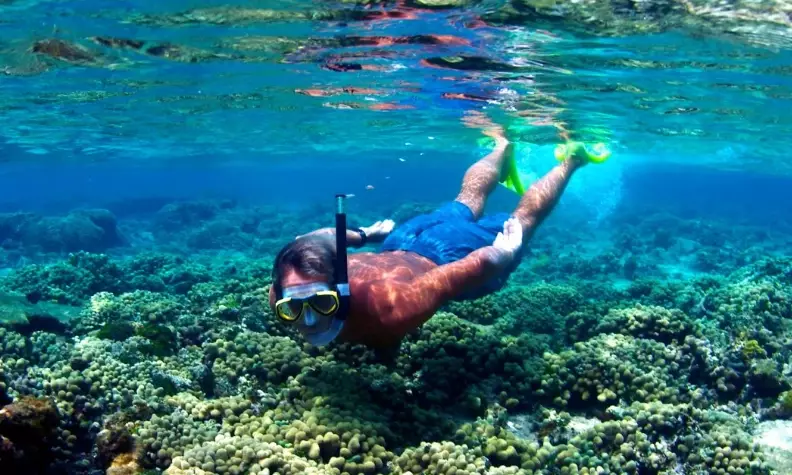
That's the magic of free snorkeling in the Cayman Islands. It's not a secret, but it does feel like one when you're floating above a coral garden that rivals any paid excursion. The islands are built for this. The water is so clear it feels like you're flying, and the marine life is so used to people that they just go about their business. You're just a visitor in their world.
This guide isn't about convincing you to skip supporting local businesses altogether (tours have their place, especially for deeper sites). This is for the adventurer, the budget traveler, or the family who wants to spend more time in the water and less money on logistics. We're going deep on where to go, what to know, and how to do it safely and respectfully.
Why the Cayman Islands Are a Free Snorkeling Paradise
It's not an accident. The islands have a few natural and legal advantages that make DIY snorkeling not just possible, but phenomenal.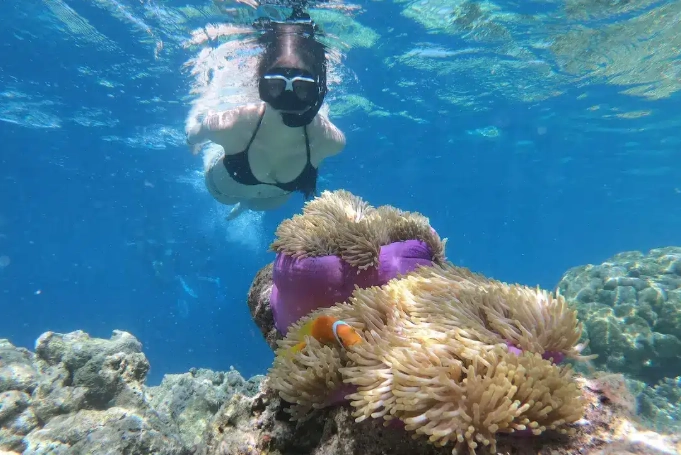
First, the water visibility. It's routinely 100 feet or more. You don't need to be right on top of something to see it. This makes navigating and spotting wildlife from the surface much easier and safer. Second, the lack of rivers means there's very little runoff. No silt or pollution clouding the water—just pure, blue Caribbean clarity.
Then there's the law. The Cayman Islands have some of the most forward-thinking marine conservation laws in the Caribbean. All coastal waters up to the high-water mark are considered public property. That's right. Even if a mega-hotel owns the beachfront, you have a legal right to access the water along the shore for swimming and snorkeling. You can't trample through their pool area, but you can walk along the wet sand and enter the sea. This is a game-changer and a right not always protected elsewhere.
Finally, the culture gets it. Locals have been snorkeling these shores for generations. You'll see families with kids, older couples with float belts, and everyone in between enjoying the water. There's a shared understanding that this is a precious resource.
The Top Spots for Free Snorkeling in Cayman Islands (Ranked by a Local's Bias)
Okay, let's get to the good stuff. These are the spots where you can just park, walk in, and be amazed. I've ranked them based on a mix of accessibility, reliability of marine life, and overall wow factor. Remember, conditions change daily with weather and tide.
Smith's Cove (Grand Cayman)
This is my personal favorite and a classic for a reason. Tucked away in South Sound, just south of George Town, Smith's Cove is a protected, crescent-shaped bay with calm waters almost year-round. It's perfect for beginners, families, or anyone who wants a relaxed, guaranteed-good time.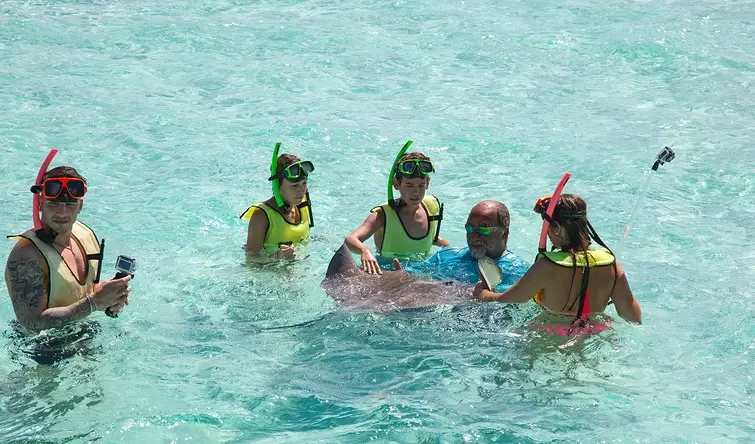
What you'll see: The cove itself has interesting coral formations and loads of friendly, colorful fish like sergeant majors, blue tangs, and parrotfish. But the real magic is along the western (left-hand) limestone ironshore. Swim out and follow the rock wall. You'll find overhangs, small caves, and a much greater variety of coral. I've seen eagle rays gliding by here more than once.
The Vibe: It's popular, so don't expect solitude. But it's popular for a reason—it's delightful. There are picnic tables, restrooms, and even a freshwater shower. It's a social, happy spot.
Spotts Beach (Grand Cayman)
If your dream is to swim with sea turtles in the wild without paying for a boat trip, this is your place. Spotts Beach, on the south coast, is famously one of the most reliable spots on the island to see green sea turtles grazing on the seagrass beds just offshore.
The Experience: The beach itself is pebbly, not sandy, so water shoes are highly recommended. Wade out over the seagrass plain. It's shallow for quite a way. Be patient, float quietly, and scan the distance. You'll often see their dark shapes coming up for air. Please, give them space. Never touch or chase them. The Department of Environment has strict rules about interfering with wildlife, and for good reason.
A Reality Check: It's not a petting zoo. Some days you'll see a dozen turtles, other days you might not see any. That's nature. The reef here is also quite nice, with healthy coral and big schools of fish further out.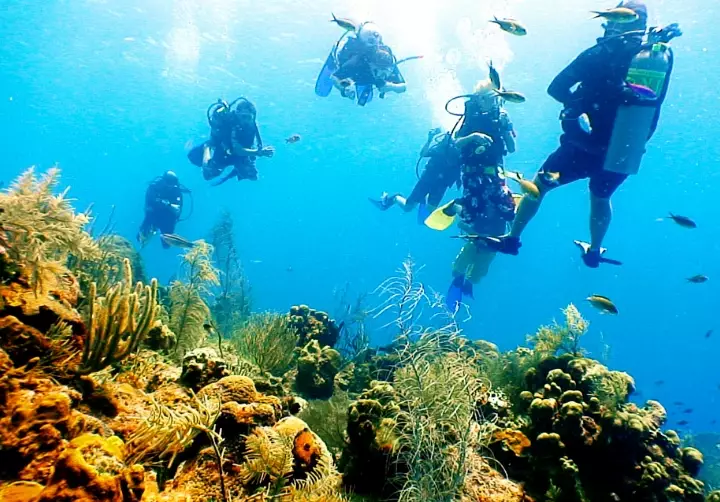
Cemetery Beach & Reef (Grand Cayman)
Don't let the name put you off. This stretch on Seven Mile Beach's northern end offers some of the easiest access to a truly spectacular reef system. The beach is public, with a small parking area.
The Draw: A well-defined sand channel leads you straight out to Cemetery Reef. It's like an underwater highway. Once you reach the reef, it's a sprawling, vibrant city of coral. Staghorn and elkhorn coral forests, massive brain corals, and every tropical fish you can imagine. The depth is perfect—deep enough to feel immersive, shallow enough for comfort.
Who it's for: Confident swimmers. The swim out is a few hundred feet. It's not difficult, but you need to be comfortable in deeper water. Currents are usually mild here, but always check.
See the pattern?
Easy beach access leads to world-class reefs. That's the Cayman promise for free snorkeling.
Little Cayman's Point of Sand & Cayman Brac's South Side
If you make it to the Sister Islands, the game changes. Fewer people, even more pristine conditions. Little Cayman's Point of Sand is a breathtaking spit of white sand where you can snorkel right off the tip in crystal-clear water. On Cayman Brac, just pick any calm spot along the south shore—the reef is close and teeming. You'll feel like you discovered it yourself.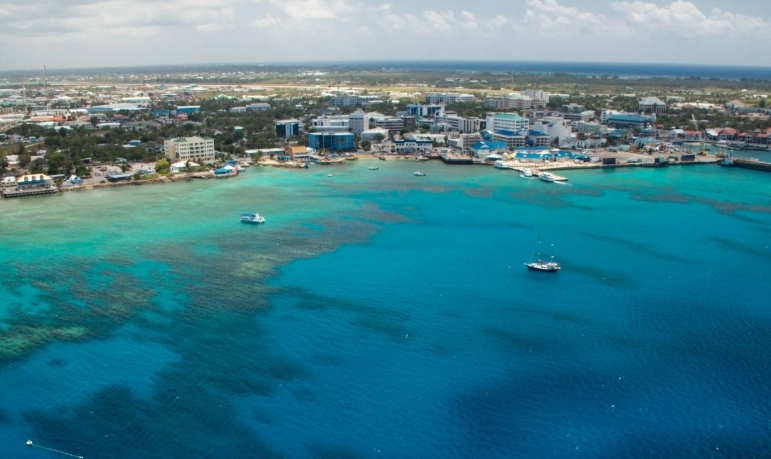
Your Practical Toolkit for a Perfect Day of Free Snorkeling
Knowing where to go is half the battle. The other half is being prepared. This isn't just about comfort; it's about safety and protecting the reef.
| What You Need | Why It's Essential | Local's Advice |
|---|---|---|
| A Well-Fitting Mask & Snorkel | A leaky mask ruins everything. A dry-top snorkel prevents water intake. | Test it in a pool first. Defog with baby shampoo or commercial gel. A foggy mask means you'll miss half the show. |
| Fins | Efficiency and safety. Lets you swim against a mild current with less effort. | Open-heel fins with booties are best for rocky entries (like Spotts). Full-foot fins are fine for sandy beaches. |
| Rash Guard or T-Shirt | Sun protection is non-negotiable. The sun reflecting off the water is intense. | Reef-safe sunscreen on exposed skin ONLY. A long-sleeve rash guard is the best investment you'll make. |
| Floatation Device | Safety first. Even strong swimmers get tired. Provides rest and visibility to boats. | A simple inflatable snorkel vest or a pool noodle works wonders. Especially for kids or long swims out to reefs. |
| Water Shoes | Protects feet from hot sand, sharp rock, and unseen sea urchins. | Mandatory for spots with ironshore or pebbly entries. Don't learn this lesson the painful way. |
Timing is Everything: When to Go
You can snorkel year-round, but some times are better. Midday sun gives the best light penetration, illuminating the colors of the reef. However, mornings are often calmer, with less wind and chop. Late afternoons have the best "golden hour" light and fewer people.
Avoid going right after a heavy rain, as temporary runoff can reduce visibility. Always, and I mean always, check the weather and sea conditions. A calm day at Smith's Cove can be a rough day at a more exposed spot. Websites like the Cayman Islands National Weather Service are your friend.
Safety: The Boring Stuff That Keeps You Alive
I hate to sound like a parent, but this is critical. The ocean is beautiful but demands respect.
- Never Snorkel Alone: Use the buddy system. Always have someone on the shore who knows where you are and when you expect to be back.
- Check Currents: Before you get in, throw a leaf or bit of seaweed in the water. See which way it drifts. Plan your route so you swim against the current at the start and let it carry you back when you're tired.
- Boat Traffic: At popular spots near channels (like the edges of Seven Mile Beach), be hyper-aware. A bright-colored snorkel vest or float makes you visible.
- Don't Touch Anything: Not the coral (it's alive and fragile, and some can cut or sting you). Not the fish. Not the sea turtles. Look with your eyes, not your hands. This protects you and the ecosystem.
- Know Your Limits: Tired? Cold? Cramp? Get out. The reef will be there tomorrow. Pushing your limits is how people get into trouble.
Answering Your Burning Questions About Free Snorkeling in Cayman
I get asked these all the time. Let's clear things up.
Beyond the Snorkel: Making it a Sustainable Adventure
We have a responsibility. Free access is a privilege, not a right. Tread lightly.
Take all your trash with you—every wrapper, every bottle cap. Better yet, pick up any litter you see. Don't stand on or kick the coral. It takes decades to grow. Be mindful of your fins. A single kick can break a delicate coral formation that's been growing for years.
Consider supporting local conservation efforts, even indirectly. The health of these free snorkeling spots depends on ongoing protection. Organizations like the Cayman Islands Department of Tourism promote sustainable practices, and your respectful visit supports that model.
The goal of free snorkeling in the Cayman Islands isn't just to save money. It's to connect with the ocean on your own terms, to have the freedom to stay for five minutes or five hours, to discover a hidden crevice with an octopus, and to feel the quiet thrill of a turtle choosing to swim near you. It's the essence of a Caribbean adventure.
So pack your gear, lather on that reef-safe sunscreen, and get ready to fall in love with the underwater world, one free, fin-powered glide at a time. You might just find that these simple shore entries become the highlight of your entire trip.
Reader Comments