Let's cut to the chase. You've seen the pictures: impossibly clear, turquoise water, coral reefs teeming with life, and maybe a friendly stingray or two. The Cayman Islands, especially Grand Cayman, deliver on that postcard promise in a way few other Caribbean destinations can. But here's the thing most generic guides miss—it's not just about jumping in anywhere. The magic is in knowing where to go, when to go, and how to avoid the rookie mistakes that can turn a dream trip into a frustrating one.
I've been snorkeling here for over a decade, guiding friends and family, and I've learned the hard way that a little local knowledge goes a long way. This isn't just a list of spots. It's the playbook I wish I'd had.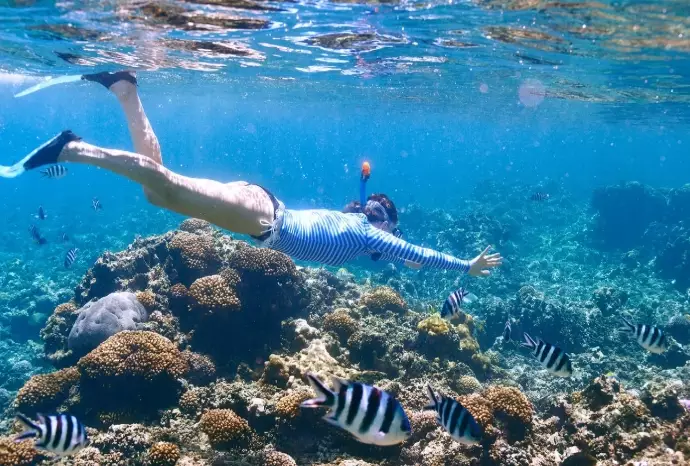
What You'll Discover in This Guide
The Can't-Miss Snorkel Spots on Grand Cayman
Forget the cruise ship crowds for a second. While Seven Mile Beach is stunning, the best snorkeling is often elsewhere. Here’s a breakdown of the top sites, from effortless shore access to epic boat trips.
1. Eden Rock & Devil's Grotto (George Town)
This is your go-to for convenience and guaranteed action. Located right in George Town, it's a complex of coral caverns and swim-throughs. The entry is a metal staircase into about 10 feet of water. Immediately, you're surrounded by massive schools of silversides, tarpon, and sergeant majors. The light filtering through the grottos is surreal.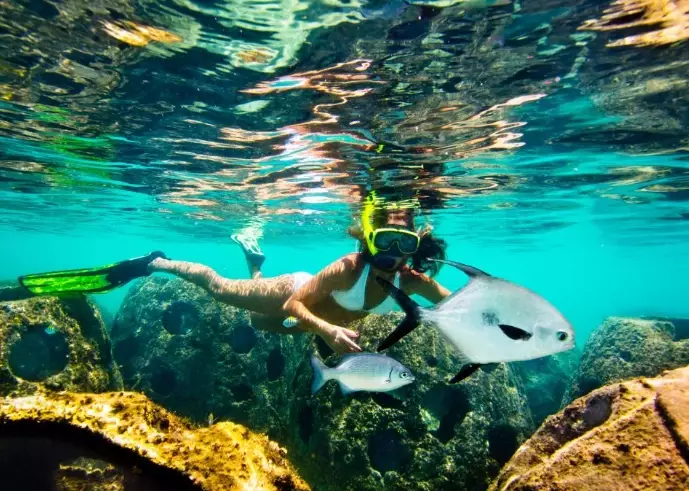
Location: South Church Street, George Town. Look for the dive shop signs.
Best For: Beginners, photographers, anyone short on time. No tour needed.
My Take: It gets busy between 11 AM and 2 PM. Go early (8-10 AM) for the calmest water and fewer people. Parking can be tight.
2. Stingray City & The Barrier Reef
Yes, it's famous. Yes, it's worth it. But there are two distinct experiences: the deep sandbar (Stingray City) and the shallow reef nearby. The sandbar is where you stand in 3-4 feet of crystal water with dozens of wild but accustomed southern stingrays. It's a unique animal interaction. A 2-minute swim away is a gorgeous coral reef drop-off—often overlooked by visitors fixated on the rays. Don't make that mistake.
You need a boat to get here. It's in the North Sound.
3. Cemetery Beach & Governors Reef
This is the local's secret on Seven Mile Beach. Park near the public cemetery (hence the name), walk 50 yards to the beach, and swim straight out. About 100-150 yards offshore, you'll hit Governors Reef. The coral formations are healthy, and the fish life is diverse—parrotfish, angelfish, the occasional turtle. The sandy entry is gentle, making it perfect for families.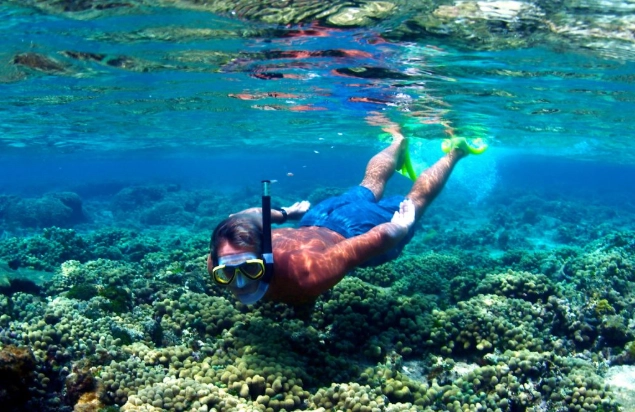
Pro Insight: Most people cluster at the popular spots. Cemetery Beach offers a more serene, DIY snorkeling experience. Bring your own gear, an umbrella, and make a half-day of it.
4. The Kittiwake Shipwreck
This is a step up from pure snorkeling, often called "snuba-lite." The USS Kittiwake, a former submarine rescue vessel, was deliberately sunk in 2011. The top deck sits at about 15-20 feet, easily visible from the surface. You can see into the corridors and rooms. It's covered in soft corals and home to large barracuda and schools of jacks. The site is a 5-minute boat ride from Seven Mile Beach.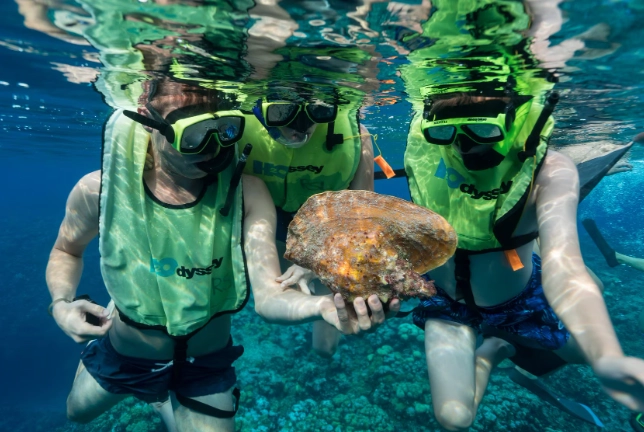
While strong swimmers can free dive down, a guided tour is highly recommended for context and safety. Operators like Captain Marvin's or Off the Wall Divers often combine it with Stingray City.
Gear That Actually Makes a Difference (And What to Skip)
Rental masks fog up. Ill-fitting fins rub blisters. Let's talk about making your time in the water comfortable, not a battle.
The Mask is Everything. If you do one thing, get a mask that fits your face. The test? Put the mask on your face without the strap, inhale gently through your nose, and let go. It should stay suctioned for a few seconds. No leaks. A poor seal ruins visibility faster than anything. I personally use a low-volume frameless mask—it's easier to clear and offers a wider field of view.
Fins Matter More Than You Think. Stiff, long blades are for diving. For snorkeling, you want shorter, more flexible fins. They're easier on your calves and perfect for gentle kicking along the surface. Brands like Cressi or Mares make great snorkeling-specific fins.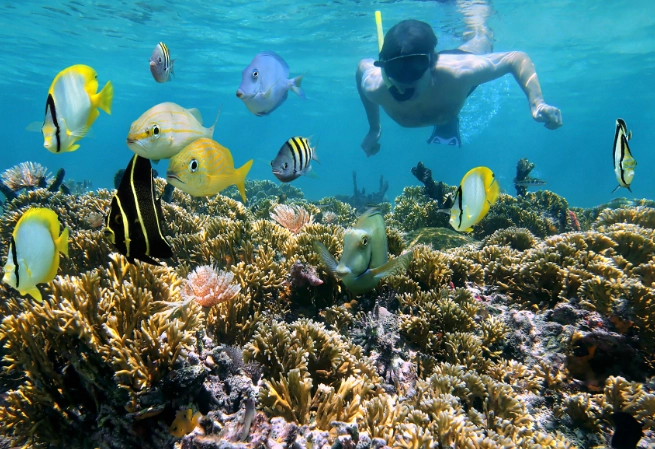
The Biggest Beginner Mistake I See: People buy those "dry top" or "full face" snorkel masks thinking they're foolproof. Many have safety concerns regarding CO2 buildup, and they often leak at the joint between the mask and snorkel. A traditional, separate mask and J-style snorkel (with a simple splash guard) is more reliable, easier to clear, and the choice of every experienced snorkeler I know.
Consider a rash guard or a thin wetsuit top (even a 1mm "skin"). It's not just for warmth; it's crucial sun protection. The sun reflecting off the water will burn you in places you didn't know could burn.
Planning Your Trip: Timing, Tours & Practical Tips
Here’s the data you need to make decisions.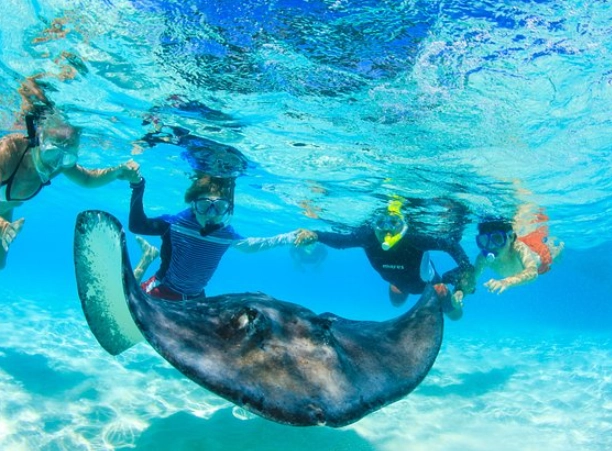
| Site | Access | Best Time of Day | Skill Level | Key Feature |
|---|---|---|---|---|
| Eden Rock | Shore (stairs) | Early Morning | Beginner+ | Coral Caverns, Fish Schools |
| Stingray City | Boat Tour Only | Mid-Morning | All Levels | Wild Stingray Interaction |
| Cemetery Beach | Shore (sandy) | Any, calm days | Beginner | Secluded, Healthy Reef |
| Kittiwake Wreck | Boat Tour | Morning | Comfortable Swimmer | Artificial Reef, History |
| Smith's Cove | Shore (rocky) | Afternoon (sun behind you) | Beginner | Calm, Photogenic |
Should You Book a Tour?
For shore sites like Eden Rock or Cemetery Beach? No. Rent a car, grab your gear, and go.
For Stingray City, the Kittiwake, or sites on the North or East End? Absolutely. A good tour provides transportation, guidance, safety, and often snacks. Look for smaller group tours (12-15 people max) rather than the massive catamarans. They're more agile and personal.
Sample Itinerary: The 3-Day Snorkel Blitz
Day 1 (West Side DIY): Morning at Eden Rock. Afternoon relaxing and beach snorkeling at Cemetery Beach. Low-key, acclimatize.
Day 2 (North Sound Adventure): Book a half-day boat tour hitting Stingray City and the Kittiwake. You'll be back by 1 PM, exhausted but happy.
Day 3 (Explore & Relax): Drive to the East End. Snorkel at Spotts Beach (known for turtle sightings) or the quiet canals of the Morritt's Resort area. It's a different, more rugged vibe.
Your Snorkeling Questions, Answered by a Local
Is snorkeling in the Cayman Islands safe for young children?
It can be, with extreme preparation. The biggest risks are sun, waves, and fatigue, not sea creatures. Stick to ultra-calm, sandy-entry sites like the protected side of Smith's Cove or the very inside edge of Governors Reef at Cemetery Beach. Use a flotation vest (not just arm floats) for any child who isn't a strong, confident swimmer. Limit sessions to 20-30 minutes. Honestly, if your kids are under 6 or hesitant in water, a glass-bottom boat tour might be a less stressful way for the whole family to see the reefs.
What's the one mistake tourists make that ruins their snorkeling photos?
Shooting straight down at noon. The midday sun creates harsh shadows and flattens the colors. For underwater photos, you need the sun at an angle to illuminate the sides of the coral and fish. Go in the morning or late afternoon. Get close—much closer than you think—to your subject. And if you're using a GoPro or phone, a simple red filter (magenta for shallower water) will bring back the colors that water absorbs, making your blues and yellows pop instead of looking washed out.
I'm not a strong swimmer. Can I still experience the reefs?
Yes, but you need to pick your activity carefully. Avoid boat trips to sites with current, like some outer reefs. The best option is a guided tour that offers foam "noodle" floats or proper buoyancy vests—ask when booking. Alternatively, consider a semi-submersible boat or a clear kayak tour over the shallower reefs. You get the view without the swimming. Some operators, like the Cayman Sea Glider, are perfect for this.
When is the absolute worst time to go snorkeling in Grand Cayman?
During a winter cold front or the fringe of a tropical system. The wind shifts to the north or west, churning up the usually placid West Bay and Seven Mile Beach areas. The water gets murky, choppy, and entry becomes difficult. Check the wind forecast (not just the weather). Aim for winds under 15 knots and coming from the east or southeast for the clearest, calmest conditions. Winter (Dec-Apr) has the best weather overall, but can be windy. Summer (May-Nov) is hotter with calmer seas, but has a higher chance of brief rain.
The Cayman Islands offer a snorkeling tier that's hard to match. It's accessible, breathtaking, and varied. But the difference between a good trip and a great one lies in the details: a well-fitted mask, an early start to beat the crowds, and choosing the right spot for your skill level. Forget the checklist mentality. Slow down. Float. Watch a parrotfish munch on coral. That's the real magic.
See you in the water.
Reader Comments