Let's cut to the chase. You're looking at pool snorkeling gear because you've hit a wall with your swimming. Maybe your breath control is off, your stroke feels unbalanced, or you just can't seem to get your face in the water without panicking. I've been there. A simple training snorkel changed everything for me over a decade ago, and I've coached hundreds of triathletes and new swimmers using them since.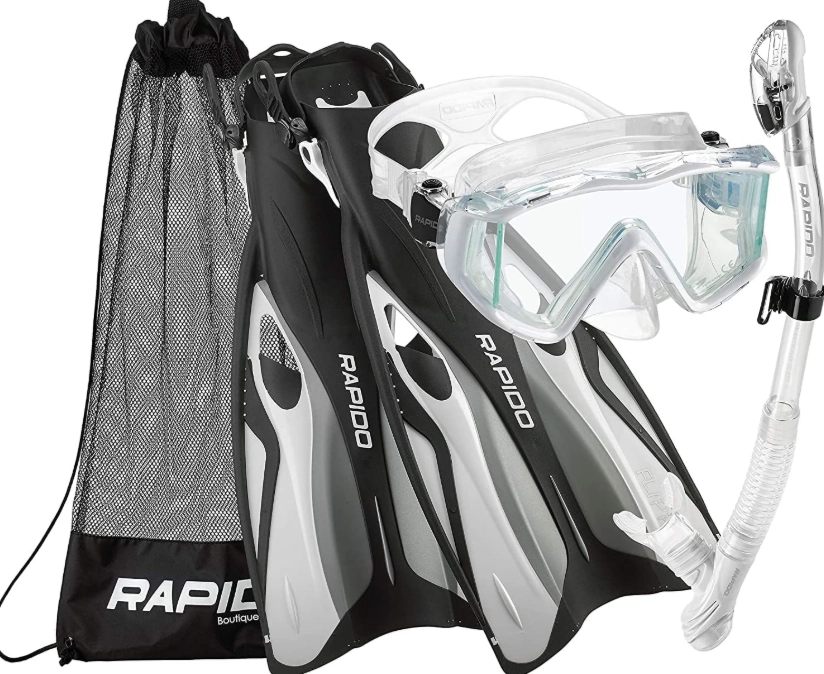
The right gear isn't about adding complexity; it's about removing the biggest obstacle to good technique: the need to turn your head to breathe. This guide isn't just a list of products. It's a manual on how to use pool snorkeling gear to rewire your swimming brain.
What's Inside This Guide
Why Bother with a Snorkel in the Pool?
Think of it as a diagnostic tool. When you don't have to worry about breathing, you can finally feel what your body is doing. Your focus shifts from survival to mechanics.
I recommend a training snorkel for three specific types of swimmers. First, technique beginners who are still fighting the instinct to lift their head. Second, intermediate swimmers looking to smooth out a lopsided freestyle stroke (we all have a dominant breathing side that causes imbalance). Third, freedivers and spearfishers who use the pool for static apnea and dynamic breath-hold training. The benefits are stark: improved body position, consistent oxygen supply for longer focus, and accelerated muscle memory for a symmetrical stroke.
A study referenced by U.S. Masters Swimming highlights that tools which isolate movement variables, like a snorkel, lead to faster technique acquisition. It's not cheating; it's smart training.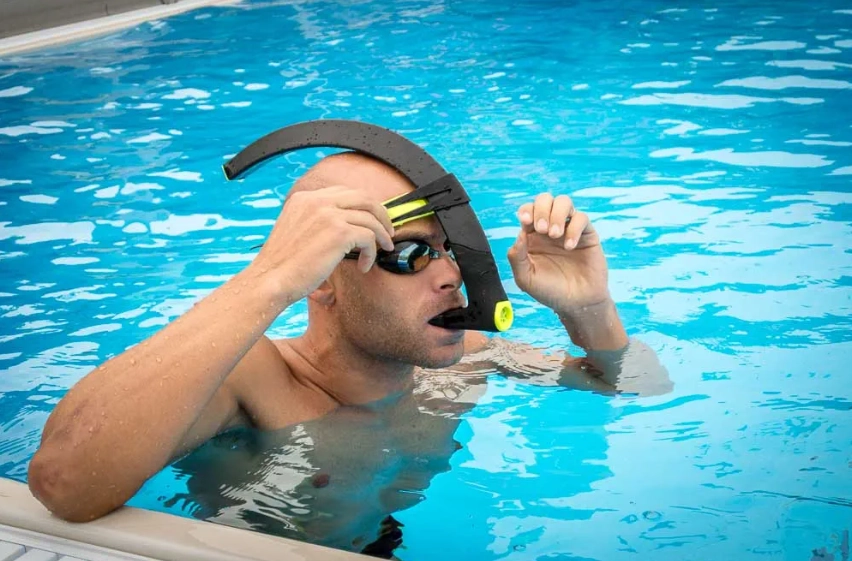
How to Choose the Right Pool Snorkel
Walk into a store and you'll see a wall of snorkels. Most are for ocean snorkeling. You need one built for laps. The main choice is between a front snorkel and a center-mount snorkel.
| Type | Best For | Key Feature | My Personal Take |
|---|---|---|---|
| Front Snorkel | Pure technique work, beginners, swimmers sensitive to forehead pressure. | The tube attaches to the mask strap, sitting in front of your face. It's out of your direct line of sight. | This is my go-to for most swimmers. It feels less intrusive and is fantastic for learning to keep your head still. The Finis Swimmer's Snorkel is the industry standard for a reason. |
| Center-Mount Snorkel | Serious lap swimmers, triathletes, high-intensity interval training. | The tube clips to a forehead strap, positioning the mouthpiece directly in front of your mouth. | More stable during flip turns and sprinting. It can feel claustrophobic at first. Brands like AquaSphere make great models. I find the forehead pad can sometimes slip if not adjusted perfectly. |
| Dry Top Snorkel | Casual/recreational use in choppy water. | A valve seals the top when submerged to prevent water entry. | I don't recommend these for dedicated pool training. The valve adds drag, can stick, and removes the need to learn the essential skill of clearing the tube with a sharp exhale. |
Look for a large-bore tube (for easy airflow), a soft silicone mouthpiece you can bite on comfortably for 30+ minutes, and a simple design with few moving parts. Complexity fails in chlorinated water.
The Mask & Fin Essentials (What You're Probably Getting Wrong)
The Mask: It's All About the Fit
Your old ocean snorkel mask might leak in the pool. Why? Pool swimming involves constant head turns and faster movement. The seal breaks easier.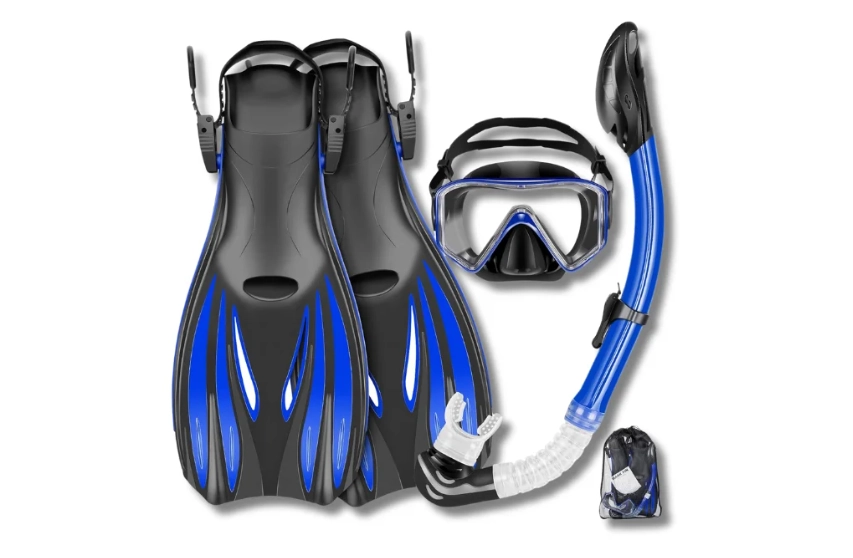
Here's the fit test no one does right: Place the mask on your face without putting the strap over your head. Inhale gently through your nose. The mask should suction to your face and stay put for a few seconds without you holding it. That's a proper seal. It should sit comfortably, not pressing hard on the bridge of your nose or your temples. Low-volume masks are popular, but a medium-volume mask with a good fit is often more comfortable for long sessions.
Anti-Fog is Non-Negotiable. Chlorine seems to make fog worse. Forget spitting in it—that's for the ocean. Buy a proper anti-fog gel from a dive shop. Apply it to a clean, dry lens at home, let it sit, give it a light rinse, and you're set for weeks. This one step saves endless frustration.
Fins: Not Just Any Fins
If you're using fins for kick drills with your snorkel, avoid the long, flexible freediving fins. They're overkill and can strain your ankles. You want short, stiff training fins.
- Purpose: To build ankle flexibility and leg strength while maintaining a high hip position.
- What to look for: Blades about 6-10 inches long, made of rigid rubber or composite. They provide resistance without the exaggerated whip of long fins.
- Brands: Finis, Speedo, and Arena all make excellent short training fins. Try them on with your swim socks if you wear them.
Setting Up Your Gear: The 5-Minute Pre-Swim Checklist
Rushing setup leads to a bad session. Follow this order every time.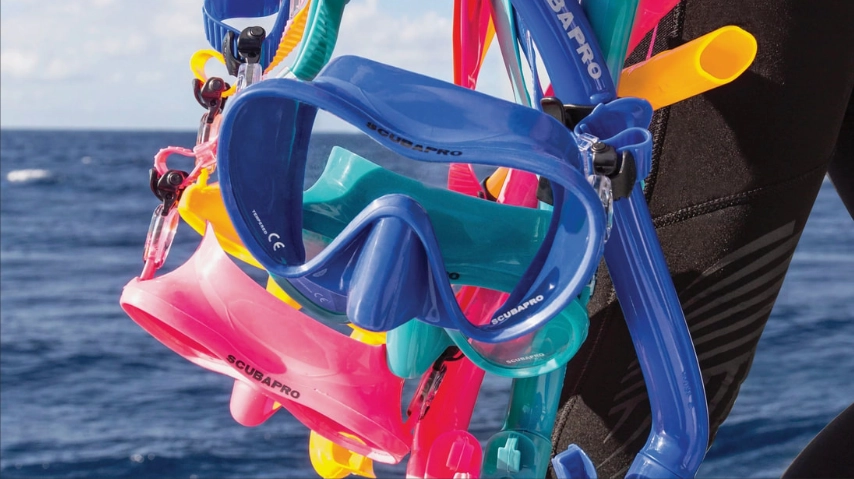
1. Mask First. Adjust the strap so it's high on the back of your head, not around your neck. It should be snug but not tight. If it's tight, it will dig in and leak.
2. Attach the Snorkel. For a front snorkel, the clip goes on the mask strap, centered. The mouthpiece should dangle. For a center-mount, secure the forehead strap first, then adjust the mouthpiece height.
3. Mouthpiece Bite. Place the mouthpiece in your mouth. Your lips should seal around the flange, and you should bite gently on the tabs. Your jaw should be relaxed. If you're clenching, the mouthpiece is too hard or the angle is wrong.
4. The Head Position Test. Stand in shallow water. Put your face in, looking straight down. Breathe. The top of the tube should be clear of the water. If it's submerged, you need to look slightly further down or adjust the snorkel angle. The goal is a neutral spine.
5. The Clear Test. Submerge the top of the tube, let it fill with water, then surface and exhale a sharp, forceful "POOF!" through the tube. All water should eject. Practice this three times. Now you're ready.
From Zero to Hero: A 4-Week Pool Snorkel Training Plan
Don't just swim laps with it. Use it purposefully. Here’s a progressive plan.
Week 1-2: Foundation & Feel
Focus: Getting comfortable and establishing rhythm.
Drill 1: Kickboard-Free Kicking. 4x50m kick with snorkel, hands at your sides. Focus on steady, small kicks from the hip, breathing deeply every 3-4 seconds.
Drill 2: Fist Drill. 4x50m swim with snorkel, hands in fists. This forces you to feel the water with your forearms and highlights any crossover in your stroke you can't feel when worrying about air.
Goal: Complete 1000m total with the snorkel, resting as needed.
Week 3-4: Integration & Intensity
Focus: Building strength and stroke symmetry.
Drill 1: Single-Arm Drill. 6x50m (25m left arm only, 25m right arm only). With the snorkel, you can isolate each arm's pull without breathing interference. Spot the differences.
Drill 2: Snorkel + Pace. 8x100m at a steady, moderate pace. Concentrate on a long, streamlined body and a consistent breath rhythm (inhale 2 sec, exhale 3 sec).
Goal: Complete 1500-2000m with the snorkel as a core part of your workout.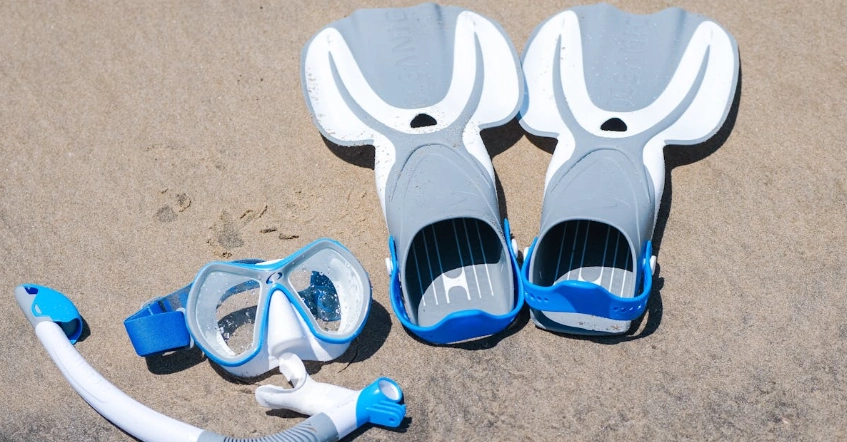
The 3 Most Common Mistakes (And How to Fix Them)
I see these every week at the pool.
Mistake 1: The Death Grip. White knuckles on the mouthpiece, jaw clenched. This tenses your neck and shoulders, ruining your streamline.
Fix: Consciously relax your jaw every few strokes. Let your lips do the sealing, not your teeth.
Mistake 2: Hyperventilating. The easy air access leads to short, panicky breaths even when you're not working hard.
Fix: Dictate your breath. Inhale on a 2-count, exhale on a 4-count. Make it slow and deliberate, especially during warm-up.
Mistake 3: Using it as a Crutch Forever. The snorkel is a teacher, not a permanent fixture.
Fix: After your main snorkel set, do a transition set. Example: 4x50m as 25m with snorkel, 25m without snorkel, breathing to your weak side. This bridges the skill gap.
Your Pool Snorkeling Gear Questions, Answered
Can I use a regular snorkel for pool training?
You can, but it's not ideal. A dedicated pool training snorkel, typically a front or center-mount snorkel, is designed to keep your head in a neutral, streamlined position. This forces you to develop proper body alignment and rotation, which a traditional J-shaped snorkel won't do. Using a regular snorkel can encourage bad habits like lifting your head to breathe.
Do I need a dry snorkel for the pool?
Most coaches and experienced swimmers advise against dry snorkels for serious pool training. The float valve mechanism can add drag and create a slight breathing resistance that interferes with developing a smooth, rhythmic breathing pattern. A simple, large-bore wet snorkel is preferred. The key is learning to clear it with a sharp exhale (a puff) if water gets in, which is a useful skill for open water.
How do I stop my snorkel mask from fogging up in the pool?
Fogging is the #1 annoyance. Skip the spit hack—it's temporary and unhygienic in a shared pool. Invest in a quality, gel-based anti-fog solution from a dive brand. Apply it to a clean, dry lens, rinse lightly as directed, and it should last a full session. A pro tip: avoid touching the inside of the lens with your fingers after treatment, as skin oils ruin the coating.
What's the biggest mistake beginners make with pool snorkels?
They breathe too fast and shallow. The unrestricted airflow can trick you into panting. Focus on taking deep, controlled belly breaths. Inhale slowly for 2-3 seconds, exhale fully for 3-4 seconds. This mimics efficient swimming breath control, calms your heart rate, and maximizes oxygen exchange. It turns the snorkel from just a tool into a breathing coach.
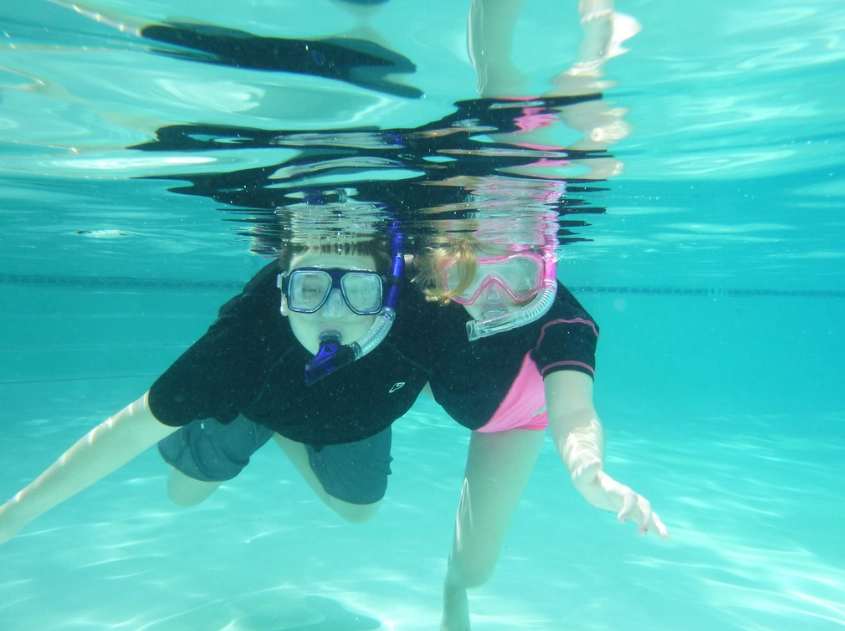 The right snorkeling gear for pool training is a shortcut, but not an easy one. It demands you focus on the details you've been avoiding. It’s uncomfortable at first, then it becomes liberating. Start with a good front snorkel, nail the fit of your mask, and follow a plan. In a month, you'll feel the water in a way you never have before. Your stroke will be longer, your breathing calmer, and those laps will start to feel effortless. That's the real goal.
Reader Comments