Quick Guide
- Before You Even Get Wet: The Biggest Cost Factor
- Breaking Down the Actual Snorkeling Activities & Their Costs
- The Hidden & Often Forgotten Costs
- When to Go: How Season Affects Snorkeling in Bora Bora Cost & Quality
- How to Actually Save Money on Snorkeling in Bora Bora
- Your Questions, Answered (The FAQ Section)
- The Ethical Cost: Snorkeling Responsibly
Let's be honest. When you think of Bora Bora, you're picturing those insane overwater bungalows, water so blue it doesn't look real, and fish swimming right under your feet. Snorkeling here is basically the main event. It's not an optional activity; it's the whole reason you're considering the 20-hour flight. But then you start digging, and the big question hits you: what's the actual snorkeling in Bora Bora cost going to be?
I asked myself the same thing before my trip. I saw photos of manta rays and coral gardens and knew I had to do it. But the information online was all over the place. One site said a tour was $50, another said $200. Some made it sound like you could just walk off any beach for free (not entirely true, but we'll get to that). It was frustrating. So I went, I snorkeled from budget spots to fancy boat tours, and I kept a detailed mental—and actual—note of every franc spent.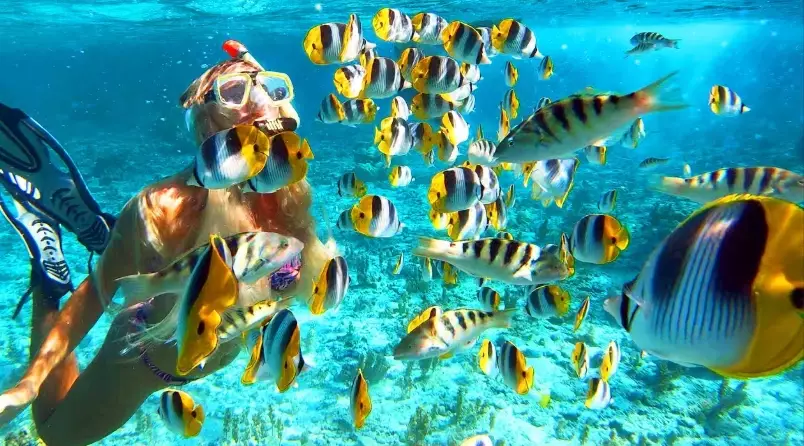
This guide is that note, expanded. We're not just going to throw a single number at you. The cost of snorkeling in Bora Bora is a sliding scale. It depends wildly on where you stay, how lazy you feel, what time of year you go, and frankly, how much you value having a guide point out the hidden octopus. We'll break down every possible expense, from the totally free DIY option to the blow-the-budget luxury lagoon excursion. I'll even tell you where I felt I overpaid and where every penny was worth it.
The Core Idea: Your total snorkeling in Bora Bora cost isn't just a tour ticket. It's a combination of your access point (the resort), the activity itself (free vs. guided), and the extras (gear, photos, transport). We'll tackle each layer.
Before You Even Get Wet: The Biggest Cost Factor
This is the part most generic guides miss, and it's crucial. Your choice of accommodation is the single biggest dictator of your snorkeling experience and cost structure. It sets the baseline for everything else.
Staying on the Main Island (Vaitape) vs. an Overwater Bungalow Resort
This is the great divide. Bora Bora has a small main island where the locals live (Vaitape), and then those iconic motus (small islets) with the luxury resorts. Where you sleep changes the snorkeling game completely.
If you stay at a guesthouse or smaller hotel on the main island, your upfront accommodation cost is way lower. We're talking maybe $150-$300 a night instead of $1000+. Sounds like a win, right? For your wallet, yes. For spontaneous snorkeling, it's more complicated. The beaches on the main island are… fine. They're pretty, but the coral right off the shore isn't the spectacular stuff you see in brochures. It's often a bit worn. To get to the epic snorkel spots—the Coral Gardens, the manta ray cleaning stations—you must take a boat. There's no way around it. So your snorkeling in Bora Bora cost calculation here shifts from "resort convenience" to "mandatory tour expense." Every time you want to see the good stuff, you're booking and paying for a half-day or full-day trip.
Now, if you stay at one of the big resorts on the motus (think Four Seasons, Conrad, St. Regis, Intercontinental), you're paying for that iconic overwater bungalow. The room rate is astronomical. But here's the thing: you're also paying for direct, private access to some of the best-protected lagoon waters. You can literally climb down your ladder into a world of fish. The house reefs at these places are often meticulously maintained. The Intercontinental Thalasso, for example, has a stunning house reef teeming with life. For a casual daily snorkel, it's unbeatable and "free" (well, included in your sky-high room rate).
But wait, there's a middle ground! Some smaller, mid-range resorts on the main island or closer motus offer a decent compromise. They might have a nice stretch of sand with a roped-off snorkeling area they've cultivated. It won't be as vast as the big guys' lagoons, but it's often perfectly good for a daily dip. Always, always check reviews specifically for "snorkeling from the beach" before you book any mid-tier place.
Breaking Down the Actual Snorkeling Activities & Their Costs
Okay, let's talk about the direct costs. Here’s where we get into the nitty-gritty of prices. I've broken it into tiers, from zero spend to full-on luxury.
The Free (or Almost Free) Snorkel
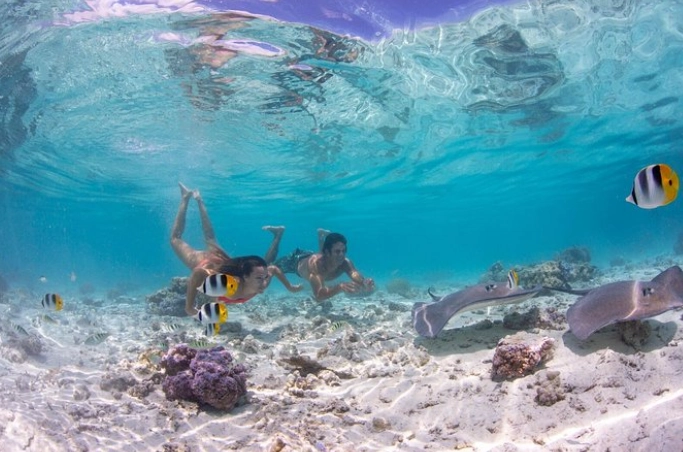
Yes, it exists. No, it's not a myth. But manage your expectations. The best free spot, hands down, is the public beach area near the Matira Point. Matira Beach is often called one of the world's best, and the section towards the point has some easy, accessible coral and fish. It's sandy-bottomed in parts, then has coral patches. It's safe, it's beautiful, and it costs nothing. You'll see families and budget travelers here. The fish variety is decent—think parrotfish, butterflyfish, maybe a small ray if you're lucky. It's not the deep lagoon wonderland, but for a free activity, it's fantastic.
Bring your own gear. That's the key.
Which brings us to gear cost. If you're doing the free snorkel, you need a mask, snorkel, and fins. You can rent these from small shops in Vaitape for about $10-$15 USD for a basic set for the day. If you're a frequent snorkeler, just bring your own. A good mask that fits your face perfectly is worth its weight in gold (and prevents a ruined trip from constant leaks). I bought a mid-range set years ago, and it's paid for itself ten times over in rental fees and comfort. Fins are bulky but if you have space, bring them. Resort fins are often generic and can rub.
A Reality Check: Don't expect the "Bora Bora snorkeling cost" to be zero if you want to see the famous sites. The free beach snorkeling is lovely, but it's a teaser. The legendary Coral Gardens, the manta rays, the shark encounters—they're all in specific, sometimes protected, zones that require a boat to reach. The free option is your daily appetizer. The paid tours are the main course.
The Guided Group Tour: The Standard Package
This is how most people experience the best of Bora Bora's underwater world. You book a half-day (usually 3-4 hour) or full-day tour with a local operator. These are the workhorses of the Bora Bora snorkel tours price market.
What you typically get: Hotel pickup (by boat if you're at a motu resort, by van/boat combo if on main island), a guide/boat captain, snorkel gear (mask, snorkel, fins), and visits to 2-3 iconic spots. The classic itinerary includes: 1) A shallow coral garden (like the famous one near the motus), 2) A ray & shark feeding/sighting area (usually blacktip reef sharks and stingrays), and 3) Sometimes a deeper spot for seeing larger fish or a manta ray cleaning station (seasonal).
So what's the damage? For a standard half-day group tour, prices range from $70 to $120 USD per person. The variation depends on the operator's reputation, boat size (a smaller, faster boat might cost more), and what's included. Some throw in fruit punch and a slice of pineapple. Fancier ones might include a picnic on a private motu.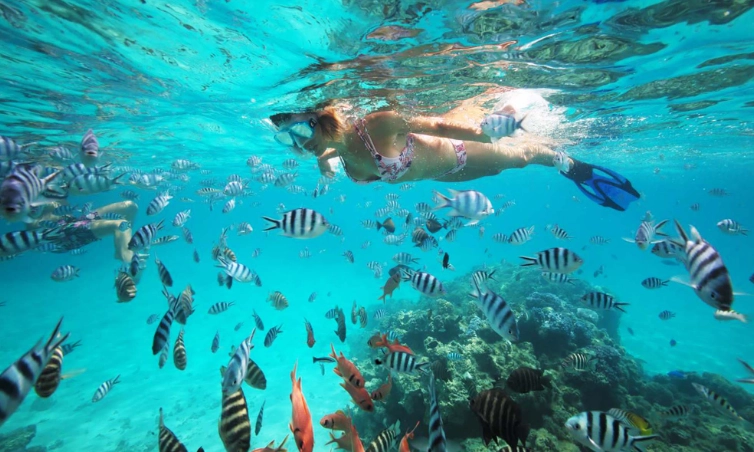
I went with a mid-priced operator called Moana Adventure Tours. It was about $95 per person. The guide was great—he dove down to point out a moray eel hiding in the coral. The gear was fine, a bit worn but functional. The boat was crowded, though. That was my main gripe. Twenty people all splashing into the same spot at the Coral Gardens felt a bit like an underwater traffic jam. You have to be proactive to swim away from the group to get a moment of peace. For the snorkeling in Bora Bora cost, it was good value for the sights, but the experience was a bit rushed and herd-like.
| Tour Type / Operator Style | Average Price (USD per person) | What's Included | Best For |
|---|---|---|---|
| Large Group Half-Day (Big boat, 20+ people) | $70 - $90 | Gear, 2-3 stops, water/juice, hotel pickup | Budget-first travelers, social butterflies |
| Small Group Half-Day (Speedboat, 8-12 people) | $100 - $130 | Better gear, more personalized guiding, 3-4 stops, snacks | Those wanting a better guide-to-guest ratio |
| Full-Day Lagoon Tour (Includes lunch) | $150 - $200 | All of the above + picnic lunch on a private motu, more relaxed pacing | Travelers who hate feeling rushed, want a comprehensive day |
| Private Charter (Just you/your group) | $400 - $800+ (for the boat) | Complete customization, your own schedule, guide's full attention | Families, special occasions, serious photographers |
The Premium & Private Experience
This is where the snorkeling in Bora Bora cost climbs into another stratosphere, but so does the experience. After my crowded group tour, I splurged on a private half-day with a marine biologist guide. It was, without a doubt, the highlight of my trip and worth every extra franc.
We went to the same general areas, but at different times to avoid the crowds. He explained the symbiosis between the clownfish and anemone, pointed out tiny nudibranchs I would have never seen, and knew exactly where a friendly turtle liked to hang out. He also had high-definition underwater cameras and took stunning photos of us with the marine life, which he emailed later at no extra charge. The cost was about $350 for two people for three hours.
Was it triple the price of the big group tour? Yes. Was the experience triple the quality? Honestly, maybe more. For me, it transformed snorkeling from a sightseeing activity into an educational and deeply immersive one. If your budget has any flexibility at all, I'd recommend doing one standard tour to check the boxes and one premium/small group tour for the memory of a lifetime. It balances the overall snorkeling in Bora Bora cost while maximizing joy.
Insider Tip: Look for operators that partner with or employ marine biologists or certified naturalist guides. The commentary they provide adds a layer of understanding that makes the reefs come alive. Check the websites of operators like Topdive or Maohi Nui—they often emphasize their guides' expertise, not just their boats.
The Hidden & Often Forgotten Costs
Budgeting just for the tour ticket is a rookie mistake. Here are the sneaky extras that can inflate your total snorkeling in Bora Bora cost if you're not careful.
- Transport to the Tour: Many tours include pickup from major resorts. But if you're staying at a small guesthouse, confirm this. You might need a taxi to Vaitape pier, which can be $10-$20 each way.
- Underwater Camera Rentals: You'll want photos. Duh. Tours often offer GoPro rentals for about $30-$50 for the day. If you plan to snorkel multiple days, it's cheaper to rent one for your whole stay from a shop in town or, better yet, bring your own.
- Reef-Safe Sunscreen: This isn't an optional extra; it's a necessity. Regular sunscreen kills coral. Buying it in Bora Bora is expensive. A small bottle can be $25+ at resort shops. Bring at least two bottles from home. I use Stream2Sea—it works and is certified reef-safe. Factor this into your pre-trip shopping cost.
- Tips for Guides: It's customary to tip your boat crew/guide if you had a good experience. Budget around 5-10% of the tour cost, or $5-$15 per person in cash (USD or XPF are both accepted).
- Resort Fees for Non-Guests: Heard about a great snorkeling spot at a resort you're not staying at? Some resorts allow day passes for a fee (often $50-$100+ per person), which includes use of their facilities and access to their lagoon area. This can be a way to experience a luxury resort's snorkeling without the room rate, but it adds up.
When to Go: How Season Affects Snorkeling in Bora Bora Cost & Quality
This is huge. Bora Bora has two main seasons: the dry season (May to October) and the wet season (November to April).
The dry season is peak tourist time. The weather is sunnier, less humid, and there's less rain. The water visibility for snorkeling is at its absolute best—often 100 feet or more. It's spectacular. But, because it's peak season, everything costs more. Flight prices, hotel prices, and yes, snorkeling tour prices can be at their highest. Tours also book up much further in advance.
The wet season (especially November, March, April) is the shoulder or low season. You might get a passing afternoon shower, but you also get fewer crowds and lower prices. I traveled in late April and snagged a tour discount of about 15% just by asking. The visibility was still excellent—maybe 80 feet instead of 100. The water was actually a bit warmer. For the value-conscious snorkeler, the shoulder season is a secret weapon. The risk of a rainy day is there, but the savings and smaller crowds can be worth it.
How to Actually Save Money on Snorkeling in Bora Bora
Want to experience the magic without your wallet crying? Here are my hard-earned, practical tips for managing your snorkeling in Bora Bora cost.
- Book Tours Directly & In Person (When Possible): If you're flexible, wait until you get to Vaitape. Walk along the main street by the pier. You'll find several tour operator kiosks. Talk to them. Often, they have last-minute spots for the next day at a discount, or they can offer a better price than what you see online through big aggregator sites. I saved $20 per person this way.
- Bundle Activities: Many operators offer combo tours: snorkeling + 4x4 island safari, or snorkeling + a sunset cruise. The per-activity cost in a bundle is often lower than booking each separately. If you want to do more than just snorkel, this is a smart move.
- Prioritize One Amazing Tour: Don't feel like you need to do a guided tour every single day. Mix it up. Have a free snorkel day at Matira Beach. Enjoy your resort's house reef. Then, for your one or two big outings, choose the best small-group or thematic tour (like a manta ray focus) you can afford. Quality over quantity.
- Pack All Your Gear: As mentioned, bring your own mask, snorkel, fins, and reef-safe sunscreen. The savings on rentals over a week add up to a nice dinner.
- Eat Off-Resort for Lunch: If you're on a full-day tour that doesn't include lunch, or on a free snorkel day, head to the food trucks ("roulottes") in Vaitape for dinner. A massive plate of fresh poisson cru (the local ceviche) or grilled fish is a fraction of resort food prices. Saving on food frees up cash for activities.
- Consider a Lagoonarium Pass: The Bora Bora Lagoonarium is a natural, enclosed part of the lagoon. You pay an entry fee (around $30), and you can snorkel in a guaranteed fish-rich environment with rays, sharks, and turtles. It's not the open ocean, but for guaranteed sightings in a controlled setting, it's a cost-effective alternative to multiple boat tours, especially for families with younger kids.
Your Questions, Answered (The FAQ Section)
The Ethical Cost: Snorkeling Responsibly
This is a cost we all pay, not in money, but in behavior. Bora Bora's lagoon is stunning because it's relatively healthy. We have to keep it that way.
- Do Not Touch or Stand on Coral. It's a living animal. A single touch can kill a polyp that took years to grow. If you're not a strong swimmer, use a buoyancy vest provided by the tour.
- Use Only Mineral-Based, Reef-Safe Sunscreen. Look for non-nano zinc oxide or titanium dioxide as the active ingredients. Avoid oxybenzone and octinoxate. The local government is strict about this, and for good reason. Resources like the Hawaii Coral Reef Strategy site have great info on why this matters, applicable to all Pacific reefs.
- Do Not Feed the Fish. It disrupts their natural diet and behavior. Let your guide handle any feeding if it's part of the experience in a controlled manner.
- Choose Operators with Eco-Certifications. Look for mentions of sustainability, support for the Coral Reef Alliance principles, or membership in local conservation groups. Your dollars support businesses that protect the resource.
So, what's the final tally for the snorkeling in Bora Bora cost? It's a spectrum. You could have an incredible week of snorkeling for an extra $50 (gear rental for free beaches). Or you could spend over $1000 per person on private, bespoke tours. Most people will land happily in the middle, spending $200-$400 per person over a week to mix free exploration with one or two unforgettable guided adventures.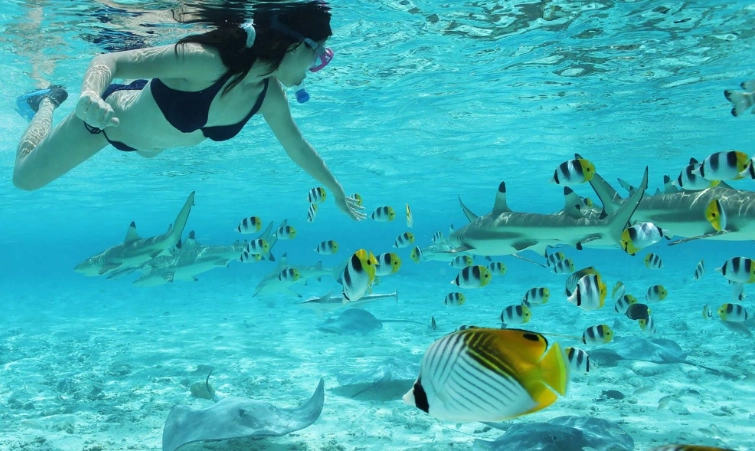
The key is to plan with your eyes open. Know what you're paying for at each level. Budget for the hidden extras. And most importantly, get in the water. However you choose to do it, the memories of Bora Bora's underwater ballet are priceless. Now go check flight prices—I think I've just talked myself into planning a return trip.
Reader Comments