In This Guide
So you're planning a trip, maybe to some tropical paradise, and you've got this burning question: just how long can you snorkel for? I get it. You don't want to be the person who gets out of the water after ten minutes, exhausted and frustrated, while everyone else is still having a blast. The short, unsatisfying answer is: it depends. It really, really depends on a bunch of stuff. But the good news is, once you understand what those things are, you can significantly influence how long you can stay in the water, turning a short dip into a proper, memorable underwater session.
I remember my first real snorkeling trip off the coast of Hawaii. I was so excited, but I figured my decent swimming pool stamina would translate directly. Boy, was I wrong. The current was stronger than I expected, my mask kept fogging up (a classic rookie mistake), and I was breathing way too fast through that cheap, uncomfortable tube. I was back on the boat, coughing and tired, in what felt like no time at all. It was humbling. Since then, I've learned—sometimes the hard way—what actually makes the difference between a fleeting glimpse and a sustained exploration.
The Big Five: What Really Decides Your Snorkel Time Limit
If you want to know how long you can snorkel, you need to look at these five pillars. Ignore one, and it'll cut your time short.
Your Fitness and Comfort in the Water
This isn't about having six-pack abs. It's about cardiovascular efficiency and being relaxed. If you're anxious or a weak swimmer, you'll burn energy fast. Your heart rate spikes, you breathe more erratically, and fatigue sets in quickly. Comfort is king. Can you float effortlessly? Can you tread water without panic? That foundational comfort is more important than raw power. A relaxed snorkeler conserves energy, which directly translates to more time exploring. I've seen older folks who are utterly calm in the water outlast younger, fitter people who are fighting it.
The Gear You're Using (It Makes a HUGE Difference)
This is where many people, including past me, go wrong. That $20 set from the discount store might seem like a bargain, but it can ruin your day.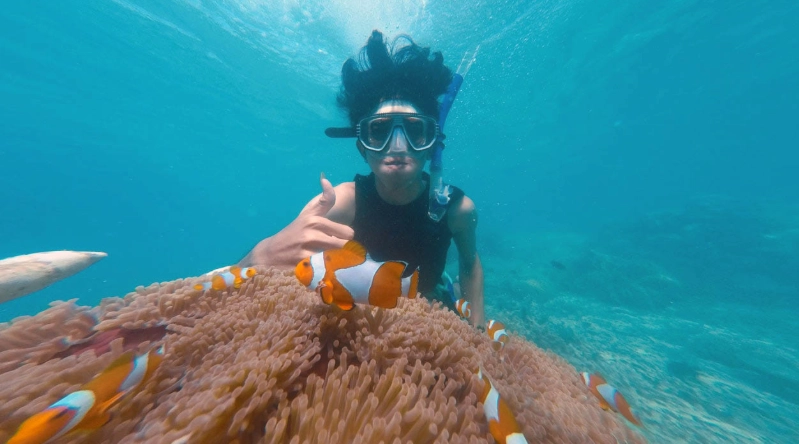
- Mask Fit & Fog: A leaking or foggy mask is a constant distraction. You're constantly stopping to clear it, letting water in, and breaking your rhythm. A properly fitted mask that seals well is non-negotiable. Spit, baby shampoo, commercial defogger—find your anti-fog solution and stick to it.
- Snorkel Design: A basic J-tube is okay, but a dry snorkel or semi-dry snorkel is a game-changer. A dry snorkel has a mechanism that stops water from entering the tube if you go under. This means you don't have to forcefully blast water out every time you surface, saving your lungs and your calm. It's one of the best investments for extending your snorkeling duration.
- Fins: The right fins provide propulsion with minimal effort. Stiff, ill-fitting fins will cramp your calves. Flexible, open-heel fins with booties are often more comfortable for longer periods.
Breathing Technique: The Silent Game-Changer
This is the most underestimated factor. On land, we breathe without thinking. In the water, with a tube in our mouth, we often start hyperventilating or taking shallow, rapid breaths.
You need to practice slow, deep, and controlled breathing. In through the mouth, out through the mouth. Deep diaphragmatic breaths. Try to make your exhalations longer than your inhalations. This does two things: it keeps you calm (activating the parasympathetic nervous system, for the sciencey among us), and it ensures you're fully exchanging air in the snorkel, preventing a buildup of carbon dioxide. Short, panicked breaths mean you're re-breathing your own CO2, which can lead to headaches and that urgent need to get out of the water. Mastering your breath is the single most effective free tool you have to increase how long you can snorkel.
Environmental Conditions: The Wild Cards
You can't control these, but you must respect them. They are the ultimate arbiters of how long can you snorkel safely.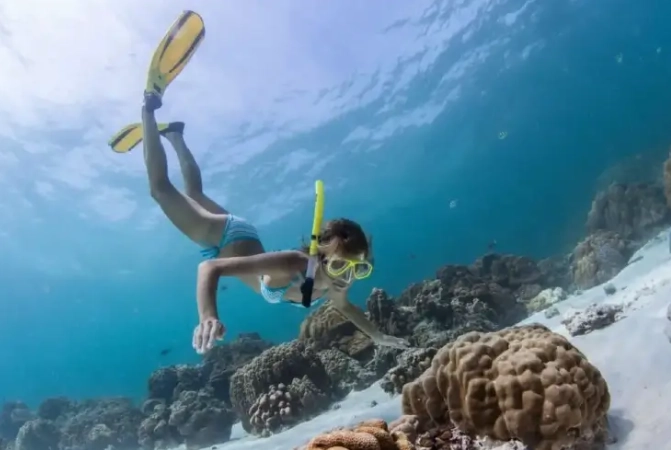
| Condition | Impact on Duration & Safety | What to Do |
|---|---|---|
| Water Temperature | Massive impact. Cold water drains body heat rapidly (hypothermia), even if you don't feel "cold." Warm tropical water is far less taxing. | In water below 80°F (27°C), consider a wetsuit. Even a thin 1-2mm "skin" or shorty can drastically extend your time. |
| Current & Waves | Fighting a current is exhausting and dangerous. Choppy water makes breathing harder and increases anxiety. | Always snorkel with a buddy. Plan your route to go against the current first, so you drift back easily. If in doubt, don't go out. |
| Sun & Heat | Dehydration and sunburn on your back/legs are real threats that will cut your day short. | Hydrate well before and after. Use reef-safe sunscreen and consider a rash guard or wetsuit for sun protection. |
| Marine Life & Visibility | Poor vis is disorienting and less fun. Amazing vis and wildlife are motivating! But don't chase animals. | Check local reports. Enjoy the scenery calmly; frantic swimming to follow a turtle burns your reserves fast. |
Your Health and Hydration Status
This seems obvious, but it's often overlooked. Did you sleep poorly? Are you hungover? Are you dehydrated from travel or last night's cocktails? All of these will slash your endurance. Snorkeling is physical activity. Starting from a deficit is a bad plan. Drink plenty of water the day before and the morning of. Have a light, energizing meal a couple of hours before you get in. Listen to your body—if you're feeling off, a shorter, more relaxed snorkel is better than pushing it.
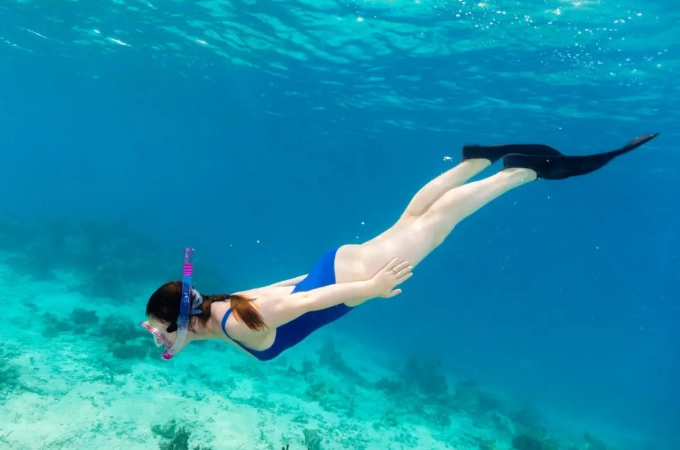 See? It's never just one thing.
How to Actually Extend Your Snorkeling Time: Pro Tips & Tricks
Okay, so you know the factors. Here’s how to actively work on them to push your personal limit for how long you can snorkel.
- Practice in a Pool: Seriously. Get your gear. Get in a pool. Practice floating, breathing slowly through the snorkel, clearing it, and getting water out of your mask. This builds muscle memory and confidence, so you don't waste mental energy on basics in the ocean.
- Get Your Gear Sorted Early: Don't try new gear for the first time on your big trip. Buy or rent it ahead of time and test it. A leaky mask strap or fin blister will end your day prematurely.
- Fitness on Land: General cardio (swimming, cycling, running) improves your stamina. Even some basic breath-hold practice (always on land, sitting or lying down, NEVER hyperventilating) can help you feel more comfortable with your respiration.
In-Water Strategies:
Once you're in, the game begins.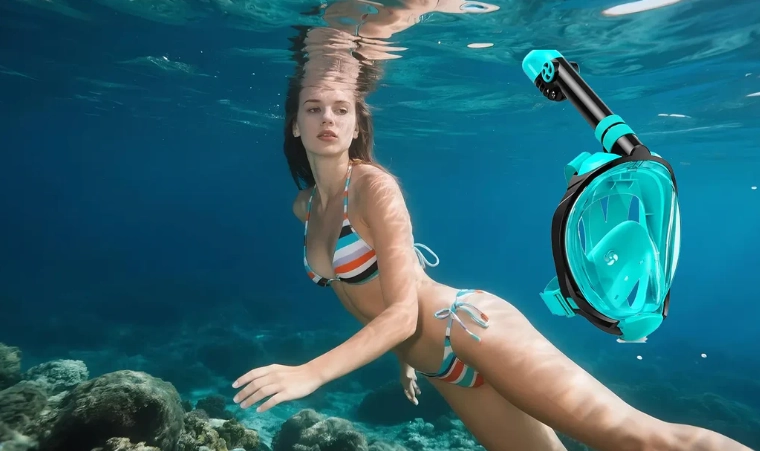
- Pace Yourself: Start slow. Don't sprint to the first coral head. Adopt a relaxed, slow finning motion. Use your arms minimally—let your fins do the work.
- Take Breaks: This is crucial. Every 20-30 minutes, find a calm spot, float on your back, or just tread water gently. Look around at the horizon, not just down. Let your muscles relax and your breathing return to its calm baseline. A few 2-minute breaks can add an hour to your total time.
- Use a Flotation Device: Don't see this as a sign of weakness. A snorkeling vest (often provided on tours) or even a pool noodle can be a fantastic tool. It allows you to rest completely without swimming, conserving massive amounts of energy. You can focus entirely on breathing and looking. I use one in choppy water without hesitation.
- Stay Horizontal: The more vertical you are, the more you drag through the water. A good, horizontal streamlined position reduces effort dramatically.
Safety: The Non-Negotiable Rule That Trumps All Time Limits
We need to talk about this separately because it's more important than any desire to see one more fish.
Shallow Water Blackout is a real and deadly risk, primarily associated with breath-hold diving while snorkeling. It's not about how long you can snorkel on the surface, but the dangerous practice of hyperventilating (taking many quick breaths) before diving down to look at something. This blows off too much CO2, which is what triggers your urge to breathe. You can stay down longer than your oxygen levels safely allow, pass out underwater, and drown. It happens to experienced swimmers.
Rule: Never, ever hyperventilate before a dive. Take one, maybe two deep, calm breaths max. Always snorkel with a competent buddy who is watching you. Organizations like DAN (Divers Alert Network) have extensive resources on snorkeling and freediving safety that are worth reviewing.
Other critical safety rules:
- Buddy System, Always: Even in waist-deep water. Things can go wrong instantly.
- Know Your Exit Point: Always be aware of how you're going to get out. Currents can drift you.
- Respect Marine Life: Don't touch anything. Coral is fragile and can cut you. Many creatures are venomous. Observe from a respectful distance.
- Weather Check: If the wind picks up, waves get rough, or the sky darkens, get out. Don't try to tough it out.
Answering Your Burning Questions (FAQ)
Let's tackle some of the specific things people are typing into Google.
Can you snorkel for 4 hours?
It's possible, but it's an endurance event, not a casual swim. You'd need ideal conditions (very warm, calm water like a protected bay), excellent fitness, top-notch comfortable gear (likely including a wetsuit for buoyancy and warmth), a flotation device for periodic rest, and a strategy of taking breaks. You'd also need to manage hydration and sun exposure meticulously. For most people on a recreational outing, aiming for 4 hours straight is unrealistic and could lead to exhaustion or safety issues. It's better to do two separate 90-minute sessions with a long break in between.
How does age affect how long you can snorkel?
Age itself isn't the barrier; fitness, health, and comfort are. A fit 60-year-old who swims regularly will often outlast an out-of-shape 25-year-old. However, older adults may need to be more mindful of joint stiffness (fins can be hard on ankles), temperature regulation (get cold easier), and overall stamina. The principles are the same: listen to your body, use good gear, and don't compare yourself to others. Start with shorter sessions and build up.
Is there a difference between snorkeling from shore vs. a boat?
Absolutely. Shore snorkeling often involves getting in and out through surf, which can be tiring. You might also swim a fair distance to reach the best spots. Boat snorkeling drops you right on the reef, conserving that initial energy. However, boat trips often have set time limits (e.g., 45-60 minutes per site), so your overall snorkel time limit is dictated by the operator. From shore, you can theoretically go as long as you want, but you're responsible for all your own safety and energy management.
How long can kids snorkel?
Much shorter periods. Their smaller bodies lose heat faster, and they have shorter attention spans and less stamina. For young kids (6-10), start with 10-15 minute sessions in very calm, shallow, interesting water (like a sandy area with some fish). Make it fun, not a marathon. Always use a flotation vest designed for kids, and stay within arm's reach. A tired, cold, bored child will have a bad experience and may not want to try again.
The Bottom Line: It's About Quality, Not Just a Clock
Obsessing over a specific number for how long can you snorkel misses the point. The goal isn't to endure; it's to enjoy. A fantastic, relaxed 45-minute snorkel where you see a sea turtle, a school of colorful fish, and float effortlessly over coral is infinitely better than a grueling, anxious two-hour struggle where you saw nothing but your own bubbles and felt miserable the whole time.
Focus on the controllables: get good gear, practice your breathing, choose good conditions, listen to your body, and prioritize safety. Your time in the water will naturally lengthen as a result. And you'll have a much better time doing it.
Honestly, some of my favorite snorkeling memories are from short, serendipitous sessions. Once, on a random beach in Thailand, I threw on my mask and swam out for just twenty minutes. In that short time, I found myself in the middle of a huge, shimmering bait ball, with light cutting through the water in rays. It was magical. I got out not because I was tired, but because I was completely satisfied. That's the real win—ending your snorkel with a smile, not with exhaustion.
For more detailed information on marine environments and safe practices, you can refer to resources from the National Oceanic and Atmospheric Administration (NOAA) or training agencies like PADI, which offer snorkeling-specific guidelines. Now go get your gear ready, and I hope your next session is your longest and best one yet.
Reader Comments