Let's cut straight to it. Caribbean snorkeling isn't just an activity; it's flying over alien landscapes without leaving the surface. You're weightless, surrounded by colors that don't seem real, watching a silent, bustling city of fish. But here's the thing most blogs won't tell you: a mediocre Caribbean snorkel trip is painfully easy to book. You get herded onto a crowded boat, dropped on a reef that's seen better days, and spend half the time clearing a leaky mask.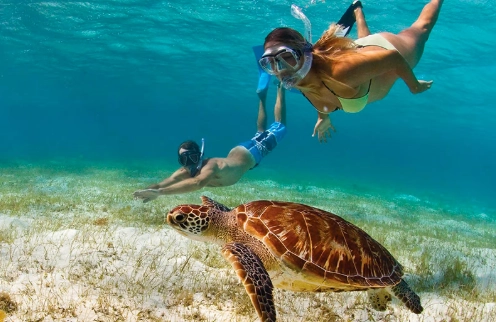
It doesn't have to be that way. After more trips than I can count, from the remote atolls to the popular cruise stops, I've learned that the magic is in the specifics. It's about the sheltered cove on the backside of the island, the right type of mask seal for your face, and knowing when to simply float and watch.
This guide is about getting you to that magic, efficiently.
In This Article You'll Discover
Where to Go: The Best Caribbean Snorkeling Spots, Decoded
Forget just listing islands. Let's match spots to what you're actually looking for. Are you a nervous first-timer? A photography nut? Traveling with kids? The "best" spot changes completely.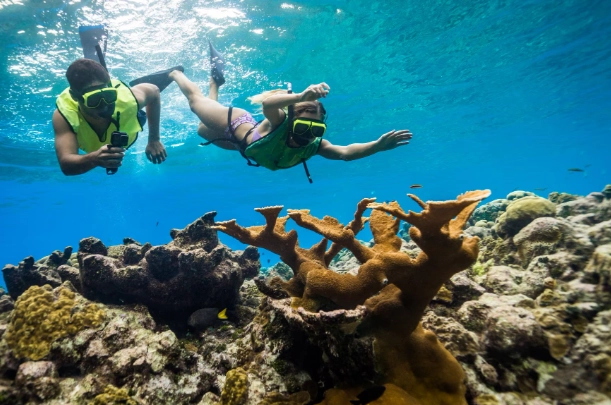
For Crystal Clarity & Ease: The Turks and Caicos Barrier Reef
The barrier reef system here is a continental shelf edge, meaning the water drops off into the deep blue, but the snorkeling is on the shallow, protected side. The result? Unbelievably clear, calm water almost every single day. Smith's Reef off Providenciales is a self-guided paradise. Park at the public access (just past Turtle Cove), swim out 50 yards, and you're on a vibrant reef. No boat needed. I've seen eagle rays, turtles, and endless parrotfish here on a simple afternoon swim.
Bight Reef (Coral Gardens) is another Provo gem, even more protected and perfect for absolute beginners. The coral formations are healthy and dense, creating canyons to float over.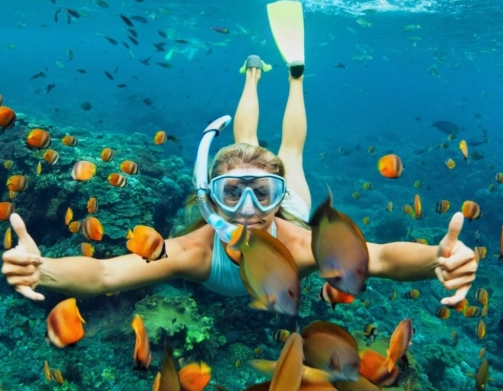
For Adventure & Variety: The Bahamas & Exumas
The Bahamas are a sprawling archipelago. The snorkeling is less about continuous reef walls and more about specific, incredible experiences.
- Thunderball Grotto (Exumas): Yes, it's the James Bond film location. It's also as cool as it sounds. You snorkel into a cave system at low tide, with shafts of light illuminating the water. Fish swarm inside. It feels like a secret pirate hideout. Check tide charts religiously—high tide makes the entrance swim-through dangerous.
- Rose Island, Nassau: Most snorkel trips from Nassau go to the crowded Green Cay area. Ask for a trip that includes Rose Island Reefs instead. You'll find healthier coral, more fish, and often have the site to yourself if you're on a smaller boat.
- Compass Cay Nurse Sharks (Exumas): This is a unique interaction. At the marina, nurse sharks congregate in the clear, shallow water. You can swim and snorkel with them. They're harmless, but it's a controlled, specific experience, not open-ocean snorkeling.
The Coral Powerhouse: Belize and the Mesoamerican Reef
This is the second-largest barrier reef system on Earth. The sheer scale of coral is humbling.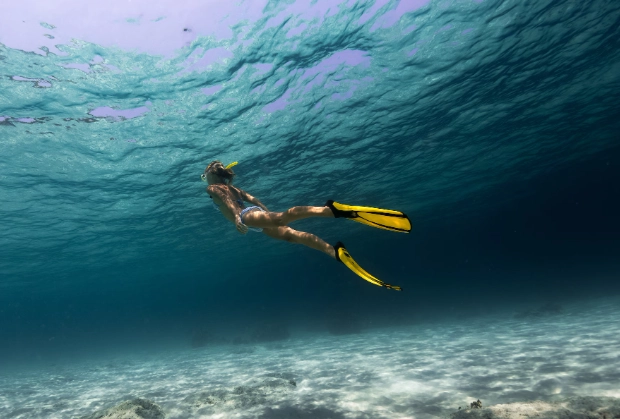
Hol Chan Marine Reserve & Shark Ray Alley near Ambergris Caye is famous for a reason. It's a channel cut through the reef. The current can be strong, so it's a drift snorkel (the boat picks you up at the end). At Shark Ray Alley, southern stingrays and nurse sharks glide around. It's organized, slightly crowded, but undeniably impressive.
For a more raw experience, head to the atolls like Turneffe or Lighthouse Reef (home to the Great Blue Hole). The Blue Hole itself is a deep diving site, but the snorkeling on the atoll's rim is spectacular—pristine coral gardens and huge schools of fish. These are full-day or liveaboard trips, best for serious snorkelers.
| Spot | Best For | Water Conditions | Need a Boat? |
|---|---|---|---|
| Smith's Reef, Turks & Caicos | Beginners, Families, Shore Access | Calm, Very Clear | No |
| Trunk Bay, St. John (USVI) | First-Timers (has an underwater trail) | Usually Calm, Can get Swell | No (Park Fee) |
| Buck Island, St. Croix | Protected National Monument, Guided Tours | Protected Lagoon | Yes (Tour Required) |
| The Pitons, St. Lucia | Dramatic Scenery, Volcanic Bays | Can be Choppy | Yes |
| Bonaire | DIY Shore Diving & Snorkeling Capital | Generally Calm, Windward side rough | Rarely (Drive & Snorkel) |
How to Choose Snorkeling Gear You'll Actually Use
Rental gear is the fastest way to ruin a day. A foggy, leaking mask is a misery. Your own gear that fits is non-negotiable.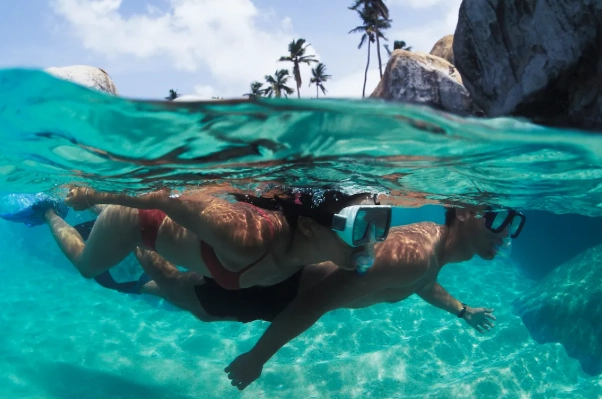
The Mask: It's All About the Seal
Skip the cheap, all-in-one sets. Go to a dive shop (even online) and look for a low-volume silicone mask. Low-volume means less air inside, so it's easier to clear if water gets in. Press the mask to your face without using the strap. Inhale gently through your nose. If it sticks and stays put, you've got a good seal. No need to inhale hard.
My personal pick for years has been something like the Cressi F1 or Scubapro Synergy Twin. They have a soft, double-feather-edge skirt that conforms to different face shapes. Cost? $50-$80. Worth every penny.
The Snorkel: Simple is Best
Avoid those giant "dry snorkels" with the fancy floating balls and purge valves. They add drag, can malfunction, and are harder to clear. A basic J-shaped snorkel or a simple semi-dry snorkel (just a splash guard on top) is all you need. You'll be surprised how easy it is to clear a bit of water with a sharp exhale.
Fins: Comfort Over Power
For snorkeling, you don't need long, stiff diving fins. Shorter, more flexible snorkeling fins are easier on your ankles and calves. The key feature is full-foot pockets (like shoes), not open-heel fins that require booties. Try them on with the socks you'll wear in the water. They should be snug but not cramping your toes.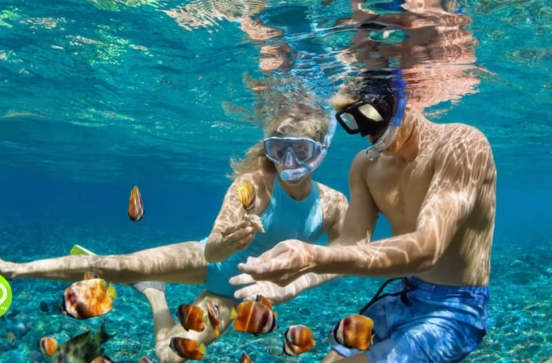
How to Plan Your Caribbean Snorkel Trip: A 7-Day Scenario
Let's make this concrete. Say you have a week. Here's how a savvy snorkeler plans vs. a rookie.
Destination Choice: You're a family with young teens. You want a mix of easy shore snorkeling and one or two great boat trips. Providenciales, Turks & Caicos is your winner. Reliable conditions, easy shore access, and great boat operators.
Accommodation: Don't just book the fanciest resort. Look for a condo or villa in the Grace Bay area or around Turtle Cove. Why? You'll have a kitchen to save on meals, and you're a short drive from Smith's Reef and Coral Gardens. Many have pools for afternoon downtime.
The Itinerary:
- Day 1 (Arrival): Hit the grocery store. Settle in. Afternoon swim at Grace Bay Beach (more for the sand, snorkeling is minimal here).
- Day 2 (Shore Snorkel Test): Morning at Bight Reef (Coral Gardens). Calm, shallow. Test everyone's gear. Afternoon by the pool.
- Day 3 (Boat Trip 1 - Reef & Iguana): Book a half-day trip to Little Water Cay (Iguana Island) and a nearby reef. It's a nice combo of wildlife and snorkeling. Operators like Caicos Dream Tours are reliable.
- Day 4 (Explore & Smith's Reef): Rent a car. Drive to the other side of the island. Snorkel Smith's Reef in the morning. Have lunch at a local conch shack. Relax.
- Day 5 (Boat Trip 2 - The Big One): Full-day trip to Northwest Point or French Cay. This is for stronger swimmers—deeper water, bigger marine life (eagles rays, sharks). Not for the faint-hearted.
- Day 6 (Beach Day / Mangrove Kayak): Recovery day. Maybe a kayak tour through the mangroves (you can see baby sharks and rays).
- Day 7 (Last Dip): One last morning snorkel at your favorite spot, then depart.
The Unwritten Rules: Don't Be That Snorkeler
This is where experience talks. The reef is a living, fragile thing.
Never stand on coral. It might look like a rock. It's not. It's a colony of tiny animals. Your touch kills them. If you must stand, find bare sand. Practice floating horizontally with your fins up.
Wear reef-safe sunscreen. Chemicals like oxybenzone and octinoxate bleach and kill coral. It's banned in places like Hawaii and Key West. Use mineral-based sunscreens with zinc oxide or titanium dioxide. Better yet, wear a rash guard. It protects you from sun and scrapes, and protects the reef from your sunscreen.
Look, don't touch. Not the coral. Not the turtles (it's illegal and stresses them). Not the starfish. Not the conch. Observe with your eyes. Your camera is fine if you don't get in the creature's face.
Check your fin position. Wide, flutter kicks are the enemy near the reef. You'll stir up sand (smothering coral) and whack things. Practice a more controlled, from-the-hip kick with your fins deep in the water when you're near the bottom.
Your Questions, My Straight Answers
The real secret to Caribbean snorkeling isn't finding the one perfect spot. It's about preparation—good gear, realistic planning, and respectful curiosity. Do that, and any blue patch of water on the map can become your personal aquarium. Now go get your fins wet.
Reader Comments