Snorkeling in strong currents is a different beast. The thrill is undeniable—drifting over vibrant reefs, seeing pelagic fish you'd never find in calm lagoons. But that same power that brings the magic can turn your trip dangerous if you're wearing the wrong stuff. I've seen too many people with flimsy rental gear getting swept into situations they couldn't handle. Your everyday snorkeling kit just won't cut it. You need gear built for control, security, and endurance. This isn't about luxury; it's about safety and actually enjoying yourself instead of fighting the water every minute.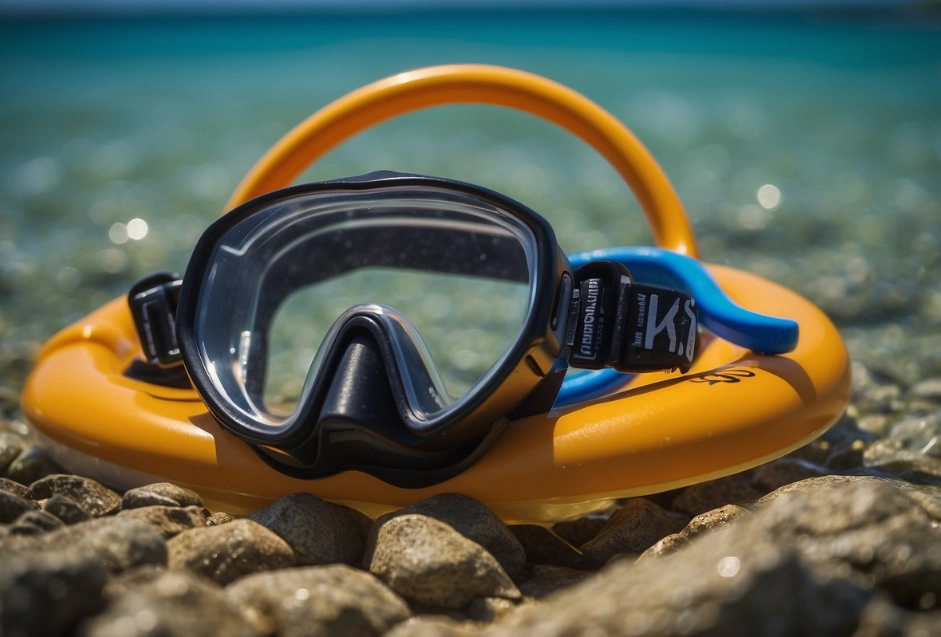
What You'll Find in This Guide
Why Strong Currents Demand Different Gear
Let's get specific about what "strong" means. A current moving at just 1 knot (about 1.15 mph) can sweep you 100 feet in one minute. You're not just floating anymore; you're a passenger on a moving sidewalk. Standard snorkeling gear fails here in subtle ways. A loosely fitting mask will flood the moment you turn your head against the flow. A floppy snorkel will constantly ship water. Soft, short fins become useless paddles, burning your legs without moving you an inch.
The goal shifts from leisurely observation to active swimming and positioning. Your gear must become an extension of your body, providing reliable propulsion, a clear view, and easy breathing without constant adjustment. Anything less is a liability.
The Core Gear Guide: Fins, Mask, Snorkel & More
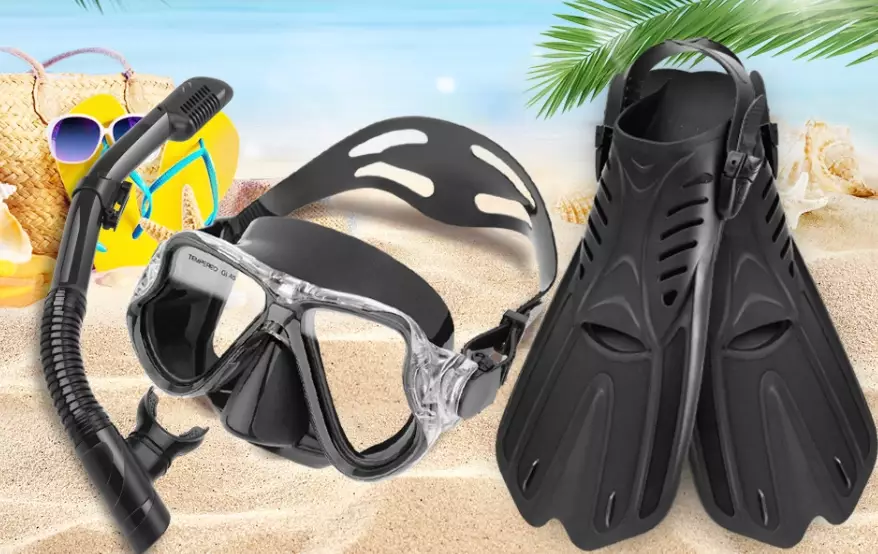
Forget the all-in-one sets. We're building a system. Here’s what each piece needs to do in a current.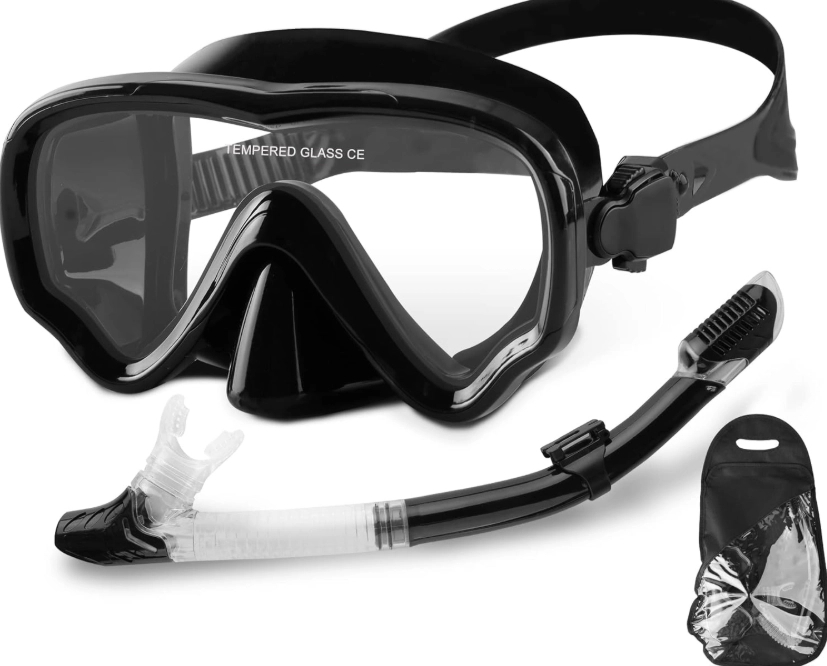
Fins: Your Primary Engine
This is your most important piece of kit. You need power and efficiency.
Blade Length & Stiffness: Look for fins that are at least 23 inches long. Longer blades move more water with each kick. They should have a firm flex—too soft, and energy dissipates; too stiff, and you'll cramp. A medium-stiff to stiff flex is ideal for transferring power in moving water.
Foot Pocket: A full-foot pocket is generally more efficient and comfortable for snorkeling, but it must fit perfectly. No heel slippage. If you need booties for rocky entries, get open-heel fins with adjustable straps. The key is no movement inside the pocket.
My go-to for years has been a blade-style fin with channels. The channels direct water flow, increasing thrust. Paddle fins work, but they require a faster kick cycle, which can tire you out quicker.
Mask: Your Secure Window
A leaking mask in a current is a nightmare. It breaks your rhythm, wastes energy, and causes panic.
Fit is Everything: The skirt must seal perfectly. Press the mask to your face without the strap, inhale slightly through your nose, and let go. It should stay suctioned for a few seconds. Pay attention to the bridge of your nose and under your eyes—common leak spots.
Double Strap & Wide Skirt: A double-feathered-edge silicone skirt conforms better. A dual headstrap is non-negotiable. It distributes pressure evenly, preventing the mask from being ripped sideways by water force. A low-volume design sits closer to your face, reduces drag, and is less likely to be knocked askew.
Snorkel: Your Clear Airway
When you're working hard, you need air, not mouthfuls of seawater.
Dry Top or Semi-Dry Top: A dry snorkel has a floating valve that seals the tube if it goes underwater. A semi-dry has a splash guard. In choppy, fast-moving water, I lean towards a reliable dry snorkel. The peace of mind is worth it. Ensure the purge valve at the bottom is large and easy to clear with a sharp exhale.
Flexible Tube & Mouthpiece: The tube should have a flexible lower section to move with your head, not fight it. The mouthpiece must be soft silicone and fit your jaw comfortably to avoid fatigue.
Buoyancy & Exposure Protection
This is where most casual snorkelers are dangerously under-equipped.
Inflatable Snorkeling Vest: Not a bulky life jacket. A slim, inflatable vest you wear deflated. If you get tired, need to adjust gear, or help a buddy, you orally inflate it for instant, hands-free buoyancy. It's a safety device that doesn't interfere with swimming. Look for one with a manual oral inflator and a backup CO2 cartridge.
Wetsuit or Rash Guard: Even in warm water, a 1-2mm neoprene shirt or full suit does three things: protects from sun/scrapes, provides slight buoyancy, and most importantly, retains body heat. Fighting a current burns calories and cools you down fast. Hypothermia sneaks up on you.
Extras That Aren't Extra
Gloves: Thin neoprene gloves. They protect your hands if you need to grab onto a rock (carefully!) to steady yourself in a surge zone.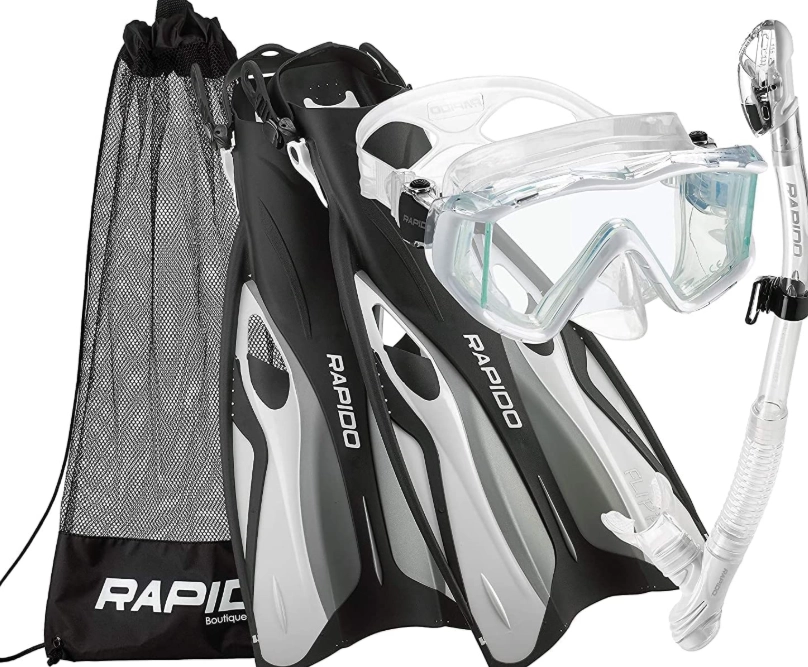
Surface Marker Buoy (SMB) or Dive Flag: Crucial for visibility to boats. In a current, you can drift far from your entry point quickly.
Whistle: Attached to your vest strap. The sound carries over wind and waves better than your voice.
| Gear Category | Key Features for Strong Currents | What to Avoid |
|---|---|---|
| Fins | Long blade (23"+), medium-stiff flex, secure full-foot or adjustable strap pocket. | Short/soft travel fins, loose foot pockets. |
| Mask | Perfect seal, dual headstrap, low-volume frame, tempered glass lens. | Single-strap masks, high-volume "viewfinder" masks. |
| Snorkel | Dry or semi-dry top, large purge valve, comfortable mouthpiece. | Simple J-tubes, hard plastic mouthpieces. |
| Buoyancy Aid | Inflatable snorkel vest, integrated whistle, manual/CO2 inflation. | Bulky Type II life jackets, no buoyancy aid at all. |
| Exposure | 1-2mm neoprene rash guard or shorty, UV protection. | Swimsuits only, no thermal protection. |
The Pre-Dive Gear Check & Donning Technique
How you put it on matters as much as what you put on.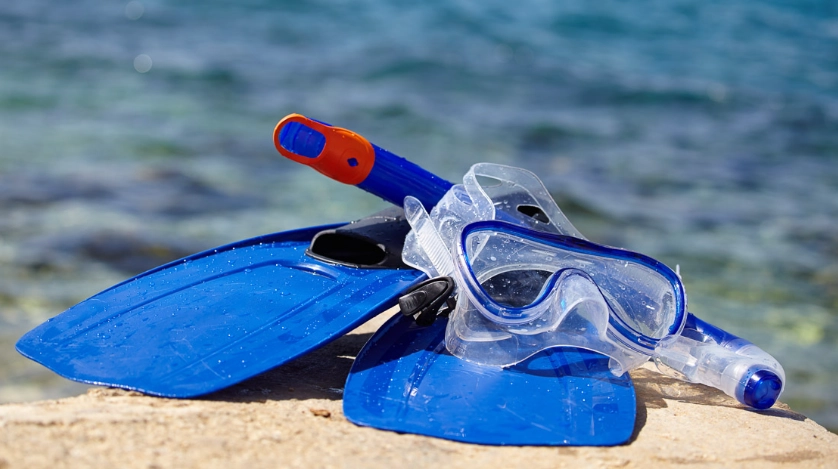
Mask Prep: Defog it properly. Use a dedicated solution or a tiny drop of baby shampoo (rinsed well). Lick-and-rinse often fails in saltwater. Adjust the straps so they sit high on the back of your head, not around your ears. The top strap should be tighter than the bottom for a secure seal.
Fin Donning: Wet your feet and the foot pockets. Sit down to put them on. If using open-heel fins with boots, ensure the strap is tight enough that the fin doesn't wobble. You shouldn't be able to pull the fin off by tugging the heel.
Vest Check: Before entering, orally inflate the vest to check for leaks. Deflate it fully. Attach your whistle and ensure the CO2 cartridge (if present) is armed and not corroded.
Do a final buddy check. Look at each other's gear. Is the mask strap twisted? Is a fin strap dangling? It takes 30 seconds and catches the small stuff that causes big problems.
Reading the Environment & Risk Assessment
The best gear is useless if you misread the conditions.
Reading Water Movement: Look for surface lines of foam or debris moving in a consistent direction. Observe the angle of sea grass or soft corals on the bottom—they point with the current. Talk to local dive shops or consult resources like the NOAA Ocean Service for regional current patterns. They have the local knowledge you need.
Planning Your Swim: Never fight a current head-on to return to your start point. The standard rule: swim across the current or go with it. Plan a drift snorkel. Have a boat or a pre-arranged pickup point downstream. Always know your exit point before you get in.
When to Call It: If the current is stronger than expected, if your gear isn't feeling 100%, or if you're just not feeling confident—get out. There's no shame in it. The ocean will be there another day. I've turned back from more dives than I can count, and I've never regretted a single one of those decisions.
Your Common Questions, Answered
 Should I wear a life jacket for snorkeling in currents?
Reader Comments