Let's cut to the chase. Palawan isn't just a good place to snorkel; for many, it's the holy grail. I've lost count of the times I've dipped my mask below the surface here and had my breath literally taken away—not by the water, but by the sheer density of life. We're talking about a province that houses two UNESCO World Heritage Sites (Tubbataha Reefs and the Puerto Princesa Underground River) primarily for its natural wonders. The snorkeling here isn't an activity; it's the main event.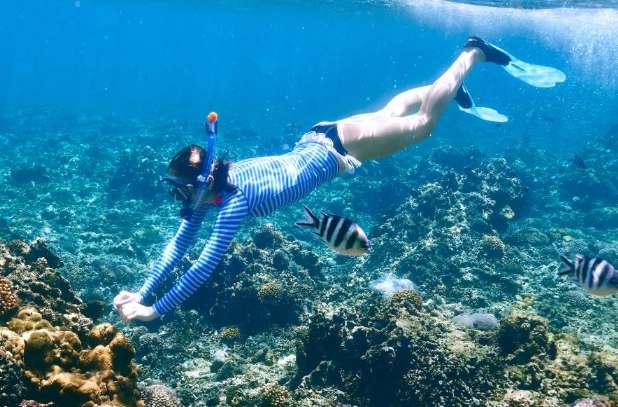
But here's the thing most generic guides miss: Palawan is huge. Saying "go snorkeling in Palawan" is like saying "go eat in Italy." Where you go dictates everything—the marine life you'll see, the type of tour you'll need, and even the best time to visit. Getting it wrong can mean joining a flotilla of 50 other boats at an overcrowded site. Getting it right feels like discovering a secret aquarium.
Your Palawan Snorkeling Jumpstart
Where to Snorkel in Palawan: Top 3 Destinations
Forget trying to see it all. Focus your energy on one of these three core hubs. Each has a distinct personality underwater.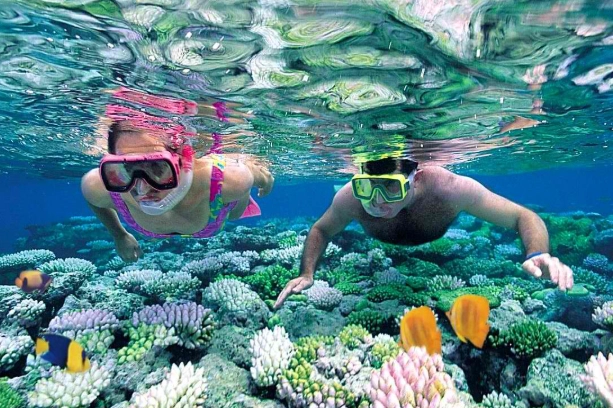
| Destination | Best For | Signature Experience | Tour Starting Point / Price Range | Key Consideration |
|---|---|---|---|---|
| El Nido, Bacuit Archipelago | Dramatic limestone scenery above and below water, diverse sites. | Snorkeling in hidden lagoons with jackfish swarms, exploring secret beaches. | Tours depart from El Nido town. Standard group tours (Tour A, C) cost ~PHP 1,200-1,500 ($21-$27). | Can get very crowded. Opt for early starts or private tours to beat the masses. |
| Coron, Busuanga | Unique WWII wreck snorkeling, stunning coral gardens, and cleaner waters. | Peering into sunken Japanese warships like the Lusong Gunboat, snorkeling over Skeleton Reef. | Tours depart from Coron town. Group island tours cost ~PHP 1,500-1,800 ($27-$32). Wreck tours are specialized. | Less beach-focused, more about the snorkeling sites themselves. The town is more rustic. |
| Honda Bay, Puerto Princesa | Families, beginners, and those short on time. Easy, accessible snorkeling. | Island-hopping to shallow, sandy islands like Starfish Island and Luli Island with decent reefs. | Tours depart from Puerto Princesa. Standard day tours cost ~PHP 1,200-1,500 ($21-$27) including lunch. | The coral isn't as pristine as El Nido or Coron, but it's reliable, calm, and convenient. |
El Nido's Underwater Landscape
Tour A is the classic. You'll hit Big Lagoon, Small Lagoon, Shimizu Island, and Secret Lagoon. The snorkeling at Shimizu Island is consistently excellent—expect healthy staghorn coral colonies and massive schools of sardines. My pro-tip? On Seven Commando Beach, skip the first crowded stretch of sand. Walk five minutes to the far end. You'll often find yourself alone, able to wade in and snorkel right off the beach with no one around.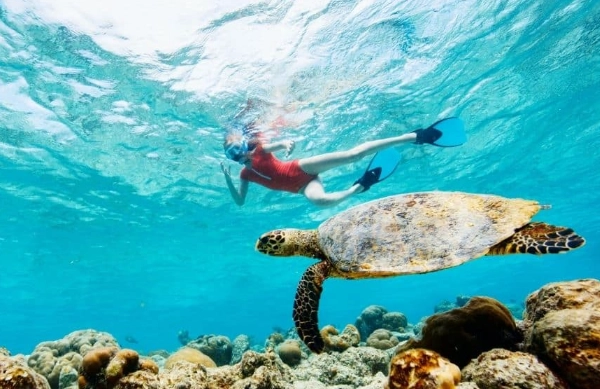
The real magic, though, is on Tour C. Matinloc Shrine and Hidden Beach offer good snorkeling, but Helicopter Island is the star. The long sandbar gives way to a sloping reef teeming with life. I've seen turtles here more consistently than anywhere else in El Nido. A common mistake is staying too close to the boat drop-off. Swim along the reef edge towards the rocky headland for a better chance of spotting bigger fish.
Coron's Wrecks and Reefs
Coron's water clarity often beats El Nido's. The top-tier snorkeling sites aren't on the standard "Island Tour." You need a tour that specifically includes the wrecks and Barracuda Lake.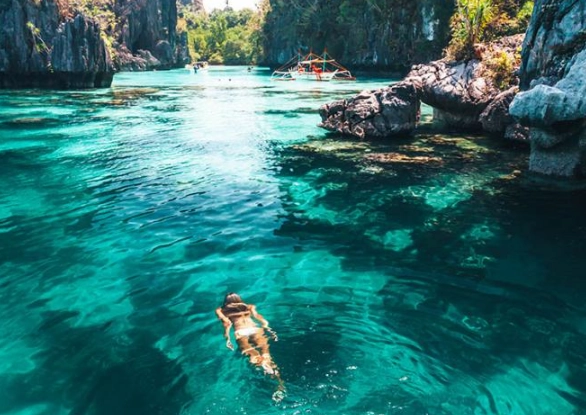
The Lusong Gunboat wreck sits in just 10-15 feet of water. You don't even need to dive down to see coral-encrusted guns and the ship's structure. Fish life here is phenomenal. Skeleton Reef (or Twin Lagoon) is another must. It's a vibrant coral garden in a protected cove. The biodiversity is staggering—from tiny nudibranchs to cruising trevallies.
Here's a non-consensus point: many are scared off by Barracuda Lake's thermocline (a sudden shift from warm to very cold water). It's weird, but it's safe. The real issue is that the lake itself has little marine life. It's a geological curiosity, not a snorkeling hotspot. Don't let a tour sell it as the main snorkel event.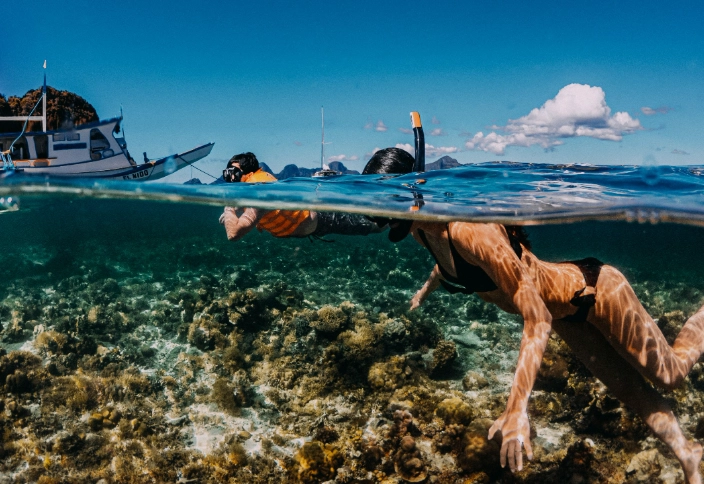
Honda Bay's Accessible Fun
Honda Bay is your plug-and-play option. Boats leave from Sta. Lourdes Wharf (about a 30-minute tricycle ride from Puerto Princesa city center). You'll pay an environmental fee (PHP 150) and boat fee on top of your tour package.
Luli Island (Lulubog, Lumilitaw, meaning "sinks and appears") has a decent house reef right off its disappearing sandbar. Cowrie Island is smaller and more laid-back. The snorkeling is fine for beginners—mostly hardy soft corals and common reef fish. It won't blow the mind of an experienced diver, but for a first-timer or a family with kids, it's perfect, safe, and hassle-free.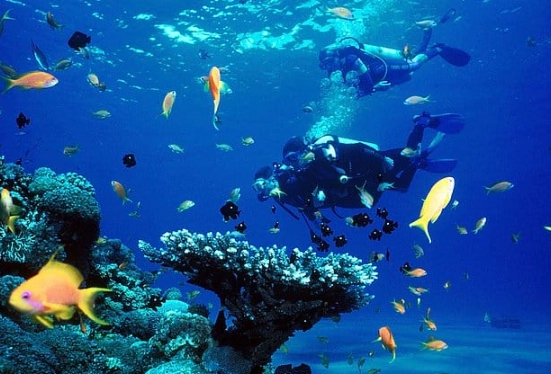
How to Plan Your Palawan Snorkeling Trip
First, decide on your base. You cannot day-trip between Coron and El Nido; the ferry takes 4-5 hours. Most people choose one or the other, or split their stay. Puerto Princesa (for Honda Bay) is often the flight gateway, so a day there at the start or end is easy.
Logistics: Book your first tour online for peace of mind. Once there, you'll find a hundred operators along the main streets. Haggling is expected for walk-ins, especially if you're booking multiple trips. Always confirm what's included: entrance fees, environmental fees, lunch, snorkel gear, and life vest. The cheap PHP 800 offer usually excludes all fees, making it the same price as the transparent PHP 1,500 offer.
How to Choose the Right Snorkeling Tour in Palawan?
Look beyond the price and the glossy photo of a turtle.
Ask these questions:
"What time does the boat leave?" (Earlier is better to avoid crowds).
"How many people will be on the boat?" (Traditional bancas fit 20-25; smaller boats of 8-12 offer a better experience).
"Which specific sites are on the itinerary?" (Compare across operators).
"Is the guide a certified snorkel/dive guide?" (Many are just boatmen).
The big operators like El Nido Tours are reliable. But I've had my best days with small, local outfits found through guesthouse recommendations. They're more flexible—if a site is crowded, they might suggest an alternative.
What Are the Best Months for Snorkeling in Palawan?
The dry season, roughly November to May, is prime time. Seas are calm, skies are clear, and underwater visibility can exceed 30 meters (100 feet).
March to May is summer—hot and busy. The water is like a bath. November to February is cooler, with occasional amihan (northeast wind) breezes that can make sea crossings choppier, but the sites themselves are usually protected.
The rainy season (June-October) isn't an automatic no-go. There are often stretches of good weather. The downsides are reduced visibility from runoff and a higher chance of trip cancellations due to storms. The upside? You'll have the sites almost to yourself. I snorkeled Coron in September once and didn't see another tourist boat all day. The trade-off was worth it.
For authoritative weather and sea condition updates, checking the Philippine Atmospheric, Geophysical and Astronomical Services Administration (PAGASA) website is wise before finalizing plans in the shoulder season.
Essential Gear and Safety Tips
Most tours provide basic gear: a often-foggy mask, a simple snorkel, and short fins. It works, but it's mediocre.
Bring your own mask. A mask that fits perfectly is the single biggest upgrade to your experience. Test it before you travel—press it to your face without the strap, inhale slightly through your nose. It should stay suctioned on. If you're serious, bring a dry-top snorkel. Fins are less critical, but if you have room, full-foot pockets are better than the adjustable heel straps usually provided.
Safety is non-negotiable.
Always wear a life vest, even if you're a strong swimmer. Currents around islands can be unpredictable. The vest also saves your energy, letting you snorkel for hours.
Reef-safe sunscreen is a must. Chemicals like oxybenzone bleach and kill coral. Many sites now ban non-reef-safe lotions. Use mineral-based zinc oxide or titanium dioxide sunscreen, and wear a rash guard for the best protection.
Don't touch anything. Not the coral, not the turtles, not the starfish. Buoyancy control is hard with just fins. Keep a respectful distance. A careless kick can destroy coral that took decades to grow.
Hydrate relentlessly. Snorkeling in the sun is dehydrating. Drink water constantly, even if you're in the water.
Respecting the reef is paramount. Organizations like the World Wide Fund for Nature (WWF) Philippines work extensively on marine conservation in the area, including the protection of the Tubbataha Reefs.
Your Snorkeling Questions, Answered
Is snorkeling in Honda Bay suitable for complete beginners who aren't strong swimmers?
Can I see sharks and turtles while snorkeling in El Nido or Coron?
What's the one mistake most first-time snorkelers in Palawan make?
Are private snorkeling tours in Palawan worth the extra cost?
How do I protect my belongings on the boat during a snorkeling tour?
Reader Comments