You're packing for a trip to Hawaii or maybe the Maldives. You've got your mask, your snorkel, maybe a rash guard. Then you look at your fins. They're the ones you bought a decade ago on sale, or maybe you're renting. But have you ever stopped to think about the actual blade?
Most snorkelers don't. They see fins as simple paddles for your feet. Big mistake.
The blade type is the engine of your fin. Get it wrong, and you'll be that person lagging behind the group, legs burning after 20 minutes, kicking furiously but going nowhere fast. Get it right, and you glide effortlessly, covering more reef with less effort, saving your energy for the breathtaking views.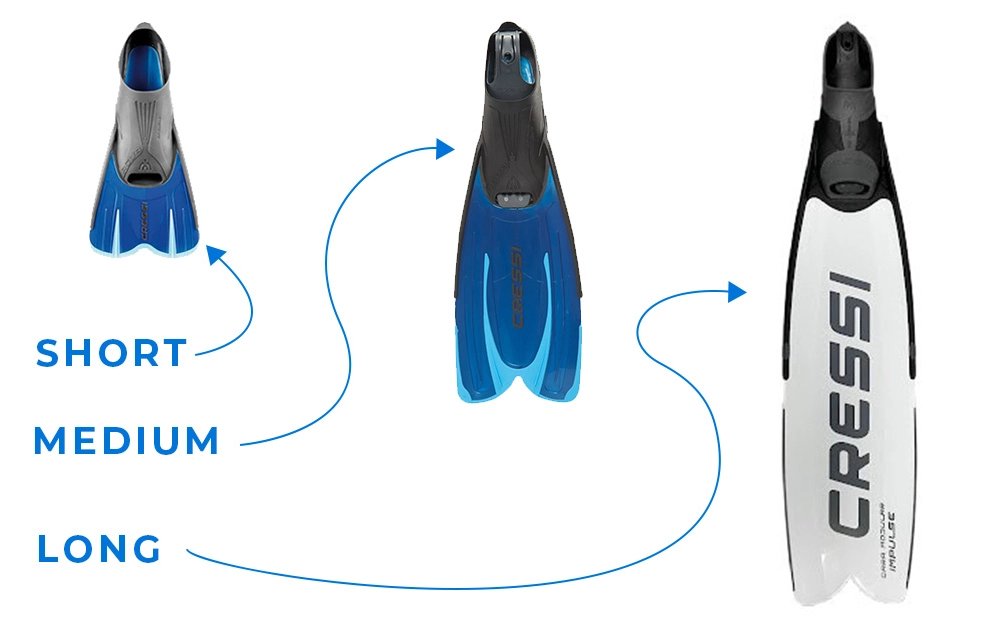
I learned this the hard way. On my first major snorkel trip to Belize, I brought long, stiff blades because a dive shop employee said "more power." In the strong Caribbean current, I fought my own fins more than the water. My calves cramped so badly I had to float on my back for ten minutes. It ruined the dive.
Let's break down the real differences between snorkeling fin blade types so you never make that mistake.
What You'll Discover
- The Core Principle: It's All About Flex
- Long Blade Fins: The Powerhouses
- Short Blade Fins: The Agile Cruisers
- Medium Blade Fins: The Goldilocks Zone
- A Quick Word on Split Fins vs. Solid Blades
- How to Choose: Your Personal Snorkeling Profile
- Expert Tips & Common Pitfalls
- Your Fin Blade Questions, Answered
The Core Principle: It's All About Flex
Forget just length. The most critical factor is blade stiffness (or flex). This determines how much energy you put in versus how much thrust you get out.
A stiffer blade resists bending. It stores more energy during the upbeat of your kick and releases it powerfully on the downbeat. More thrust per kick, but it demands more leg strength.
A more flexible blade bends easily. It requires less effort to kick, which feels easier on your muscles, but you get less "pop" from each stroke. You'll need a faster kick tempo to move the same distance.
Length interacts with stiffness. A long, flexible blade can feel sloppy. A short, stiff blade can feel like a brick. The magic is in the combination.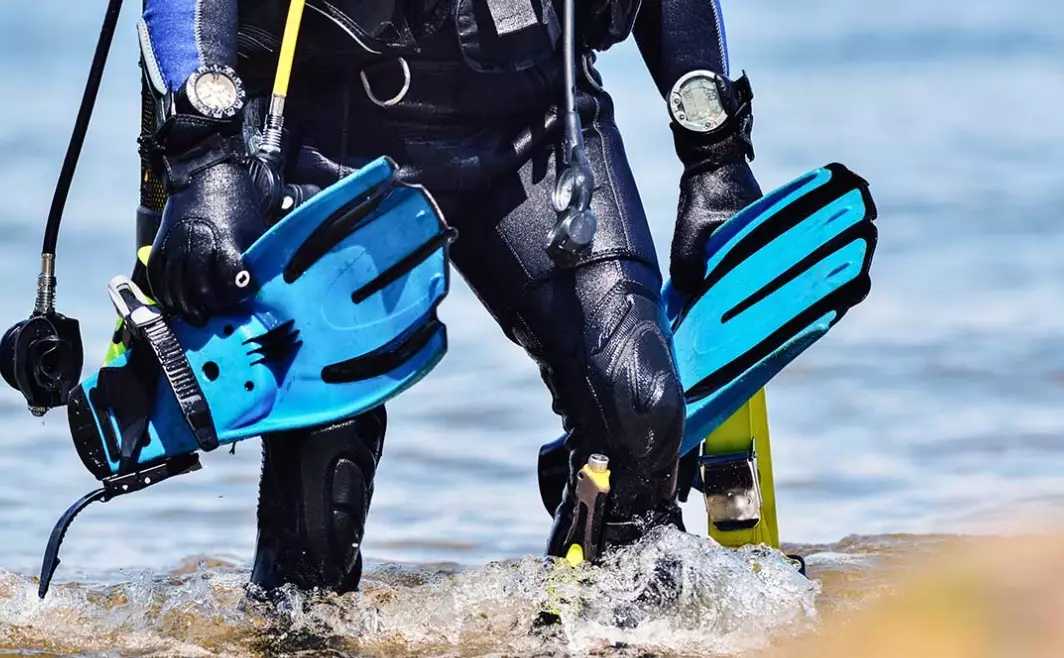
Long Blade Fins: The Powerhouses
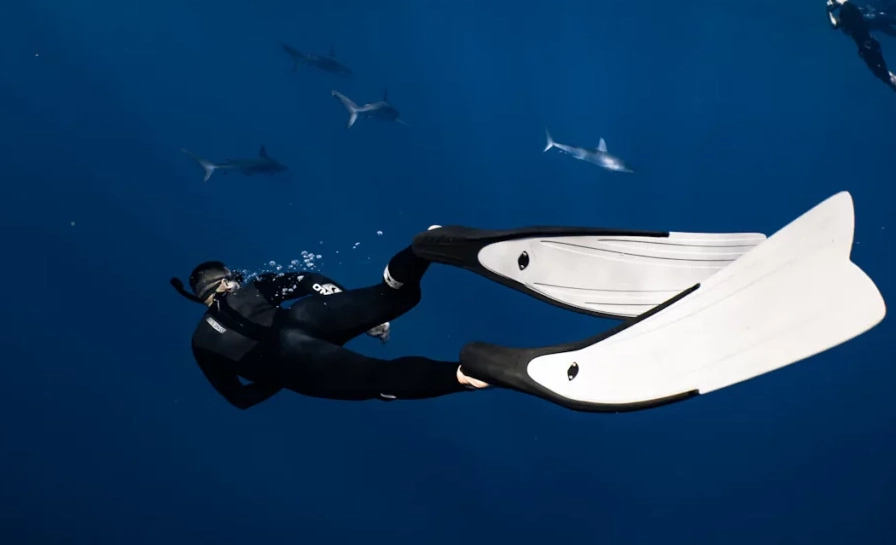
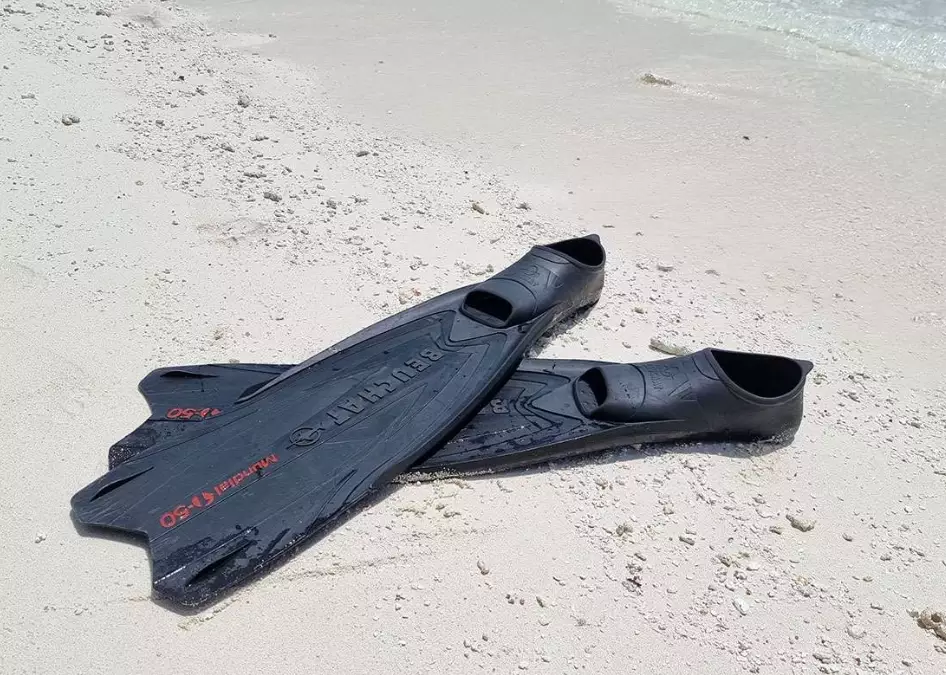
These are the classic, often seen in old Jacques Cousteau documentaries. Blades significantly longer than your foot.
How They Work & Who They're For
Long blades move a lot of water with each slow, powerful kick. They are incredibly efficient for strong swimmers, divers carrying weight, or anyone needing to cover long distances in open water. They excel in strong currents where you need maximum thrust to hold position.
But there's a massive catch.
They require excellent technique – a full leg kick from the hip, not a wobbly knee-bend. If your technique is poor, you waste energy. They also demand strong leg and core muscles. For the average weekend snorkeler, they're often overkill and lead to fatigue.
Best for: Experienced snorkelers with strong legs, free divers, those snorkeling in consistently challenging conditions (e.g., channel crossings, drift snorkels).
Think twice if: You're a beginner, have knee or ankle issues, mostly snorkel in calm, shallow bays, or travel with carry-on luggage only (these never fit).
Short Blade Fins: The Agile Cruisers
Short, often wider blades, sometimes called "travel fins" or "recreational fins." They've exploded in popularity for good reason.
How They Work & Who They're For
The short length allows for a very fast, compact flutter kick. This is less taxing on your legs, especially your calves. The big win? Maneuverability. In tight spaces around coral reefs, navigating through rock formations, or simply not kicking your snorkel buddy, short blades give you precise control.
They are also the undisputed champions of travel. They pack easily.
The trade-off is top-end speed and power. You won't win any races, and in a strong current, you might feel like you're running on a treadmill. Their efficiency comes from a high kick rate, which can sometimes feel frantic.
Best for: Beginners, travelers, snorkelers in confined reef areas, anyone with limited leg strength or joint concerns, kids.
Think twice if: You frequently encounter strong currents, want to cover vast stretches of open water quickly, or have a very powerful kick that might "overpower" a short blade.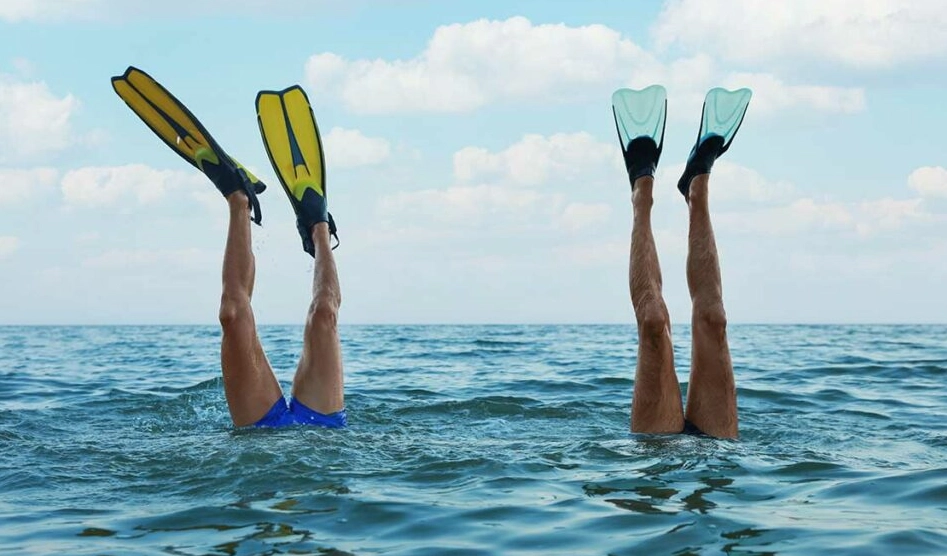
Medium Blade Fins: The Goldilocks Zone
This is where I recommend most snorkelers start looking. Medium-length blades offer the best balance of power, efficiency, and forgiveness.
How They Work & Who They're For
They provide noticeably more thrust than short blades without demanding the athleticism of long blades. The kick feels natural – not too fast, not too slow. You get decent speed for exploring, enough power to handle a mild current, and they're still reasonably packable.
For the vast majority of recreational snorkeling – think calm bays, reef lagoons, resort areas – a medium blade is the perfect tool. It's the versatile workhorse.
My personal go-to fin for 80% of my trips is a medium-length blade with a moderate stiffness. It handles the occasional surprise current in Cozumel, lets me cruise effortlessly along the reefs in Fiji, and doesn't exhaust me after a three-hour session.
Best for: The majority of recreational snorkelers, those who want one reliable fin for various conditions, intermediate swimmers.
A Quick Word on Split Fins vs. Solid Blades
You'll see fins where the blade is split down the middle. The theory is brilliant: as you kick, water flows through the split, creating a vortex that propels you forward with less effort. It's like a propeller versus a paddle.
The reality? Split fins are incredibly efficient for a straight-line, flutter kick. They drastically reduce fatigue. I know snorkelers with bad knees who swear by them.
But they have two potential downsides for snorkelers. First, they often lack the instant, brute-force thrust for quick maneuvers or fighting a current. Second, if your kick technique is sloppy (like a bicycle kick), they can feel unstable. They reward good form.
They're a fantastic choice for calm water efficiency, but test them before you commit to see if you like the feel.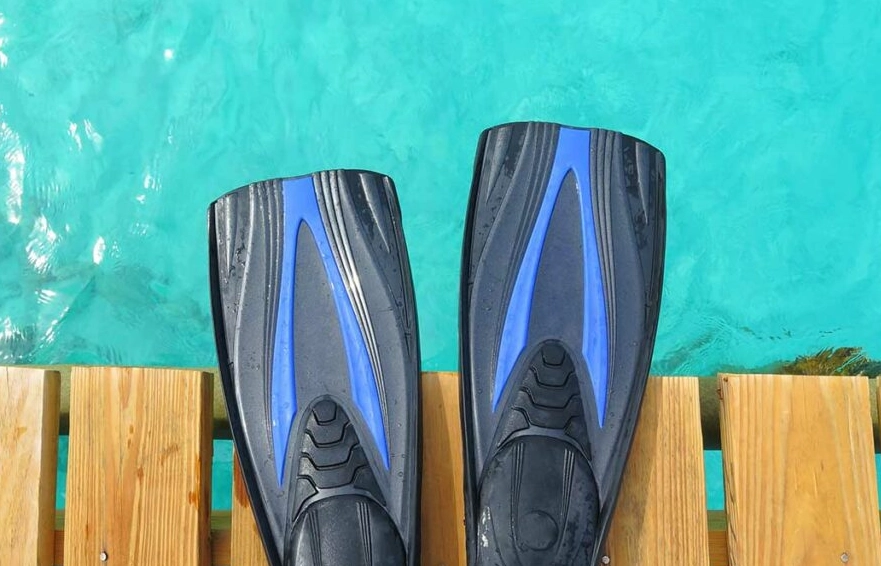
How to Choose: Your Personal Snorkeling Profile
Don't just buy the prettiest color. Ask yourself these questions:
- Where will I snorkel most? Calm Caribbean coves? The currents of Palau? Your local quarry? Match the blade to the water.
- What's my fitness level? Be brutally honest. Strong cyclist or runner? You can handle more blade. Desk job with occasional gym visits? Lean towards medium or short.
- How do I travel? Carry-on warrior? Short blades are your friend. Checking a dive bag? You have more options.
- What's my snorkeling style? Are you a "float and look" person or a "cover every inch of the reef" explorer?
| Blade Type | Best For This Snorkeler... | Potential Drawback |
|---|---|---|
| Long Blade | The strong, experienced snorkeler tackling currents and open water. | Can cause fatigue and cramping for the unprepared; poor technique is punished. |
| Medium Blade | The all-rounder who snorkels in varied conditions and wants a reliable, do-it-all fin. | Might not be specialized enough for extreme conditions (very strong currents or very tight spaces). |
| Short Blade | The traveler, beginner, or reef explorer who values maneuverability and ease of use. | Lacks power for fighting currents; may require a faster kick rate for speed. |
The table gives you a snapshot, but the foot pocket comfort is just as important as the blade. A blister after 10 minutes ruins everything, regardless of blade technology. Always try fins on with the socks you'll wear.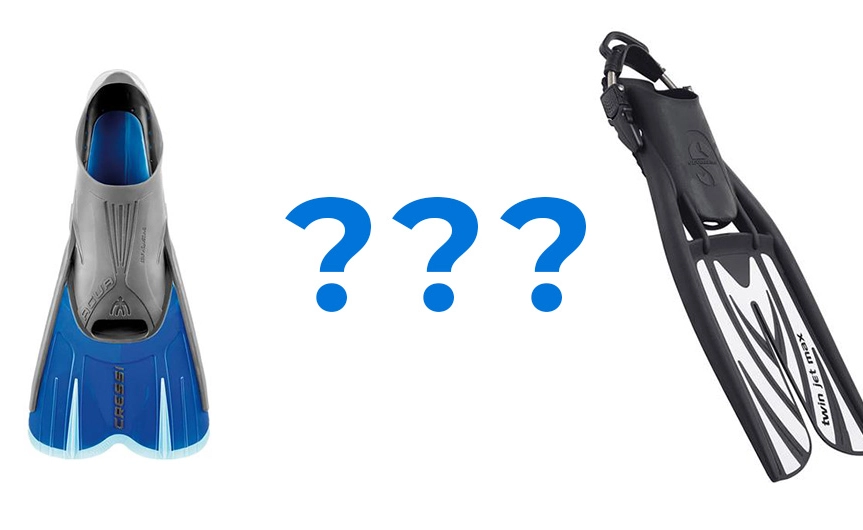
Expert Tips & Common Pitfalls
Here's the stuff you won't find on the product box, learned from guiding trips and making every mistake myself.
The Stiffness Trap: Manufacturers rarely label stiffness. You have to feel it. In the store, hold the fin by the foot pocket and try to bend the blade. If it barely moves, it's stiff. If it flaps easily, it's flexible. For most, aim for the middle. A slightly softer flex is more forgiving than a slightly stiffer one.
The "Longer is Better" Myth: This is the biggest misconception. More length only helps if you have the strength and technique to load the blade. Otherwise, it's just dragging extra plastic through the water. I've seen more people struggle with overly long fins than with short ones.
Consider the Environment: In delicate coral reef areas, a shorter, more controlled fin is not just good for you, it's good for the reef. You're less likely to accidentally kick and break coral. Organizations like the Reef Environmental Education Foundation (REEF) emphasize buoyancy and fin control for conservation.
Rent vs. Buy: If you snorkel once every two years on a resort vacation, renting is fine. But if you go more often, your own fins that fit perfectly and match your style will transform the experience. Rental fins are often cheap, overly stiff, and beaten up.
Your Fin Blade Questions, Answered
 Can I use the same fins for snorkeling and scuba diving?
 The right fin blade won't just make you a better snorkeler; it'll make the entire experience more enjoyable. You'll see more, tire less, and protect the underwater world you came to see. It's the single most impactful gear choice after your mask. Choose wisely, and the ocean will feel a whole lot friendlier.
Reader Comments