I still remember the first time. Hovering weightless over a coral garden in Hawaii, my breath caught in my snorkel. A massive green sea turtle, its shell a mosaic of mossy greens and browns, glided directly beneath me. It didn't rush. It didn't seem to notice me at all. It was just there, a living relic moving with a grace that felt ancient. That moment, more than any postcard-perfect beach, is why people seek out snorkeling with turtles. It's a connection to the ocean's quiet heartbeat. But here's the thing most guides don't tell you: doing it right—for you and for the turtle—requires more than just jumping in the water.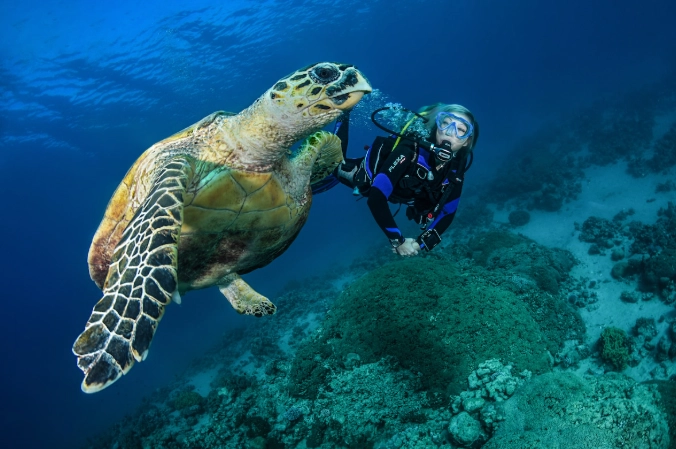
This isn't just a list of places. It's a manual from someone who's made the mistakes so you don't have to. We'll cover where to go, how to prepare, and the nuanced etiquette that separates a respectful observer from a disruptive tourist.
Your Quick Guide to Turtle Snorkeling
Where to Find Turtles: Top Global Destinations
Sea turtles are found in tropical and subtropical waters worldwide, but some spots offer near-guaranteed sightings with incredible backdrops. Your choice depends on what kind of experience you want: a easy beach entry or a boat-accessed reef, solitude or reliable action.
| Destination | Turtle Species | Type of Spot & Key Info | Best For |
|---|---|---|---|
| Oahu's North Shore, Hawaii (Laniakea Beach & nearby bays) | Green Sea Turtles (Honu) | Shallow reef & beach. Turtles often bask on shore. No swimming at Laniakea—view from sand. Snorkel at nearby Waimea Bay or Sharks Cove (calm summer months only). Free. Park along Kam Hwy. | Guaranteed viewing (on land), families, beginners who don't want to swim far. |
| Kealakekua Bay, Big Island, Hawaii | Green Sea Turtles | Marine Life Conservation District. Clear water, historic site. Entry via Captain Cook Monument trail (steep hike) or kayak/boat tour from Napo'opo'o Wharf. State park, no entry fee for water access. | Combining history with snorkeling, clear water, active reef. |
| Molokini Crater, Maui, Hawaii | Green Sea Turtles | Submerged volcanic crater, boat access only. Half-day tours from Maalaea or Kihei harbors ($80-$120). Deep, incredibly clear water (100+ ft visibility). | Serious snorkelers, pelagic (open water) experience, pristine conditions. |
| Akumal Bay, Mexico | Green Sea Turtles | Shallow, protected bay with seagrass beds. You must go with a certified guide since 2017. Small fee for guide ensures rules are followed. Easy swim from shore. | Beginners, shallow water, structured & educational experience. |
| Gili Islands, Indonesia | Green & Hawksbill | Famous "Turtle Point" between Gili Meno & Gili Air. Access by local boat taxi or snorkel tour. Also found around the islands' jetties. Very relaxed, low-key vibe. | Budget travelers, backpackers, combining with island-hopping. |
| Lady Elliot Island, Australia | Green & Loggerhead | Southern Great Barrier Reef. Eco-resort island. Snorkel straight off the beach. Seasonal (Nov-Mar) turtle hatching tours. Requires flight from Bundaberg or Hervey Bay. | Eco-conscious travelers, all-inclusive reef experience, seeing hatchlings. |
A quick note on the "best" spot: if you're a nervous swimmer, pick Akumal or Hawaii's basking beaches. If you crave adventure, go for Molokini or the Gilis. There's no single answer.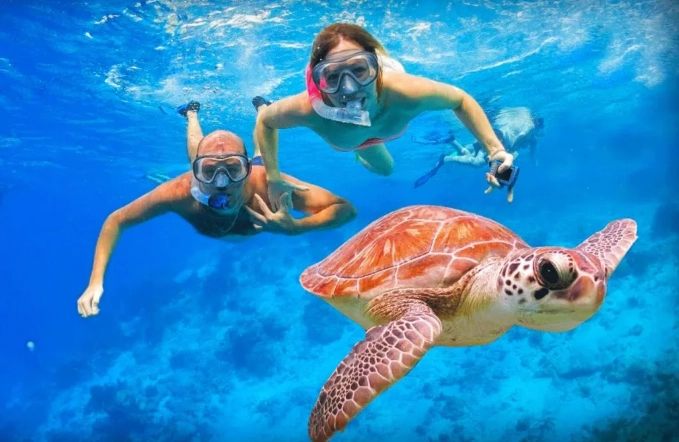
How to Prepare for Your Turtle Snorkeling Adventure
Good preparation turns a good day into a great one. It's not just about the gear; it's about your comfort and confidence in the water.
Gear You Actually Need (And What to Skip)
Renting is fine, but a good mask that fits your face is worth its weight in gold. Foggy, leaking masks ruin the experience. Test the seal by placing it on your face without the strap and inhaling slightly through your nose—it should stay put. Don't cheap out here.
Essential Kit:
- Mask & Snorkel: Look for a silicone skirt (softer seal) and a dry-top snorkel (has a valve to stop water entering when submerged).
- Fins: Open-heel fins with adjustable straps are more versatile and comfortable than full-foot fins for most adults.
- Rash Guard: This is non-negotiable. A long-sleeve rash guard protects your back from sunburn without needing constant sunscreen reapplication. It also prevents minor scrapes on coral. Get one with a high UPF rating (50+).
- Reef-Safe Sunscreen: Mineral-based (zinc oxide/titanium dioxide). Apply 30 mins before entering the water. Brands like Stream2Sea or Badger are reliable.
What to Skip: Full-face snorkel masks. While popular, they have a higher risk of CO2 buildup and can be dangerous if you panic. They also make it harder to equalize your ears if you dive down slightly. Traditional gear is safer and endorsed by professionals.
Skills to Practice Before You Go
If you haven't snorkeled in a while, find a calm swimming pool. Practice breathing slowly and deeply through the snorkel. Get used to the sound of your breath. Practice clearing your snorkel of water with a sharp exhale. The more automatic these actions are, the more you can relax and focus on the turtles, not your equipment.
The Non-Negotiable Guide to Turtle Etiquette & Safety
This is the most important section. Turtles are protected under laws like the U.S. Endangered Species Act. Your behavior directly impacts their well-being.
How Close Can You Get to a Sea Turtle?
The rule is simple: let the turtle control the distance. Official guidelines, like those from the NOAA and the Hawaii Department of Land and Natural Resources (DLNR), recommend staying at least 10 feet (3 meters) away.
But here's the expert nuance: that's a minimum. If a turtle is swimming toward you, hold your position or move sideways, not backward. Backing up often leads you right into its path. If it chooses to come within 5 feet of you while it's grazing, that's fine—as long as you are passive and calm. The violation is you moving to within 5 feet of it.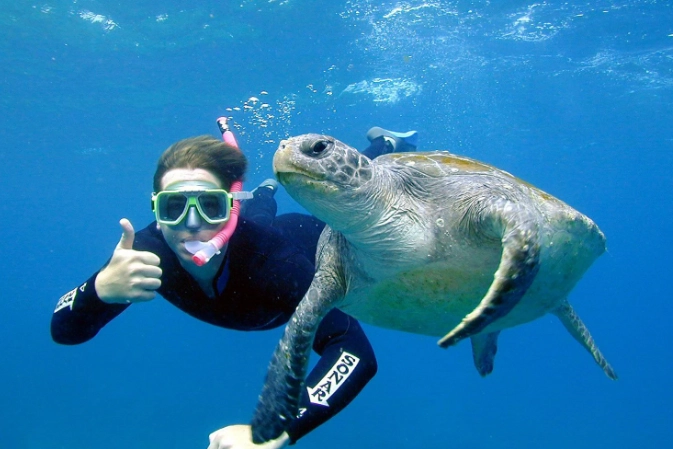
The Absolute "Do Not" List
- DO NOT TOUCH. Ever. Their shells have living tissue. You can remove their protective biofilm, making them susceptible to infection.
- DO NOT FEED. It changes their natural behavior and diet.
- DO NOT CHASE OR CORNER. You will scare them, causing them to expend energy needed for migration and survival.
- DO NOT BLOCK THEIR PATH TO THE SURFACE. They need to breathe. If you see one swimming upward, get out of the way.
- DO NOT USE FLASH PHOTOGRAPHY. It can startle and disorient them.
I've seen people break these rules, often for a selfie. It's heartbreaking. A stressed turtle will bolt, and you've just ruined the chance for the next ten snorkelers to have a magical moment.
When to Go & How to Capture the Moment
Timing: Early morning is king. The water is typically calmer, the sun is at a better angle for visibility (less glare), and—crucially—there are fewer people. Turtles are often more active in the morning. Aim to be in the water within two hours of sunrise. Late afternoons can also be good, but mornings are consistently more reliable for serenity.
Photography: Leave the selfie stick on land. Use a waterproof camera or a housing for your phone. Set it to video mode or burst photo mode. It's easier to get a good frame from a video still than to nail the perfect photo while managing buoyancy. Get close to the reef or sand (without touching it) to stabilize yourself. Then, point and let the turtle swim into the frame. Patience yields the best shots, not pursuit.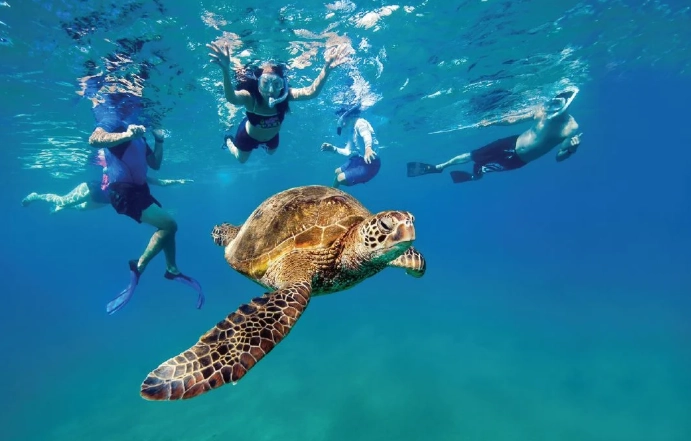
Your Turtle Snorkeling Questions, Answered
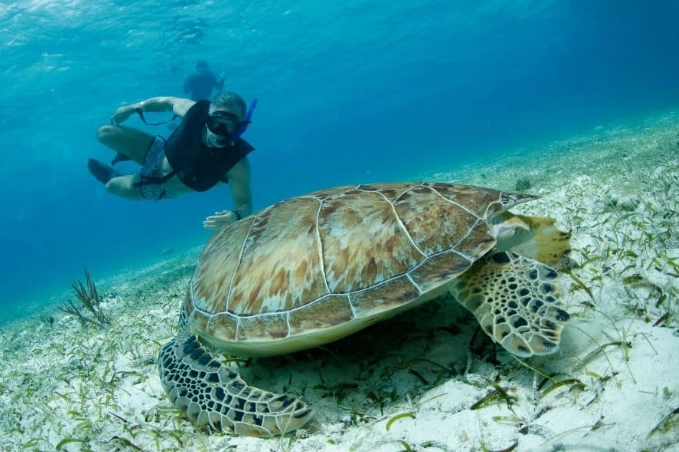 Snorkeling with turtles isn't just an activity; it's a privilege. With the right preparation, respect, and a bit of patience, you'll give yourself the best chance to share the water with these ancient mariners. You'll come away with more than photos—you'll have a story about the time you floated, quietly, in the presence of wild wonder.
Now go find your spot, check your gear, and remember: be a guest in their home.
Reader Comments