Quick Navigation
- Staying Healthy: It's More Than Just Sunscreen
- Personal Safety and Security: Staying Street Smart
- Marine and Wildlife Hazards: Respecting the Environment
- Environmental and Legal Sensitivities
- Cultural Etiquette and Social Norms
- Practical Money and Logistics Tips
- Common Questions Answered (The Stuff You're Really Wondering)
- Final Thoughts: A Mindset for Paradise
So you've seen the pictures. Powder-white sand, turquoise water, giant tortoises. Seychelles looks like a screensaver come to life. And it is. But let's be real for a second—no place on earth is a perfect, risk-free bubble. Paradise has its quirks, and knowing what to watch out for is what separates a stressful trip from the dream holiday you paid for.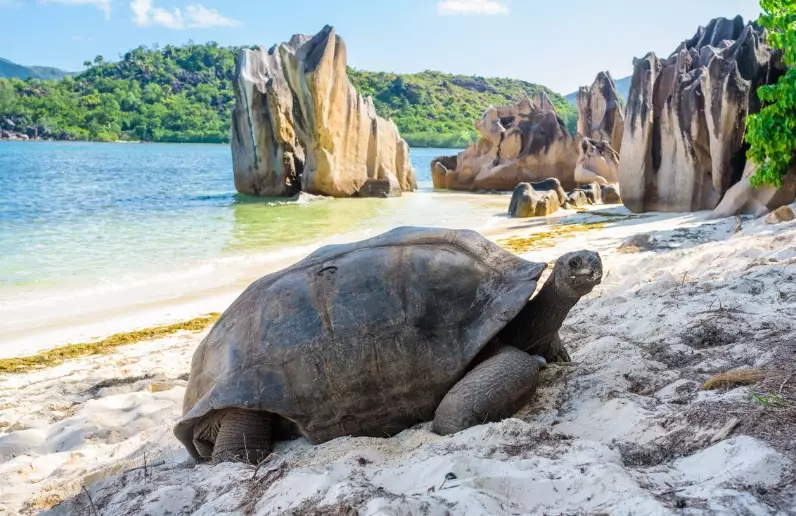
I've been there, talked to locals, made a few mistakes myself, and learned the hard way so you don't have to. This isn't a scare tactic; it's a practical heads-up. When you're asking yourself "what should I be careful of in Seychelles?", you're being smart. You're thinking about health, safety, your wallet, and respecting the place you're visiting. That's the right mindset.
This guide dives deep into all of it. We'll go beyond the generic "don't get sunburned" advice and talk about the stuff that actually catches travelers off guard. From medical prep you might not have considered to local laws that are easy to break unintentionally.
Bottom Line Up Front: Seychelles is overwhelmingly safe and welcoming. The precautions here are about fine-tuning your awareness, not instilling fear. Most visits are completely trouble-free, but being informed is your best travel insurance.
Staying Healthy: It's More Than Just Sunscreen
This is probably the biggest category when figuring out what to be careful of in Seychelles. The tropical climate is glorious but introduces health considerations you might not deal with back home.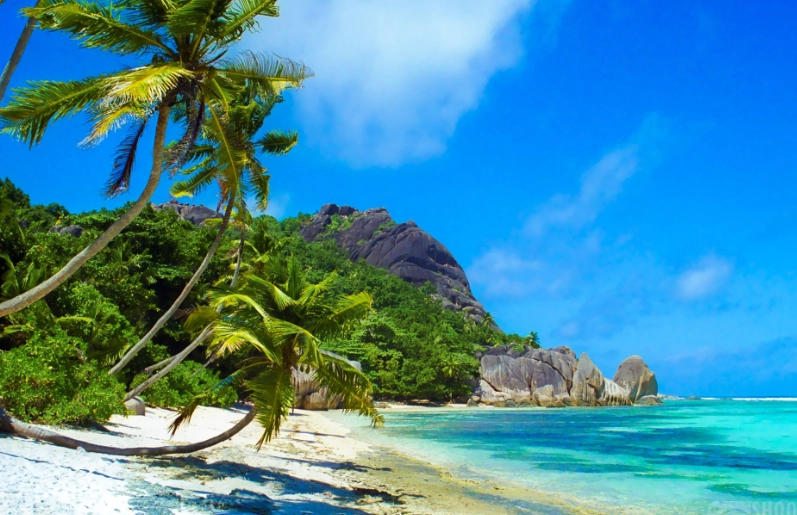
Mosquitoes and Vector-Borne Diseases
Let's talk mosquitoes. They're present year-round, but more active after rains. The primary concern here is dengue fever. There's no malaria, which is a relief, but dengue pops up in occasional outbreaks. There's no vaccine for it either, so prevention is 100% key.
What does that mean for you? Pack a strong, DEET-based insect repellent (30-50% DEET works well). Reapply it diligently, especially in the evenings. Many hotels provide mosquito nets or have well-screened rooms, but don't rely on that alone. Wearing long, light-colored clothing at dusk helps a ton. I made the mistake of skipping repellent for one evening beach stroll and paid for it with a dozen itchy bites—lesson learned.
Pro Tip: Check the latest health advisories for Seychelles before you travel. The World Health Organization (WHO) country page and the Seychelles Ministry of Health are authoritative sources for current disease alerts.
Sun, Sea, and Dehydration
The sun near the equator is intense. It's not your average summer sun. You can burn in under 15 minutes, especially between 10 am and 4 pm. High-factor, reef-safe sunscreen is non-negotiable. Apply it 30 minutes before going out and reapply every two hours, or immediately after swimming.
Dehydration and heat exhaustion creep up on you. You're having fun, sipping cocktails (which dehydrate you), and not drinking enough water. Carry a reusable water bottle. Tap water in most parts of Mahé and Praslin is treated and generally safe to drink, but many visitors and locals stick to bottled water for peace of mind. The key is to drink constantly, even if you don't feel thirsty.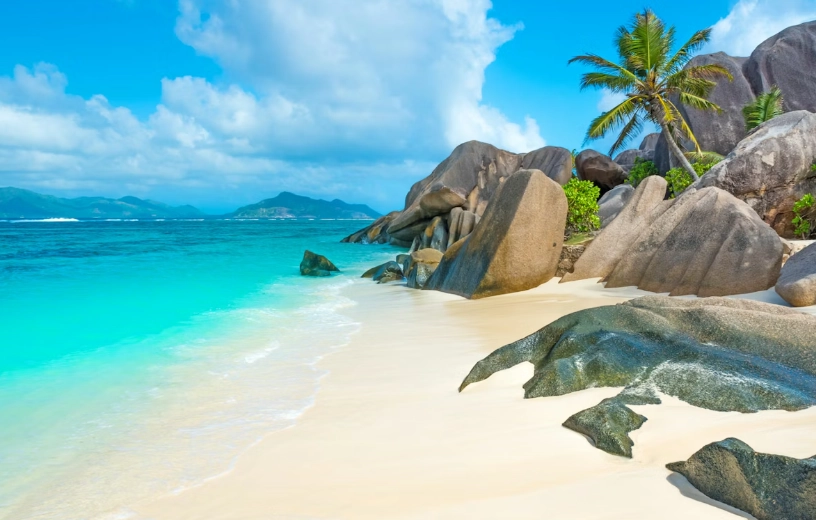
A nasty sunburn or a day lost to heat headache is a surefire way to ruin your trip.
Food and Water Safety
Generally, food hygiene standards in hotels and reputable restaurants are good. The risk comes from adventurous eating or perhaps a beachside stall on a particularly hot day.
- Seafood: It's incredibly fresh. But if something smells off, don't eat it. Sushi and raw shellfish are best consumed at established restaurants.
- Fruits & Salads: Washed in clean water? Usually yes in hotels. From a market? Maybe eat fruits you can peel yourself, like bananas or oranges.
- Water: As mentioned, tap water in major areas is treated. In very remote islands or older plumbing, sticking to bottled is wise. Ice in reputable bars/hotels is typically fine.
My Experience: I ate from every beach shack I could find and was fine. My travel companion, however, got a mild stomach bug after a questionable coconut curry from a very remote stall. It passed in a day, but it's a reminder that sensitivities vary. Pack some Imodium or similar, just in case.
Personal Safety and Security: Staying Street Smart
Seychelles has a very low crime rate, especially violent crime against tourists. It's one of the safest places in Africa. But petty crime exists, particularly in more populated or tourist-heavy spots. Knowing what you should be careful of in Seychelles security-wise is mostly about common sense.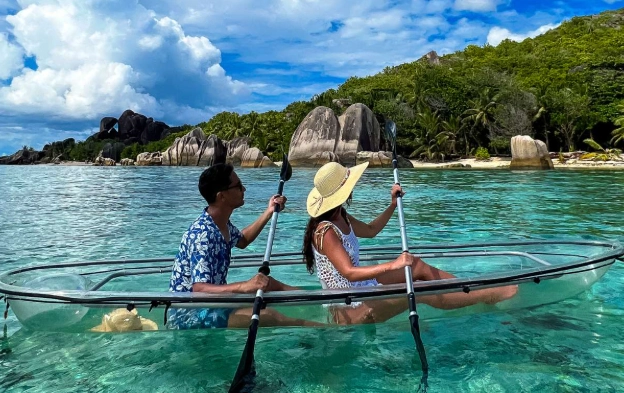
Petty Theft and Valuables
The most common issue is opportunistic theft from unattended bags on beaches or in cars. You wouldn't leave your wallet on a park bench at home, right? Same logic applies.
- Beach Days: Don't leave phones, wallets, or passports in your bag on the sand while you swim. If you're alone, use a waterproof pouch or leave valuables in a hotel safe. Better yet, go to the beach with only what you need.
- Car Safety: Never leave anything visible in a rental car. Not even a charging cable or an empty bag. Thieves might smash a window just to check. Take everything with you or lock it in the trunk out of sight.
- Walking at Night: Well-lit areas in Beau Vallon or Victoria are generally fine. But avoid dark, deserted streets or beaches at night. It's more about avoiding a bad situation than expecting one.
Road Safety and Driving
If you plan to rent a car (which is the best way to explore Mahé and Praslin), this is a major caution point. The roads are mountainous, narrow, winding, and often poorly lit. Add driving on the left, and it can be a handful.
- Road Conditions: Potholes appear out of nowhere. Goats, chickens, and giant tortoises might wander onto the road. Drive slower than you think you need to.
- Local Driving Style: Can be... assertive. Overtaking on blind corners is not uncommon. Be defensive.
- Parking: A nightmare in Victoria. Use designated car parks. Never park where it's prohibited, even for "just a minute."
"The drive from Victoria to the south of Mahé was stunning but white-knuckle. My advice? Get a small car for the narrow roads, and don't plan to cover too much distance in one day. The 40 km trip might take 90 minutes."
Scams and Overcharging
Not rampant, but they happen. Be wary of unsolicited "guides" offering services. Agree on prices for taxis, boat trips, or souvenirs before you commit. Some market vendors might initially quote a higher "tourist price"—politely haggling is acceptable in markets, not in shops with fixed prices.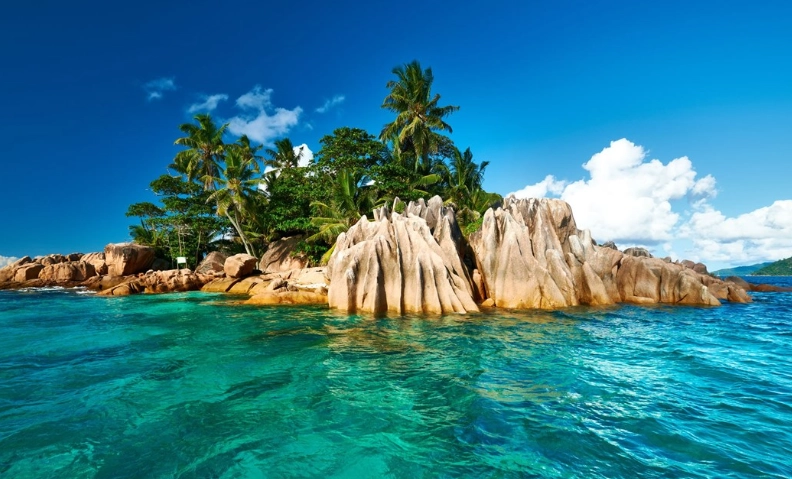
A firm but friendly "No, thank you" is your best friend.
Marine and Wildlife Hazards: Respecting the Environment
The ocean is the main attraction, but it's a wild ecosystem. Understanding the marine life is a core part of learning what to be careful of in Seychelles.
| Hazard | Risk Level | Where/When | What to Do |
|---|---|---|---|
| Stonefish & Lionfish | Medium (if stepped on/touched) | Rocky seabeds, coral reefs. Often camouflaged. | Wear robust water shoes when walking on rocky bottoms. Never touch or step on coral. Stings are excruciating and require immediate medical attention. |
| Sea Urchins | High (common nuisance) | Rocky areas, seagrass beds. | Wear water shoes! Spines break off in skin and can cause infection. If spined, try to remove spines carefully and disinfect. See a doctor if many spines or signs of infection. |
| Strong Currents & Riptides | Variable (can be High) | Certain beaches, especially on the southern coasts. Changes with tides. | Swim at lifeguarded beaches like Beau Vallon when possible. Observe warning flags. If caught in a riptide, don't swim against it; swim parallel to shore until free. |
| Coral Cuts | Medium | Any coral reef area. | Avoid standing on or touching coral. Cuts heal slowly and easily infect. Clean any cut thoroughly with antiseptic. |
| Jellyfish | Low to Medium (seasonal) | Occasional blooms, often after winds. | Ask locals about recent sightings. If stung, rinse with vinegar (not freshwater) if available, remove tentacles with tweezers, and seek help if severe reaction. |
Shark attacks are extraordinarily rare in Seychelles' swimming and snorkeling areas. The bigger risk is actually from the smaller, less obvious creatures listed above.
Critical Rule: Do not touch, feed, or harass any wildlife. This includes tortoises (their bite is powerful!), nesting turtles, and birds. It's not just about your safety—it's the law and crucial for conservation. Fines for disturbing wildlife, especially protected species like turtles, are severe.
Environmental and Legal Sensitivities
Seychelles is fiercely protective of its natural environment. Many things that might be minor offenses elsewhere are taken very seriously here.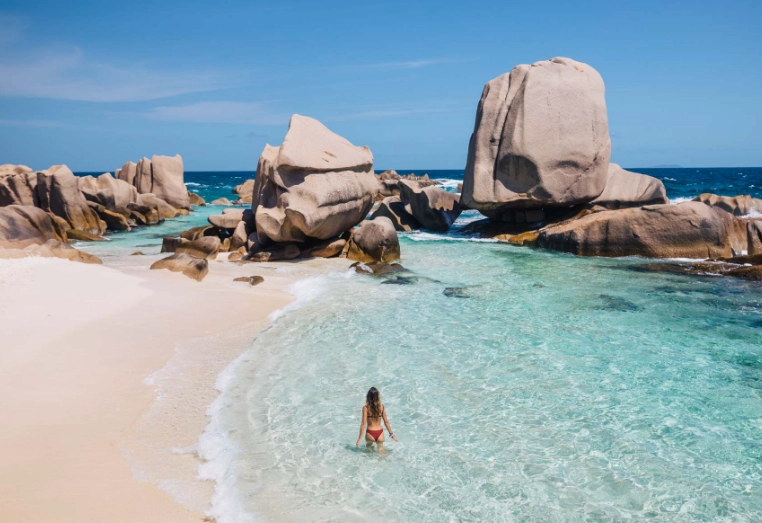
Strict Environmental Laws
- No Shells, Sand, or Coral: It is illegal to remove shells, sand, coral, or any natural object from beaches or the sea. Customs will check on departure. That beautiful shell makes a better photo than a confiscated souvenir.
- No Fishing without a License: Recreational fishing requires a permit. Don't just cast a line from the beach.
- Plastic Ban: Single-use plastic bags, cutlery, and Styrofoam boxes are banned. Pack reusable bags.
- Protected Areas: Respect all signs for marine parks (like Sainte Anne or Curieuse) and nature reserves. Entry fees fund conservation.
I heard a story from a park ranger about a tourist who tried to smuggle out a bag of sand "for a memory." It was caught, the sand was confiscated, and the tourist faced a hefty fine. It's simply not worth it.
Drug Laws
This cannot be overstated: Drug laws are extremely strict. Possession of even small amounts of cannabis or other drugs can lead to lengthy prison sentences and heavy fines. Zero tolerance is the policy. Don't take any risks whatsoever.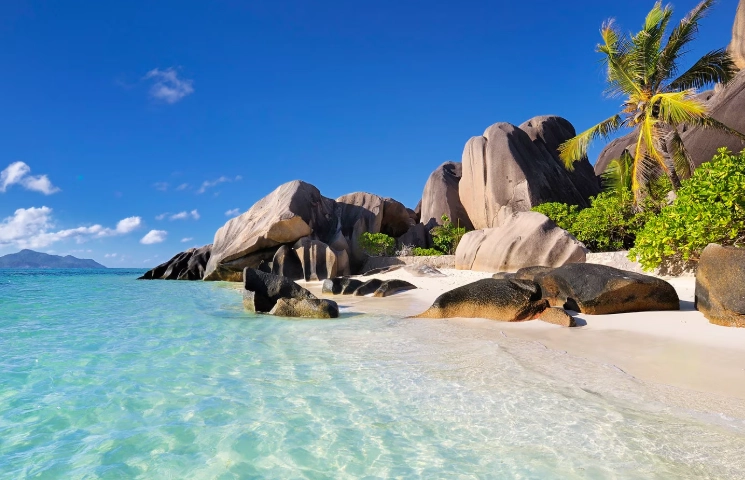
Cultural Etiquette and Social Norms
Being careful isn't just about dangers; it's about not causing offense. Seychellois are warm and tolerant, but appreciating their norms goes a long way.
- Dress Code: Beachwear is for the beach. When visiting towns, villages, shops, or churches, cover up. Wearing just a swimsuit or very brief shorts/top in Victoria is considered disrespectful.
- Photography: Always ask permission before photographing local people, especially in markets or in more rural areas.
- Greetings: A simple "Bonjour" or "Hello" before launching into a question is polite. A little effort is appreciated.
- Sunday Quiet: Sunday is a day of rest and family for many. Noise levels are expected to be lower, and some smaller shops may be closed.
Practical Money and Logistics Tips
A few headaches can be avoided with some simple planning.
- Cash is King (in many places): While hotels and bigger restaurants take cards, smaller guesthouses, taxis, boat charters, and market stalls often prefer cash (Seychellois Rupees, SCR). Euros and USD are sometimes accepted but often at a poor rate. Withdraw or exchange some rupees upon arrival.
- Expensive Everything: Seychelles is pricey. Import taxes make food, drink, and fuel costly. Budget accordingly. A simple lunch at a local takeaway can be reasonable, but restaurant dinners and alcohol are expensive.
- Limited Supplies: On smaller islands like La Digue or Silhouette, choice in shops is limited and prices are higher. If you need specific medications, snacks, or sunscreen, buy it on Mahé or Praslin before you go.
- Connectivity: Mobile coverage is good on Mahé and Praslin, spotty on outer islands. Wi-Fi can be slow and expensive. Consider buying a local SIM card (from Cable & Wireless or Airtel) at the airport if you need reliable data.
Essential Packing Checklist (Beyond the Obvious):
- High-DEET insect repellent
- Reef-safe, high-SPF sunscreen (expensive to buy there)
- Sturdy water shoes for rocky beaches
- A small first-aid kit with antiseptic, plasters, antihistamines, anti-diarrheal meds
- A reusable water bottle and shopping bag
- Multiple swimsuits (the humidity means they don't dry fast)
- Light, long-sleeved cover-ups for sun and mosquitoes
- International driving permit if you plan to rent a car
- Photocopies/cloud backups of your passport and travel insurance
Common Questions Answered (The Stuff You're Really Wondering)
Final Thoughts: A Mindset for Paradise
After all this, it might sound like a minefield. It's not. Seychelles is breathtakingly beautiful and its people are proud and welcoming. Figuring out what to be careful of in Seychelles is just about switching your brain to "tropical island mode."
It means being sun-smart, ocean-aware, and culturally respectful. It means planning a little more for health and logistics than you might for a city break. It means driving with extra caution and keeping your valuables secure.
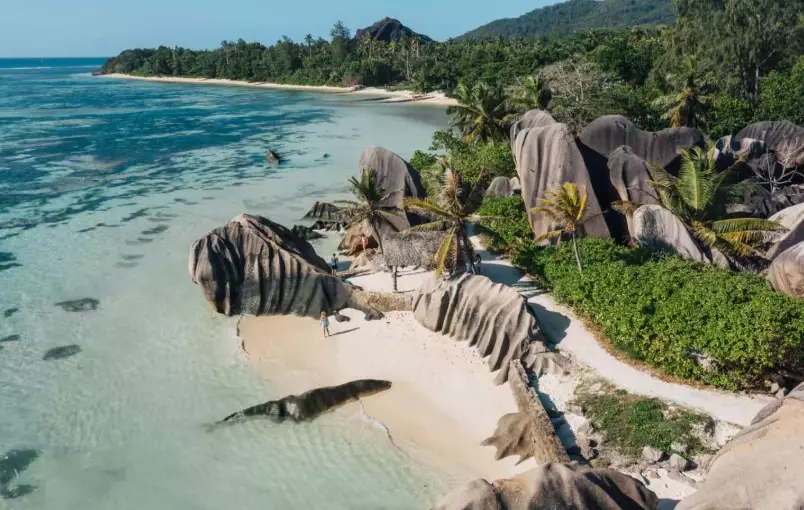
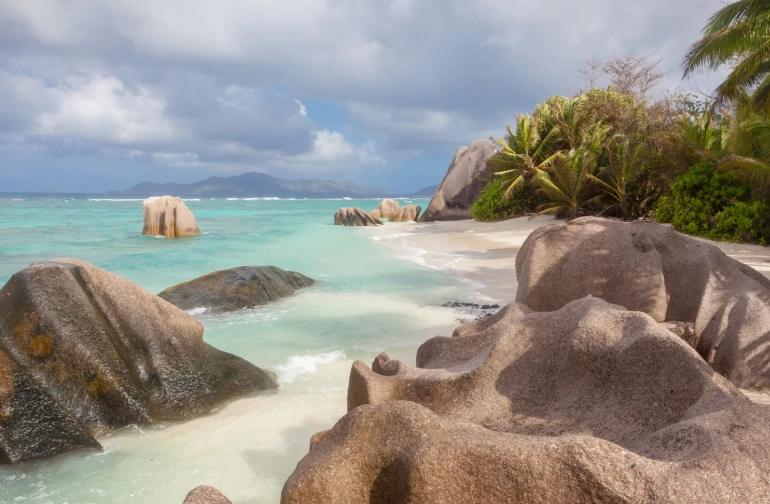
The goal isn't to be paranoid, but to be present. When you're not worried about a stolen phone or a debilitating sunburn, you're free to fully absorb the insane beauty of Anse Source d'Argent, the wonder of a tortoise lumbering past, and the taste of a fresh coconut. That's the real Seychelles experience.
Do your research, pack smart, and then go enjoy. A little caution is the key that unlocks a completely carefree holiday. Have an amazing trip.
For Official & Authoritative Information, Always Consult:
- The Official Government Portal of Seychelles - For general country info.
- Seychelles Tourism Board - The official tourist site for updates and travel ideas.
- Your own government's foreign travel advice website (e.g., UK FCDO, US State Department) for the latest safety and entry requirement alerts.
Reader Comments