Your Quick Snorkeling Guide
Let's be honest for a second. When you picture Fiji snorkeling, your mind probably jumps straight to those pristine, white-sand outer islands like the Mamanucas or Yasawas. Postcard stuff. Suva? That's the big, rainy capital on the main island, Viti Levu. It's where the government is, where the university is, not necessarily where you'd think to find world-class snorkeling.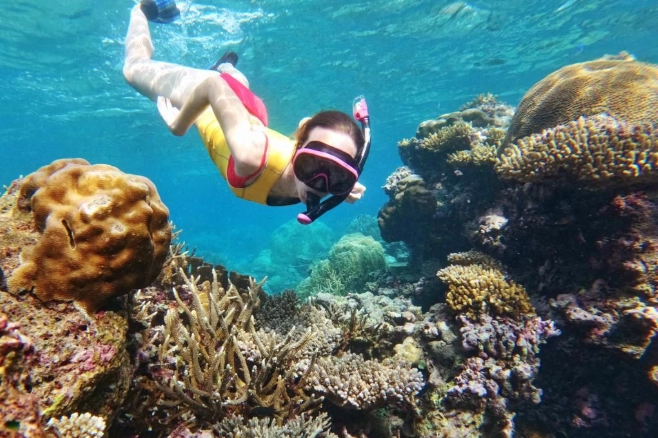
I thought the same thing. Until I actually spent a couple of months living there.
Turns out, writing off snorkeling in Suva, Fiji is a massive mistake. It's a completely different beast from the resort-style snorkeling. It's grittier, more authentic, and in some ways, far more interesting. We're talking about snorkeling over historic shipwrecks right in the harbor, exploring vibrant soft coral gardens on the barrier reef, and having encounters you just won't get in the more tourist-heavy spots. It's an adventure, not just a dip.
This guide isn't going to sugarcoat it. The water visibility in Suva Harbour itself isn't going to win any awards compared to the crystal-clear outer lagoons. But that's not the point. The point is the unique access, the raw marine life, and the convenience of having these experiences right on the doorstep of Fiji's biggest city. If you're staying in Suva for work, visiting family, or just want to see a different side of Fiji, your snorkel gear should absolutely come with you.
Why listen to me? I've spent a significant amount of time in Fiji, not as a tourist on a two-week holiday, but living and working. I've snorkeled from the Coral Coast all the way up to Vanua Levu. My experiences snorkeling in Suva, Fiji, were often unplanned discoveries—asking local fishermen, tagging along with university marine biology students, and simply exploring accessible spots. This guide pulls from that practical, on-the-ground knowledge.
Why Choose Suva for Your Fiji Snorkeling Adventure?
Okay, so why bother? If you have the time and money to fly to a remote island resort, by all means, do that. It's fantastic. But Suva offers something distinct, and for many travelers, it's a perfect fit.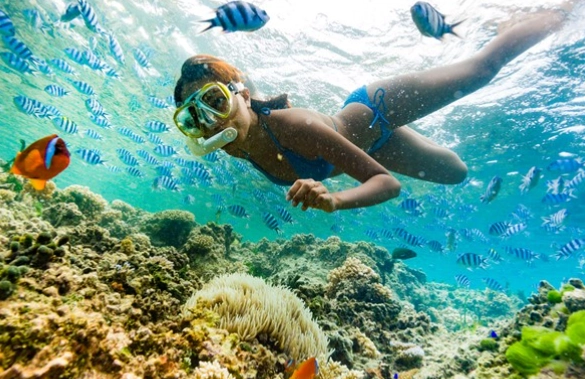
First, it's incredibly accessible. You're based in a major city with all the amenities: gear rental shops, dive operators, supermarkets to stock up on snacks, and a wide range of accommodation. You don't need to take a pricey seaplane or a long boat transfer to get to your snorkel spot. Some sites are literally a short drive or even a walk from the city center.
Second, it's affordable. Because you're not on a private island, tour prices are generally more competitive. You can also easily mix guided tours with DIY shore snorkeling to fit any budget.
Third, and most importantly, the diversity. Suva sits on a huge, sheltered harbor and is protected by the Great Suva Barrier Reef. This creates different environments. Inside the harbor, you have historic wrecks and interesting murky-water critters. On the barrier reef, just a short boat ride away, you have clear water, dramatic drop-offs, and stunning coral formations. It's two snorkeling worlds in one location.
In short, snorkeling in Suva, Fiji, is for the curious traveler, not just the beach bum.
Top Snorkeling Spots Around Suva: From Wrecks to Reefs
Let's get into the specifics. Where do you actually go? I've broken it down into areas, from the most accessible to those requiring a boat.
Pacific Harbour & The Beqa Lagoon Area (A Short Drive Away)
About an hour's drive west of Suva, Pacific Harbour is often called Fiji's "Adventure Capital." While famous for shark diving, the snorkeling here is seriously underrated. The water in the Beqa Lagoon is typically calmer and clearer than in Suva Harbour proper.
The best access here is through the resorts or local tour operators. They'll take you to patches of reef in the lagoon that are teeming with life. I remember one spot near a small, unnamed islet where the sheer number of fusiliers and anthias created a moving, shimmering wall of color. It was insane.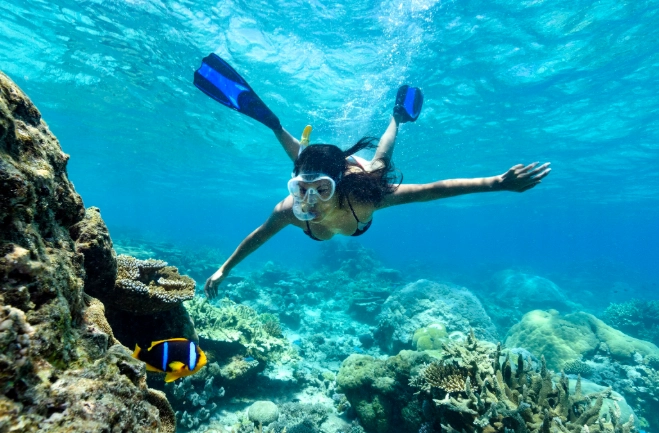
This is also your gateway to the famous Beqa Lagoon's soft coral gardens. While scuba divers get the full deep experience, snorkelers can still enjoy the vibrant colors on the reef tops. Companies like Aqua-Trek (a well-established operator) run trips that can often accommodate snorkelers alongside divers, giving you access to primo sites.
Personal gripe: The drive from Suva to Pacific Harbour can be a bit rough if you get carsick. The road is winding. Pop a pill if you need to, because the snorkeling at the end is worth the slightly queasy journey.
The Suva Barrier Reef (The Main Event)
This is what you come for. The Great Suva Barrier Reef is a massive system, and the outer edge is where the magic happens. You need a boat to get here. No question. The channel crossing can be choppy (the infamous "Suva Gap"), so be prepared for a potentially bumpy ride. Once you're there, the water clarity improves dramatically.
Sites like Nukubuco Reef and Makuluva Island are popular with operators. You'll find steep coral walls, swim-throughs, and an explosion of fish life. Look for giant clams nestled in the coral, schools of trevally, and if you're lucky, turtles cruising along the reef edge. The coral health varies—some areas are stunning, others show signs of bleaching or storm damage—but the overall experience is wild and powerful.
This is the essential, must-do boat trip for anyone serious about snorkeling in Suva, Fiji.
Suva Harbour & The Wrecks (The Unique Urban Snorkel)
Now for the quirky, unique side of snorkeling in Suva. The harbor is a working port, so it's busy. The visibility is often low (think 5-10 meters on a good day). But beneath the surface lies history.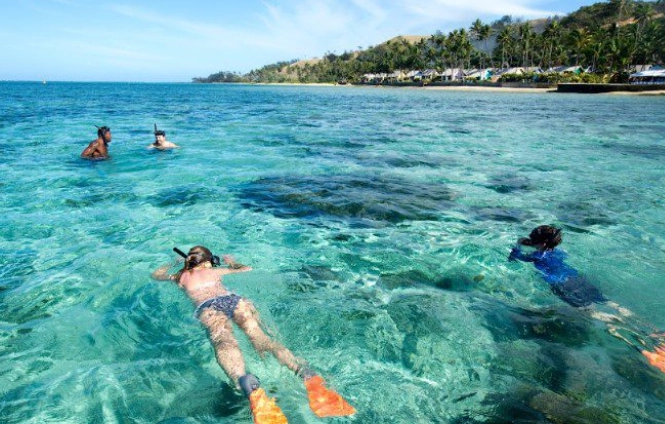
The most famous wreck is the SS Changte, a Chinese cargo ship that sank in the 1960s. It's now a thriving artificial reef, completely encrusted with sponges, soft corals, and home to huge schools of fish. Snorkeling over a wreck of that size in relatively shallow water is a surreal experience. You see its ghostly outline below, covered in life. You'll also find other smaller wrecks and debris that have become habitats.
Important Safety Note: Snorkeling in Suva Harbour is NOT a DIY activity. The boat traffic is heavy and dangerous. You must go with a licensed operator who knows the safe zones, has a dive flag, and can communicate with harbor control. Never attempt to swim out to these wrecks from shore. Ever.
Operators like Dive Academy Fiji (located at the Holiday Inn in Suva) regularly run wreck snorkel and dive trips. They handle all the logistics and safety, which is the only way to do it.
Planning Your Trip: Gear, Tours, and Logistics
Right, you're convinced. How do you make it happen?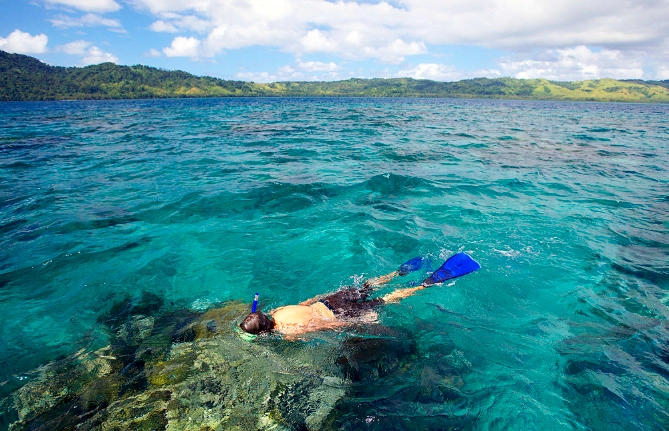
Snorkeling Gear: To Bring or to Rent?
If you're a serious snorkeler and have a well-fitting mask, bring it. A leaky mask ruins everything. For a casual snorkeler, renting is totally fine in Suva.
- Rental Shops: Check out dive shops like the one at the Fiji Marine Tourism Centre (associated with the University of the South Pacific) or the rental desks at dive operators. A full set (mask, snorkel, fins) might cost you FJD $20-$40 for the day.
- What to Bring: Even if you rent, pack your own anti-fog solution (baby shampoo in a small bottle works wonders) and a rash guard. The sun is fierce, and a rash guard protects you from both sunburn and accidental coral scrapes. Reef-safe sunscreen is a must, but covering up is better.
Choosing a Snorkeling Tour Operator in Suva
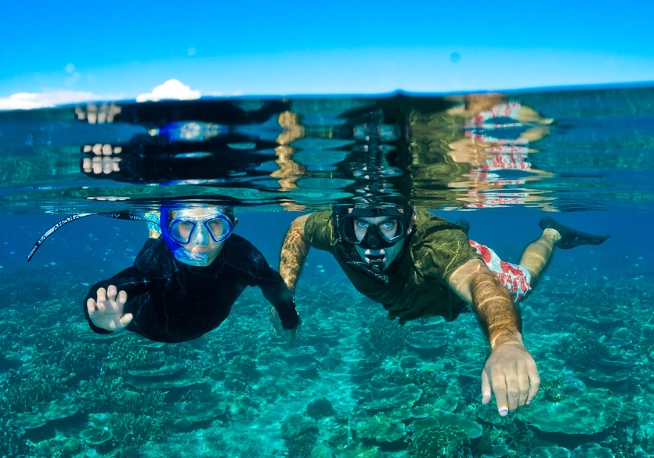
This is the most important decision you'll make. Don't just book the cheapest boat you find. Ask questions.
| Operator Type | Best For... | What to Expect | Approx. Cost (Per Person) |
|---|---|---|---|
| Dive Centers (e.g., Dive Academy Fiji) | Wreck snorkeling, barrier reef trips, safety-conscious travelers. | Smaller groups, focus on safety briefings, often mixed with scuba divers. Guides are usually dive masters/instructors. | FJD $150 - $250 (incl. gear, boat, guide) |
| Local Boat Tour Operators (found at the Suva Municipal Market or through hotels) | Budget-friendly trips to closer reefs/islands like Makuluva. | Larger groups, simpler boats, more basic guiding. Can be a fun, local experience but ask about safety gear. | FJD $80 - $150 |
| Resort-Based Operators (in Pacific Harbour, e.g., at The Pearl or The Warwick) | Convenience if staying there, high-quality gear, calm lagoon sites. | Comfortable boats, often include refreshments. Trips are tailored to resort guests. | FJD $120 - $200 |
My advice? Go with a proper dive center for your first major trip, especially for the barrier reef or wrecks. The extra cost is for their knowledge, insurance, and better-maintained equipment. It's worth it.
Quick Tip: Always ask: "What is your guide-to-snorkeler ratio?" and "Do you carry VHF radio and first aid on board?" Their answers tell you a lot.
When to Go: Weather and Sea Conditions
Suva is on the wet, windward side of Viti Levu. It gets more rain than Nadi. The best time for snorkeling in Suva, Fiji is during the drier, cooler season from May to October.
- May-Oct (Dry Season): Southeast trade winds. Calmer seas inside the reef, but the Suva Gap crossing can still be windy. Visibility is generally at its best. Water is cooler (around 24-26°C).
- Nov-Apr (Wet Season): Hot, humid, with higher chance of heavy rain and tropical storms. Rainfall can affect harbor visibility for days. However, the water is warmer (28-30°C), and there are fewer tourists. Just be flexible with your plans.
Always check the forecast the day before your trip. Operators will cancel if conditions are unsafe—and you should want them to.
Essential Safety & Responsible Snorkeling Practices
This isn't a swimming pool. The ocean demands respect, especially around Suva.
Ocean Safety 101
Currents: The channels around the barrier reef can have strong currents. Always listen to your guide about where to enter/exit and where to swim. Don't snorkel alone.
Boat Traffic: I can't stress this enough for the harbour. Always surface near your boat's dive flag and look before you come up. In busy areas, stay close to your group.
Marine Life: Look, don't touch. This isn't just eco-virtue signaling. You can get stung (fire coral, jellyfish), bitten (moray eels if you stick your hand in their hole), or severely cut (stonefish, which are masters of camouflage). Respect their space. The most dangerous thing is often the coral itself—a scrape can get infected easily. Wear protective clothing.
Be a Reef Hero, Not a Reef Zero
Fiji's reefs are under pressure. When you go snorkeling in Suva, Fiji, you're a guest. Act like one.
- No Standing: Never stand on coral. It's a living animal and you'll kill it. If you need to rest, float on your back or find a sandy patch.
- Reef-Safe Sunscreen: Use mineral-based sunscreen (zinc oxide/titanium dioxide) that is labeled "reef-safe." Many chemicals in regular sunscreen harm coral larvae. Better yet, wear a rash guard and hat.
- No Souvenirs: Taking shells, coral, or even dead sea stars is illegal and disrupts the ecosystem. Take only photos.
- Mind Your Fins: Big, flutter kicks can stir up sediment and smash coral. Practice a gentle, efficient kick before you go.
Organizations like the Fiji Coral Reef Conservation Foundation do amazing work. Consider supporting them or choosing operators who do.
Your Snorkeling in Suva, Fiji Questions Answered (FAQs)
Wrapping It Up: The Unfiltered Truth
So, is snorkeling in Suva, Fiji the absolute best in the country? If your definition of "best" is crystal-clear, bathtub-warm water with guaranteed big animal encounters, then probably not. That title goes to places like the Rainbow Reef in Taveuni or the Mamanucas.
But is it fascinating, unique, adventurous, and deeply rewarding? One hundred percent.
It's for travelers who want to see more than just the resort brochure version of Fiji. It's for people who find beauty in a rusting wreck transformed into an oasis of life. It's for those who don't mind a bit of adventure and a bumpy boat ride for the chance to float over a vibrant, living reef wall on the edge of the deep blue Pacific.
Pack your sense of adventure alongside your mask and fins. Book with a reputable operator. Respect the ocean. And get ready to discover a side of Fiji that most tourists completely miss. Your experience snorkeling in Suva, Fiji might just be the most memorable part of your trip.
Just remember to reapply that reef-safe sunscreen.
Reader Comments