I remember my first "real" snorkeling trip in Hawaii. The water was crystal clear, turtles were gliding below... and I was choking on a mouthful of salty Pacific. My cheap, basic snorkel kept flooding every time a small wave passed or I dipped my head a bit too far. It ruined the magic. That frustration led me down a rabbit hole of gear testing. Today, the phrase "anti-leak technology" gets thrown around a lot in snorkel marketing. But what does it actually mean? More importantly, does it work, and how do you pick the right one?
Let's cut through the hype. A snorkel set with genuine anti-leak technology isn't just a minor upgrade; it's a game-changer for comfort and safety. It transforms snorkeling from a constant battle against swallowing water into a relaxed, immersive experience. This guide breaks down how these systems work, what to look for, and the little-known maintenance tricks that keep them functioning perfectly.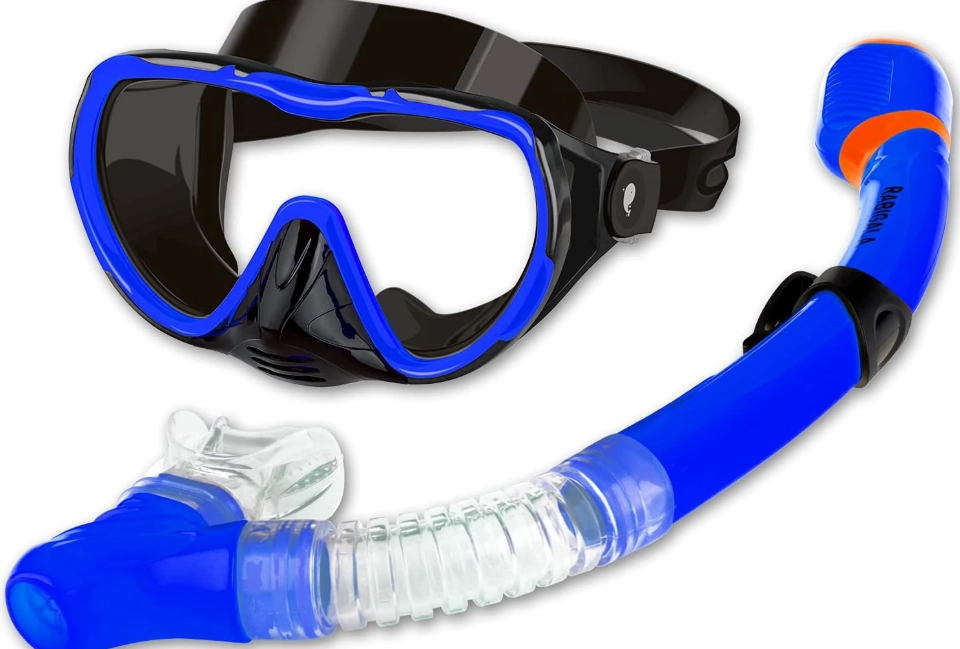
What's Inside?
How Anti-Leak Snorkel Technology Actually Works
Forget the idea of a single magic bullet. "Anti-leak" is usually a combination of two or three key features working together to block water at different points of entry. The main enemy is water coming in from the top of the tube when you're submerged. The secondary enemy is splash from waves or your own movement.
The Dry Snorkel Top: A Floating Seal
This is the core of most systems. At the very top of the snorkel, there's a clever little buoyant mechanism—usually a float or a ping-pong ball style valve. When the top goes underwater, this float pops up and seals the opening shut, like a trap door. No water gets in. When you surface, it drops down, and you can breathe normally.
The catch? Not all floats are created equal. Cheaper models use lightweight plastic that can get stuck or fail to seal if a grain of sand gets in the way. Higher-end ones use precisely calibrated buoyant materials and have a cleaner sealing surface.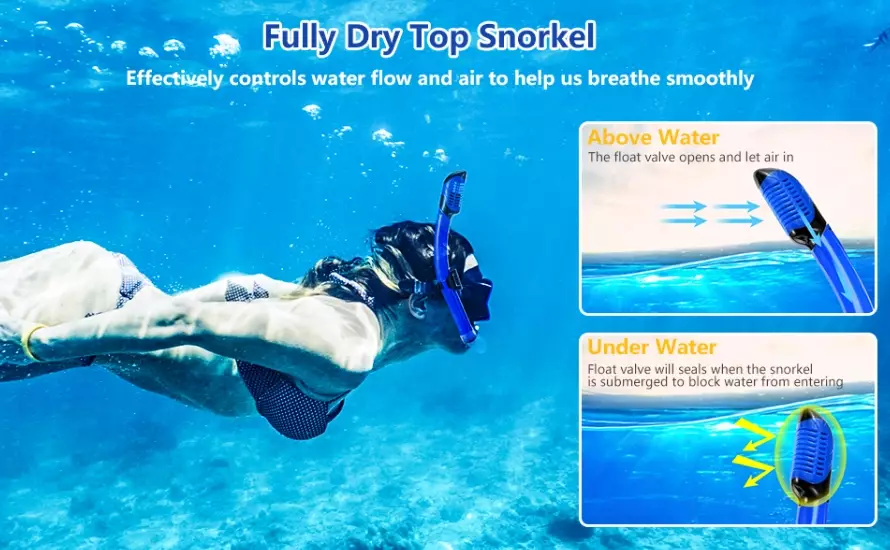
Key Insight: A true dry snorkel is designed to keep the tube completely dry when submerged. This means you can dive down a few feet to look at something, and when you come back up, you just exhale sharply to clear any residual droplets (through the purge valve at the bottom) and breathe. No major blast of water to clear.
The Splash Guard: Deflecting the Drops
Some snorkels, often called "semi-dry" models, forgo the mechanical float valve. Instead, they have a cleverly designed top with baffles, channels, and a downward-facing opening. Think of it as a covered porch for your snorkel. It deflects incoming waves and splash, drastically reducing the amount of water that enters, but it won't stop a full submersion.
These are often simpler, have fewer moving parts to fail, and are a fantastic middle-ground for casual snorkelers who stay mostly at the surface.
The Purge Valve & Silicone Skirt
These are supporting actors, but crucial ones. The purge valve is a one-way valve at the lowest point of the snorkel (near the mouthpiece). Any tiny amount of water that does get in collects there. To clear it, you just give a strong exhale. The valve opens, and the water shoots out the bottom. A good purge valve is easy to open and seals tightly afterwards.
The silicone skirt on the mask is part of the equation too. A poor seal between the mask and your face is a major leak source that no snorkel top can fix. A soft, high-quality silicone skirt conforms to your face better, preventing leaks from that end.
According to diving safety organizations like PADI, the ability to clear a snorkel quickly and effortlessly is a fundamental skill for safe surface swimming. A well-functioning purge valve makes this trivial.
Choosing the Right Anti-Leak Snorkel for You
Walk into a dive shop or browse online, and you'll see a wall of options. Here’s a simple breakdown to match the technology to your style.
| Type of Snorkel | Key Anti-Leak Feature | Best For | Consideration |
|---|---|---|---|
| Full Dry Snorkel | Floating valve seals top when submerged. | Beginners, those who like to dive down frequently, snorkelers in choppier water. | More moving parts to maintain. Can have slightly more breathing resistance. |
| Semi-Dry Snorkel | Splash guard deflects water, may have a simple valve. | Casual snorkelers, surface swimmers, those who prioritize simple gear. | Will allow some water in if fully submerged. Generally easier breathing. |
| Flexible/Comfort Snorkel | Usually incorporates a dry or semi-dry top. Flexible tube reduces jaw fatigue. | Anyone spending long hours in the water, people with jaw issues. | The flexible joint is another potential point for water ingress if not well-designed. |
My personal go-to for most tropical trips is a dry-top snorkel with a flexible lower section. The dry top gives me peace of mind when duck-diving to follow a turtle, and the flex section means my jaw isn't sore after two hours. I avoid the absolute cheapest dry snorkels—the float mechanism often feels flimsy and fails within a season.
Look for brands that detail their technology. Phrases like "dry-top system," "splash guard," and "easy-clearing purge valve" are good signs. If the description just says "anti-leak" with no explanation, be skeptical.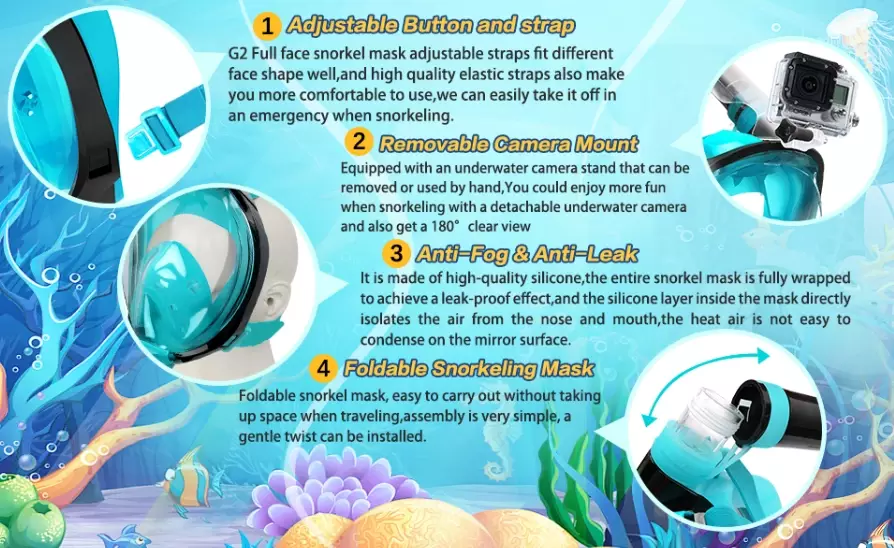
Pro Tips for Use and Maintenance (Where Most Go Wrong)
Buying a great snorkel is only half the battle. Misuse and poor care are why many people claim "anti-leak tech doesn't work." Here’s what most instruction manuals leave out.
Pre-Snorkel Check: Before you even get in the water, do this. Submerge the top of your dry snorkel in a hotel sink or bucket. Watch the float valve pop up and seal. Now, try to blow air through the mouthpiece. You should feel strong resistance—no air should escape from the top. If air leaks, the seal is compromised (check for sand or debris).
The Breathing Rhythm: With a dry snorkel, you must exhale with a bit of force before you inhale when you first put your face in the water or after a dive. This ensures the float valve is dislodged and open for air. It becomes second nature quickly.
Biggest Mistake I See: People store their snorkel wet, rolled up in a gear bag. This is a death sentence for the valves and silicone. It promotes mold growth, which stiffens the flexible valve flaps, and can deform the tube. Always, always rinse with fresh water and air dry completely before packing.
Cleaning the Valve: After rinsing, occasionally inspect the small float valve under the top cover. Tiny grains of sand or salt crystals can lodge there. A gentle brush with a soft toothbrush under running water fixes this. Never use harsh chemicals or hot water on the silicone parts.
Remember, the National Oceanic and Atmospheric Administration (NOAA) emphasizes that proper care of marine recreation equipment extends its life and ensures reliability. Your snorkel is no exception.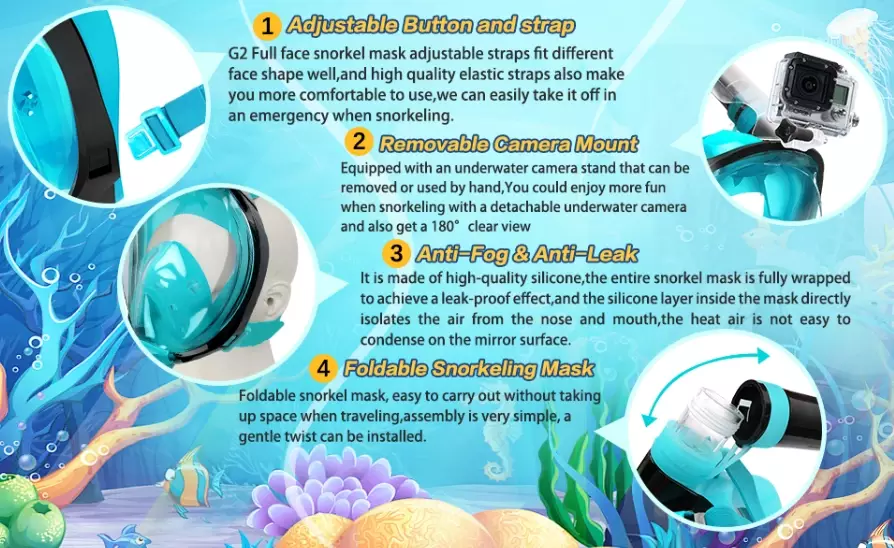
Your Anti-Leak Snorkel Questions, Answered
 The right snorkel set with effective anti-leak technology removes a major barrier to enjoying the underwater world. It’s not about having the fanciest gear; it’s about having reliable gear that lets you forget about the gear entirely. Focus on the turtles, the coral, the quiet weightlessness. Do your homework, pick a reputable model, and take care of it. Your future self, happily breathing easy amidst a school of tropical fish, will thank you.
Reader Comments