Let's cut to the chase. You're thinking about snorkeling in Bali because you've seen the pictures—crystal water, manta rays, turtles gliding over coral. It looks perfect. And much of it is. But between that dream and actually floating above a coral garden in Amed, there are a hundred small decisions. Which spot is right for your swimming level? Should you book a tour or go solo? Is that cheap gear rental going to fog up the moment you hit the water?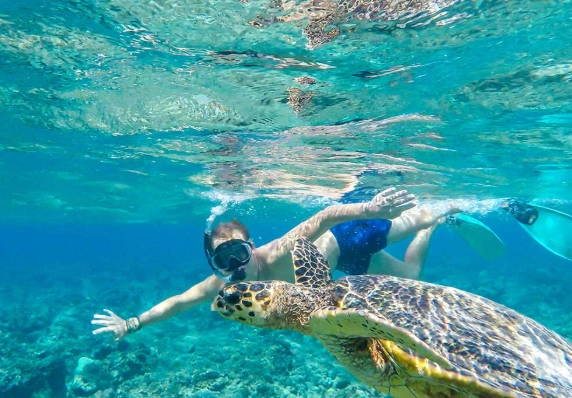
I've spent months snorkeling around Bali's coast, from the famous day-trip islands to the quiet eastern shores. I've had days of breathtaking clarity and days where I fought a mild current to see anything. This guide is about giving you the real, usable information to make your trip incredible, not just a list of places copied from a brochure.
What's Inside This Guide
- The 5 Best Snorkeling Spots in Bali (Ranked)
- How to Choose the Right Bali Snorkeling Spot for You
- Building Your Snorkeling Itinerary: Day Trips & Beyond
- Gear & Safety: The Stuff Most Blogs Don't Tell You
- What You'll Actually See: Bali's Underwater Residents
- Getting Those Amazing Underwater Photos
- Your Bali Snorkeling Questions, Answered
The 5 Best Snorkeling Spots in Bali (Ranked)
Ranking these is tough because it depends on what you want. But based on accessibility, marine life density, and overall experience, here's my list.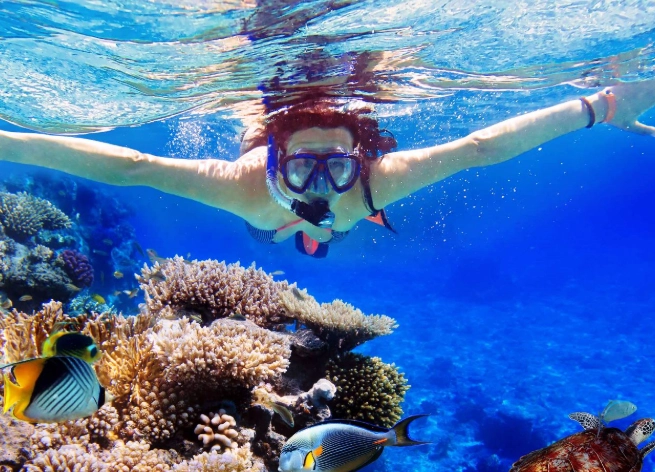
| Spot & Location | Key Features & Marine Life | Best For / Notes | How to Get There & Approx. Cost |
|---|---|---|---|
| 1. Nusa Lembongan & Nusa Penida (Islands southeast of Bali) |
Manta Point: Seasonal manta ray cleaning station (May-Oct best). Crystal Bay: Coral gardens, occasional mola mola (sunfish) Jul-Oct. Mangrove Point: Calm, colorful fish. | Adventurous snorkelers. Strong currents at Manta Bay require good swimming and usually a guided boat. Not for absolute beginners. | Fast boat from Sanur (30-45 min). Tour prices: $40-$70 USD for a full-day trip including 3-4 spots, gear, lunch, hotel pickup. Public boat + local boat rental cheaper but complex. |
| 2. Amed & Jemeluk Bay (East Coast Bali) |
A stunning, sloping coral wall starting just meters from shore. Huge biodiversity: parrotfish, angelfish, octopus, reef sharks. The USAT Liberty shipwreck at nearby Tulamben is a world-class snorkel. | Everyone. Beginners can stay shallow. Confident snorkelers can follow the wall out. Shore access means total freedom—no boat needed. | 3-hour drive from Seminyak/Canggu. Rent a scooter or hire a driver ($40-$50/day). Stay locally for multiple days. Shore snorkeling is free. Gear rental: $3-$5/day. |
| 3. Menjangan Island (West Bali National Park) |
Bali's most pristine coral. Exceptional visibility (often 20m+). Coral walls drop dramatically. Schools of batfish, turtles, healthy hard corals. Protected area, so no fishing. | Serious snorkelers and divers seeking the best coral health. Requires a boat from the mainland. Calm, protected waters. | Long drive (4+ hrs from south). Best as an overnight trip to Lovina or Pemuteran. Boat charter from Labuan Lalang: ~$50-$80 for a private boat for 4-5 people, park fee extra (~$15). |
| 4. Blue Lagoon & Padangbai (East Coast, near Candidasa) |
Two great spots in one village. Blue Lagoon: Calm, sandy entry, great for beginners, turtles often seen. Padangbai Bay: More fish variety, slightly deeper. | Families and beginners. Very manageable conditions. Easy day trip from Ubud or South Bali. | 90-min drive from Seminyak. Public transport possible. Gear rentals on beach. Small fee for Blue Lagoon area maintenance (~$1). |
| 5. Sanur Reef (Southeast Bali) |
A long, shallow reef parallel to the beach. Accessible via a traditional jukung outrigger canoe. Not spectacular coral, but reliable for seeing fish, starfish, and in the seagrass, occasional sea horses. | Total beginners or those with just an hour to spare. Zero pressure, ultra-convenient from Sanur hotels. | Walk to Sanur beach. Negotiate with boat owners on the sand. ~$10-$15 for a 1-2 hour trip including gear. You can sometimes swim out at high tide. |
The biggest mistake I see? People try to cram Nusa Penida and Amed into a single day trip from Seminyak. It's a brutal 6+ hours in a car and boat. You'll spend more time traveling than snorkeling. Pick a region and explore it properly.
How to Choose the Right Bali Snorkeling Spot for You
Don't just pick the top spot from the list. Match the location to your trip.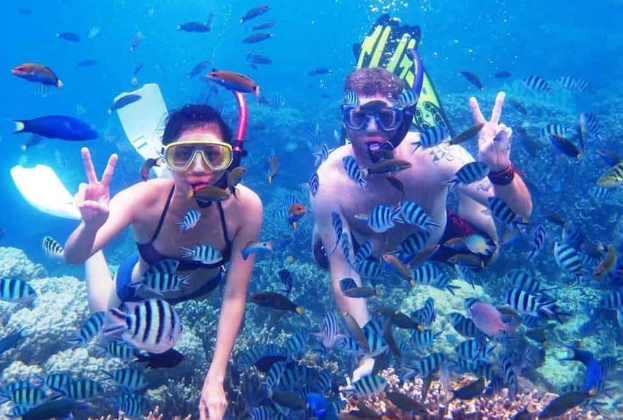
If You're a Nervous Swimmer or With Kids
Forget the open ocean spots like Manta Point. Your best bets are Blue Lagoon (Padangbai) and the inner bays of Jemeluk (Amed). Sanur Reef is also safe but less exciting. The water is calmer, you can always stand up, and the marine life is still enjoyable. Look for operators offering "guided snorkeling" where a guide stays with you on a floatation device.
If You're Short on Time (Day Trip from South Bali)
Nusa Lembongan/Penida is the classic for a reason—it's the biggest payoff for a single day. Book a reputable tour. Padangbai is a closer, easier alternative if you don't want a 5 AM start.
If You Have 3+ Days and Love the Water
Base yourself on the East Coast. Spend a day in Amed/Jemeluk, a day at the Tulamben wreck (a 20-min drive), and maybe a third day doing a relaxed trip to the Gili Islands or Nusa Lembongan from Padangbai port. You'll avoid the crowds from the south and snorkel at your own pace.
Local Insight: The "secret" to Amed isn't just Jemeluk Bay. Rent a scooter and explore the 10km coastline. Small, unnamed access points between the main villages like Lipah and Bunutan often have zero people and fantastic coral. Just ask a local shop owner where you can enter the water safely.
Building Your Snorkeling Itinerary: Day Trips & Beyond
Here’s how a trip can actually look, moving beyond a simple list of spots.
The Classic 1-Day Snorkeling Tour (From South Bali/Ubud)
This is what most people do. You'll be picked up at 6-7 AM, driven to Sanur, take a fast boat, visit 3-4 spots around Nusa Lembongan/Penida, have lunch, and return by 4 PM. Pick your operator carefully. A good one (like Bali Hai Cruises or local operators reviewed on TripAdvisor) will have safe boats, decent gear, and guides who watch for currents. A bad one will overcrowd the sites and rush you.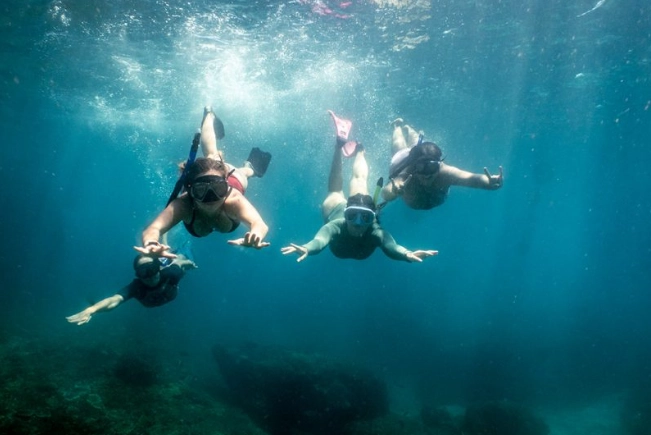
The 3-Day East Coast Snorkeling Immersion
- Day 1: Travel from South Bali to Amed (3hrs). Check into a beachfront homestay (I like Galang Kangin Bungalows for budget, Life in Amed for mid-range). Afternoon snorkel at Jemeluk Bay right out front. Sunset dinner at a warung.
- Day 2: Morning snorkel at the USAT Liberty wreck in Tulamben (20-min drive). It's surreal. Afternoon, explore Lipah Bay or hire a local boat ($20) to take you to the deeper coral heads off the coast.
- Day 3: Either a relaxed snorkel at a new spot, or drive to Padangbai (1.5hrs) for a different vibe at Blue Lagoon before heading back south.
The 5-Day Bali Snorkeling & Culture Combo
Combine 2 nights in Ubud (for temples and jungle) with 3 nights in Amed (for snorkeling). This gives you the full Bali experience without feeling like you live on a boat.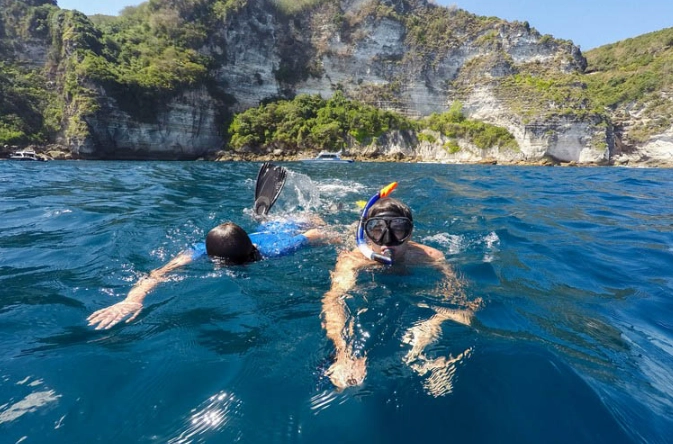
Gear & Safety: The Stuff Most Blogs Don't Tell You
You can rent everything for $3-$5 a day. But should you?
Mask & Snorkel: Rental masks often leak or fog instantly. A $30 investment in your own silicone mask that fits your face is the single best upgrade you can make. Test it by placing it on your face without the strap and inhaling slightly—it should stay suctioned. For the snorkel, a simple J-shaped tube is fine; the "dry" tops sometimes malfunction.
Fins: Rental fins are usually okay. Get open-heel fins with adjustable straps, not the full-foot ones (they rarely fit well).
The Anti-Fog Trick Everyone Gets Wrong: Spit in the mask, rub it around, rinse lightly with seawater. But do it right before you enter the water. Doing it on the boat 20 minutes early lets it dry and become useless.
Safety First: Currents around Nusa Penida can be serious. Always listen to your guide. If you're going solo, ask locals about conditions. Never snorkel alone. Use a brightly colored snorkel vest if provided—it's not uncool, it makes you visible to boats.
Sun Protection: Wear a rash guard or long-sleeved swim shirt. The sun is brutal at the equator, even through water. Reef-safe sunscreen (like Stream2Sea or Badger) is a must. Apply it 30 minutes before entering the water.
What You'll Actually See: Bali's Underwater Residents
Beyond the poster animals (mantas, molas), here’s the everyday cast:
- Parrotfish: Loud, colorful, constantly munching on coral. You'll hear them.
- Titan Triggerfish: Beautiful but territorial during nesting season (approx. May-July). If one faces you and flares its dorsal fin, swim horizontally away, not up.
- Blue-Spotted Stingrays: Shy, hiding in the sand. Watch where you step in shallow areas.
- Moray Eels: Peeking from holes. Harmless if you don't poke them.
- Sea Turtles: Most common in Amed, Blue Lagoon, and Nusa Lembongan. Give them space.
Rule #1: Look, don't touch. Coral is a living animal. Touching it kills the polyps, and some fish have protective slime coats. Your sunscreen chemicals can also harm reefs, hence the need for reef-safe products.
Getting Those Amazing Underwater Photos
You don't need a $2000 housing. A GoPro or a phone in a reliable waterproof case (like from Divevolk) works. Tips:
- Get close. Water reduces color and clarity. Most shots are bad because the subject is too far away.
- Shoot slightly upwards towards the surface to get that classic blue water background.
- Use a red filter or correct color in editing (apps like Dive+) to bring back the reds and oranges lost underwater.
- A simple floating handgrip is safer and easier than a selfie stick.
Your Bali Snorkeling Questions, Answered
Ultimately, snorkeling in Bali is about slowing down. It's not a checklist. Pick one or two areas that match your style, take your time, and let the underwater world reveal itself. You might remember the curious bannerfish that followed you more than the distant manta ray.
See you in the water.
Reader Comments