Let's get straight to it. Snorkeling in Kauai isn't like snorkeling just anywhere. You're not dealing with calm, bathtub-warm lagoons on every corner. What you get instead is raw, dramatic beauty—lava rock formations creating insane underwater topography, valleys that continue right into the sea, and water clarity that can shift from crystal to stirred-up chocolate milk depending on which coast you're on and what the weather's been doing. It's wild, it's challenging, and when you get it right, it's absolutely unforgettable.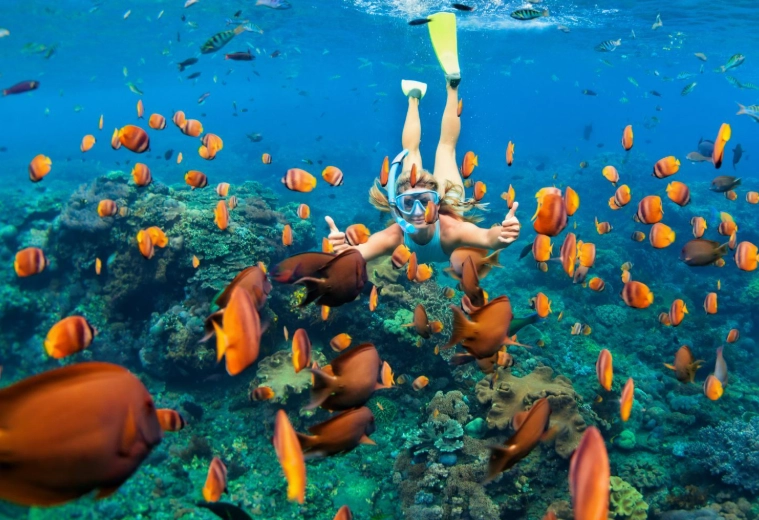
I've spent more time floating face-down around this island than I care to admit, and I've made every mistake so you don't have to. The biggest one? Assuming all beaches are created equal. They're not. Kauai's snorkeling is hyper-local. A spot that's glassy and perfect at 8 AM can be a washing machine by noon. A bay that's calm for 300 days a year might be the one day you pick to visit that it's not. This guide is about cutting through the generic advice and giving you the specifics—where to go, exactly when to go, what you'll see, and the subtle signs that tell you it's time to get out.
Your Kauai Snorkeling Jumpstart
Why Kauai Snorkeling is Different (And What That Means For You)
Kauai is the oldest main Hawaiian island. Time has carved deep valleys (the Na Pali Coast) and created more accessible, sloping beaches on the south shore. This geology directly impacts your snorkeling. The north shore (Hanalei, Tunnels, Ke'e) has epic, reef-protected spots, but it's only swimmable in the calm summer months (May-September). Winter brings massive surf that closes beaches entirely.
The south shore (Poipu) is your year-round workhorse. The west side (around Waimea) is often too rough. The east side (Coconut Coast) has a few gems, but runoff from the mountains can murk the water after rain.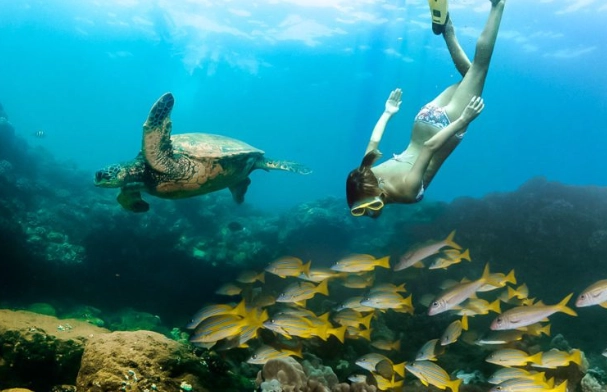
This isn't a pick-a-beach-any-beach island. You must check the surf report for the specific shore you're targeting. I use the National Weather Service's coastal forecast and the Hawaii Beach Safety website. A "3-foot swell" on the south shore is manageable. A "3-foot swell" on the north shore in winter is a death wish. Know the difference.
The Top Snorkel Spots, Rated & Explained
Here’s the breakdown. I'm judging on average conditions, accessibility, marine life, and overall vibe.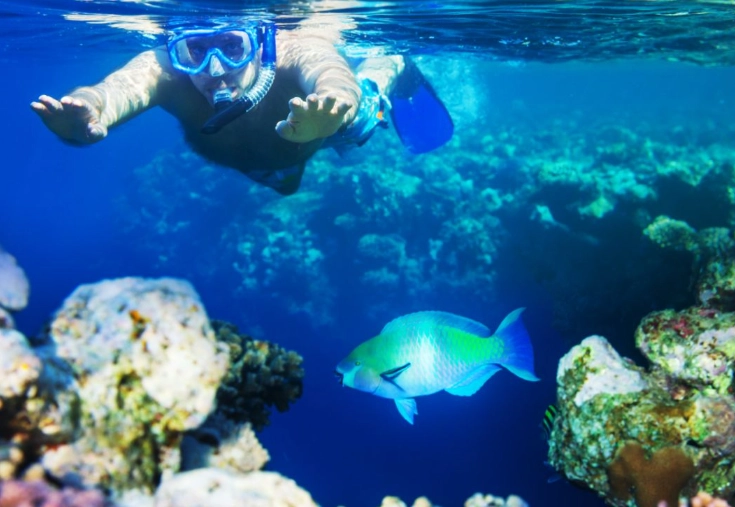
| Spot & Location | Best For | What You'll See | The Catch | Parking & Facilities |
|---|---|---|---|---|
| Poipu Beach Park (South Shore) | Families, beginners, first-timers. Year-round reliability. | Can get crowded. The main snorkeling area is a narrow channel between two rock walls—don't wander outside it. | Large lot, fills by 10 AM. Restrooms, showers, lifeguards. | |
| Lawai Beach & the Beach House Restaurant Reef (South Shore, next to Poipu) | Intermediate snorkelers. More fish variety than Poipu. | Excellent coral coverage, large schools of ta'ape (blue-line snapper), trumpetfish, eels in crevices. | Entry/exit is over slippery, flat lava rock. No sandy beach. Time it for low tide for easier access. | Very limited roadside parking (~10 cars). No facilities. |
| Lydgate Beach Park & the Kamalani Kai Bridge (East Side, near Wailua) | Absolute beginners, young kids. The only truly protected, man-made pool. | Engineered rock walls create a calm, shallow pool. Smaller reef fish, safe for learning. | Not a "wild" experience. Can feel like a swimming pool. Less exciting marine life. | Huge parking, playground, restrooms, lifeguards. |
| Ke'e Beach (Summer Only) (North Shore, end of the road) | Experienced snorkelers on a calm summer day. Breathtaking backdrop. | Healthy reef, butterflyfish, maybe a white-tip reef shark in the deeper channel near the reef edge. | Parking is a nightmare (requires advance reservation via GoHaena). No facilities except porta-potties. Summer only. | Reservation-only lot. Basic facilities. |
| Tunnels Beach (Makua Beach) - Summer Only (North Shore, near Haena) | Advanced snorkelers and divers. The most spectacular underwater scenery. | Massive lava tubes and arches, huge schools, eagle rays, larger pelagics on the outer reef. | Extremely difficult parking (tiny roadside pull-offs). Long swim to the best reef. For experts only in perfect conditions. | Virtually none. Park legally on the highway shoulder. |
Now, a spot that deserves its own deep dive: the area around Kilauea Lighthouse on the north shore. Not the lighthouse itself, but the rocky coves below it, like Kahili (Rock Quarry) Beach. This is a local secret for seeing green sea turtles. I'm talking groups of 5-7 of them grazing on the seaweed on the rocks. The access is via a semi-hidden, uneven dirt path. The water entry is rocky. There are no lifeguards. But if you're a confident snorkeler on a flat day, the turtle action here surpasses anywhere else I've been on the island. Go early, be respectful, and give them space.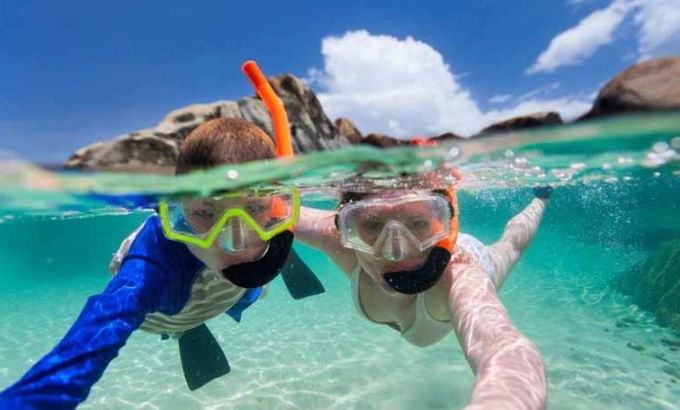
A Non-Consensus View: Everyone obsesses over Tunnels. It's famous. But for 95% of visitors, Lawai Beach offers 80% of the visual payoff with 10% of the hassle and risk. You'll spend more time in the water and less time stressing about parking and currents. Prioritize it.
Gear: What to Rent, What to Buy, What to Skip
You can rent a full set for about $10-$15 a week. But not all gear is equal.
Buy This: Your own quality silicone snorkel mask. A leaky, foggy rental mask ruins the experience. Spend $40-$60 on a mask that seals to YOUR face (press it to your face without the strap, inhale slightly; it should stay put). I prefer a low-volume design for a wider field of view. This is the single best investment for any snorkeling trip.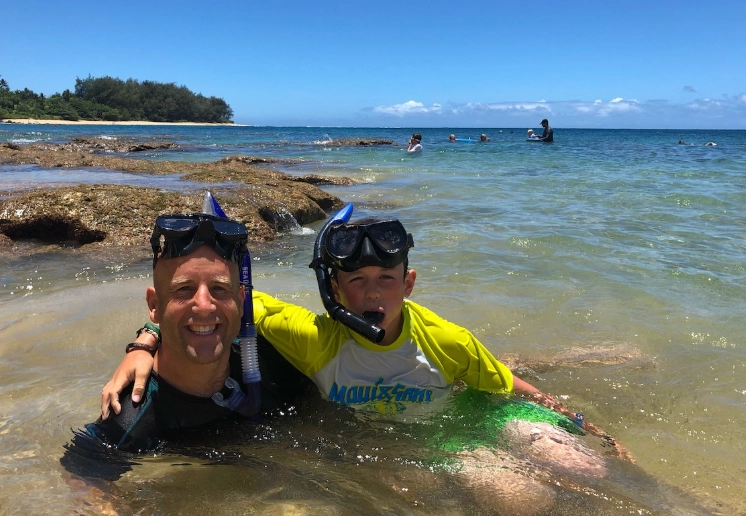
Rent This: Fins, snorkel, and a reef-safe sunscreen shirt (rash guard). Snorkel Quest in Poipu or Boss Frog's in Kapaa have decent gear. Get open-heel fins with adjustable straps, not the stiff, full-foot ones. A rash guard is non-negotiable—it protects you from sun and jellyfish larvae (called "sea lice") that can appear in summer.
Skip This: Those full-face snorkel masks. They have a reputation for CO2 buildup and are harder to clear if water gets in. Stick with the traditional separate mask and snorkel. Also, skip the underwater camera unless it's a GoHero or similar. A cheap waterproof case will flood and destroy your phone.
Staying Safe in Kauai's Unpredictable Waters
This is where most blogs give you generic advice. Let's get specific for Kauai.
Rip Currents: They don't pull you under, they pull you out. If you're being swept away from shore, don't fight it. Swim parallel to the beach. In Kauai, due to the way reefs are structured, swimming parallel often means toward a channel or a point where the current loses power. At Poipu, swim toward the rock wall. At Tunnels, swim toward the beach, not the open ocean.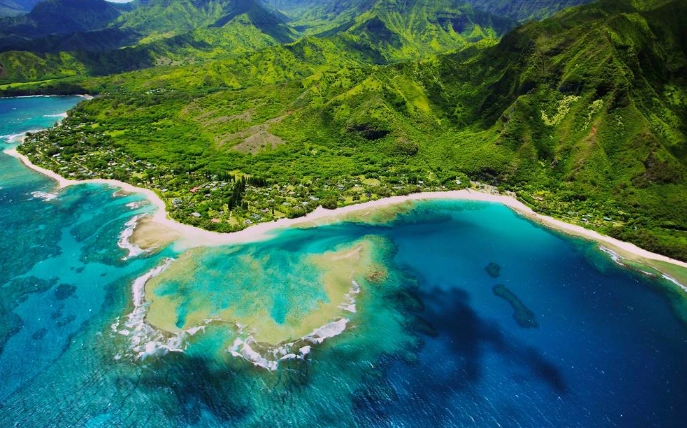
Wave Sets: Kauai's waves come in sets. You'll have 2 minutes of calm, then 3-4 big waves. Watch for a full minute before entering. Time your entry and exit between sets.
The "10 AM Rule": Wind typically picks up around 10-11 AM, especially on the south shore. This chops the surface, reduces visibility, and makes swimming harder. Be in the water by 8:30 AM. You'll have calmer conditions, better light, and fewer people. This one habit transforms the experience.
Local's Tip: Look at the coconut trees. If the palms are whipping around, the water will be choppy. If they're gently swaying, you're good to go. Also, talk to the lifeguard. They know the day's specific quirks—a weird current on the east side of the bay, a jellyfish influx, etc.
A Realistic 3-Day Snorkeling Itinerary
Let's assume you're staying in the Poipu/Koloa area, which is the most convenient base.
Day 1: South Shore Immersion
Morning (8 AM): Snorkel at Lawai Beach. Enter at the left-most rock shelf. Explore the reef for 60-90 minutes.
Late Morning: Rinse off, then head to Poipu Beach Park. Watch the turtles from the sand, maybe do a quick second snorkel in the protected channel.
Afternoon: Gear cleanup, lunch at Keoki's Paradise. Maybe a nap.
Late Afternoon: Scenic drive to Spouting Horn blowhole (not for snorkeling, just to see).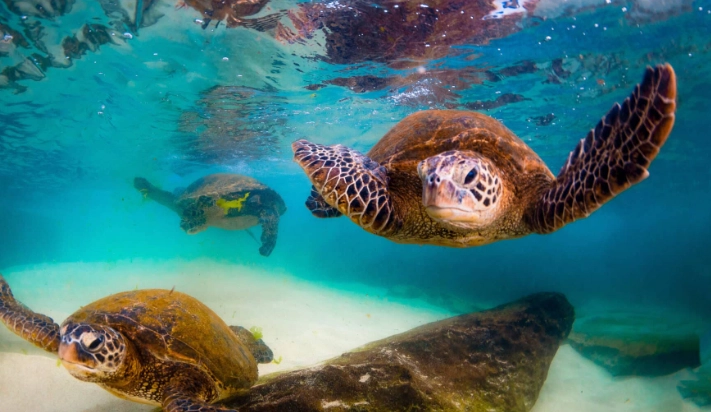
Day 2: East Side & Easy Exploration
Morning (8 AM): Drive to Lydgate Beach Park. Let kids or nervous beginners play in the protected pools. For stronger swimmers, snorkel outside the main wall along the Kamalani Kai bridge structure.
Late Morning: Head into Kapaa town. Rent bikes and cruise the coastal path.
Afternoon: If conditions look good (check with a lifeguard), try the cove at Lae Nani (just north of Kapaa) for a relaxed, sandy-entry snorkel.
Day 3: The Adventure Day (Summer Only, or South Shore Alternative)
Option A (Summer, North Shore): Secure a parking reservation for Haena State Park months in advance. Snorkel at Ke'e Beach early. Hike the first mile of the Kalalau Trail for insane views. This is a full, tiring day.
Option B (Year-Round, South Shore): Book a guided snorkel tour to the Na Pali Coast with a company like Holo Holo Charters. They access remote reefs you can't reach from shore, often with dolphins and turtles. It's pricey but a true highlight.
Reader Comments