Here's Your Quick Guide
- The Short Answer: When is the Absolute Best Time?
- The Seasonal Snorkeling Guide: A Deep Dive
- Best Time of Day to Snorkel in Waikiki
- Factors That Make or Break Your Day (Beyond the Calendar)
- Top Snorkeling Spots in Waikiki & Their Best Times
- Essential Tips for Your Best Waikiki Snorkel Ever
- Frequently Asked Questions (The Real Ones)
- Final Thoughts: Putting It All Together
So you're planning a trip to Oahu and the iconic Waikiki Beach is on your list. You've got your flight booked, your hotel sorted, and now you're staring at your screen wondering: when is the best time to snorkel Waikiki? It's the million-dollar question for anyone wanting to experience those famous turquoise waters and rainbow-colored fish.
I remember my first time. I showed up in December, full of excitement, only to be greeted by churned-up, cloudy water and a surprisingly strong current. I saw more sand swirling than fish. It was a letdown, honestly. Since then, I've spent years figuring out the perfect formula—not just the season, but the month, the week, even the exact hour of the day that transforms a good snorkel into an unforgettable one.
This guide isn't about vague advice like "go in summer." We're diving deep. We'll break down the water clarity month by month, talk about the subtle shifts in marine life, and decode how things like the trade winds and afternoon clouds (they call them "pineapple showers" for a reason) make or break your underwater visibility. By the end, you'll know precisely how to time your visit for glassy-calm seas and underwater vistas so clear it feels like you're swimming in an aquarium.
The Short Answer: When is the Absolute Best Time?
If you're skimming for a quick takeaway, here it is. The absolute prime window for snorkeling in Waikiki is from late April through early October. Specifically, the months of May, June, July, and September are consistently stellar.
But—and this is a big but—the "best time to snorkel Waikiki" isn't just a date on a calendar. It's a combination of factors. A perfect Wednesday morning in February can easily beat a choppy, windy afternoon in July. So while those summer months give you the highest probability of great conditions, you need to understand the *why* behind it all to really nail your trip.
The Golden Rule: Aim for a morning (before 11 AM) during a period of light trade winds, on a day with no recent heavy rain, and preferably around a mid-tide. Get all those stars to align, and you've found your personal best time to snorkel Waikiki.
The Seasonal Snorkeling Guide: A Deep Dive
Hawaii's weather isn't as simple as "hot" and "cold." The shifts between seasons are subtle but massively important for ocean conditions. Let's break down what you can expect throughout the year.
| Season | Months | Water Temp (°F / °C) | Conditions & Visibility | Marine Life Notes | Overall Snorkeling Vibe |
|---|---|---|---|---|---|
| Summer (Dry Season) | May - October | 78-82°F / 26-28°C | Calmest seas, lightest winds. Visibility is consistently excellent (60-100+ ft). | Abundant reef fish, chance of sea turtles, occasional manta ray sightings at night. | Prime time. Predictably good. Can be crowded at popular spots. |
| Fall (Shoulder Season) | September - November | 77-80°F / 25-27°C | Summer calm often extends into Oct. Wind may pick up in Nov. Visibility remains very good. | Still great fish activity. Water is warm and inviting. | A secret sweet spot. Crowds thin, water stays warm. |
| Winter (Rainy Season) | November - April | 73-77°F / 23-25°C | More north swells = rougher water, runoff reduces visibility. Can have stunning clear days between swells. | Humpback whale season (Dec-Apr)! You can hear them singing while snorkeling. | Unpredictable. Requires flexibility. Can be magical on a calm day. |
| Spring (Shoulder Season) | March - May | 75-78°F / 24-26°C | Winter swells fade, trades are mild. Visibility improves dramatically. Often sunny and glorious. | Whale sightings tail off, reef life becomes more active as water warms. | My personal favorite. Nature's reset button. Everything feels fresh and clear. |
See what I mean? Calling winter "bad" is misleading. Yes, you'll have more days where snorkeling isn't advisable, but you also get the incredible bonus of whale song. And that's an experience that trumps a little cloudiness for me.
Month-by-Month Breakdown: The Nitty-Gritty Details
Let's get even more specific. Here's what you're signing up for, month by month.
May & June: This is the jackpot. The winter swell engine has shut down, the trade winds haven't fully revved up for summer, and the rain is minimal. The water clarity is often breathtaking. It's no wonder this is considered the absolute best time to snorkel Waikiki. Crowds are building but haven't hit peak summer levels yet.
July & August: Peak tourist season. The water is bathtub warm and usually very calm in the mornings. However, the trade winds are more consistent, which can chop up the surface in the afternoons. My advice? Get in the water early. Also, be prepared for more people at spots like Sans Souci (Kaimana Beach).
September: An underrated gem. The kids are back in school, the crowds dissipate, but the ocean holds onto its summer warmth and calm. September mornings can be pure magic. If you hate crowds but want summer conditions, circle this month.
October & November: The transition begins. You'll still get plenty of stunning, calm days, especially in October. But by late November, the first big north swells start to roll in, shaking things up. It's a period of beautiful, less-certain weather.
December - February: Winter proper. This is when finding the best time to snorkel Waikiki becomes a daily puzzle. You need to watch the surf reports like a hawk. After a large north swell, the water can be murky for days from runoff. But after 3-4 days of calm, it can clean up beautifully. The water feels cooler, so a thin wetsuit top (a "rash guard") is welcome.
March & April: Hope returns! The frequency of large swells decreases, the sun comes out more, and the water begins to clear and warm. It's a season of renewal, and the snorkeling reflects that. By late April, you're basically back in prime conditions.
Best Time of Day to Snorkel in Waikiki
This might be more important than the month you choose. The ocean has a daily rhythm in Waikiki, and if you miss the beat, you miss the best of it.
The Undisputed Winner: Morning
Time: Sunrise to about 11:00 AM.
Why it's best: The wind is typically at its lightest. Overnight, the ocean has had time to settle, so any sediment has dropped, maximizing visibility. The sun angle is perfect for lighting up the reef without creating glare. It's also cooler and less crowded. For the clearest water and calmest surface, morning is non-negotiable.
Midday (11 AM - 2 PM): This is when the trade winds usually kick in. You'll see the palm trees start to sway. That wind creates surface chop, which stirs up sand near the shore and reduces visibility. The sun is also directly overhead, which can actually make it harder to see colors underwater (the water absorbs the reds and oranges). Not terrible, but a step down from morning.
Afternoon (2 PM onward): This is the riskiest time. Winds are often strongest, and if there are going to be afternoon showers (common in winter), this is when they hit. Runoff from brief heavy rain can instantly cloud the nearshore water. I've seen visibility drop from 50 feet to 5 feet in under 30 minutes after a downpour. I generally don't recommend planning your main snorkel for the afternoon.
Late Afternoon / Early Evening: The wind often dies down again around sunset. The light is golden and beautiful. However, visibility is usually still impacted by the day's wind activity. It can be a lovely time for a swim, but don't expect the pristine clarity of the morning.
See the pattern? The ocean needs a good night's sleep, just like we do.
Factors That Make or Break Your Day (Beyond the Calendar)
You could go in July at 8 AM and still have a mediocre time if you ignore these real-time factors. This is the local knowledge that separates the tourists from the pros.
Tides Matter More Than You Think
Not all tides are created equal for snorkeling. A super low tide can expose coral heads, making them tricky to navigate without touching (which you should never do!). A very high tide can sometimes reduce visibility by allowing water to stir up sediment from further up the beach. A moving tide (either coming in or going out) is often best, as it brings a stream of clear, oceanic water and active fish. I find a mid to high incoming tide is often the sweet spot for Waikiki's reefs.
The Trade Winds Are The Boss
Hawaii's prevailing northeasterly trade winds are the single biggest daily influence. You can check the forecast for "wind speed." Anything under 10 knots is ideal. 10-15 knots is manageable but expect some chop. Over 15 knots, and the surface will be bumpy, sand will get stirred, and your snorkel experience will be compromised. The National Weather Service Honolulu page is my go-to for accurate wind and marine forecasts.
Recent Rain is a Visibility Killer
This is the most common mistake. A heavy rainstorm washes soil, debris, and pollutants from the streets and mountains into the ocean. This runoff can cloud the nearshore water for days. If it poured yesterday, think twice about snorkeling right off the beach today. This effect is most pronounced in the winter rainy season but can happen after a summer downpour too.
Pro Tip: After heavy rain, consider a boat snorkel trip that goes out to deeper, offshore reefs (like to the snorkeling spots off the south shore, such as Hanauma Bay or the Turtle Canyon area). These areas are less affected by terrestrial runoff.
Top Snorkeling Spots in Waikiki & Their Best Times
Waikiki isn't one uniform beach. Different spots have different personalities and are best at different times.
-
Sans Souci Beach (Kaimana Beach) – Near the Natatorium:
This is the most famous and reliable spot. A shallow reef close to shore teems with fish. It's protected by a wall, making it calmer than other areas. Best Time: Morning, on any day with light winds. It's the most forgiving spot when conditions aren't perfect elsewhere. Can get crowded. -
Queens Beach (in front of the Duke Kahanamoku Statue):
Further out, there are interesting coral formations and more fish variety. It's more exposed, so it needs calmer conditions. Best Time: A calm summer morning is sublime here. Avoid if there's any significant south or west swell running. -
The Wall at Fort DeRussy Beach:
An artificial reef created by an old sea wall. It attracts a huge amount of fish. It's a bit deeper, so visibility can be better when other spots are sandy. Best Time: Mid-morning on a day with good overall visibility. The extra depth means light is key.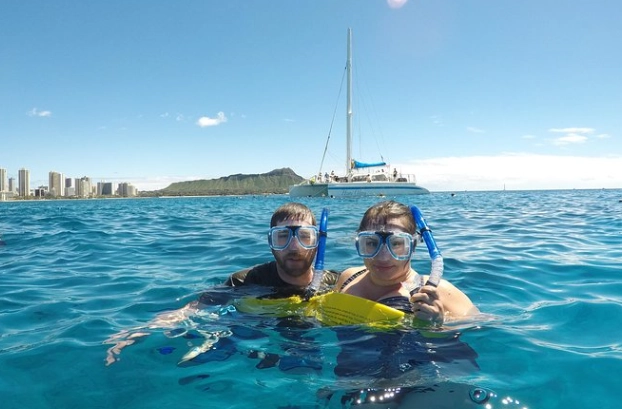
Essential Tips for Your Best Waikiki Snorkel Ever
- Rent, Don't Buy (Unless...): Plenty of shops rent quality gear. If you're a serious snorkeler, bring your own mask that fits your face perfectly—it makes all the difference.
- Protect the Reef (and Yourself): Wear a reef-safe sunscreen (look for non-nano zinc oxide or titanium dioxide). Many chemical sunscreens are now banned in Hawaii because they harm coral. A rash guard shirt is even better—it protects you from sun and scrapes.
- Check Conditions Daily: Don't assume. Use the NWS Marine Forecast for wind and waves, and check a live webcam of Waikiki Beach (many hotels have them) to see the real-time surface conditions with your own eyes.
- Go with a Buddy: Always. Even in calm Waikiki. Currents can pop up unexpectedly.
- Look, Don't Touch: This can't be stressed enough. Coral is alive and fragile. Touching it kills it. Also, give sea turtles (Honu) plenty of space—it's the law.
It sounds like a lot, but it becomes second nature.
Frequently Asked Questions (The Real Ones)
Final Thoughts: Putting It All Together
Finding the best time to snorkel Waikiki isn't about finding one perfect day on a chart. It's about understanding the elements—the seasonal rhythm, the daily wind cycle, the tide, and the recent weather—and seeing how they all dance together.
If you can, aim for a morning in May or September. That's your highest-percentage shot at paradise. But if your trip is locked in for December, don't despair. Watch the forecasts, be ready to jump in the water on that first calm morning after a swell, and you might just have an experience that's uniquely beautiful.
The ocean here is always changing. That's what makes it magical. With a little knowledge, you can learn to read its moods and choose your moment. And when you do, when you float over that vibrant reef in crystal-clear, calm water, you'll know you found it. You found your best time.
Now go get your mask ready.
Reader Comments