Quick Guide
So you're planning a trip to Costa Rica and dreaming of floating over colorful reefs, right? The first question that pops up is always: what time of year is best for snorkeling in Costa Rica? I get it. You don't want to book flights and hotels only to find murky water or rough seas. Let me tell you upfront – there's no single perfect month for the whole country. Anyone who gives you a one-word answer is oversimplifying. The real answer depends entirely on which coast you choose, and honestly, what you're hoping to see.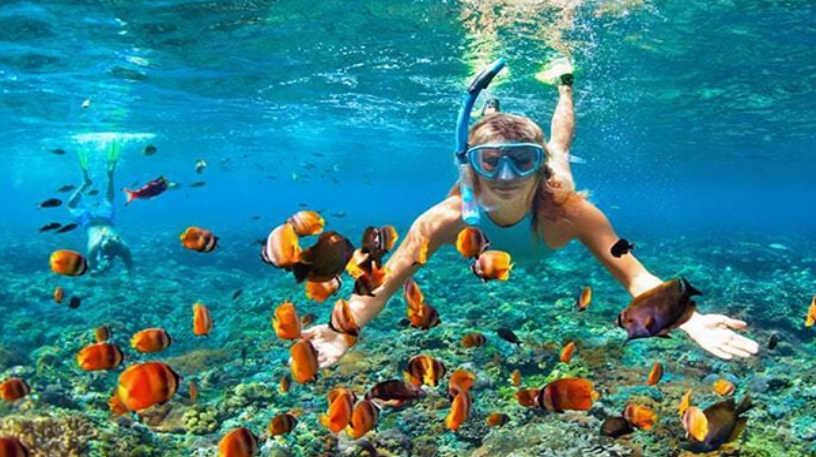
I've been snorkeling here for years, dragged my gear to both coasts in different seasons, and had days of crystal-clear magic and days where I wondered why I bothered. The key is understanding that Costa Rica has two completely different snorkeling personalities: the Pacific side and the Caribbean side. Their weather patterns are opposites. It's like two different countries stuck together.
Core Idea: Asking “what time of year is best for snorkeling in Costa Rica?” is like asking the best time to visit two different countries. The Pacific Coast (Guanacaste, Papagayo, Manuel Antonio) is best during the dry season (December to April). The Caribbean Coast (Cahuita, Puerto Viejo, Manzanillo) often has its calmest, clearest water during the less rainy periods, particularly September-October and February-April. There is no universal “best” month.
Why Season Matters More Than You Think
It's not just about rain. Sure, nobody wants to snorkel in a downpour. But the season affects everything that makes a snorkel trip great or terrible:
- Water Visibility: This is the big one. Heavy rains wash sediment from rivers into the ocean, turning the coastal water a soupy brown. In the dry season, rivers slow down, and the silt settles, giving you that 15-30 meter (50-100 ft) visibility we all crave.
- Sea Conditions: Wind dictates the waves. Calm waters mean easier entry/exit, less chance of seasickness on boat trips, and a more relaxed surface for looking down. Windy seasons mean chop, which stirs up the bottom and ruins visibility near shore.
- Marine Life Activity: Some seasons bring migrations (whale sharks on the Caribbean!), different breeding behaviors, or changes in plankton that attract larger animals.
- Crowds and Cost: The “best” weather often aligns with peak tourist season. You'll pay more and share the reefs with more people. The “shoulder” or “green” seasons can offer a sweet spot of decent conditions and smaller crowds.
I learned this the hard way. My first trip was to Manuel Antonio in June, smack in the rainy season. The forest was stunningly green, but the ocean… let's just say the visibility was about as good as a bathtub full of tea. I saw blurry shapes. It was disappointing. That experience made me obsessive about planning around seasons.
The Pacific Coast: Dry Season is King
Let's break down the Pacific side first. This is where most tourists head – think the beaches of Guanacaste (Tamarindo, Playas del Coco), the Papagayo Peninsula, and down to Manuel Antonio and the Osa Peninsula. The pattern here is straightforward.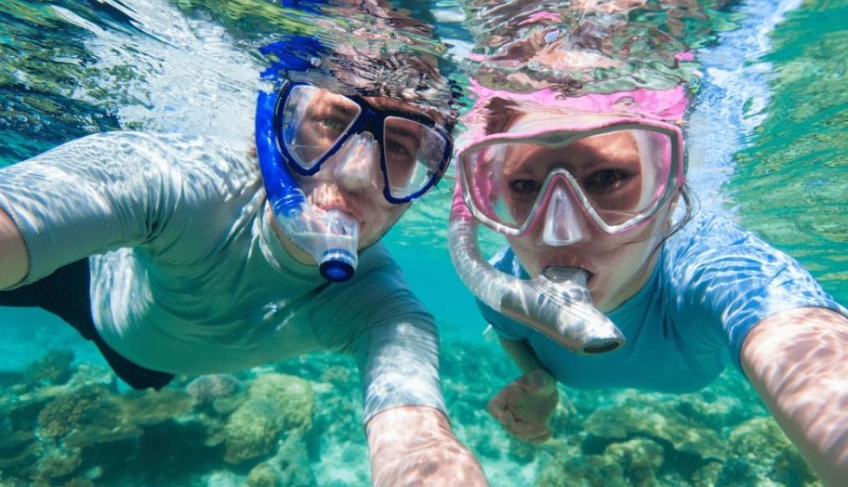
Pacific Coast Snorkeling Calendar
| Season | Months | Water Visibility & Conditions | What You'll See | The Vibe |
|---|---|---|---|---|
| Prime Time (Dry Season) | Dec – April | Excellent. Calm seas, minimal rain, visibility often 20m+. January-March is the pinnacle. | Reef fish (angelfish, puffers), rays, white-tip reef sharks, occasional turtles. Humpback whales (Dec-Apr & Jul-Nov) passing by. | Busy, sunny, perfect beach weather. Prices are highest. |
| Shoulder Season | May – June, Nov | Good to Very Good. Mornings are often sunny with afternoon showers. Seas generally calm. Visibility can be great in early May and late Nov. | All the usual reef residents. Lush green landscapes. | Fewer crowds, better deals. A bit more unpredictable. I love November. |
| Rainy Season | Jul – Oct | Variable to Poor. Heavier, sustained rains muddy coastal waters. Can be windy. Visibility drops significantly, especially after storms. | Near-shore snorkeling is often disappointing. Pelagic life (whales, dolphins) is active offshore. | Quiet, very green, rainy. Good for surfers, not for reliable snorkeling. |
For the Pacific, if your main goal is snorkeling in Costa Rica with guaranteed clear water, you're aiming for the dry season. December through April is your window. January to March is the absolute peak – it's almost guaranteed sunshine and glassy conditions. But it's also when everyone else is here. I find late April or early December can be magical with slightly thinner crowds.
Pacific Pro-Tip: Don't just stay on the mainland beach. The best Pacific snorkeling is often around islands and rocky headlands where the water is clearer. Boat trips to Islas Catalinas (for giant schools of fish and rays) or Isla Murciélago in Santa Rosa National Park are worth every penny. The reefs right off the main tourist beaches can be okay, but they're not the breathtaking spots.
The Caribbean Coast: A Different Rhythm Entirely
Now, the Caribbean side is a whole other beast. It doesn't follow the classic “dry” and “rainy” seasons as neatly. It's more humid year-round, but it has periods of less rain and strange, wonderful calm spells. This coast, around Cahuita National Park, Puerto Viejo, and Manzanillo, is where you find the most developed coral reefs in the country.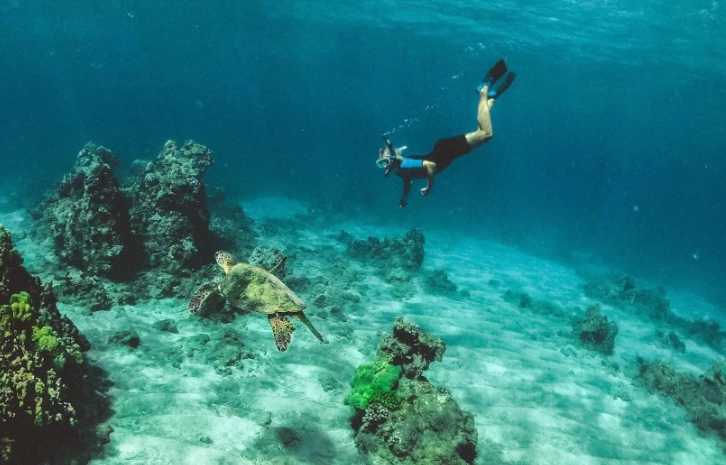
Caribbean Coast Snorkeling Calendar
Forget what you know about Pacific timing. The Caribbean has two brief “dry” periods, but even that term is relative. It's more accurate to call them “less wet” periods.
- First Calm Period (Feb – April): Often called the “Caribbean summer.” This is the most reliable window for calm seas, sunshine, and good visibility on the reef. It overlaps with the Pacific dry season, so the whole country is busy, but the water here can be sublime.
- The “Little Summer” (Sept – Oct): This is the real insider secret. For a few weeks, often in September and October, the wind dies down, the rain lessens, and the Caribbean sea becomes a flat, clear pane of glass. It's incredible. This period is called “Veranillo” (little summer). However, it's not a guarantee every year and can be short.
The rest of the year, especially May-July and November-January, sees more frequent rain and stronger northerly winds (“Nortes”) which can churn up the sea and make snorkeling difficult or impossible for days at a time.
Caribbean Reality Check: The reef at Cahuita is beautiful but fragile. Visibility is never as consistently crystal-clear as you see in TV documentaries about the Great Barrier Reef. Even on a good day, 10-15 meters is considered excellent. On a bad day, it's cloudy. Manage your expectations. The magic is in the biodiversity – you're swimming in a protected national park teeming with life.
Head-to-Head: Pacific vs Caribbean for Snorkeling
Still unsure? Let's put them side-by-side based on what matters to snorkelers.
| Factor | Pacific Coast | Caribbean Coast |
|---|---|---|
| Best Predictable Conditions | Dec-April (Dry Season). Very reliable. | Feb-April. Reliable. Sept-Oct (potentially excellent but less predictable). |
| Reef Type & Health | More rocky reefs, isolated coral patches. Good fish life. | Fringing coral reefs (Cahuita, Manzanillo). More classic coral formations, higher biodiversity. |
| Typical Visibility | Can be excellent (20m+) offshore in dry season. Variable near shore. | Moderate to good (8-15m) on best days. More susceptible to runoff. |
| Big Animal Encounters | Rays, reef sharks, migrating humpback whales (seasonal). | Sea turtles (green, hawksbill), nurse sharks, whale sharks (occasional, mostly Sep-Oct). |
| Ease of Access | Many easy beach entries, lots of tour operators. | More dependent on boat tours to reach best reef sections (e.g., in Cahuita NP). |
| Crowds | Can be very crowded at peak sites in peak season. | Generally feels more secluded, even in good weather. |
So, what time of year is best for snorkeling in Costa Rica? For a first-timer who wants a sure bet with great all-around vacation weather, I'd recommend the Pacific in February or March. If you're a more flexible traveler intrigued by coral reefs and a laid-back Afro-Caribbean culture, and you can time it for late September, the Caribbean might steal your heart.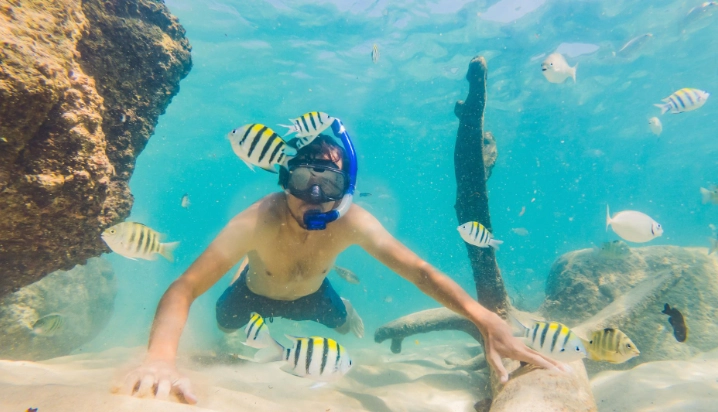
Location Deep Dives: Where to Go and When
Papagayo Gulf & Guanacaste (North Pacific)
This is the classic sun-and-sand region. The snorkeling off the beaches is pleasant but not amazing. The real gems require a boat. Islas Catalinas and Isla Murciélago are world-class dive and snorkel sites. Giant schools of snapper, eagle rays, mobulas, and even bull sharks (deep, don't worry) can be seen. The season here is strictly dry season, especially January to April. I did a Catalina Islands trip in April once, and the water was so clear and blue it didn't look real. The boat ride can be choppy, though, so take seasickness pills if you're prone.
Manuel Antonio & Central Pacific
More accessible for families. You can snorkel right off some beaches like Playa Biesanz (a little hidden gem), but visibility is hit or miss. Better to take a short boat trip to islands like Isla Larga or around the national park rocks. The same dry season rule applies. The green season here can be very hit-or-miss for snorkeling.
Cahuita National Park (Caribbean)
This is the crown jewel of Costa Rican snorkeling for coral lovers. The reef is protected, and you must go with a licensed guide from the SINAC (National System of Conservation Areas). This is a good thing – they keep people from touching the coral. The best spot is the outer reef section called “The Wall,” which you reach by boat. Go during a calm period (Feb-Apr or Sep-Oct). I went in early March, and we saw a sleeping nurse shark under a ledge, a huge green turtle, and endless colorful fish. The visibility was about 10 meters – not perfect, but the life was incredible.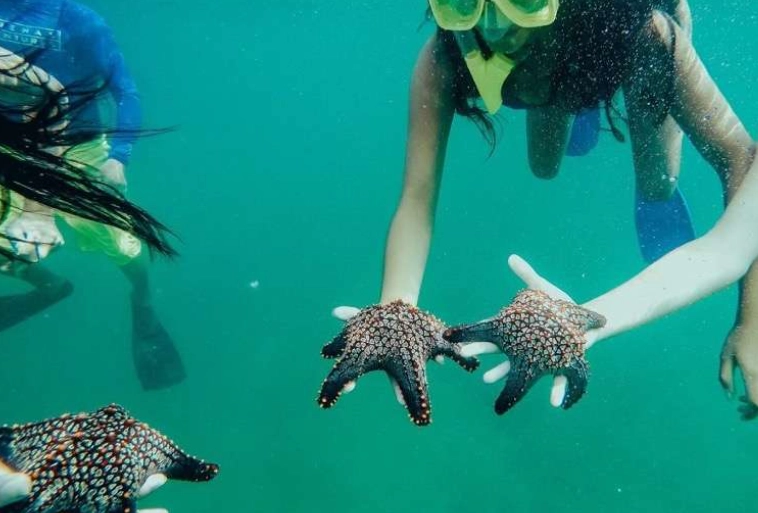
Puerto Viejo & Manzanillo (Caribbean)
The reefs continue south from Cahuita. You can snorkel from the beach at Punta Uva or Manzanillo on a calm day, exploring the rocky areas. For a more structured experience, tours go out to the reefs near the Gandoca-Manzanillo Wildlife Refuge. The same seasonal advice applies. The vibe here is super-chill reggae and rasta.
Answering Your Burning Questions (FAQ)
1) Look at general weather forecasts for your specific region (not just “Costa Rica”).
2) Check live surf cams for the area (they show wave action).
3) Once there, talk to local tour operators the day before. They know. Ask them: “How was the visibility at [spot] yesterday?” They'll give you the honest truth.
Final Thoughts & My Recommendation
So, after all this, what's the final answer to what time of year is best for snorkeling in Costa Rica?
If I had to pick one foolproof recipe for a first-time visitor whose main goal is a fantastic snorkeling vacation:
- Target the Pacific Coast.
- Go between late December and mid-April. January to March is the gold standard.
- Book a boat trip to an offshore island site like the Catalina Islands or Isla Murciélago.
You'll have the highest probability of sunny skies, calm seas, and clear water. You'll pay for it, and you'll have company, but you won't be disappointed.
For the adventurer who doesn't mind a bit of unpredictability and wants a more unique cultural and ecological experience:
- Target the Caribbean Coast.
- Aim for the window of February to April, or roll the dice on September-October.
- Book a guided tour in Cahuita National Park.
You might get slightly less perfect visibility, but you'll be swimming over a protected coral reef in a rainforest-fringed national park. The vibe is completely different.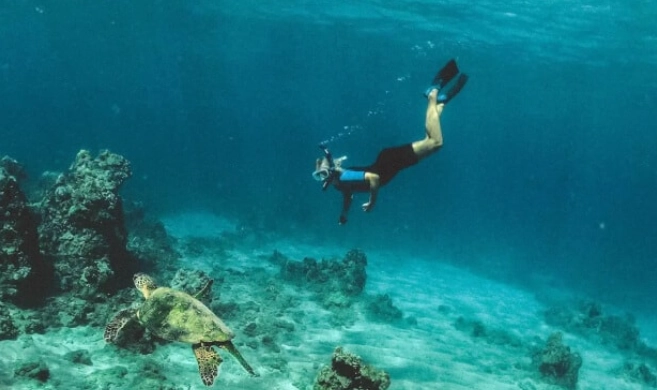
Last Pro-Tip: Protect the paradise. Use reef-safe sunscreen (mineral-based, no oxybenzone/octinoxate). Don't touch or stand on the coral – it's alive and takes decades to grow. Follow your guide's instructions. Keeping the reefs healthy is the only way future snorkelers will get to answer the question “what time of year is best for snorkeling in Costa Rica?” with the same sense of wonder we have today.
For more on responsible marine tourism practices, organizations like REEF and the Marine Conservation Institute are great resources.
Happy planning, and enjoy those warm, tropical waters.
Reader Comments