Quick Guide
- Why This Debate Even Exists: The Two Sides of the Coin
- The Responsible Snorkeler's Code: Your Action Plan
- Spotlight on Problematic vs. Best-Practice Locations
- Beyond the Snorkel: The Bigger Picture of Turtle Conservation
- Your Questions, Answered (The Real Stuff People Worry About)
- Conclusion: Reframing the Question
So you're dreaming of gliding through clear blue water, sunlight dancing down, and there it is—a sea turtle, moving with a kind of ancient, graceful purpose that makes your heart skip a beat. It's a bucket-list moment for millions. But lately, that dream comes with a nagging question: is it ethical to snorkel with turtles? I've been there, floating above a reef, watching a tourist chase a hawksbill until it sped away in a panic. The magic vanished, replaced by a hollow feeling. That's the heart of the debate right there.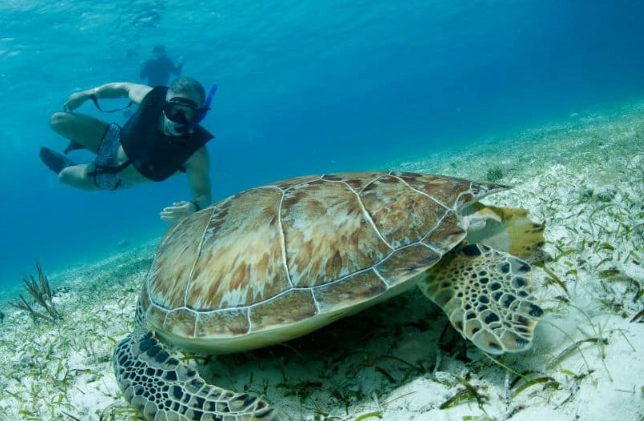
This isn't about slapping a simple "good" or "bad" label on the activity. The truth is, it's a spectrum. Done mindfully and with immense respect, it can be a transformative experience that fuels a lifelong passion for ocean conservation. Done poorly, it's harassment, plain and simple. It adds stress to creatures already facing a mountain of threats—plastic pollution, habitat loss, climate change, and illegal trade. So let's unpack this, not with preachy rules, but with a clear-eyed look at the realities, the science, and what you can actually do to make sure your encounter is part of the solution.
Why This Debate Even Exists: The Two Sides of the Coin
Talk to any marine biologist, and they'll tell you sea turtles are having a tough century. Six of the seven species are classified as threatened, with the Kemp's ridley and hawksbill critically endangered. They're not just cute photo ops; they're key players in healthy marine ecosystems, grazing on seagrass and sponges. So when we enter their home, the stakes feel high.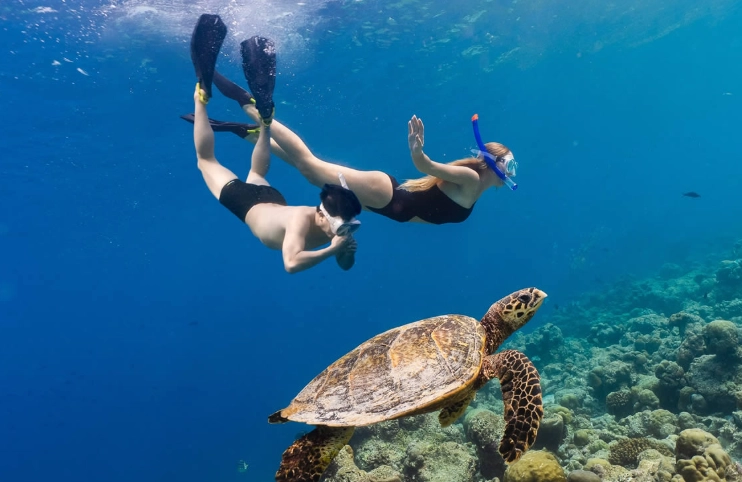
The Case Against: When Tourism Becomes Harassment
I've seen the ugly side. Popular spots can feel like underwater theme parks. The problems are pretty obvious once you look for them:
- Chasing and Crowding: This is the big one. A turtle surfaces to breathe—its one vital, non-negotiable need—and gets surrounded by ten snorkelers. It can't breathe properly. It gets stressed. It wastes energy fleeing instead of foraging. Chronic stress weakens their immune system.
- The Touching Temptation: That algae-covered shell might look like a rock, but it's a living part of the turtle. Touching can remove its protective mucus layer, making it susceptible to infection. And let's be brutally honest: our hands carry microbes, sunscreen, and oils that don't belong on them.
- Habitat Degradation: Too many fins kicking up sediment, too many people standing on coral (yes, it happens), and general commotion degrade the very reef or seagrass bed the turtle calls home. A 2019 study in Hawaii noted changes in turtle behavior in heavily touristed bays.
- Creating Dependency: In places where turtles are fed to attract them (a practice most reputable organizations condemn), it alters their natural foraging behavior and can make them vulnerable to boat strikes as they associate humans with food.
It’s not just about one person. It's the cumulative effect of hundreds of people a day, every day. That's the core of the ethical dilemma when we ask, is it ethical to snorkel with turtles in high-traffic areas.
The Case For: Conservation Through Connection
Now, here's the flip side, and it's powerful. I also remember the first time I saw a green turtle calmly munching on seagrass, completely unfazed by my quiet presence. That moment made me care in a way no documentary ever could. This is the pro-argument's strength:
- Economic Value for Living Turtles: A live turtle, seen by tourists, generates far more revenue over its lifetime than a dead one. This gives local communities a direct financial incentive to protect them, their nests, and their habitats. It can fund beach patrols, rescue centers, and research.
- Creating Ambassadors: Someone who has looked a turtle in the eye is infinitely more likely to refuse plastic straws, support marine parks, or donate to conservation. It turns abstract "save the turtles" slogans into a personal memory.
- Funding Science: Responsible tour operators often collaborate with researchers, providing data on turtle sightings, health, and behavior. Your fee might directly fund a tagging program or beach clean-up.
So, is it ethical to snorkel with turtles? The potential is there, but it hinges entirely on the how.
The Responsible Snorkeler's Code: Your Action Plan
Forget vague advice. Here’s your concrete, no-nonsense checklist for an ethical encounter. Print it out, memorize it, share it with your tour group.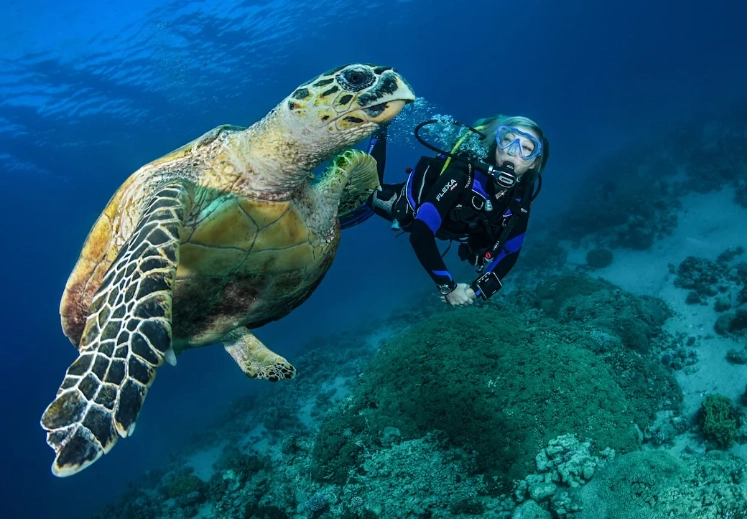
The Golden Rules (Non-Negotiable)
- Look, Don't Touch. Ever. Not the shell, not the flipper, not even if it seems "friendly." Respect their space as you would a wild bear.
- Maintain a Safe Distance. Aim for at least 10 feet (3 meters). If the turtle changes its behavior because of you—swimming away, turning sharply, speeding up—you're too close. Back off.
- Never Block Their Path to Surface. Turtles must breathe air. Always stay to the side or below them, never above. Imagine someone holding a pillow over your face every time you needed air.
- Move Slowly and Calmly. No sudden movements, no frantic kicking. Use gentle fin strokes. Be a calm, quiet observer, not an excited pursuer.
- Absolutely No Feeding. This should go without saying. It's illegal in many places and messes with their natural diet and behavior.
Now, let's get more specific. Your preparation starts long before you get in the water.
Choosing the Right Operator: Ask These Questions
This is where you have the most power. A good operator is your best guarantee of an ethical experience. A bad one will ruin it for everyone, turtles included. Don't be shy—ask pointed questions before you book.
| What to Ask The Tour Company | What a GOOD Answer Sounds Like | What a BAD (or Red Flag) Answer Sounds Like |
|---|---|---|
| What is your group size limit? | "We keep groups to 8-10 snorkelers per guide maximum to minimize impact." | "Oh, we just take everyone who books that day." or vague answers. |
| What is your briefing on turtle interaction? | "We give a mandatory 10-15 minute briefing on rules, distance, and behavior before anyone enters the water." | "Just don't touch them, you'll be fine." (Too brief, dismissive). |
| Do you collaborate with any conservation or research groups? | "Yes, we partner with [Local NGO/University], contribute a portion of fees, and report our sightings." | "Umm, we love turtles!" (No concrete partnership). |
| What is your policy if other tourists are harassing turtles? | "Our guides are trained to politely but firmly intervene to educate and protect the turtle." | "It's not really our job to police others." |
| Do you provide reef-safe sunscreen? | "We require and provide mineral-based, reef-safe sunscreen. Chemical sunscreens are banned on our trips." | No policy, or selling regular sunscreen on the boat. |
Look for operators with certifications from bodies like Blue Flag or those recognized by the SEE Turtles organization for their responsible practices. These aren't just stickers; they mean accountability.
Your Personal Gear & Prep Checklist
- Sunscreen: This is huge. Use ONLY mineral-based sunscreen (zinc oxide, titanium dioxide) that is labeled "Reef Safe" and is free of oxybenzone and octinoxate. Put it on at least 30 minutes before entering the water. Better yet, wear a rash guard and hat to minimize use.
- Snorkel Skills: Be honest. Are you comfortable in the water? Can you float calmly without flailing? If not, practice in a pool first. A panicked snorkeler is a danger to themselves, the reef, and wildlife.
- Camera Ethics: No flash photography. Use a zoom or get closer slowly and respectfully (if the turtle allows). Chasing the perfect shot is a major cause of disturbance. Is that Instagram pic worth stressing out an endangered animal?
I made the sunscreen mistake once, years ago, before I knew better. Seeing the oily sheen around me in what was supposed to be pristine water was a wake-up call. Little choices matter.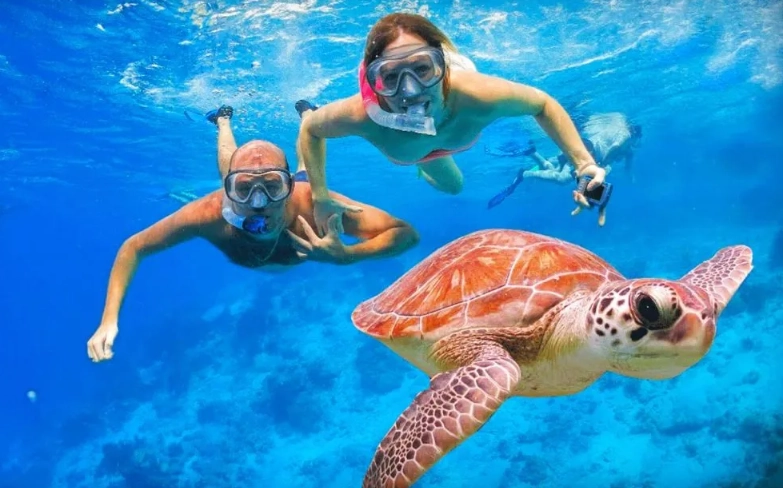
Spotlight on Problematic vs. Best-Practice Locations
Not all snorkeling spots are created equal. The ethics of snorkeling with turtles can look very different depending on your zip code.
Places Under Pressure (Tread Extra Carefully)
Some locations are victims of their own beauty and Instagram fame. High, unregulated visitor numbers have created real problems.
- Certain Hawaiian Bays: Places like Honolua Bay or Turtle Town (Makena) on Maui can get swarmed. The state of Hawaii has clear rules (stay 10 feet away, don't chase), but enforcement is challenging with crowds.
- Popular Caribbean Resorts: All-inclusive resorts that offer "guaranteed" turtle sightings often bring large, sometimes inexperienced groups to the same small patch of reef daily. The pressure is constant.
- "Swim-with" Operations in Developing Nations: Be wary of any operation that promises you can "hold" or "feed" a turtle. These are almost always unethical and often involve turtles kept in poor conditions.
Shining Examples: How It Should Be Done
Conversely, some places are getting it right, managing tourism as a conservation tool.
- The Gili Islands, Indonesia (Local NGO-led): Community-led initiatives like the Gili Eco Trust have established mooring buoys, run education programs, and organize massive clean-ups. Tour operators are part of the solution.
- Akumal, Mexico (Managed Access): After years of chaos, Akumal now requires snorkelers to go with a certified guide in the main bay. Guides enforce rules, control numbers, and provide education. It's not perfect, but it's a structured attempt to manage impact.
- Lady Elliot Island, Australia (Eco-Resort Model): This island on the Great Barrier Reef limits guest numbers, has strict environmental protocols, and is a sanctuary. Encounters happen on the turtles' terms as they go about their business on a protected reef.
Beyond the Snorkel: The Bigger Picture of Turtle Conservation
If you're genuinely asking is it ethical to snorkel with turtles, your concern shouldn't end when you get out of the water. The biggest threats to turtles aren't snorkelers—they're on land.
Think about your entire trip's footprint. Did you fly there? That's a massive carbon emission contributing to ocean warming and coral bleaching (which kills turtle foraging grounds). What about the plastic bottle you used at the hotel? It could end up in the ocean, looking like a jellyfish to a hungry leatherback.
So, ethical interaction is just one piece. True advocacy means:
- Reducing Plastic Use: Bring a reusable water bottle, bag, and straw. Refuse single-use plastics.
- Choosing Sustainable Seafood: Turtles get caught as bycatch in irresponsible fisheries. Use guides like the Monterey Bay Aquarium Seafood Watch.
- Supporting Conservation Financially: Donate to legit groups like the SEE Turtles or the Sea Turtle Conservancy. Consider a "voluntourism" trip that focuses on beach cleanups or nest monitoring, not just sightseeing.
- Using Your Voice: Politely educate fellow snorkelers who are too close. Share good practices on social media. Support legislation that protects marine habitats.
I know, it can feel overwhelming. But it's all connected. That mindful snorkeling trip can be the spark that changes how you see your connection to the ocean.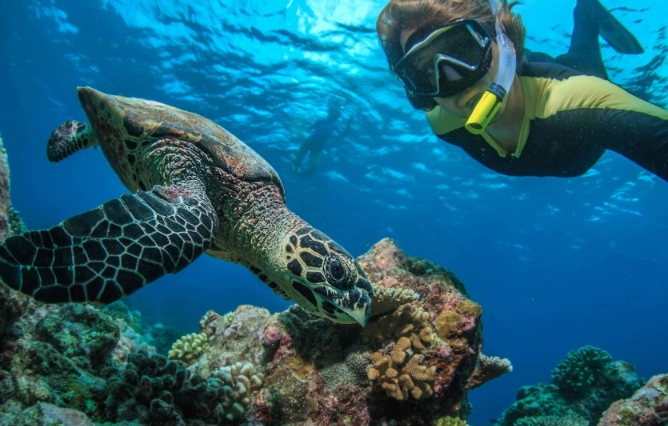
Your Questions, Answered (The Real Stuff People Worry About)
Can I touch a turtle if it approaches me?
No. Full stop. Even if it seems curious, it's a wild animal. Your touch is an intrusion and a potential health risk for it. Enjoy the privilege of its proximity, but keep your hands to yourself.
What if I see my guide or other tourists touching/chasing turtles?
This is tough. If you feel safe, you can calmly reference the rules ("I thought we were supposed to keep a distance?"). Report the guide/operator to their management or to local wildlife authorities afterward. Your feedback and online review can protect future turtles from that behavior.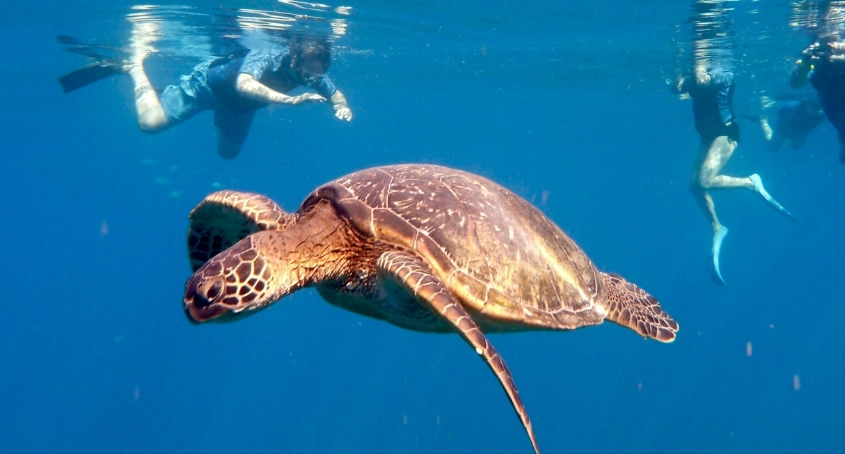
Are self-guided trips more ethical than tours?
Not necessarily. A good, small-group guide is your best educator and enforcer. They know the local rules and turtle behavior. A lone, uninformed snorkeler can do just as much harm. If you go alone, you bear 100% of the responsibility to know and follow the rules.
Is it better to just avoid snorkeling with them altogether?
This is a valid personal choice. If the risk of causing any distress outweighs the benefit of the experience for you, then opting out is the most conservative and safe choice for the turtles. There's integrity in that. You can still support them through other means.
Where is the absolute best place for an ethical encounter?
There's no single "best." Look for places with: 1) Strong, enforced regulations, 2) A community invested in conservation, 3) Operators with proven ethical practices, and 4) Lower tourist density. Remote atolls, well-managed marine protected areas, and eco-resorts often fit this bill better than famous, easily accessible bays.
Conclusion: Reframing the Question
Asking is it ethical to snorkel with turtles is the right starting point. It shows you care. But the more useful question is: "How can I ensure my actions support sea turtle conservation?"
The answer lies in relentless mindfulness. It's in choosing your operator like your vote depends on it. It's in practicing buoyancy control like a meditation. It's in remembering that you are a visitor in a world where survival is already an uphill battle.
That magical moment of connection is possible. I've felt it. But it only comes when the turtle is utterly indifferent to your presence, going about its ancient routines as if you weren't there. That's the goal. To be a silent, respectful ghost in their liquid world, leaving no trace but awe, and taking away nothing but a fierce determination to protect it.
That's the only encounter that's truly ethical. And honestly, it's the most magical one, too.
Reader Comments