Quick Guide
- Where Exactly Are the Coral Reefs in Costa Rica?
- Caribbean vs. Pacific: A Side-by-Side Snorkeler's Guide
- The Not-So-Pretty Part: Challenges Facing the Reefs
- Your Practical Guide to Experiencing Costa Rica's Coral Reefs
- Beyond Snorkeling: The Bigger Picture of Coral in Costa Rica
- Answering Your Burning Questions (The FAQ Section)
Let's cut right to the chase. You're probably staring at stunning photos of tropical fish and thinking, is there coral reef in Costa Rica worth seeing? The short answer is a definite yes. But here's the thing—it's not what you might expect if you're picturing the Great Barrier Reef or vast stretches of coral like in Belize. Costa Rica's coral story is more nuanced, a bit fragile, and honestly, incredibly fascinating once you look beneath the surface (pun intended).
I remember my first trip there, guidebook in hand, expecting wall-to-wall coral. I was, let's say, initially underwhelmed in some spots. But then I talked to local marine biologists and spent more time in the water, and my whole perspective changed. So, is there coral reef in Costa Rica? Absolutely. Let's dive into where, what kind, and what you can really expect.
Quick Fact: Costa Rica has about 970 square kilometers of coral reef areas. That's a significant amount, but it's primarily fringe reefs and patches, not massive barrier reef systems. Most of it (about 90%) is on the Caribbean coast.
Where Exactly Are the Coral Reefs in Costa Rica?
Costa Rica's coral reefs are split between two very different coasts: the wild Caribbean side and the expansive Pacific side. They're like two siblings with completely different personalities.
The Caribbean Coast: The Main Event
If you're asking "is there coral reef in Costa Rica?" with snorkeling in mind, this is your best bet. The water is calmer, clearer, and warmer here for most of the year. The reefs here are what we call "fringing reefs"—they grow directly from the shoreline or a little ways off it.
The undisputed king of Caribbean coral in Costa Rica is Cahuita National Park. This place is special. It's home to the country's largest living coral reef structure, stretching over 600 acres. The park is directly managed to protect the reef, and you can only snorkel with certified guides, which honestly, is a good thing. It keeps the pressure off. You'll see brain coral, elkhorn coral, sea fans, and a riot of colorful fish. The National System of Conservation Areas (SINAC) website has the official info on access and rules.
Then you have Puerto Viejo and Manzanillo. The reefs here are smaller and more patchy. Punta Uva and Manzanillo's Gandoca-Manzanillo Wildlife Refuge have some lovely spots. The snorkeling from the beach can be hit or miss depending on recent weather (which stirs up sand), but boat trips to outer reef patches are usually rewarding.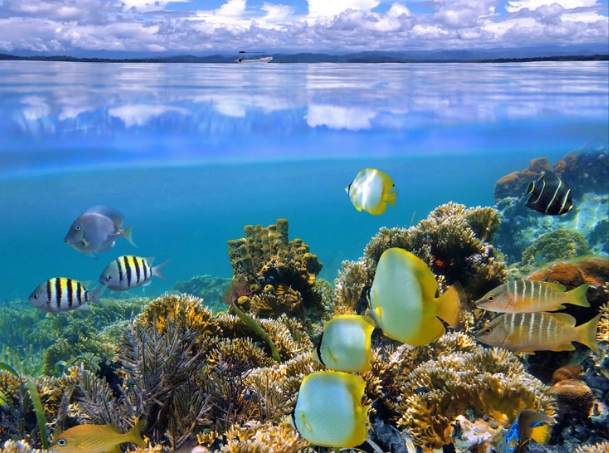
The Pacific Coast: The Underdog Story
Most people don't associate the Pacific with coral. The water is cooler, rougher, and has more nutrients, which generally isn't ideal for the types of coral that build big reefs. But Costa Rica has a few surprises.
The superstar is the Golfo Dulce. This deep, tropical fjord near the Osa Peninsula has unique conditions. It's one of only four tropical fjords in the world. In its calm, protected waters, you can find small but vibrant coral communities. It's not a vast reef, but the biodiversity per square meter is off the charts. Research from places like the Golfo Dulce Foundation shows it's a critical and fragile habitat.
Further north, around Isla del Caño Biological Reserve, you'll find rocky reefs covered in soft corals, gorgonians, and black coral trees. It's a different aesthetic—more dramatic walls and pinnacles draped in life rather than classic stony coral gardens. Isla del Caño is a protected zone, and access is strictly controlled, which helps preserve it.
Other Pacific spots like the Catalina Islands or around Manuel Antonio are more known for rock formations, caves, and big animal encounters (manta rays, sharks) than for traditional coral reefs. So, is there coral reef in Costa Rica's Pacific? Yes, but manage your expectations. You go for the wildness and the big pelagic life, with coral as a beautiful backdrop.
Caribbean vs. Pacific: A Side-by-Side Snorkeler's Guide
To make it super clear, here’s a breakdown. This table saved me a lot of confusion when I was planning my trips.
| Feature | Caribbean Coast Reefs | Pacific Coast Reefs |
|---|---|---|
| Water Visibility | Generally higher (15-30m on good days) | Variable, often lower (5-15m) |
| Water Temperature | Warmer (26-29°C / 79-84°F year-round) | Cooler, more seasonal (24-28°C / 75-82°F) |
| Reef Structure | Classic fringing reefs with stony corals | Rocky reefs with soft corals & gorgonians |
| Coral Types | Elkhorn, Staghorn, Brain, Star corals | Black Coral, Gorgonians, Sea Fans, some Pocillopora |
| Marine Life Vibe | Colorful reef fish (parrotfish, angelfish), turtles, rays | Big pelagics (rays, sharks, tuna), whales (seasonal), turtles |
| Best For | Classic calm snorkeling, coral gardens, beginners | Adventure snorkeling, dramatic scenery, experienced swimmers |
| Key Locations | Cahuita National Park, Punta Uva, Manzanillo | Isla del Caño, Golfo Dulce, Catalina Islands |
See the difference? It's like comparing a serene botanical garden to an untamed mountain range. Both are beautiful, but they offer completely different experiences.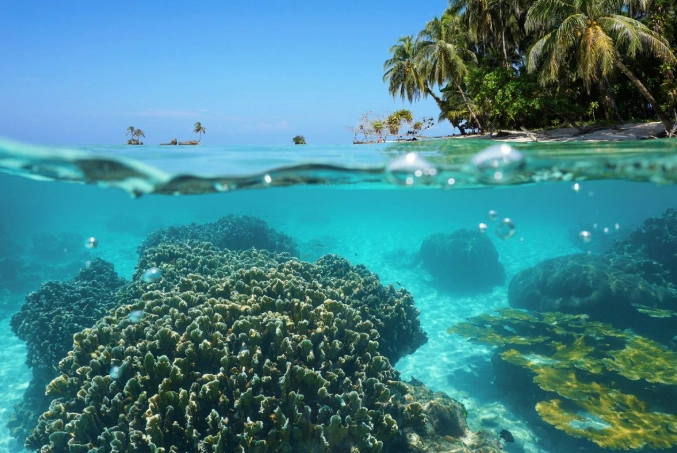
The Not-So-Pretty Part: Challenges Facing the Reefs
We have to talk about this. When you research "is there coral reef in Costa Rica," you need the full picture, and that includes the threats. I'm not trying to be a downer, but it's crucial for responsible travel.
Coral bleaching is a global crisis, and Costa Rica's reefs are not immune. Rising sea temperatures stress the corals, causing them to expel the symbiotic algae that give them color and food. A bleached coral isn't dead, but it's starving and highly vulnerable. The Center for Research in Marine Sciences and Limnology (CIMAR) at the University of Costa Rica has documented bleaching events, particularly in the Caribbean.
Then there's sedimentation. Deforestation and poor land use practices inland cause soil to wash into the rivers and out to sea during heavy rains. This silt settles on the corals, blocking the sunlight they need to survive. It's like constantly throwing dirt on your houseplants.
In some areas, like parts of the Caribbean coast near river mouths, the reef is seriously degraded. You might go snorkeling expecting a kaleidoscope and find mostly sand, rubble, and a few hardy corals. It's disappointing, but it's the reality of decades of coastal development and agricultural runoff. Always check recent reviews and talk to local dive shops about current conditions.
Overfishing and physical damage from anchors or careless tourists are also problems. That's why the park rules exist. Touching, standing on, or kicking coral kills it. A tiny bit of sunscreen can damage a large area. It's fragile stuff.
So, is the coral reef in Costa Rica doomed?
Not at all. But it's fighting. The good news is there's a ton of local and national effort going into protection. Understanding these challenges makes seeing a healthy reef all the more special.
Your Practical Guide to Experiencing Costa Rica's Coral Reefs
Okay, so you're convinced. There is coral reef in Costa Rica, and you want to see it. Here's how to do it right and have the best chance of a great experience.
When to Go (Timing is Everything)
- Caribbean Side: The best window is typically March to April and September to October. These are the drier periods on that coast. Avoid November and December, which can be very rainy, churning up the water and reducing visibility to near zero. I learned that the hard way in early December—it was like swimming in tea.
- Pacific Side: The dry season, December to April, is best. The seas are calmer, and the sun is out more. The rainy season (May-Nov) can make boat trips rough and visibility poor, though water temperatures are still okay.
How to Choose a Tour Operator
Don't just book the cheapest boat trip from a guy on the beach. Do a little homework.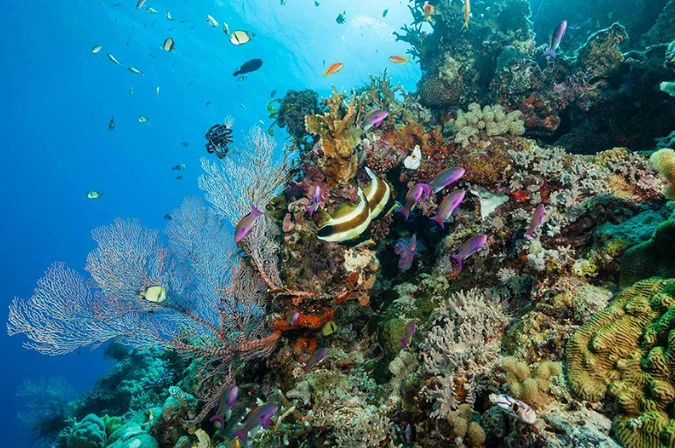
- Look for Certified Guides: In national parks like Cahuita, it's the law. Elsewhere, it's a sign of professionalism. Ask if their guides are certified by the Costa Rica Tourism Institute (ICT) or have marine biology training.
- Ask About Their Practices: Do they use mooring buoys instead of dropping anchors on the reef? Do they give thorough briefings on not touching marine life? Do they provide reef-safe sunscreen? Their answers tell you a lot.
- Small Groups are Better: A boat with 6-10 people is infinitely better than a cattle boat with 30. You'll get more guide attention, spend less time waiting, and cause less disturbance in the water.
What to Bring (Beyond Your Swimsuit)
- Reef-Safe Sunscreen: This is non-negotiable. Chemicals like oxybenzone and octinoxate kill coral. Look for mineral-based (zinc oxide, titanium dioxide) sunscreens labeled "reef-safe." Buy it before you go; it can be hard to find and expensive in tourist towns.
- Your Own Mask and Snorkel: A good fit makes all the difference. Rental gear is often cheap, foggy, and leaky. If you have your own, you know it's comfortable and hygienic.
- A Rash Guard or Long-Sleeved Shirt: The sun at the equator is intense. A rash guard protects your skin, means you use less sunscreen, and can keep you a bit warmer in cooler Pacific waters.
- Waterproof Camera or Case: You'll want photos. Just be careful not to touch anything while you're focusing on that perfect shot.
Pro Tip from a Local Guide I Met: "The best snorkeling is often not right off the main beach. Ask your guide to take you to the 'second reef' or the outer patches. It requires a short boat ride, but the coral is usually healthier and the fish life more abundant because it's further from shore and human activity." He was right.
Beyond Snorkeling: The Bigger Picture of Coral in Costa Rica
Is there coral reef in Costa Rica that's being actively restored? Yes! This is the hopeful part. Conservation isn't just about putting up fences; it's about active repair.
Organizations like CREMA (Center for the Rescue of Endangered Marine Species) and local community groups are involved in coral gardening and reef restoration projects. They collect broken fragments of coral (often from storm damage), grow them in underwater nurseries, and then outplant them back onto degraded reef areas to help them recover faster. It's slow, meticulous work, but it's making a difference.
You can sometimes find volunteer opportunities or educational tours that support this work. It's a powerful way to connect with the reef beyond just being a spectator.
Answering Your Burning Questions (The FAQ Section)
Let's tackle some of the specific things people type into Google after the main question, "Is there coral reef in Costa Rica?"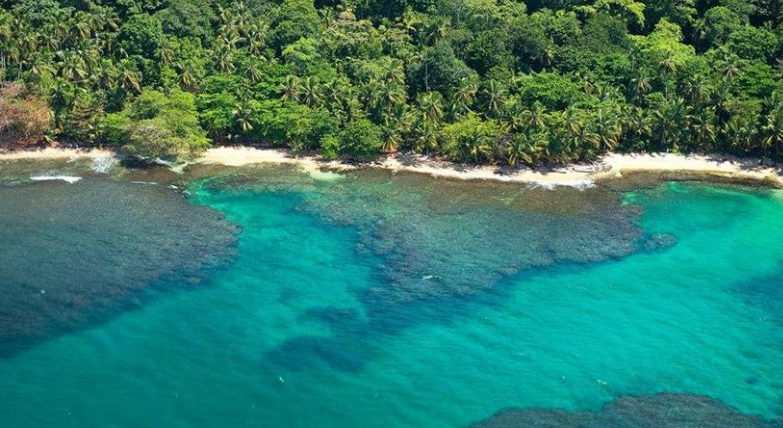
Look, the bottom line is this. If you're asking "is there coral reef in Costa Rica?" you're asking the right first question. The follow-up questions are more important: Where is it healthiest? How can I see it responsibly? What should I realistically expect?
Costa Rica's coral reefs are a treasure, but they're a nuanced treasure. They won't always blow you away with endless vistas of coral. Sometimes they will, in moments of perfect calm and clear water. Other times, you'll appreciate the small, resilient patches of life, the swirling schools of fish, and the knowledge that you're looking at an ecosystem that's hanging on, thanks to conservation efforts.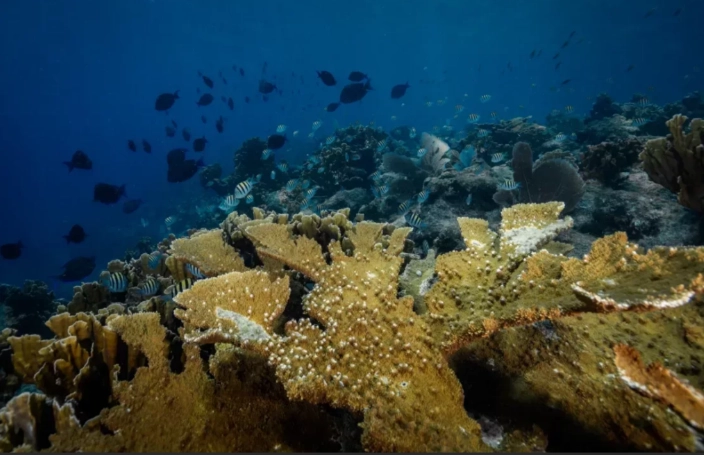
Go with curiosity, respect, and managed expectations. Hire a good local guide. Use reef-safe sunscreen. And you'll answer the question "is there coral reef in Costa Rica?" not just with a "yes," but with your own story of colorful fish, maybe a turtle, and the quiet, awe-inspiring beauty of life underwater.
Reader Comments