Snorkeling in cold water opens up a world most people never see. Think crystal-clear glacial fjords, kelp forests swaying in crisp currents, and marine life you won't find in the tropics. But jumping into water below 70°F (21°C) without the right know-how is a recipe for a miserable, even dangerous, experience. This guide isn't about scaring you off. It's about equipping you with the precise gear, safety knowledge, and location intel to turn a challenging idea into your next unforgettable adventure. Forget the generic advice. We're diving into the specifics that make the difference between shivering for five minutes and exploring comfortably for an hour.
What’s Inside This Guide
Non-Negotiable Gear for Cold Water Snorkeling
Your tropical snorkel set won't cut it here. The right gear isn't about luxury; it's about safety and extending your time in the water. The core principle is thermal protection.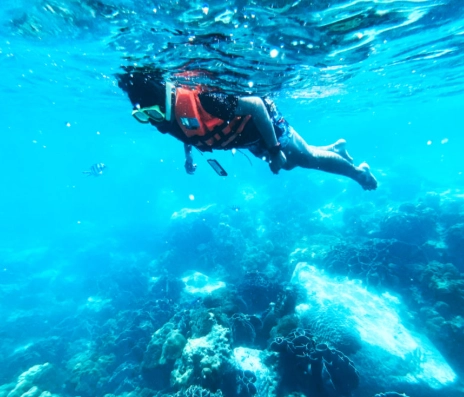
How to Choose the Right Wetsuit for Cold Water Snorkeling
This is your most critical piece. A 3mm shorty will leave you hypothermic in 55°F (13°C) water. Here’s the breakdown most guides gloss over:
- Thickness is King: For water between 50-65°F (10-18°C), a 5mm to 7mm full wetsuit (with integrated hood) is the standard. Below 50°F, consider a semi-dry or drysuit (more on that later). The common mistake? Choosing a suit that's too thin because it's easier to put on.
- Fit is Everything: A loose wetsuit lets cold water flush in and out, defeating its purpose. It should feel snug, like a second skin, without restricting your breathing. Pay special attention to the neck, wrists, and ankles—these are the main entry points for water.
- Hood & Boots: You lose a huge amount of heat through your head. A 5mm neoprene hood is non-negotiable. Boots (3-5mm) not only keep your feet warm but protect them from rocky entries and provide grip.
My personal go-to for temperate waters is a 5mm farmer john/jacket combo. It gives me the flexibility of a 5mm core with 7mm of thickness over my torso where I lose heat fastest.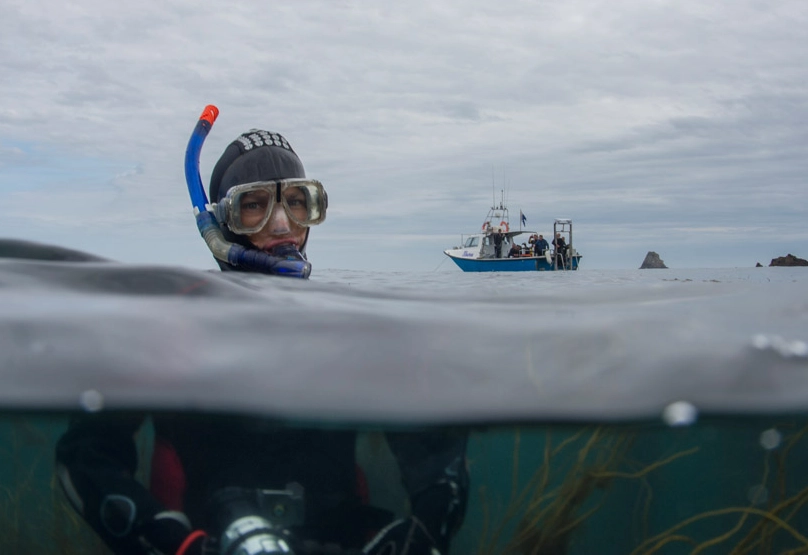
Wetsuit vs. Drysuit? A wetsuit traps a thin layer of water that your body heats. A drysuit seals you off from the water entirely, and you wear thermal layers underneath. For snorkeling, a high-quality 7mm wetsuit is sufficient for most people down to about 45°F (7°C). Drysuits are more complex, require training to use safely (to manage buoyancy), and are a bigger investment. Stick with a wetsuit unless you're planning extensive sessions in near-freezing water.
The Rest of Your Kit
Everything else needs an upgrade too.
- Mask & Snorkel: A low-volume mask with a good seal is key, as your face will be colder. Consider a purge valve on your snorkel—clearing it with cold lips is less fun. Anti-fog is mandatory; I mix baby shampoo with water in a small spray bottle.
- Gloves: 3mm or 5mm neoprene gloves. Your dexterity will suffer, so practice handling your gear with them on before you get in.
- Surface Marker Buoy (SMB): In colder regions, boat traffic might be less expecting snorkelers. An SMB makes you highly visible. It's a simple safety device many snorkelers skip.
Cold Water Safety: Beyond Common Sense
Cold water immersion adds layers of risk. Understanding your body's response is the first step to managing it.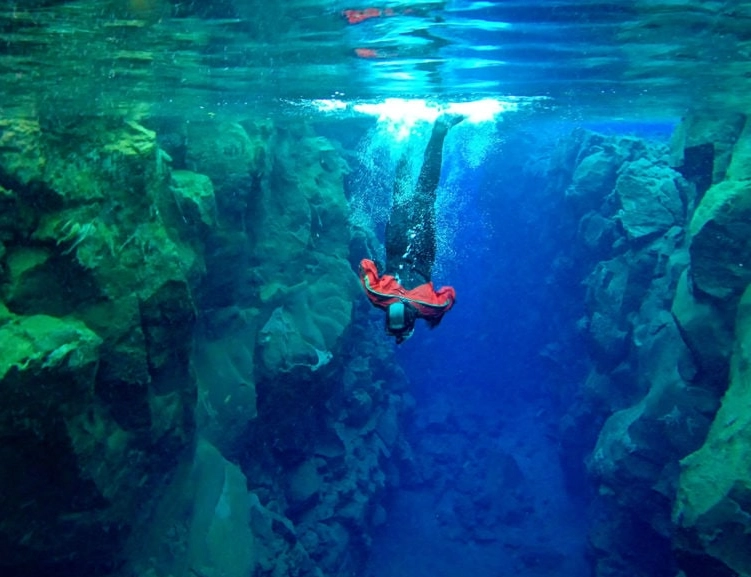
The Real Danger: Cold Shock & Hypothermia
The initial gasp reflex when you hit cold water can be violent. If your face goes in unprepared, you can inhale water. Always enter slowly, feet first, and acclimate your face and neck before submerging your head. Hypothermia sets in gradually. Shivering is an early warning sign. Mental confusion, slurred speech, and loss of coordination are severe signs. Get out immediately, get dry, and seek warmth.
Never snorkel alone in cold water. Your buddy is your first line of defense in spotting early hypothermia signs you might miss in yourself. Agree on hand signals beforehand, especially for "I'm cold" and "Let's get out."
Three World-Class Cold Water Snorkeling Destinations
Here are three spots that redefine what snorkeling can be, with all the practical details you need to plan.
| Destination | Location / Address | Best Time to Visit | Water Temp Range | What You'll See & Key Notes |
|---|---|---|---|---|
| Lofoten Islands, Norway | Various spots around Svolvær, Henningsvær. A great accessible entry is near the town of Kabelvåg. | June - September (Midnight sun & slightly warmer water) | 48°F - 57°F (9°C - 14°C) | Dramatic peaks, kelp forests, cod, pollock, maybe an otter. Visibility can exceed 30m. Note: Use a local guide. Weather changes fast. 7mm wetsuit + hood + gloves essential. |
| Tobermory, Ontario, Canada | Fathom Five National Marine Park, 7420 Hwy. 6, Tobermory, ON N0H 2R0. | July - Early September | 50°F - 65°F (10°C - 18°C) | Freshwater shipwrecks in stunning clarity. The Forest City wreck is shallow and perfect for snorkeling. Parks Canada regulates access; check for permits. 5-7mm suit recommended. |
| Silfra Fissure, Iceland | Þingvellir National Park, South Iceland. Guided tours meet at the Silfra parking lot. | Year-round (Water temp is constant) | 36°F - 39°F (2°C - 4°C) | Snorkel between tectonic plates in glacial meltwater filtered for 100+ years. Visibility is literally infinite. Critical: This is a drysuits-only location. You must book a guided tour. No exceptions. |
Techniques & Mindset for Cold Water Comfort
Gear gets you in the water. Technique keeps you there happily.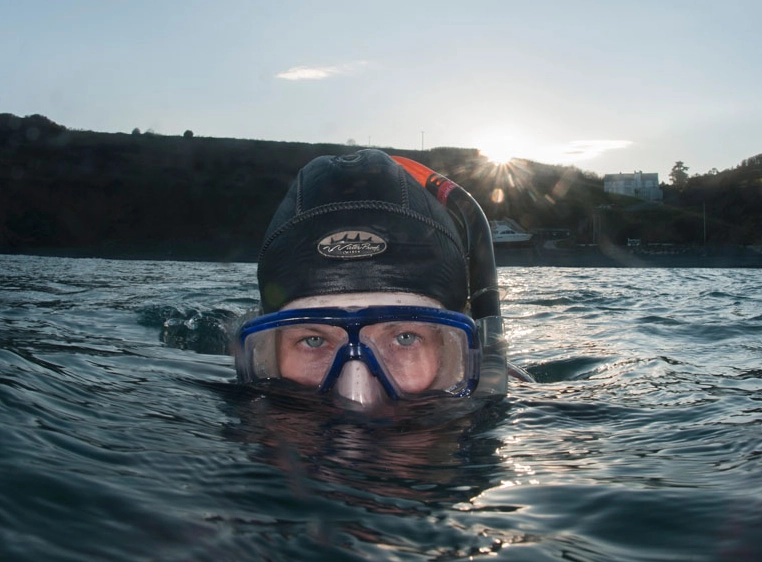
Pre-Warm: Don't get in already cold. Do some light exercise (jumping jacks, arm circles) on shore with your wetsuit on. It creates a warm buffer.
Peeing in Your Wetsuit: Let's be real. You'll want to. It warms you up momentarily, but that warmth fades, and you're left in a chilled, urine-soaked suit. Try to avoid it. Get out, pour warm water from a thermos down your neck seal if you can.
Movement vs. Stillness: Gentle finning generates heat. But frantic movement increases water flow through your suit. Find a slow, steady pace. When you stop to look at something, keep your arms tucked in to conserve core heat.
The mental game is huge. Accept that the first minute will be a shock. Breathe slowly and deeply through your snorkel. Focus on the incredible scenery, not the temperature on your lips. Most of your body will be warm in a good suit.
Reader Comments